 StadiumDB
Estadio Simón Bolívar
| Capacity | 20 000 |
|---|---|
| Country | Bolivia |
| City | La Paz |
| Clubs | Club Bolívar |
| Category | Design being implemented |
| Cost | ? |
| Construction | 2023–? |
| Design | L35 Arquitectos |
Advertisement
Estadio Simón Bolívar – design description
What does the project for the new Estadio Simón Bolívar look like in brief?
The new Estadio Simón Bolívar is being developed as part of the “Centenary Plan” prepared for the 100th anniversary of Club Bolívar. However, construction, which began in the summer of 2023, was not completed in time for the April 2025 anniversary.
The stadium will replace the former, deteriorated ground, where the last league matches were played in the early 2000s. Once completed, the new venue will become the main home of Club Bolívar – the most successful football team in Bolivian football.
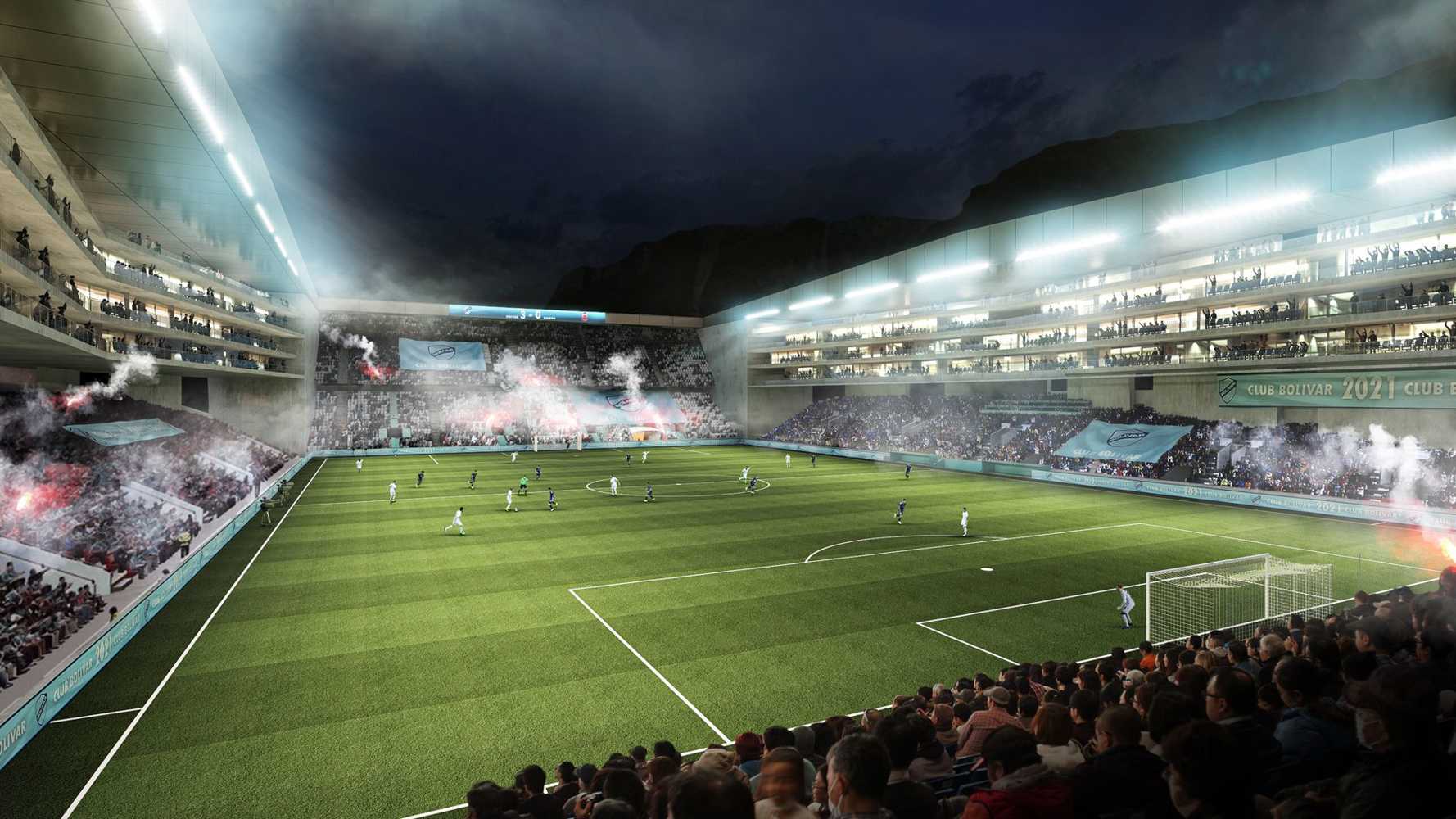
The modern facility will have a capacity of 20,000 spectators and will be capable of hosting events at the highest level. The design is by the renowned practice L35 Arquitectos, whose portfolio includes work on the redevelopment of the Santiago Bernabéu Stadium.
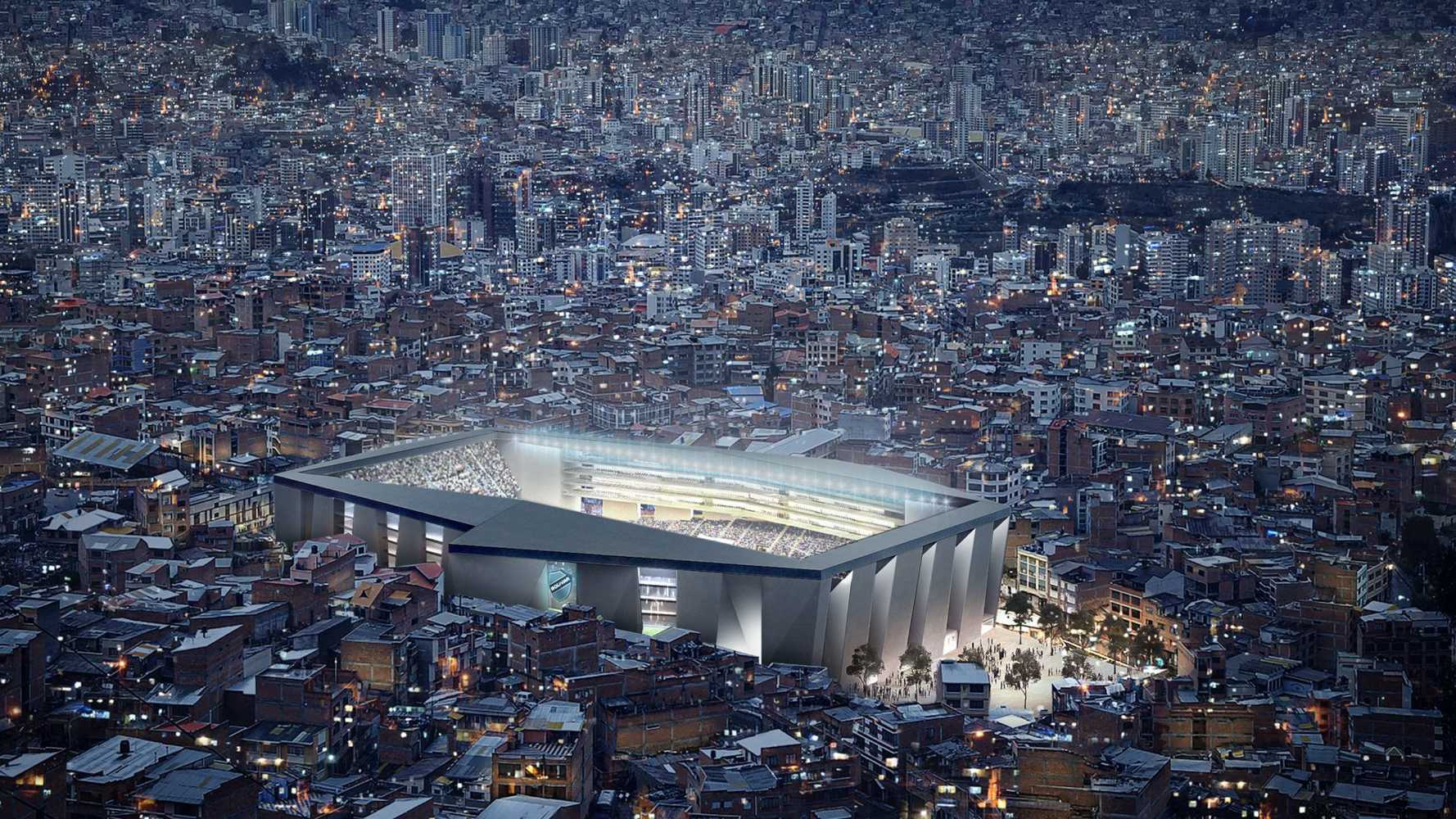
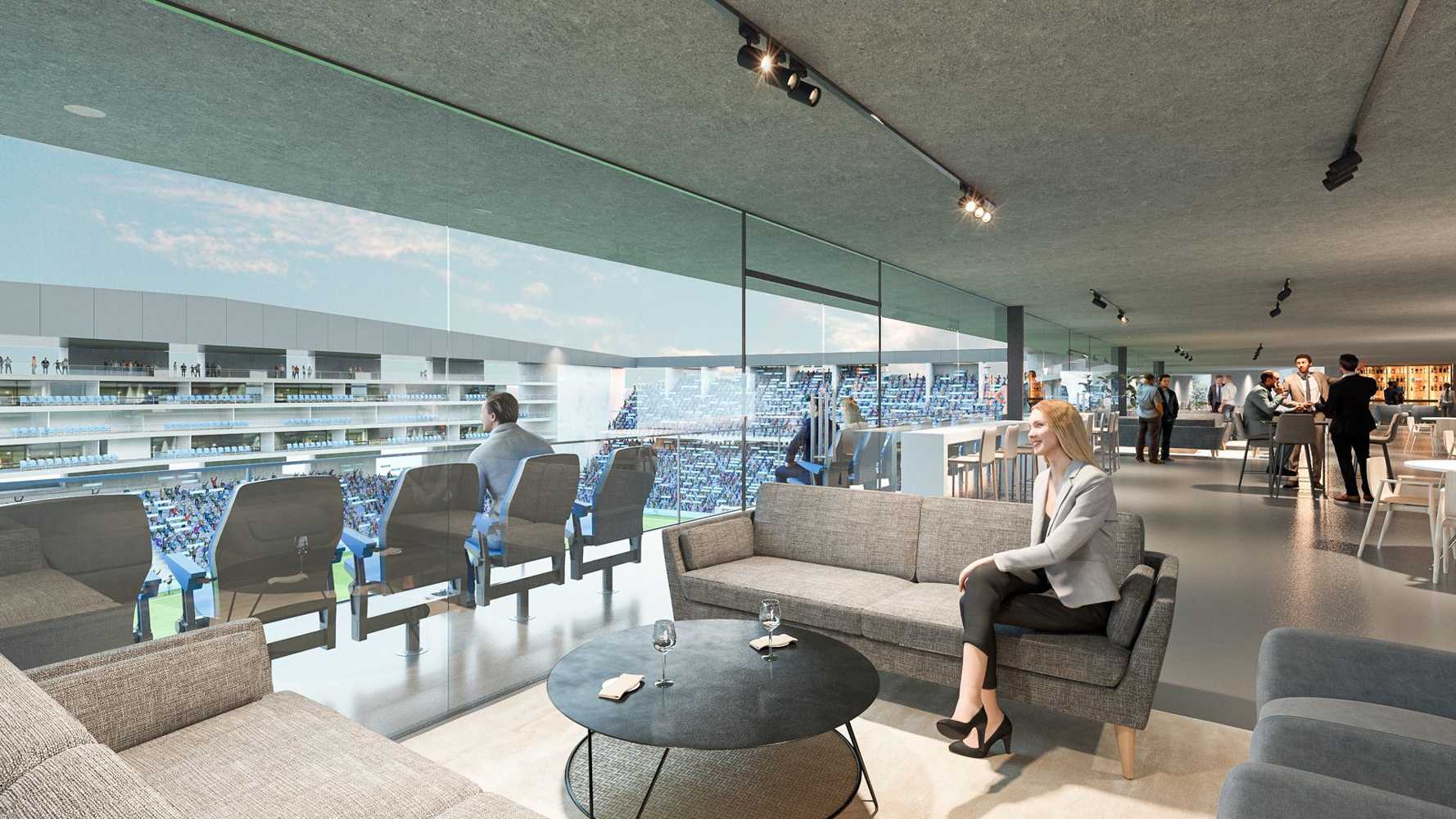
Due to the constrained site, the stadium will adopt an irregular form, maximising the use of the available space. Along the pitch, long rows of boxes on multiple levels are planned, while an underground car park will be located beneath the playing field.
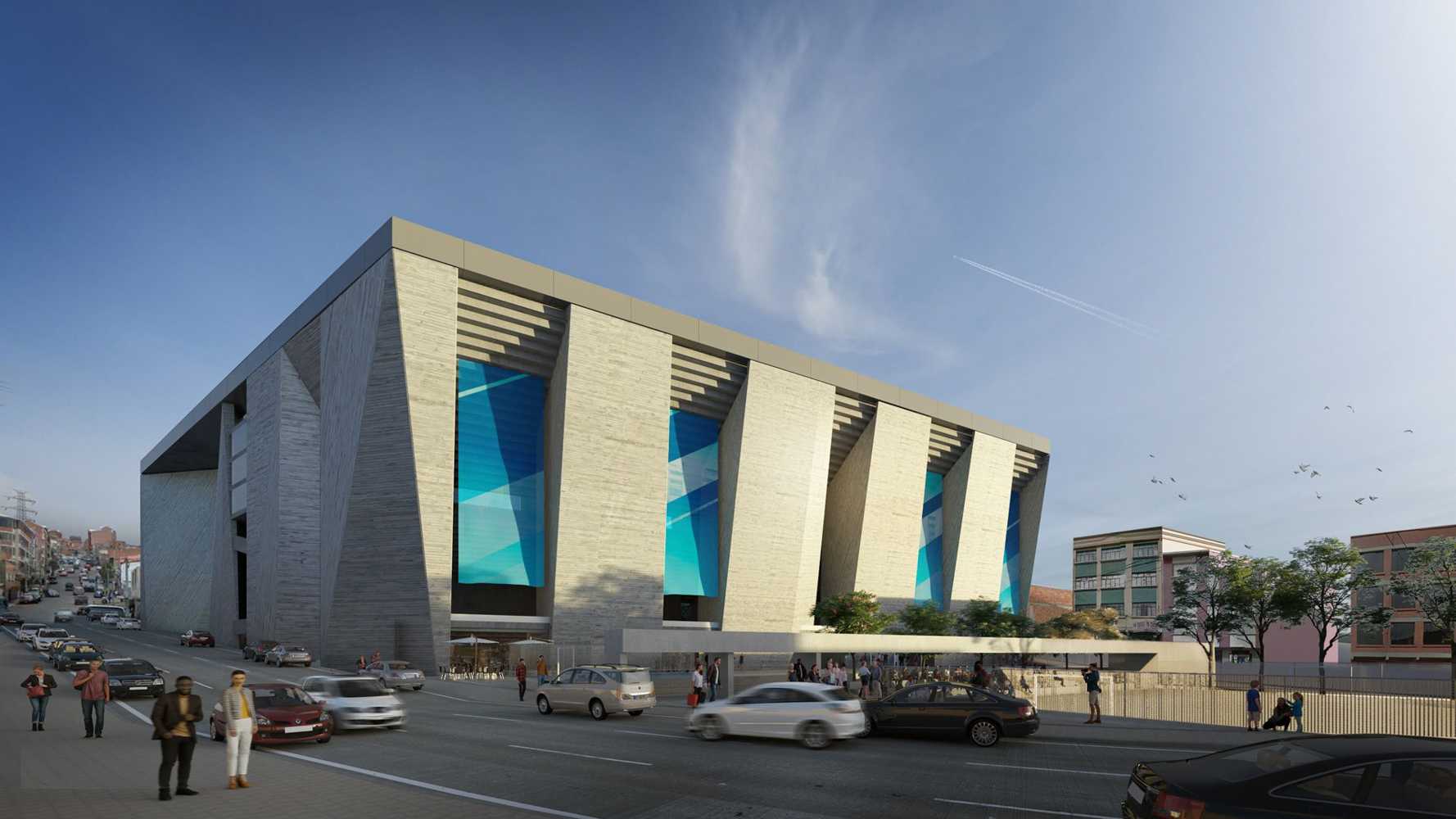
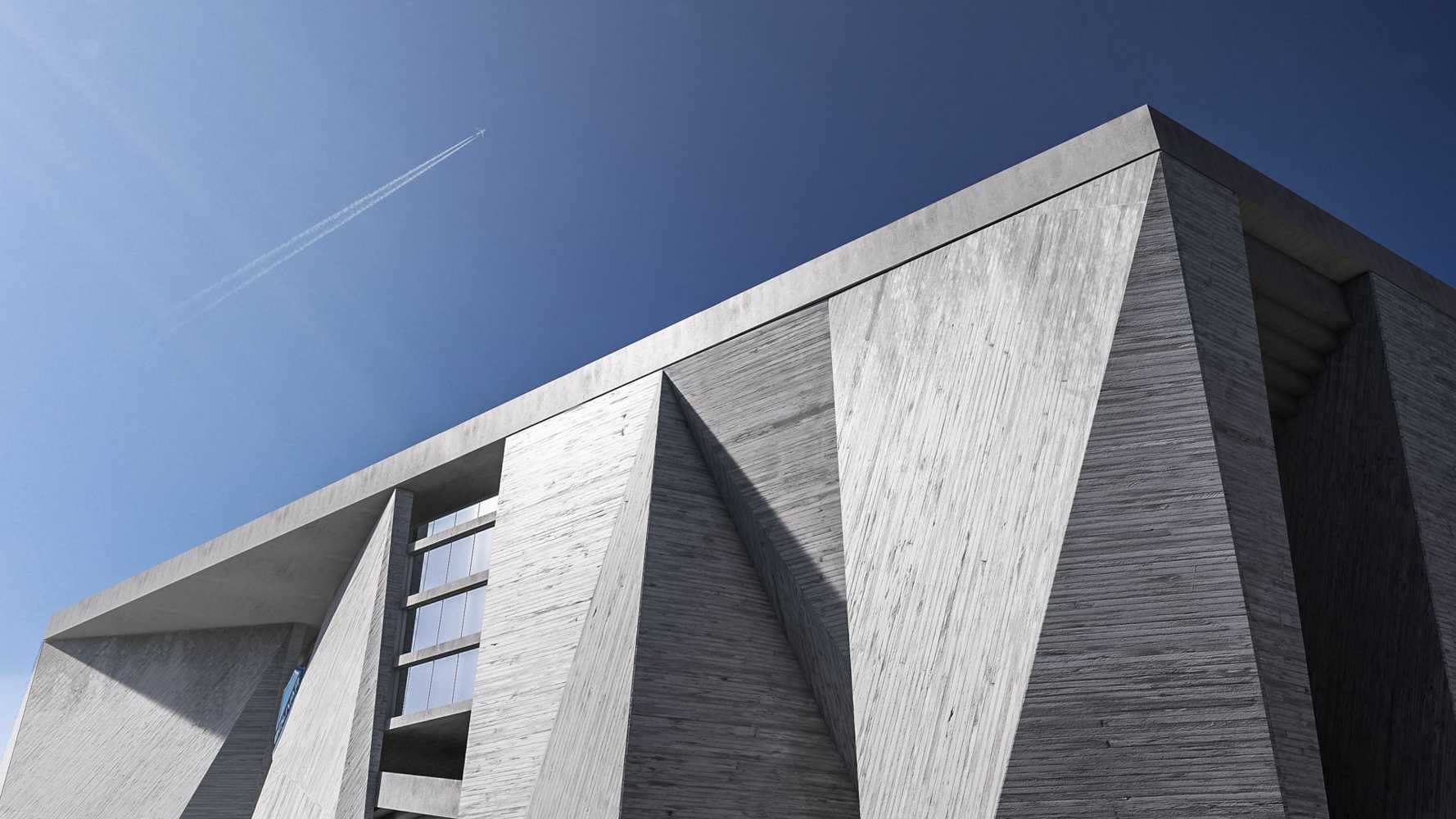
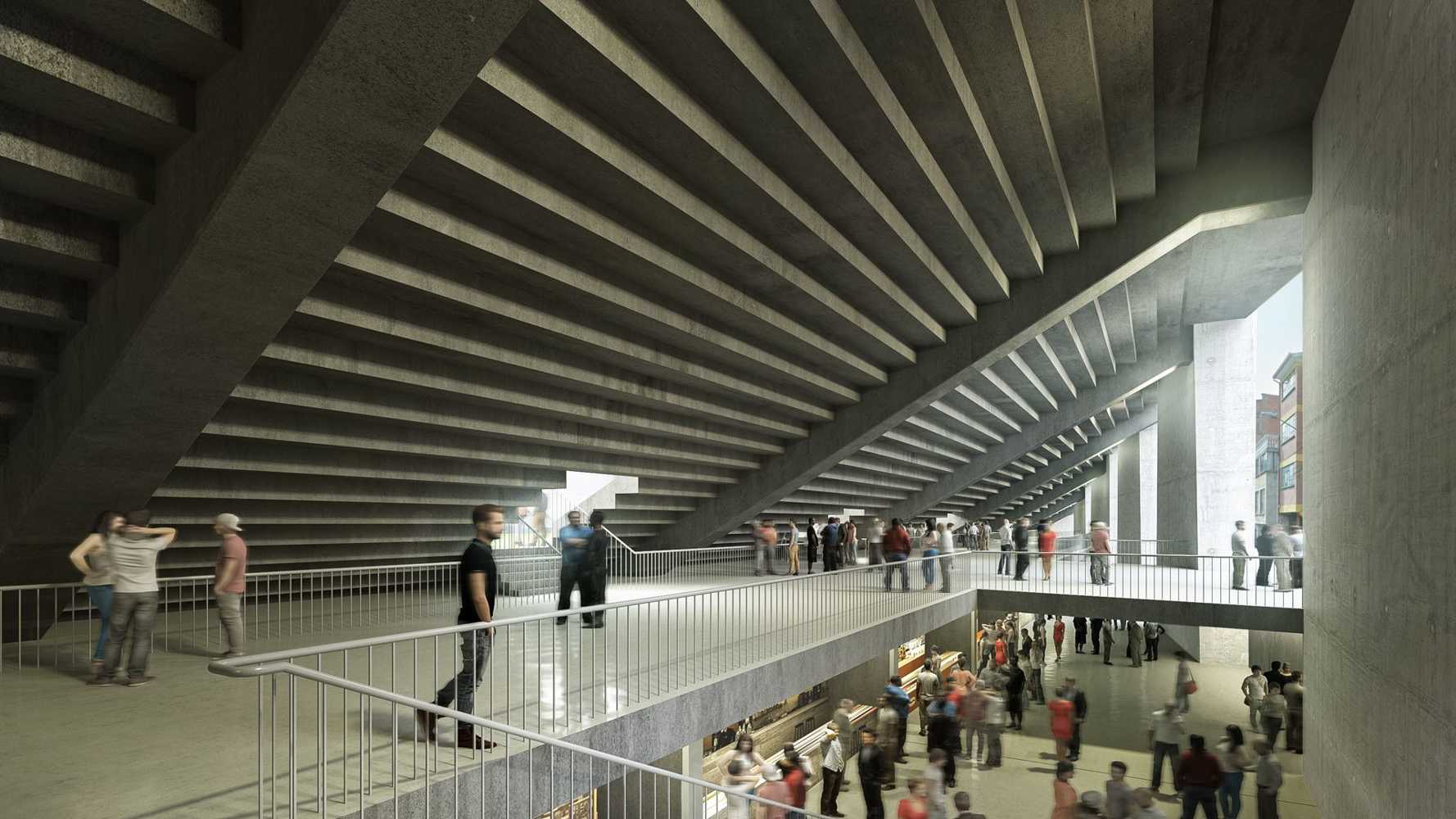
The structure will be based on extensive use of reinforced concrete. Massive external columns will be placed around the perimeter, serving not only a structural function but also creating a distinctive visual expression.
Located at an altitude of 3,706 metres above sea level, the stadium will rank among the highest in the world. To improve resistance to seismic activity, each stand will form a separate structural segment, with 15-centimetre gaps between them.
When was the plan for the new Club Bolívar stadium conceived?
At the beginning of 2021, Club Bolívar – the most successful football club in Bolivia – announced a partnership with City Football Group, and club president Marcelo Claure unveiled the “Centenary Plan” (Plan Centenario).
The plan was prepared for the club’s centenary, which took place on 12 April 2025. It was based on four pillars, one of which focused on infrastructure development, including the expansion of the training facilities and the construction of a new stadium.
What did the former Estadio Simón Bolívar look like?
At the time, Club Bolívar played its matches at Estadio Hernando Siles (the country’s largest stadium), but it also owned a smaller ground in the Tembladerani district – the Estadio Libertador Simón Bolívar.
Built between 1974 and 1976, the stadium once hosted national team matches, but its last league fixtures were played in the early 2000s. Afterwards, it was used exclusively for training sessions and friendly matches.
The stadium was of a low standard and tightly embedded within dense urban fabric, which resulted in an irregular configuration of the stands, with the largest located behind the northern goal. In fact, this was the only stand that survived until the stadium’s complete demolition, while the remaining sections were removed as early as 2013.
When was the project for the new Estadio Simón Bolívar conceived?
Following the announcement of the “Centenary Plan”, an architectural competition was launched to develop a concept for the new Estadio Simón Bolívar, which was intended to become the main facility of Club Bolívar. The winning design, prepared by the renowned practice L35 Arquitectos, was first presented on 20 November 2021.
When will the new Estadio Simón Bolívar be completed?
The demolition of the old Estadio Simón Bolívar took place between July and October 2022. The ceremonial start of construction of the new arena was held on 1 August 2023.
It was initially planned that the stadium would be completed for the club’s centenary and opened exactly on its 100th anniversary – 12 April 2025. However, it soon became clear that this deadline would not be met, and the opening was postponed to at least late 2026.
A separate page provides updates on the construction progress of the new Estadio Simón Bolívar
What does the design of the new Estadio Simón Bolívar involve?
The new Estadio Simón Bolívar will be built on the exact site of its predecessor, inheriting all the constraints associated with the confined plot. As a result, the stadium will adopt an irregular form, maximising the use of the available space and, in a way, echoing the layout of the stands of the former ground.
The tallest stands will therefore be located behind the goals, while along the relatively narrow sides of the pitch, multi-level boxes help balance the overall massing, giving the building a compact, enclosed form. The stadium will have a capacity of approximately 20,000 spectators.
The stands will be constructed in reinforced concrete, with massive external columns defining the stadium’s overall form and giving it a distinctive architectural expression. Due to limited site constraints, the playing surface will be elevated in order to accommodate an underground car park beneath its southern section.
From a structural perspective, each of the four stands will form a separate segment, with 15-centimetre gaps between them. In a seismically active region, this solution is intended to improve the building’s resilience in the event of strong earthquakes.
It is also worth noting that the stadium will be located at an altitude of 3,706 metres above sea level, which will place it among the highest stadiums in the world, as is the case with other stadiums in La Paz
Advertisement
Renderings
-

2022 © L35 Arquitectos 
2022 © L35 Arquitectos 
2022 © L35 Arquitectos 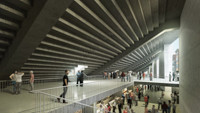
2022 © L35 Arquitectos 
2022 © L35 Arquitectos 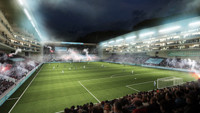
2022 © L35 Arquitectos