 StadiumDB
Stadio Luigi Ferraris
| Capacity | 31 306 |
|---|---|
| Country | Italy |
| City | Genoa |
| Clubs | Genoa CFC, UC Sampdoria |
| Category | Design awaiting implementation |
| Cost | €100 M ($113.6 M) |
| Construction | 2027–2029 |
| Design | Hembert Peñaranda, Officina Architetti |
Advertisement
Stadio Luigi Ferraris – design description
How can the Stadio Luigi Ferraris redevelopment project be summarised?
The final trigger for the redevelopment plans of the iconic Stadio Luigi Ferraris was the ambition to bid for hosting matches of Euro 2032, which will be held in Italy and Turkey.
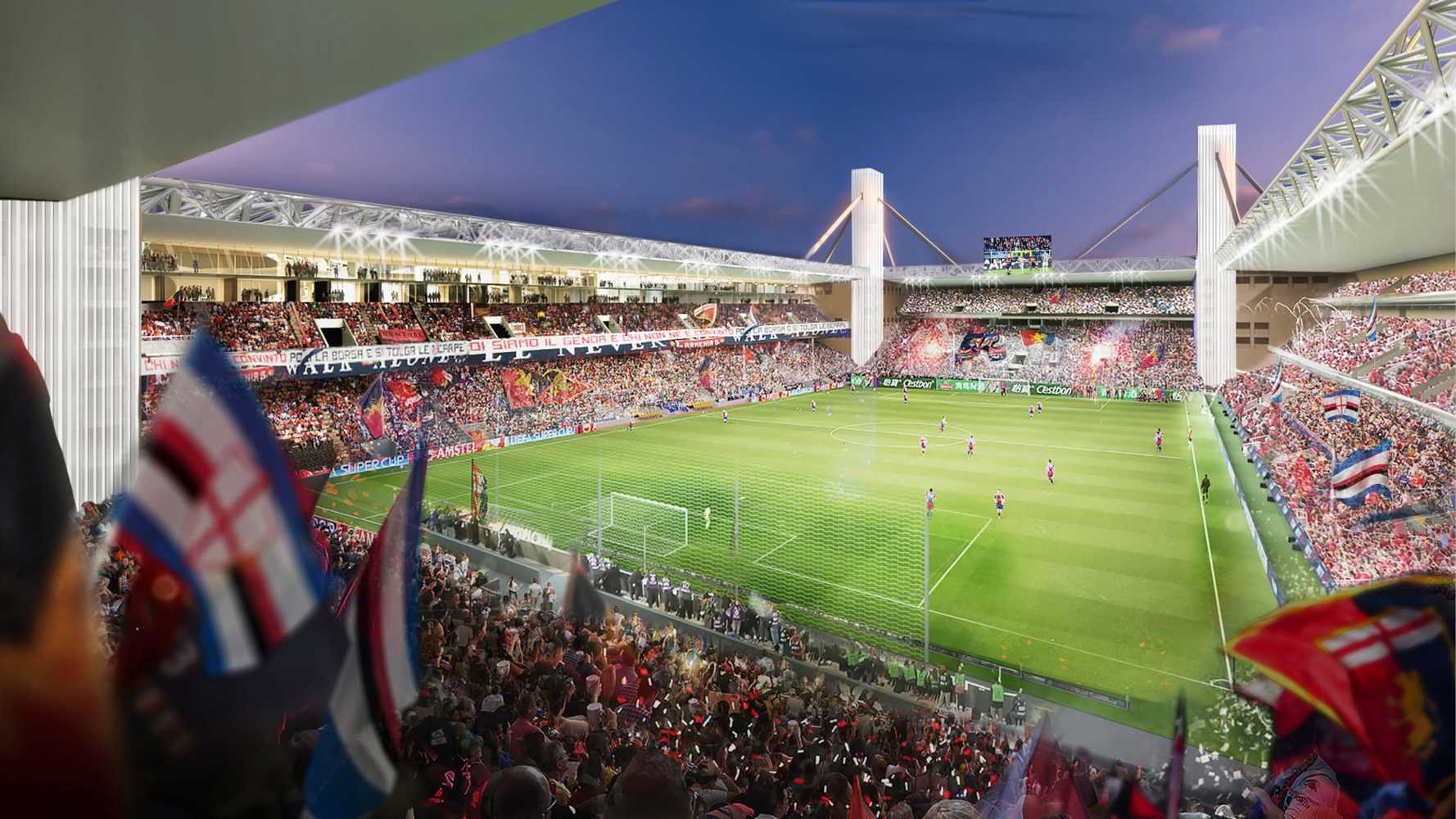
The project does not foresee any radical interventions – the stadium will retain its original silhouette, while the main objective of the modernisation is to upgrade the facility’s standards and expand its business areas.
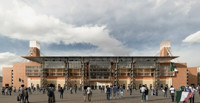
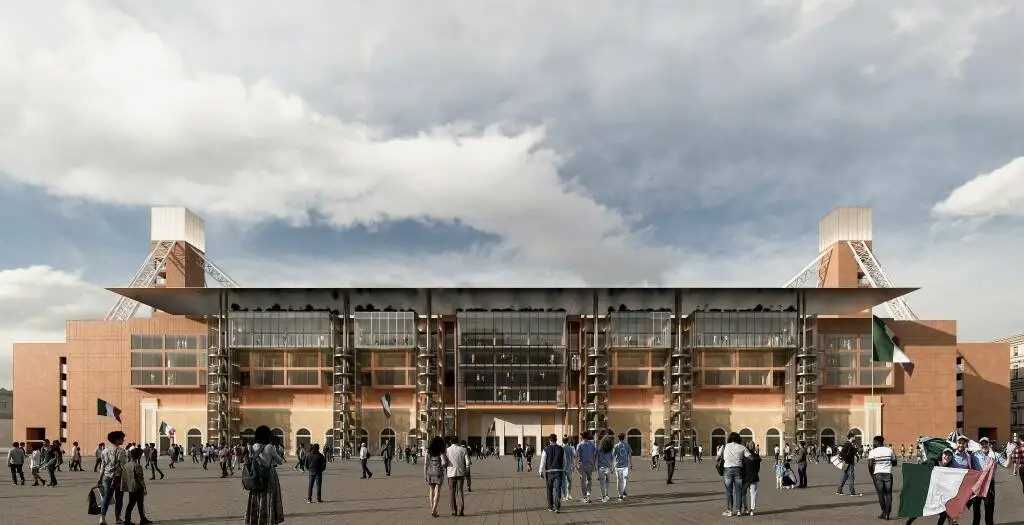
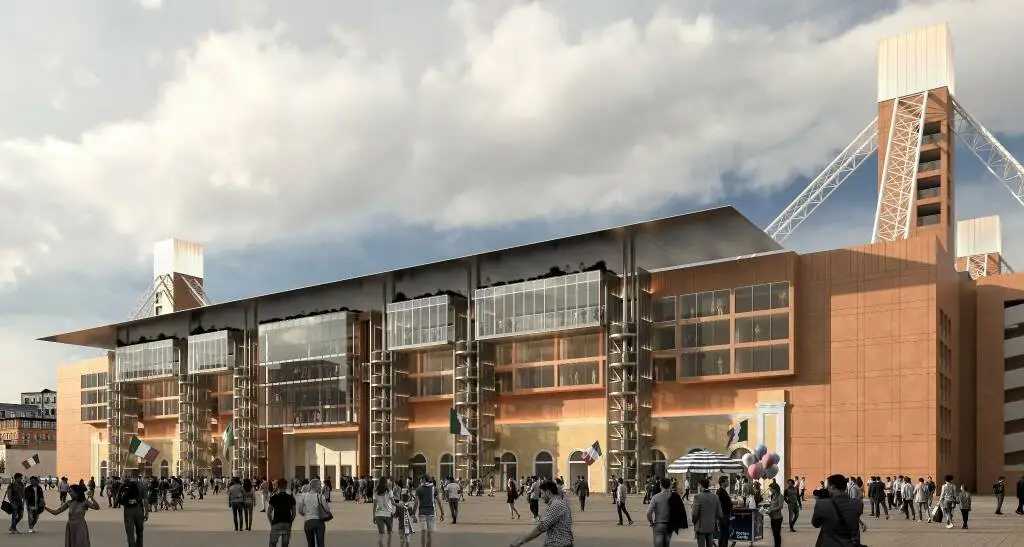
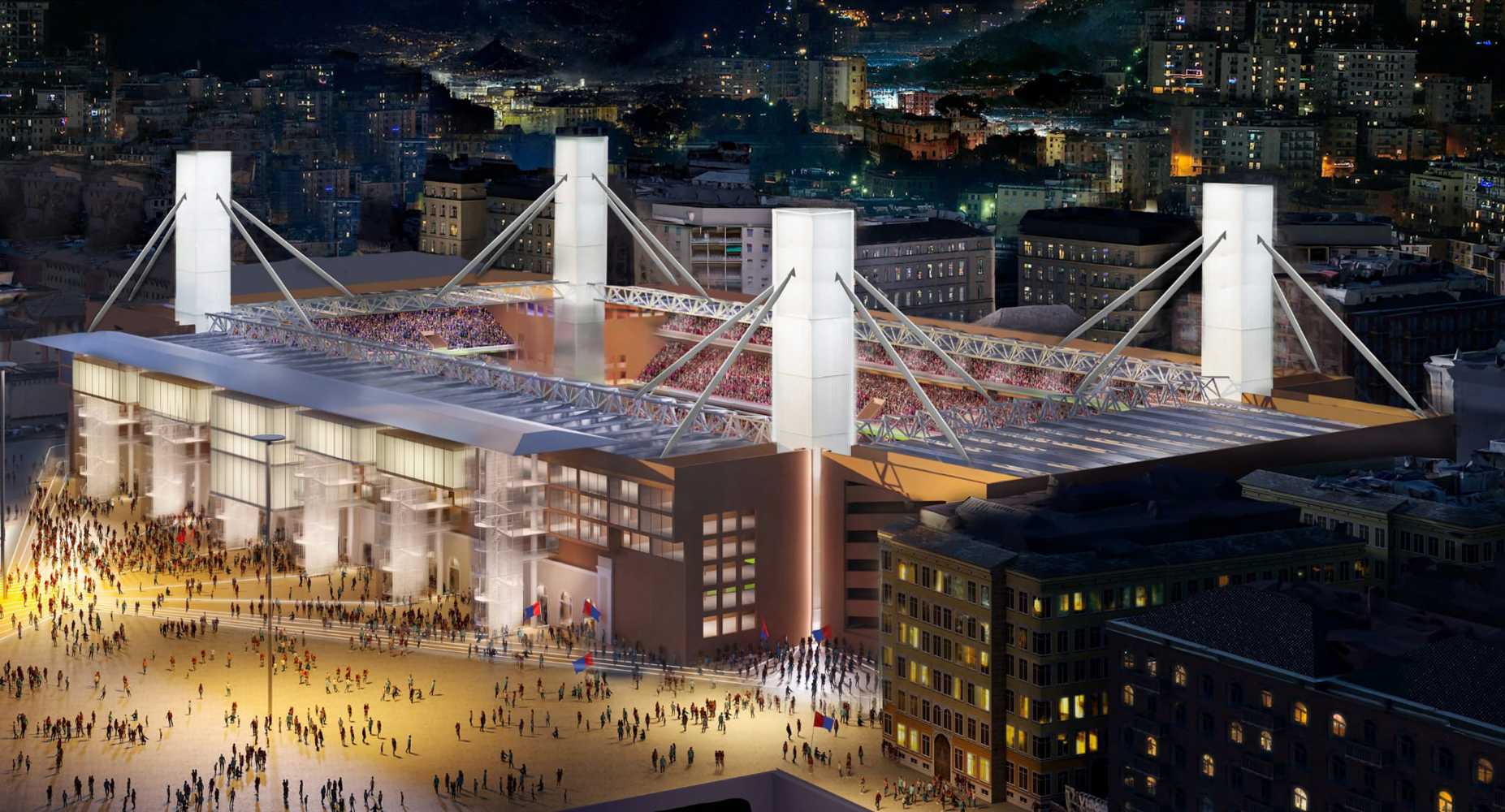
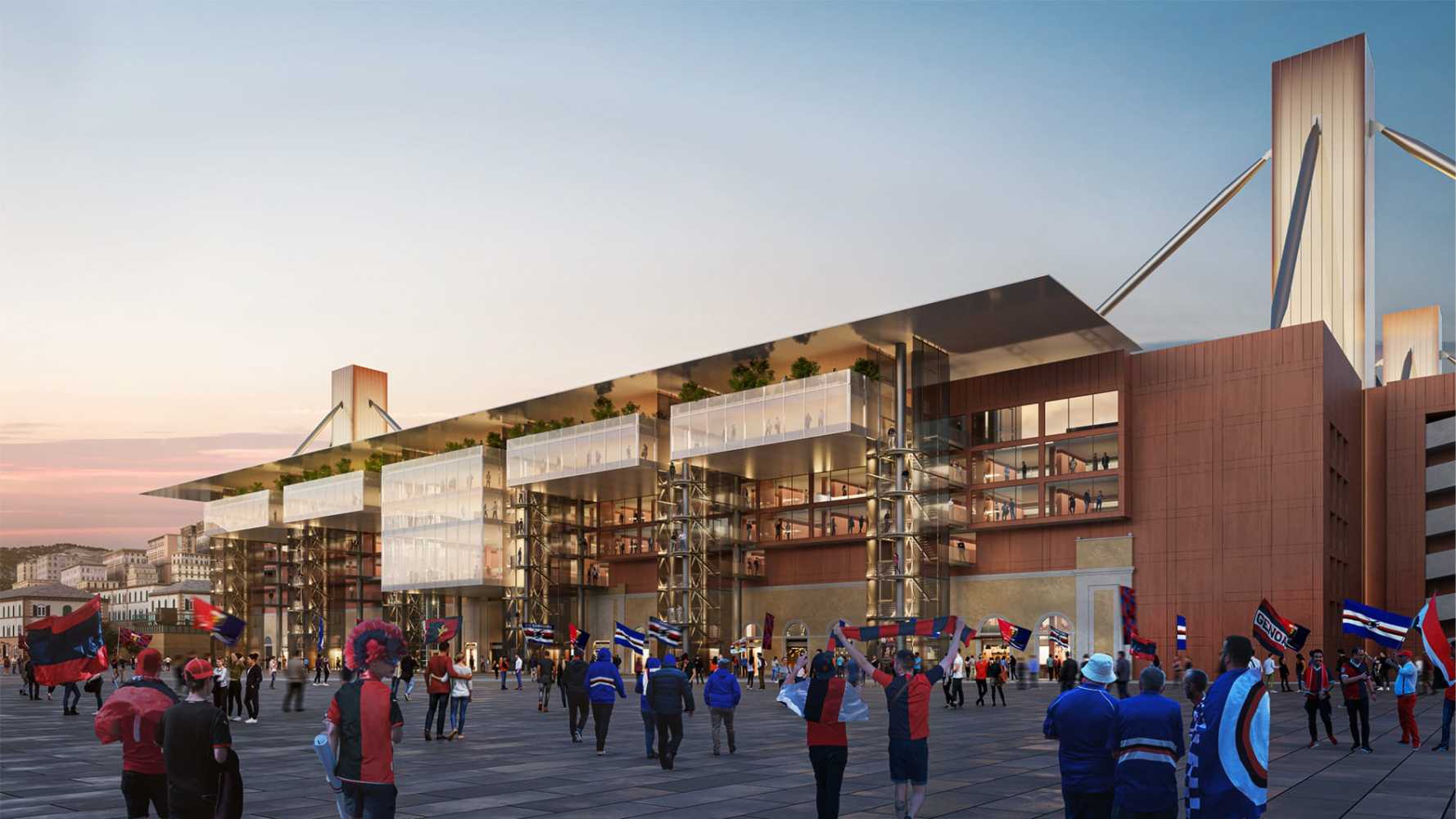
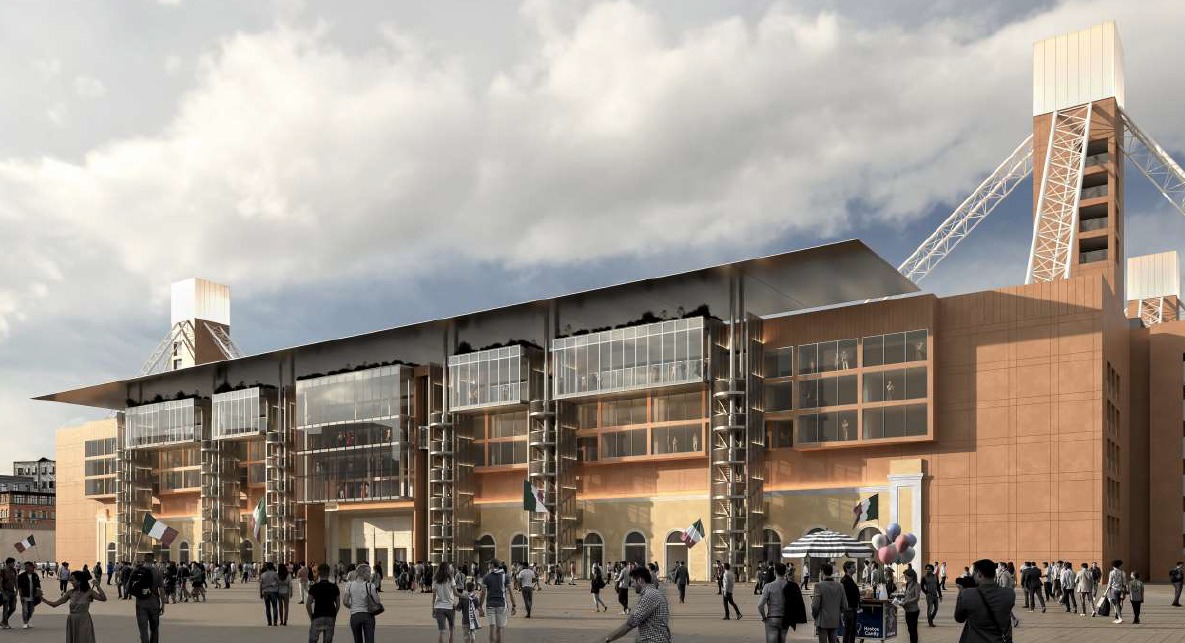
The most visible changes will take place on the facade of the main stand, where new structures will be built, incorporating external staircases and additional glazed spaces.
The reconfiguration of the seating layout will improve spectator comfort and safety, although it will also result in a slight reduction in capacity to 31,603 spectators.
The works are scheduled for 2027–2029, without the need to fully close the stadium. The renovation cost (€100 million) will be covered by the resident clubs – UC Sampdoria and Genoa CFC – which will obtain the stadium under a 99-year lease.
What does Stadio Luigi Ferraris look like?
Stadio Luigi Ferraris was inaugurated in 1911 and is considered the oldest still-operating stadium in Italy. The venue acquired its current form following a complete reconstruction carried out ahead of the 1990 World Cup, designed by Vittorio Gregotti.
The stadium is characterised by its distinctive silhouette, without corner stands but with four characteristic towers. It has a capacity of over 33,000 spectators and is home to two major Genoese clubs, Genoa CFC and UC Sampdoria.
Why was the Stadio Luigi Ferraris redevelopment planned?
The need to modernise the stadium had been discussed for some time, and there were also reports that Sampdoria was considering building its own stadium. The city, which owns the facility, had in turn attempted to privatise it – ideally by transferring it to the clubs – although the clubs were not particularly inclined to take it over.
A breakthrough came in connection with preparations for Euro 2032. In October 2023, after the joint bid by Italy and Turkey was confirmed, the two countries – with no competing bids – were awarded hosting rights for the tournament. In October 2026, the final list of stadiums for the championship is expected to be announced.
How did the first plans for the modernisation of Stadio Luigi Ferraris come about?
Even before Italy was confirmed as co-host of the European Championship, efforts had already begun in Genoa to ensure that Stadio Luigi Ferraris would be included among the tournament venues.
The city entered into cooperation with the clubs, and architect Hembert Peñaranda, founder of Officina Architetti, was commissioned to develop a stadium modernisation concept. The first visualisations and preliminary information about the planned redevelopment appeared in the media at the end of 2023.
In the following months, further preparations continued behind the scenes. In September 2024, it was announced that Genoa CFC and UC Sampdoria would form a company intended to offer the city the purchase of the stadium and subsequently carry out its renovation.
Sampdoria later withdrew from the project due to its own difficulties, while Genoa CFC prepared an offer together with the Oak View Group, which was submitted to the city in October 2024. This proposal included a redevelopment plan for the stadium developed by Officina Architetti; new visualisations were presented at that time, along with further details.
When did the alternative vision for the Stadio Luigi Ferraris redevelopment emerge?
Also in October 2024, the city received an alternative purchase offer from the private company CDS Holding, which also intended to renovate the stadium according to a different concept designed by architect Stefano Boeri.
In January 2025, the clubs reached an agreement with CDS Holding. The parties planned to establish a new company in which CDS Holding would hold 80% of the shares, while Genoa CFC and UC Sampdoria would each hold 10%.
The Boeri concept primarily envisaged changes to the main stand, including a complete transformation of its external appearance and the construction of an original roof with circular openings, extending far beyond the stand’s footprint – covering a large square that was intended to replace the existing parking areas.
The redevelopment project of Stadio Luigi Ferraris by Stefano Boeri can be viewed on a separate subpage
When did the plans for the modernisation of Stadio Luigi Ferraris according to the Hembert Peñaranda project return?
In May 2025, Silvia Salis was elected mayor of Genoa and announced that the city would not sell Stadio Luigi Ferraris. In September 2025, a new plan was presented, according to which the stadium would instead be leased to the clubs for a period of 99 years.
As a result, the cooperation scheme with CDS Holding, which envisaged the purchase of the stadium for €14.5 million, collapsed. Responsibility for the lease and redevelopment of the stadium was once again assigned to Genova Stadium, a company established by the two clubs. At the same time, cooperation resumed with the author of the original architectural concept, Hembert Peñaranda.
In February 2026, the city of Genoa recognised the redevelopment project of Stadio Luigi Ferraris as being in the public interest.
On 8 April 2026, during a meeting of the city council committee at Palazzo Tursi, an updated version of the stadium modernisation concept was presented, prepared by Peñaranda (Officina Architetti) based on the earlier 2024 proposal.
What does the Stadio Luigi Ferraris redevelopment project include?
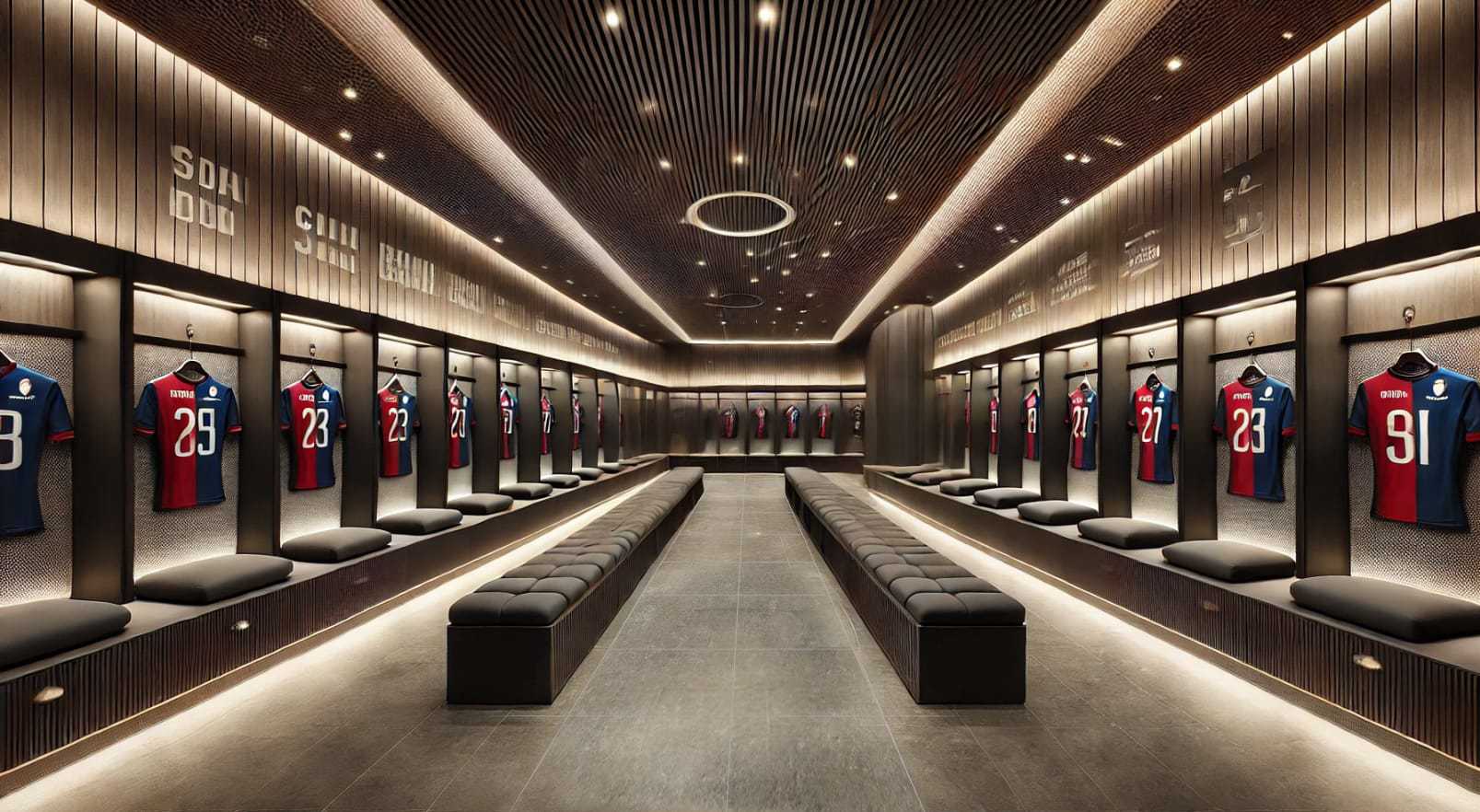
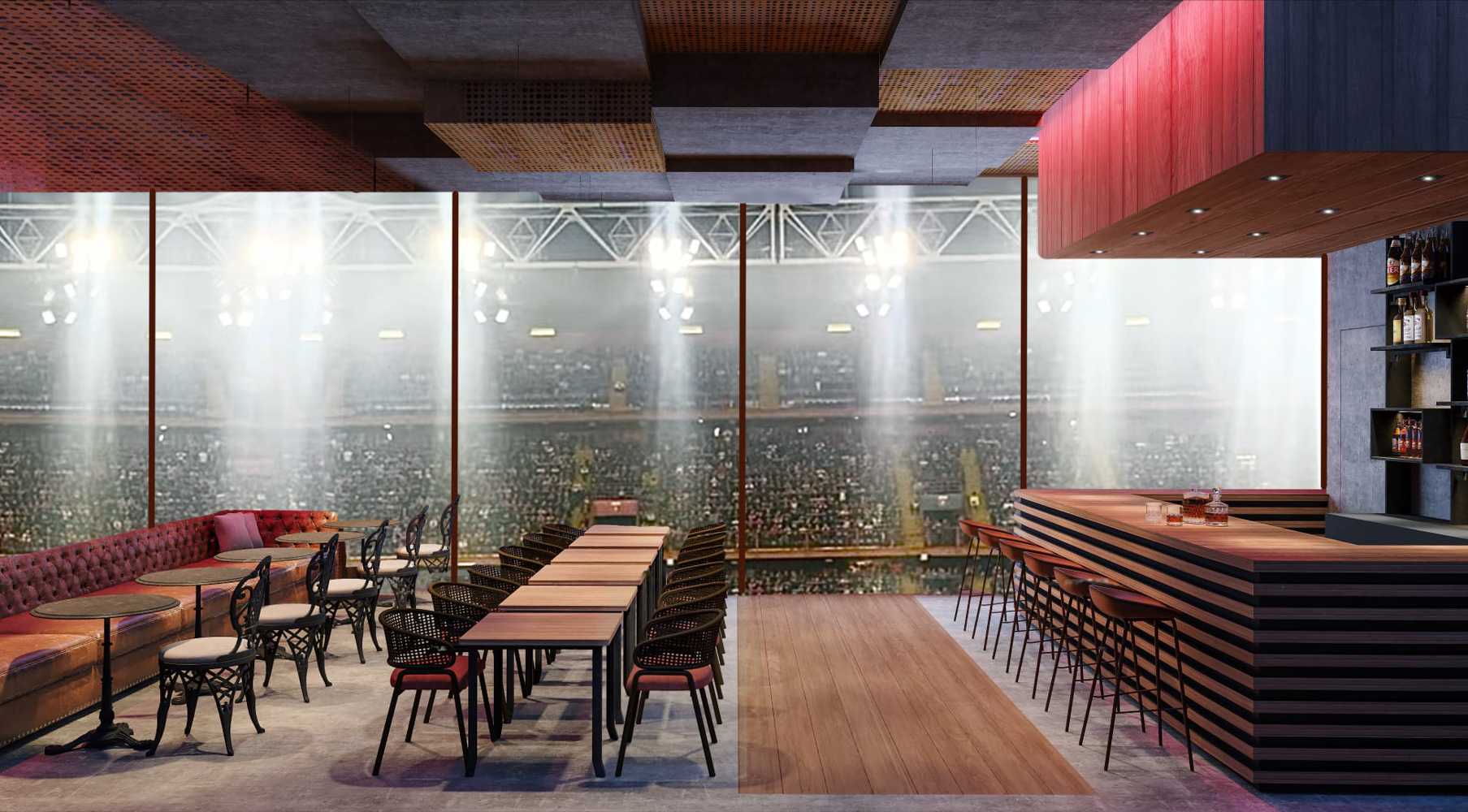
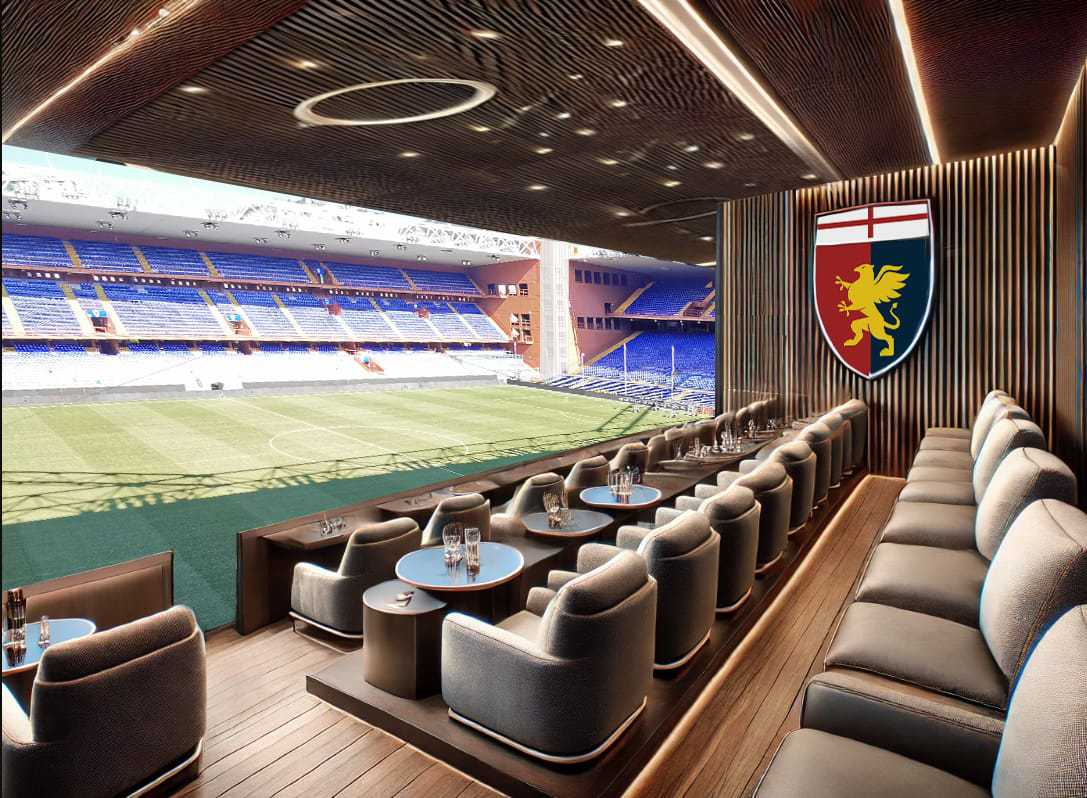
The most significant changes within the redevelopment will affect the main stand, where additional structures are planned along its facade. These will house external staircases and glazed spaces, increasing the area dedicated to business and hospitality functions.
The additional structures will be made of steel elements, without the use of concrete. The superstructure will significantly alter the external appearance of the main stand, while to some extent obscuring the preserved lower section of the historic facade, which was retained during the stadium’s last reconstruction.
Internally, a reconfiguration of the seating layout is planned, aimed at eliminating obstructed-view seats and improving spectator comfort and safety. These changes will result in a slight reduction in capacity to 31,603 spectators.
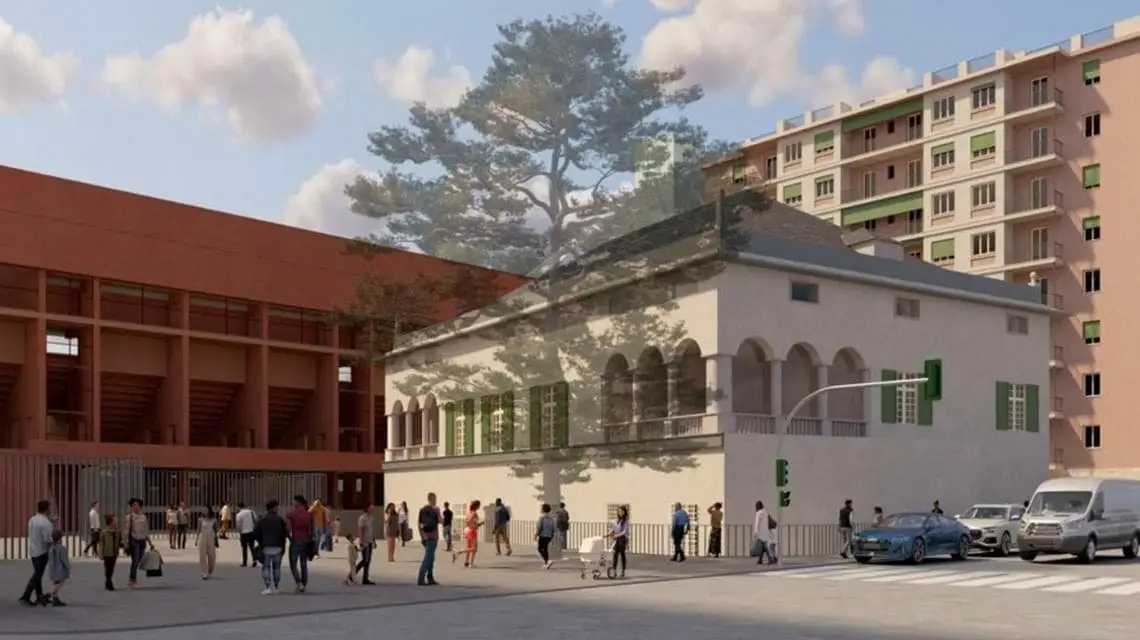
An integral part of the plan is the renovation of Villa Piantelli, a historic residence located in the immediate vicinity of the north-eastern stand. After refurbishment, the villa is expected to serve additional functions supporting the operation of the stadium.
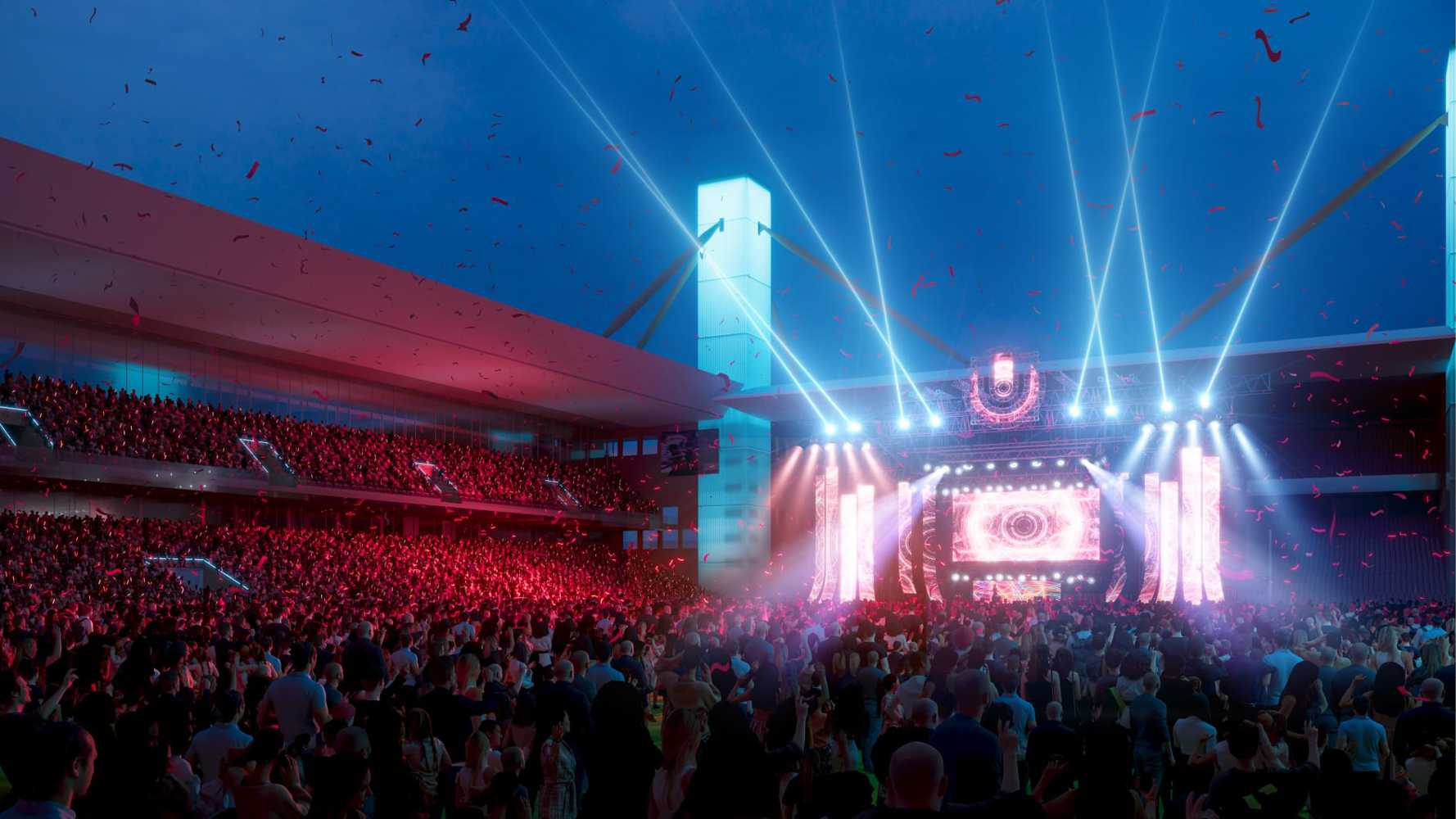
The project does not foresee any radical changes. The modernisation aims to upgrade the stadium’s standards and commercial potential, extend its lifespan, and better prepare it for the possible hosting of Euro 2032 matches and other major events.
When will the Stadio Luigi Ferraris modernisation take place?
The modernisation is scheduled to begin in January 2027. The works will be carried out in phases, without closing Stadio Luigi Ferraris to the public, and are expected to be completed in December 2029.
The investment is estimated at around €100 million and will be financed by the clubs – UC Sampdoria and Genoa CFC – which will, in return, obtain a 99-year lease of the stadium, including a 50-year rent-free period.
Advertisement
Renderings
2026 © Officina Architetti 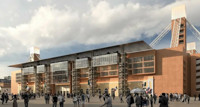
2026 © Officina Architetti 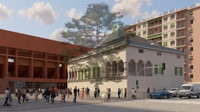
2026 © Officina Architetti 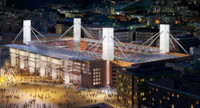
2024 © Officina Architetti 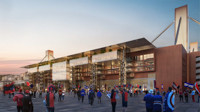
2024 © Officina Architetti 
2024 © Officina Architetti 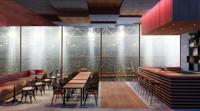
2024 © Officina Architetti 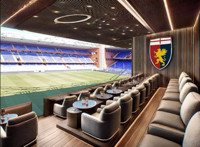
2024 © Officina Architetti 
2024 © Officina Architetti 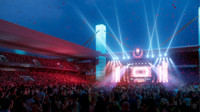
2024 © Officina Architetti
2024:
Related news
2026
-
Italy: Euro 2032 closer to Genoa. Clubs present their plans in Rome
Genoa and Sampdoria have presented in Rome their plan to modernise Stadio Luigi Ferraris as Genoa pushes for Euro 2032. The €100 million project would redevelop the stadium without fully closing it, but transport issues and the lack of a complete financing plan remain major weaknesses of the bid.
-
Italy: Commercialisation, reduced capacity and conflict surrounding Stadio Luigi Ferraris
The redevelopment of Stadio Luigi Ferraris is entering a decisive phase — the project aims to modernize the stadium and prepare it for Euro 2032, but it is already sparking strong controversy. Reduced capacity, increasing commercialization, and a lack of dialogue with fans are turning the investment into a source of division in Genoa.