 StadiumDB
Brisbane Stadium
| Capacity | 63 000 |
|---|---|
| Country | Australia |
| City | Brisbane |
| Clubs | Lions, Heat, Bulls |
| Category | Design awaiting implementation |
| Cost | A$3.785 B ($2.39 B) |
| Construction | 2027–2031 |
| Design | COX Architecture, Hassell |
Advertisement
Brisbane Stadium – design description
How does the Brisbane Stadium project look in brief?
The debate over the main venue for the 2032 Olympic Games in Brisbane was long, and ideas often changed. The Games were meant to be “low-cost,” but at one point the plans were far too modest, hardly befitting the world’s most important sporting event. In contrast, there were also proposals for an extravagant stadium with a highly abstract form.
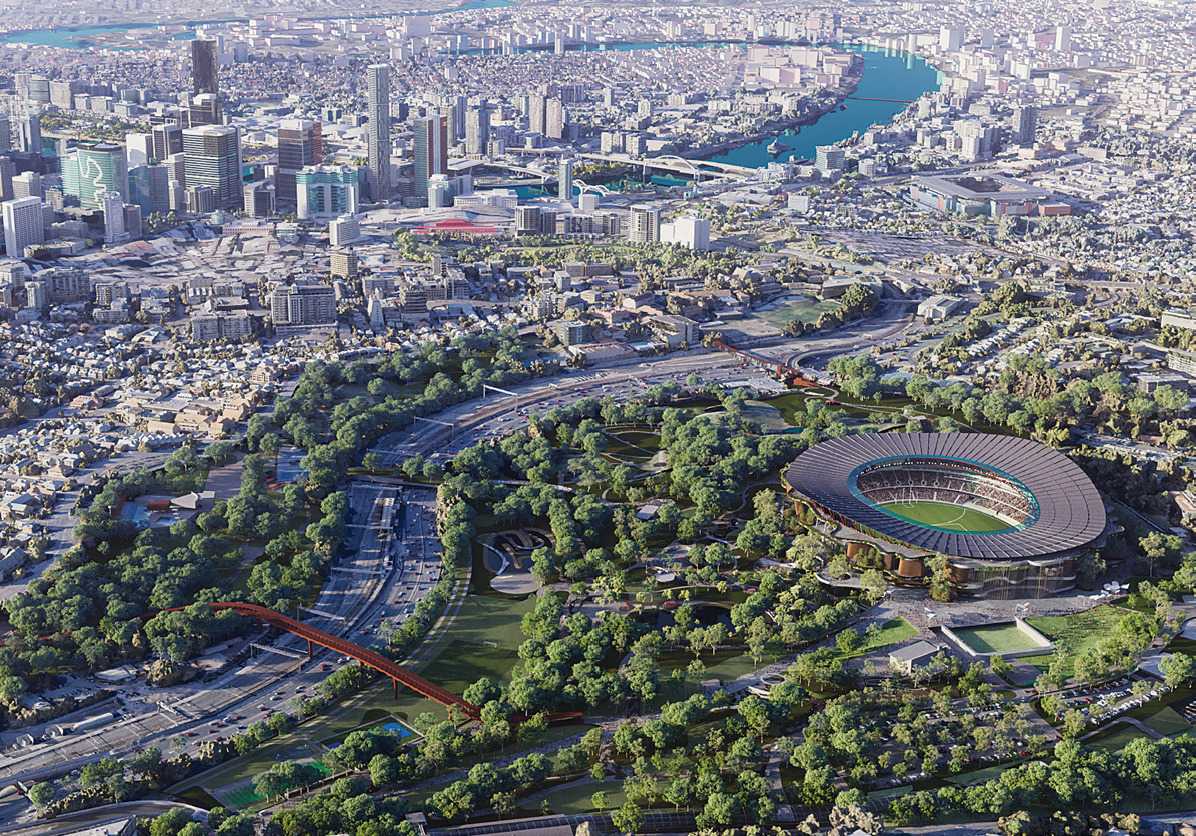
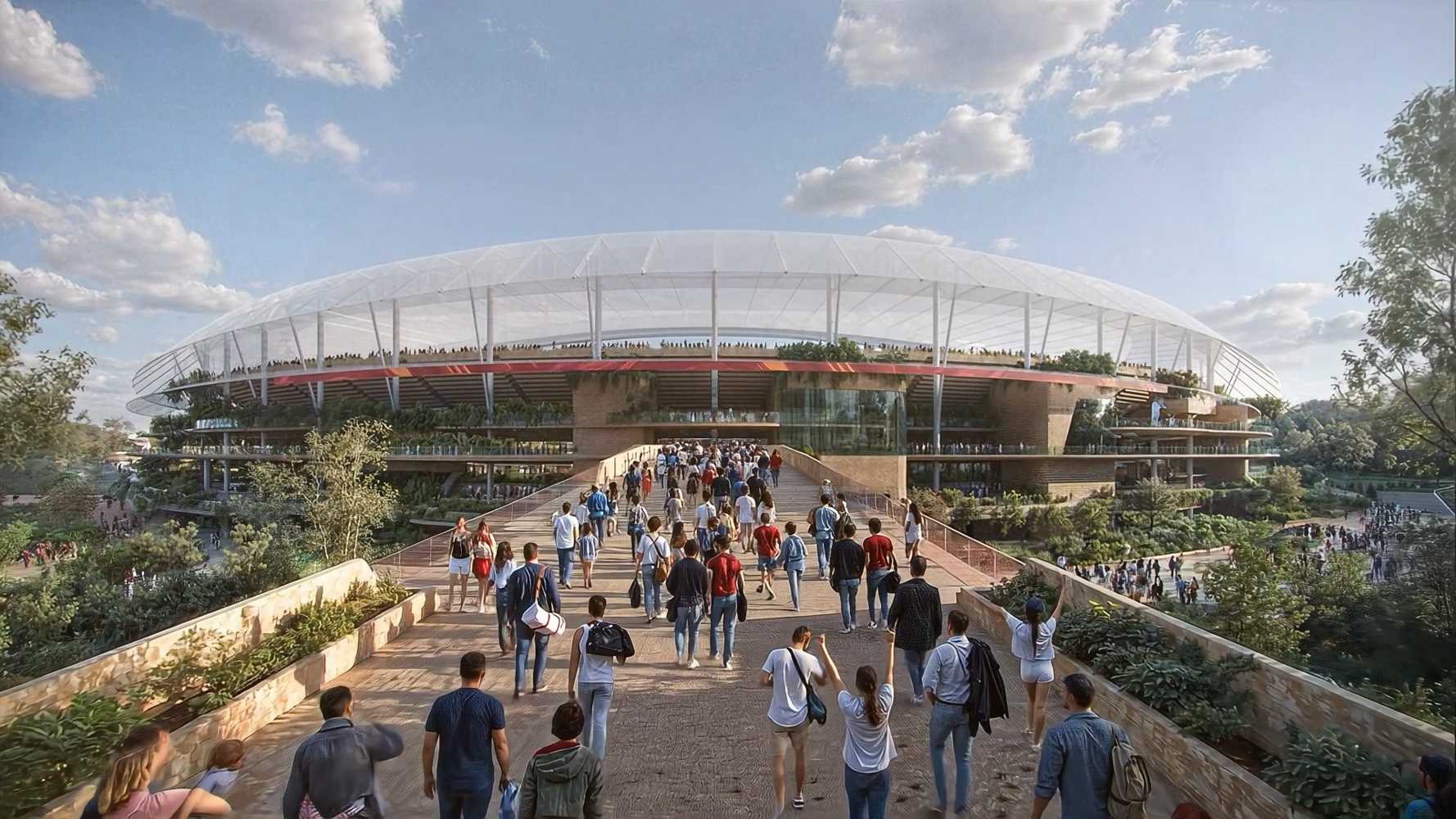
The final plan is rather a compromise. The stadium will be built from scratch in Victoria Park, near central Brisbane, and will have a capacity of 63,000 spectators. One of its most distinctive features will be the balconies surrounding the stadium, inspired by the verandas of traditional Queenslander houses.
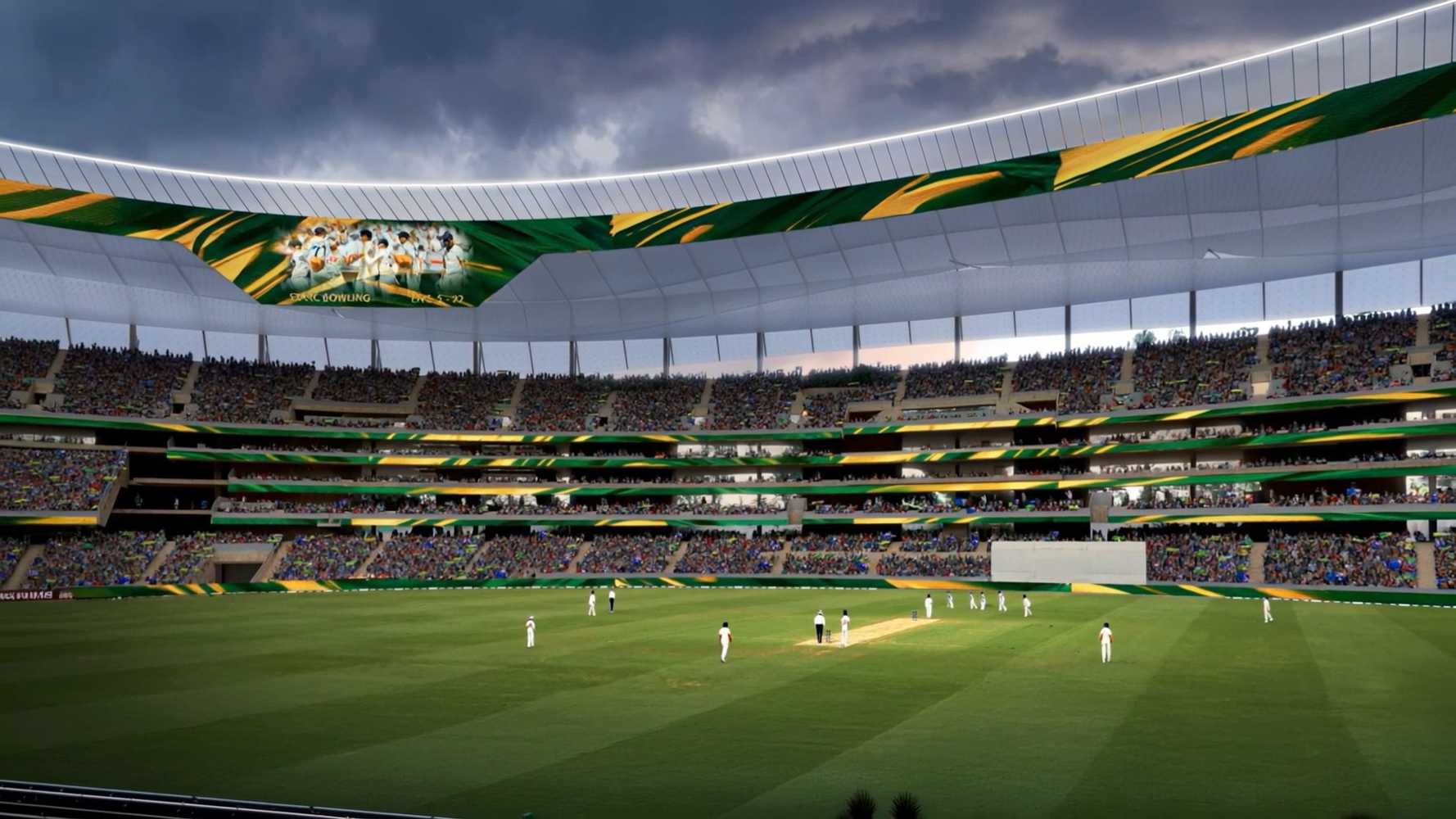
Instead of a conventional football-and-athletics stadium, the venue will have a more oval shape, suited to the popular sports of Australian rules football and cricket. This design ensures the stadium will remain in use after the Games, taking over the role of the aging The Gabba. The project is being led by a team of renowned architectural firms from Australia and around the world.
How were the plans for the new Brisbane Stadium developed?
What were the first ideas for the Olympic stadium in Brisbane?
After Brisbane was awarded the 2032 Olympic Games in 2021, the issue of the stadium to serve as the main venue arose. Initially, a redevelopment of The Gabba was planned, and later there were proposals to build a new venue at Victoria Park.
In March 2024, these ideas were rejected. The new plan proposed holding the opening and closing ceremonies at Suncorp Stadium, with athletics competitions taking place at the redeveloped Queensland Sport and Athletics Centre.
However, these plans were extremely modest (the athletics stadium would have accommodated just 40,000 spectators), and as an alternative, a privately initiated, ambitious vision emerged for a spectacular new Olympic stadium at Northshore Hamilton.
How was the final design of Brisbane Olympic Stadium developed?
After the state elections in October 2024, newly elected Queensland Premier David Crisafulli ordered a 100-day audit to settle the issue of the Olympic stadium. The audit resulted in the so-called “2032 Delivery Plan,” which was announced on March 25, 2025. The document outlined not only the main stadium but also the other venues where Olympic competitions are to take place.
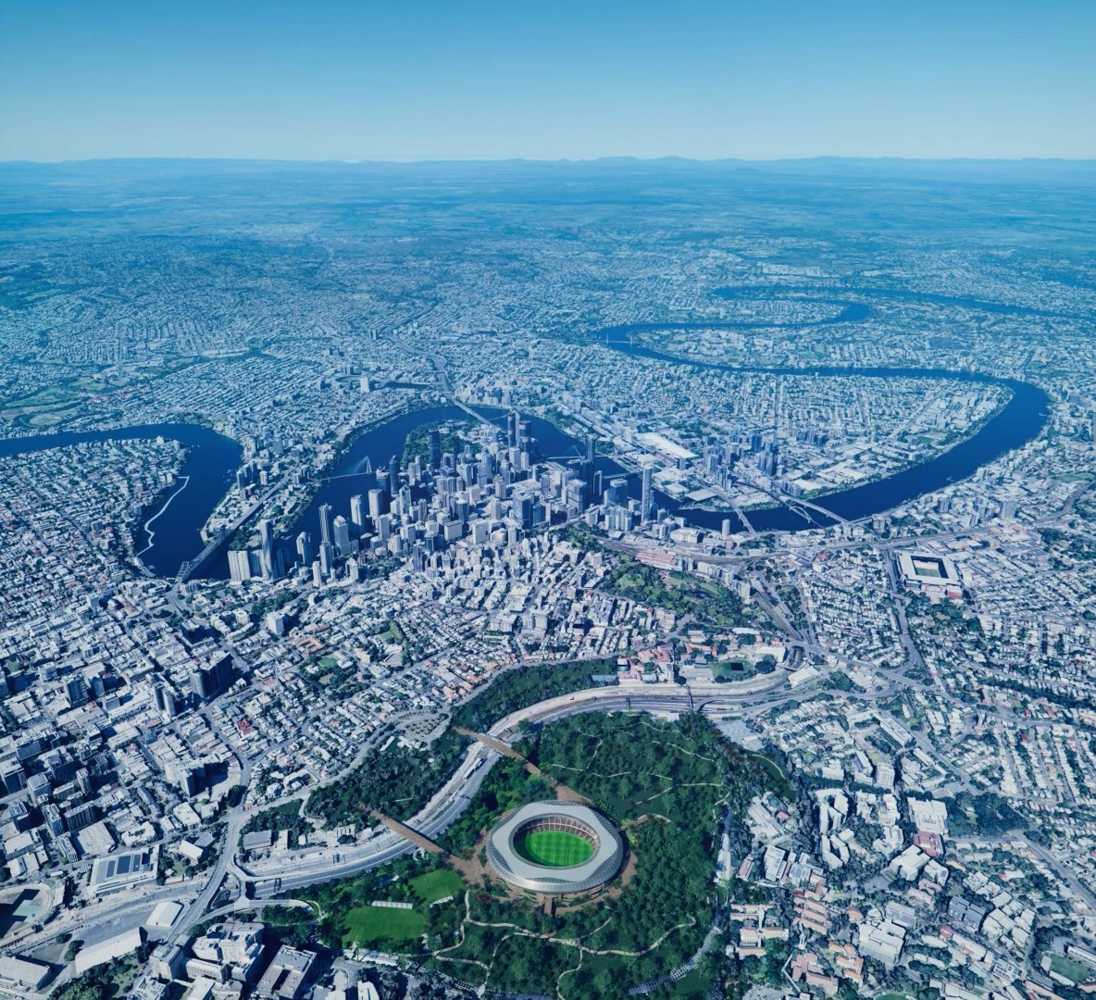
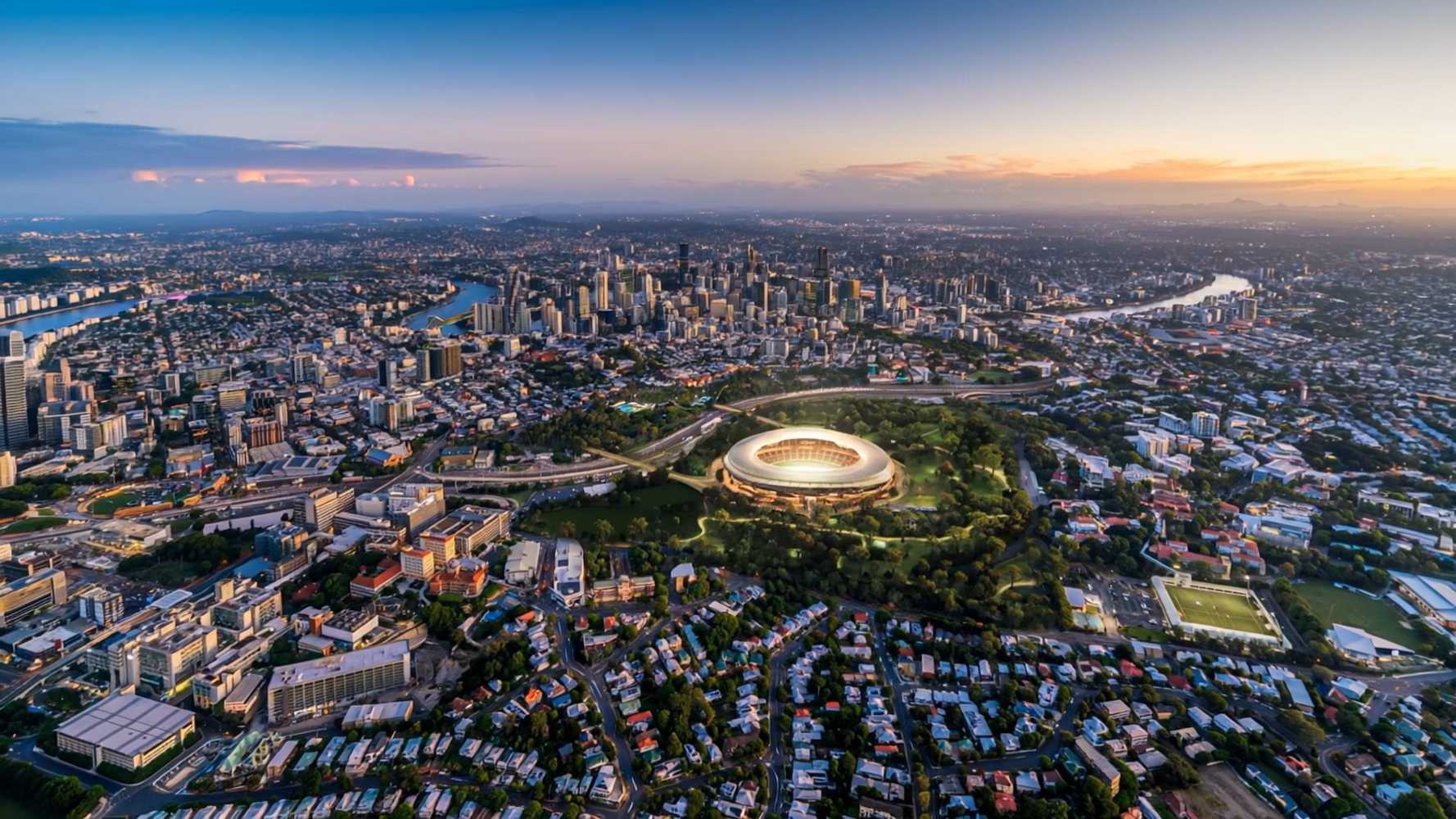
According to the new plan, the main Olympic venue will be built in Victoria Park, where its construction had previously been considered. The plan also included a preliminary visualization and key design guidelines.
Investments in sports venues for the Games, covering a total of 17 arenas—either redeveloped or built from scratch—will be jointly funded by the federal government and the Queensland state government. The Games Independent Infrastructure and Coordination Authority (GIICA) is responsible for their implementation.
When was the final concept for Brisbane Olympic Stadium selected?
In September 2025, GIICA launched a design competition for the new stadium, inviting firms from around the world. At the same time, Arup was commissioned to prepare the masterplan.
After a three-month selection process, the winners of the Olympic stadium design competition were announced on January 5, 2026. The winning team consisted of the renowned Australian firms COX Architecture and Hassell, in collaboration with the Japanese firm Azusa Sekkei and engineers from Arup and sbp.
Alongside the announcement of the competition winners, new visualizations were released, presenting the design concept developed by the project team.
What does the Brisbane Stadium project include?
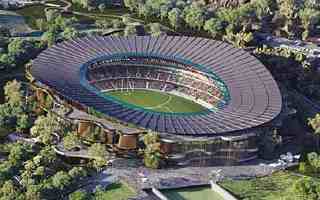
The new venue will have an oval shape, optimized for Australian rules football and cricket. This design will also allow for the installation of an athletics track during the Games. The covered stands will have a capacity of 63,000 spectators.
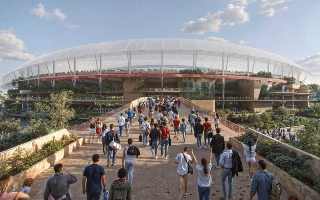
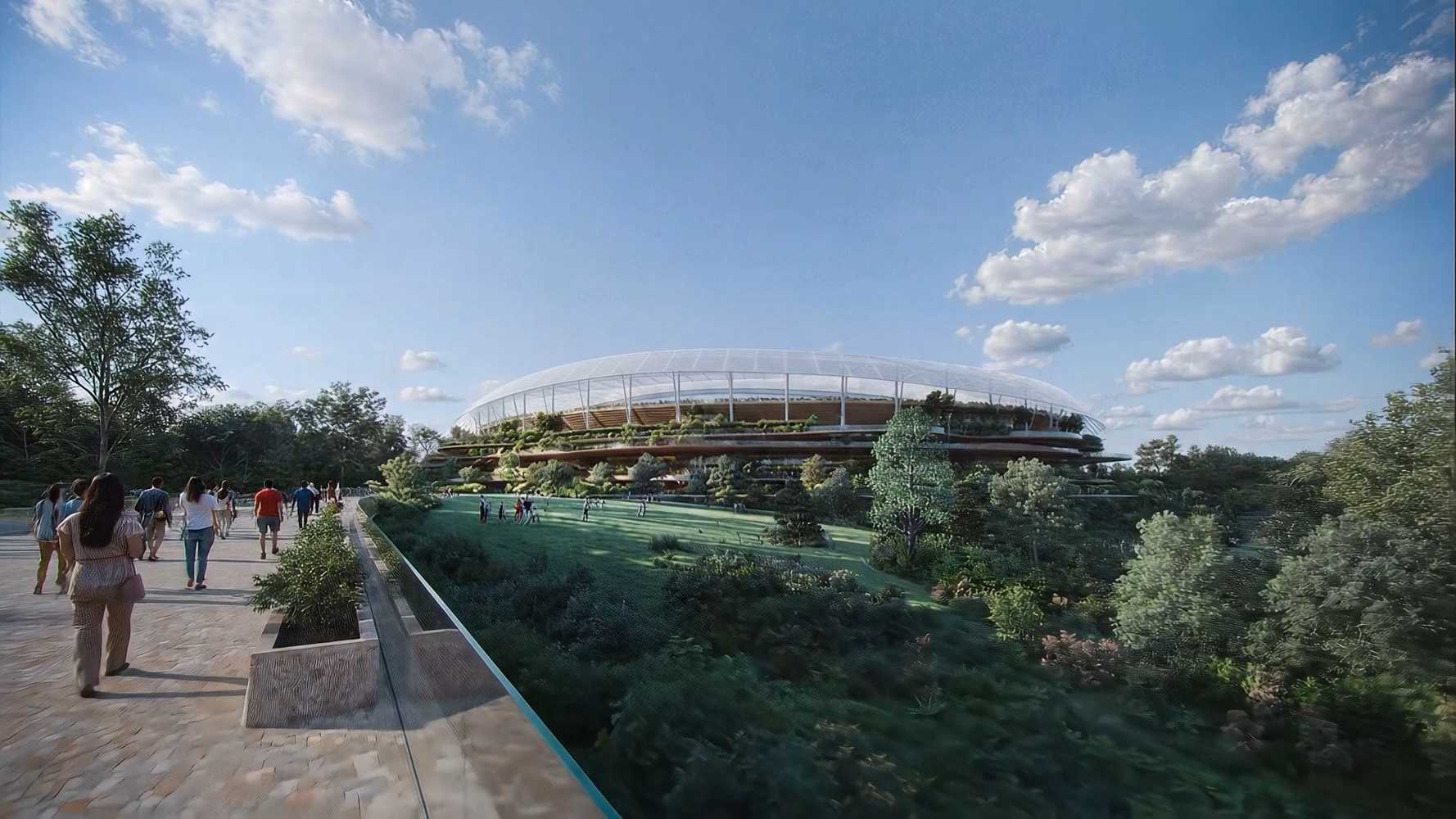
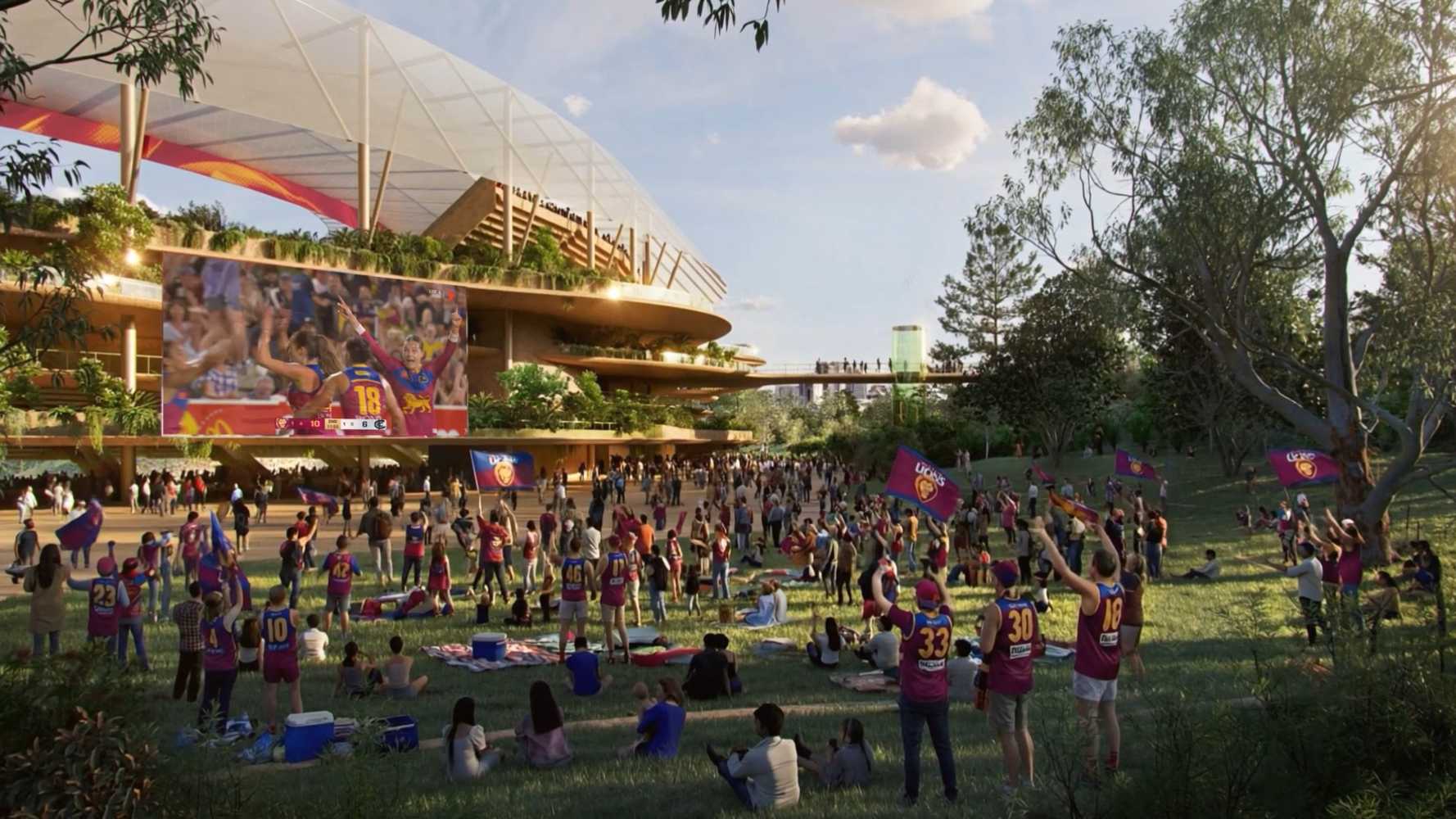
The design is inspired by the architecture of traditional Queenslander houses, known for their expansive verandas. This motif will be reflected in the stadium’s surrounding balconies, which feature irregular, sinusoidal geometry and will be enhanced with lush greenery.
What role will Brisbane Stadium play?
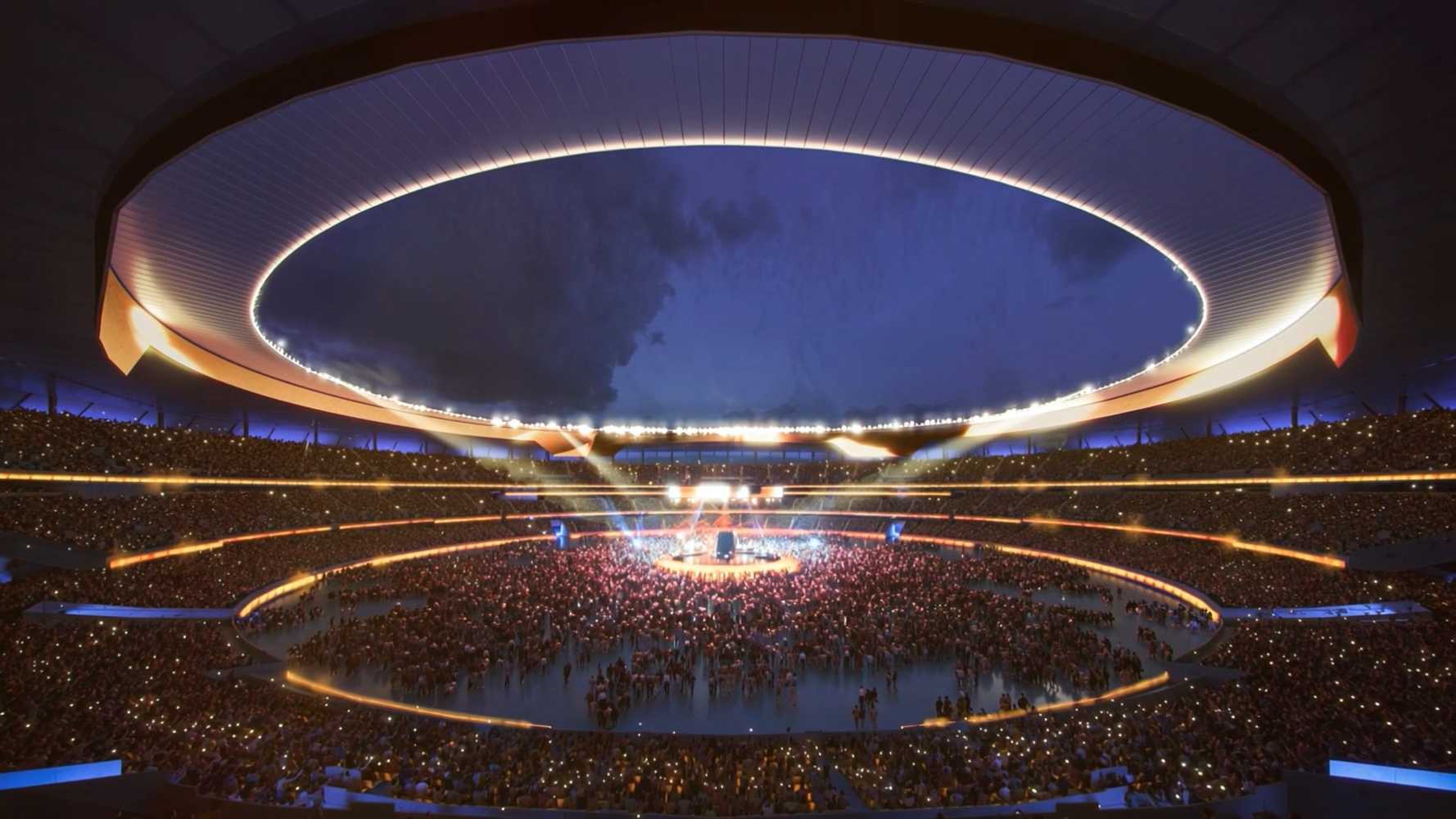
The 2032 Olympic Games are the driving force behind the construction of the new stadium. During the Games, Brisbane Stadium will serve as the main venue, hosting the opening and closing ceremonies as well as athletics competitions. Immediately after the event, the stadium will also be used for the Paralympic Games.
After the Olympics, the stadium is set to become Brisbane’s premier venue for Australian rules football and cricket, taking over from the aging The Gabba, which will be dismantled.
The teams that currently play at The Gabba – the Brisbane Lions, Brisbane Heat, and Queensland Bulls – will relocate to the new stadium. It will also become a new venue for matches in the prestigious cricket tournament, The Ashes.
Where will Brisbane Stadium be located?
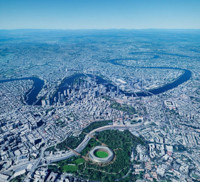
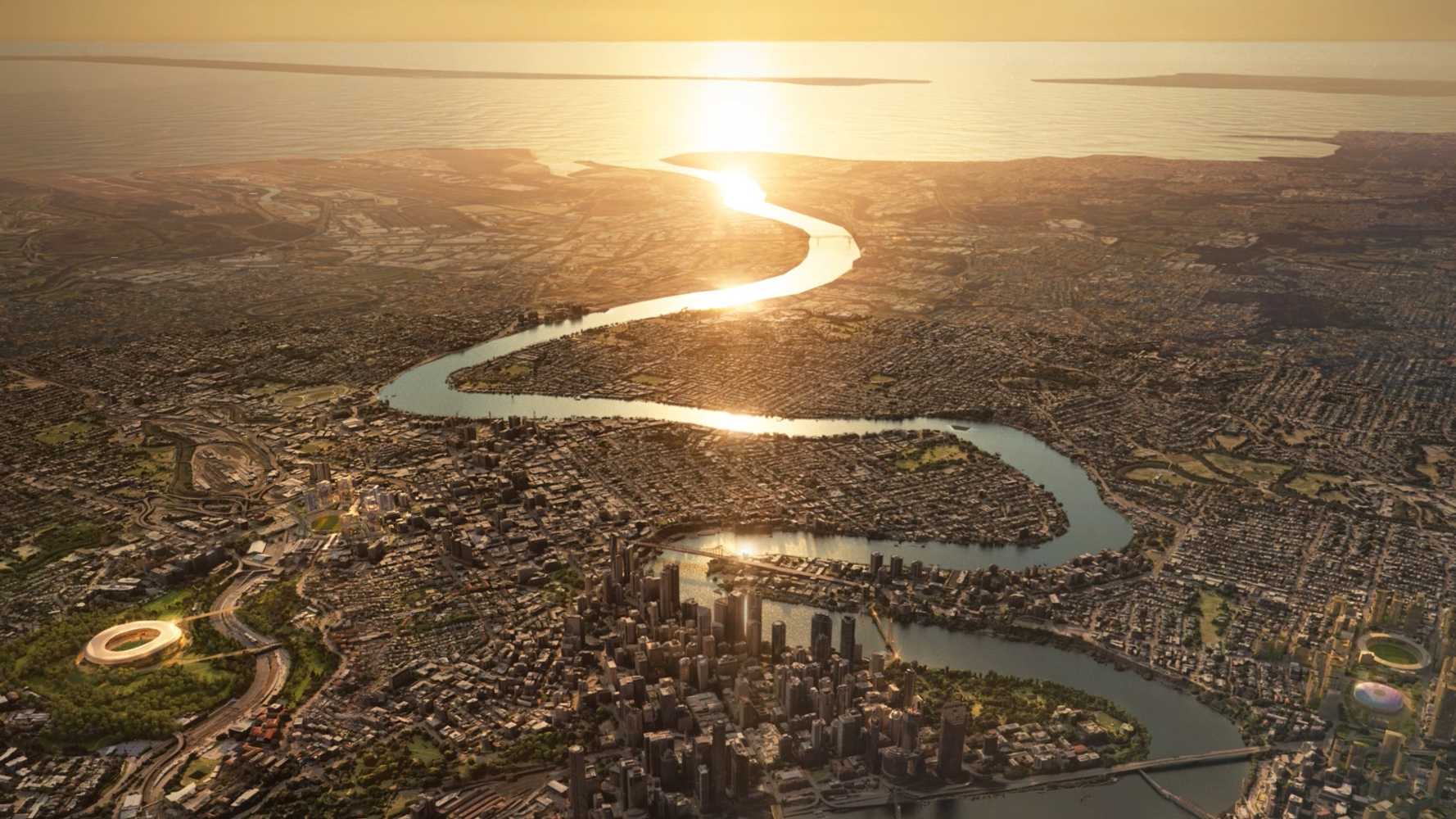
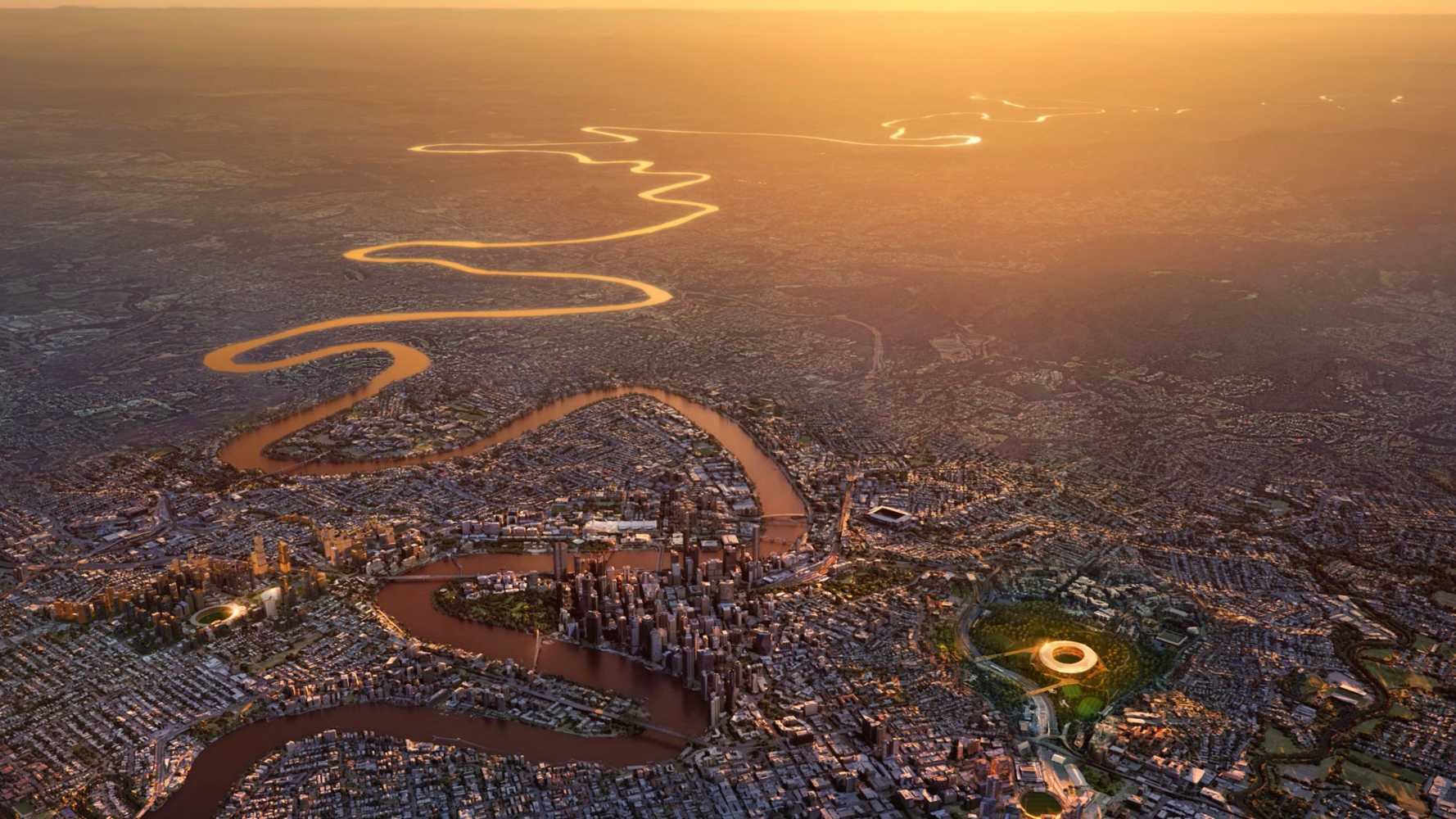
Brisbane Stadium is set to be built in Victoria Park, 2 km north of Brisbane’s central business district. The park was established in 2021, following the closure of a golf course that previously occupied the site. Nearby, a National Aquatic Centre is also planned for the Games.
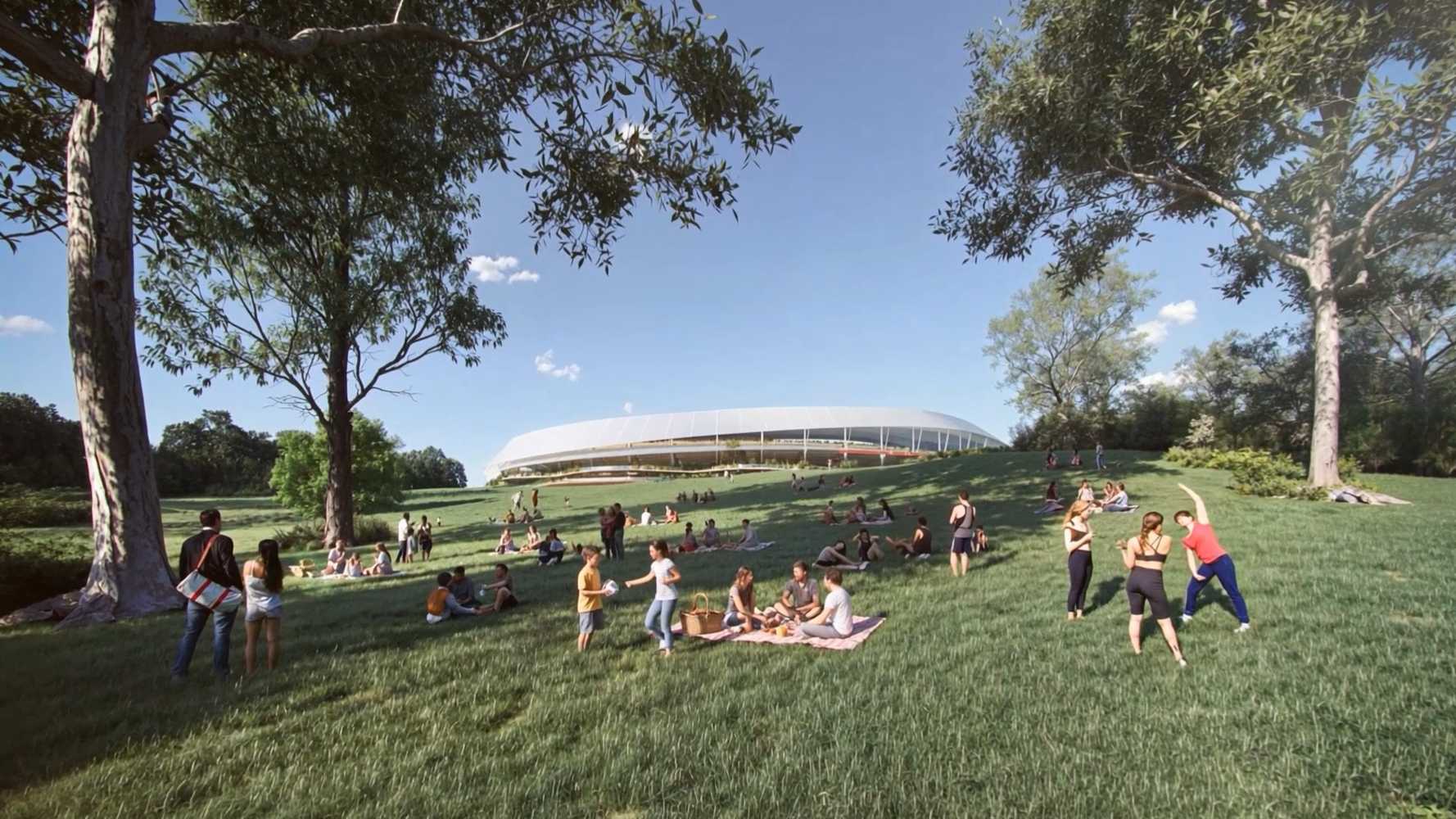
The location has been somewhat controversial – opponents point out that the construction would mean the loss of one of the few green spaces near the city center. Victoria Park also has cultural significance, as it has long been a site for gatherings and rituals of the local Indigenous community.
When will Brisbane Stadium be completed?
Geotechnical surveys began in October 2025. Earthworks are scheduled to start in 2026, with main construction expected to commence in early 2027. The stadium is projected to be completed by 2031. Preliminary estimates place the construction cost at AUD 3.785 billion.
Advertisement
Renderings
-
2026 © COX Architecture, Hassell 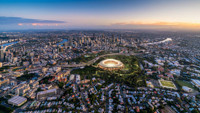
2026 © COX Architecture, Hassell 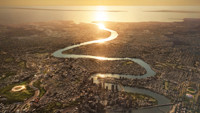
2026 © COX Architecture, Hassell 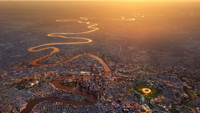
2026 © COX Architecture, Hassell 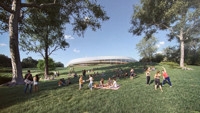
2026 © COX Architecture, Hassell 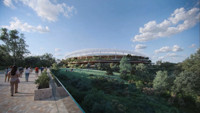
2026 © COX Architecture, Hassell 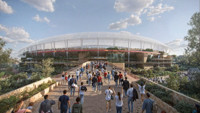
2026 © COX Architecture, Hassell 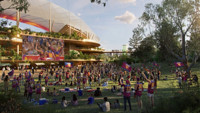
2026 © COX Architecture, Hassell 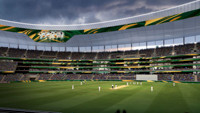
2026 © COX Architecture, Hassell 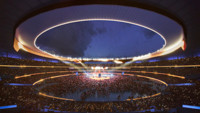
2026 © COX Architecture, Hassell 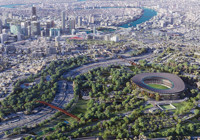
2025 © Queensland Government
2025: