 StadiumDB
De Kuip
| Capacity | 56 000 |
|---|---|
| Country | Netherlands |
| City | Rotterdam |
| Clubs | Feyenoord Rotterdam |
| Category | Design awaiting implementation |
| Cost | €355.5 M ($411.2 M) |
| Construction | 2027–2029 |
| Design | Team de Kuip |
Advertisement
De Kuip – design description
How does the De Kuip renovation project look in brief?
The saga surrounding the construction of a new arena for Feyenoord or the renovation of the legendary De Kuip has been ongoing since the early 2000s. During this time, at least a dozen different designs were developed, none of which were ever realized, and in 2022 the club announced a halt to all works.
In response, a grassroots initiative called Team de Kuip emerged among Feyenoord enthusiasts, led by renowned architect Nanne de Ru. After three years of preparations, the group presented its own renovation project for De Kuip, designed to be ambitious yet realistically achievable.
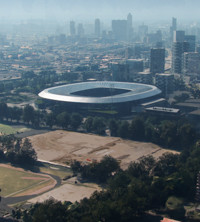
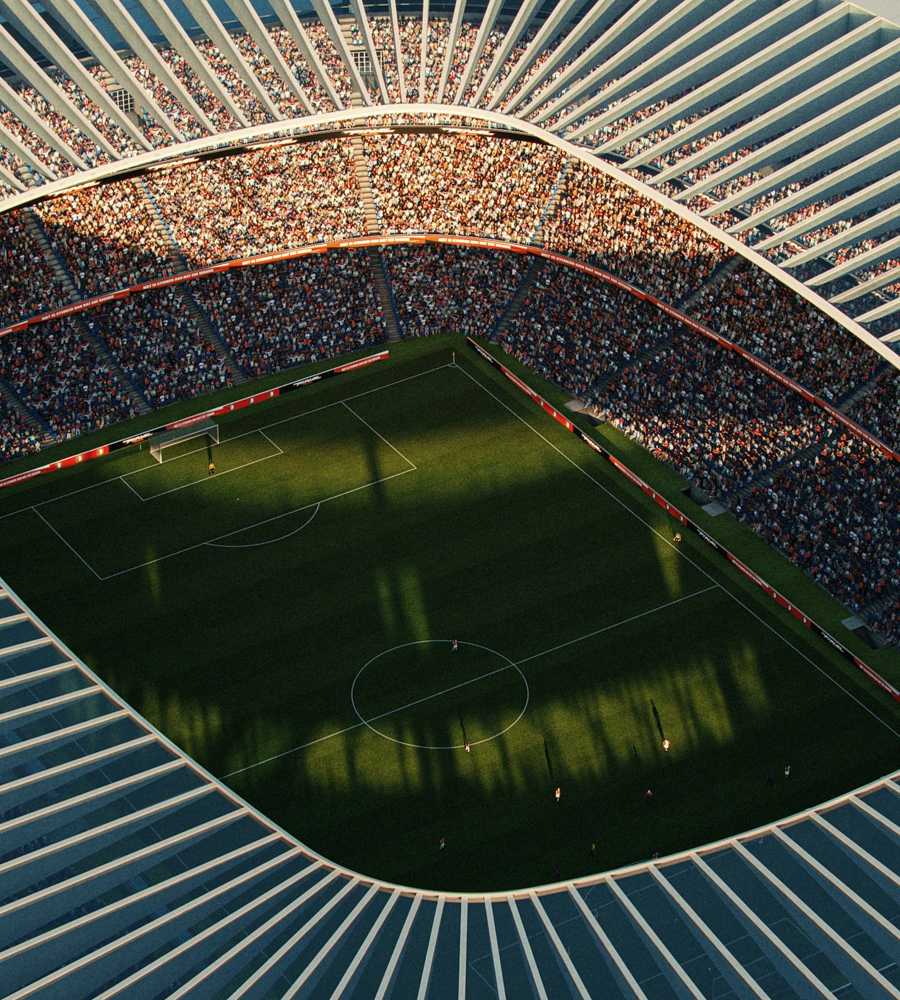
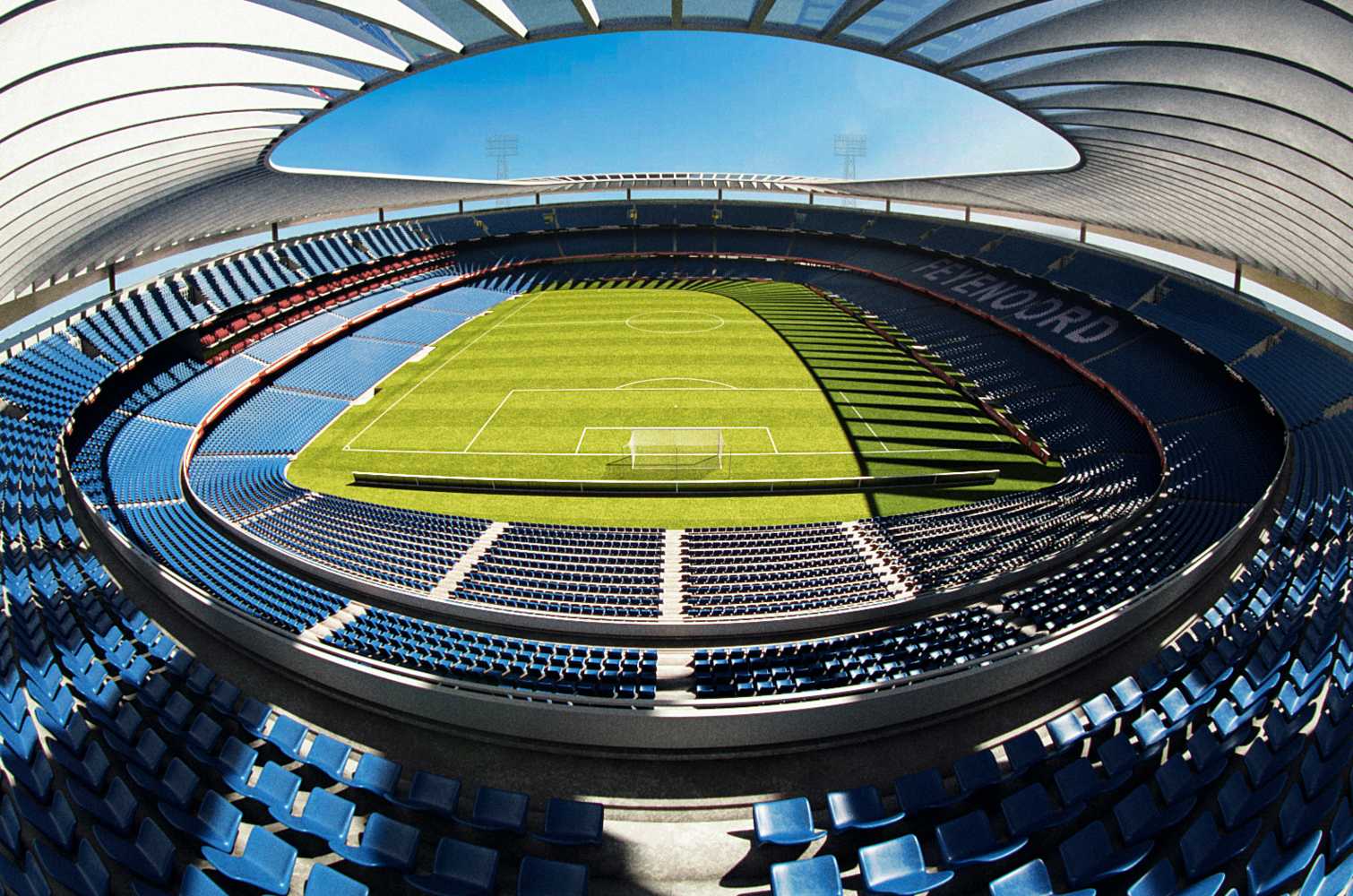
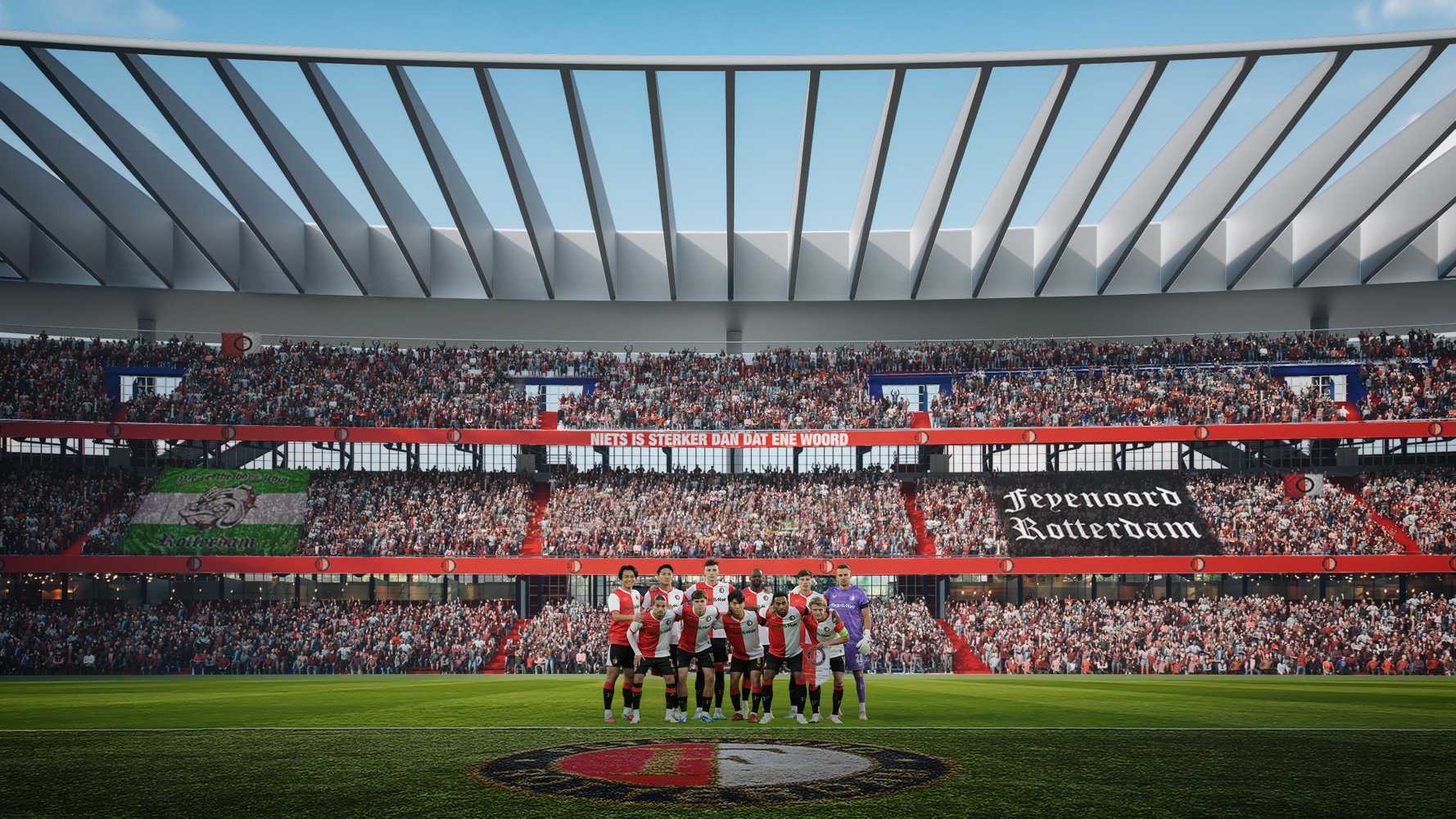
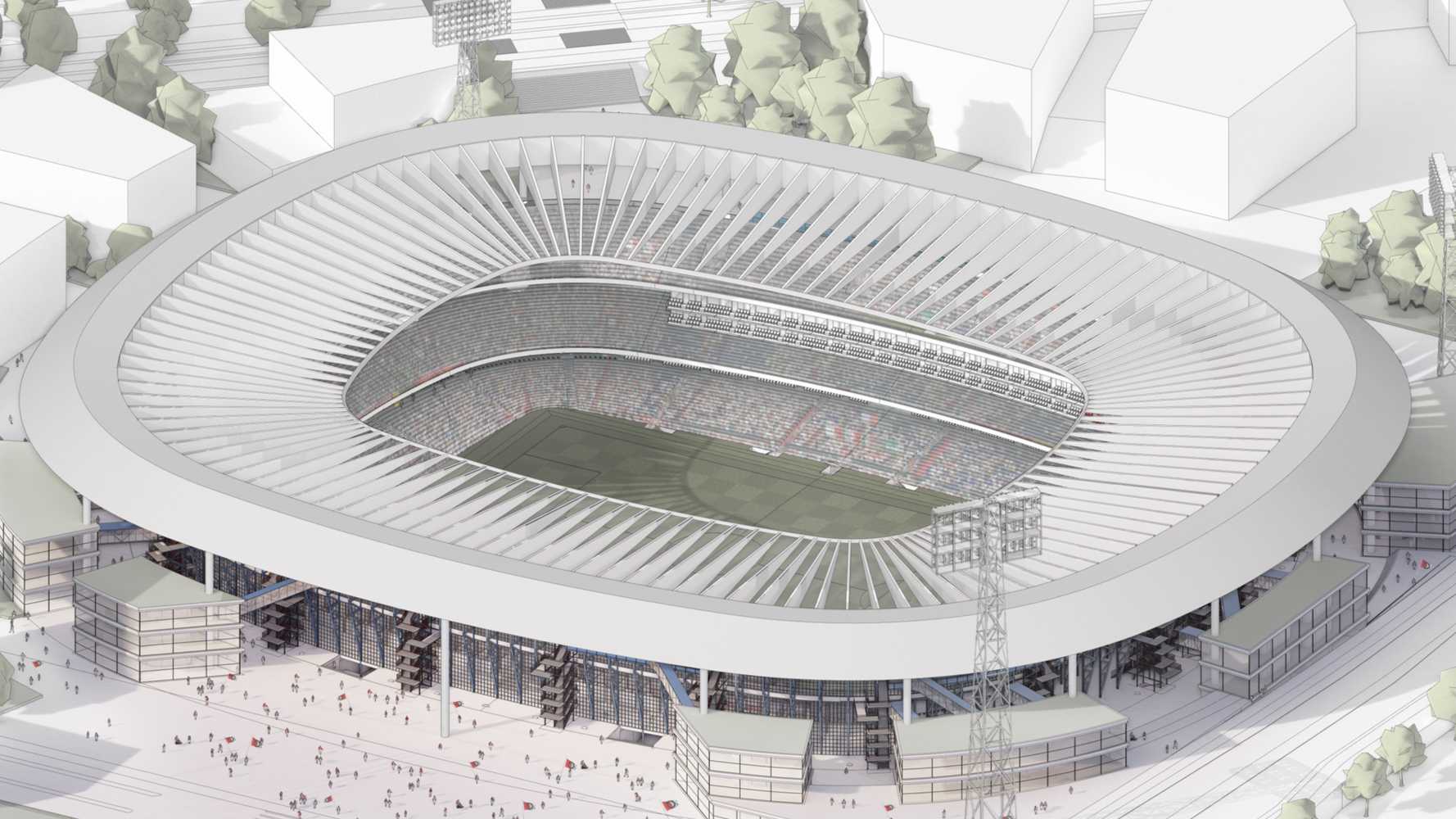
One of the key elements of the plan is to replace the provisional stands closest to the pitch with a third tier of seating that integrates seamlessly with the rest of the structure. At the same time, the moat surrounding the pitch will be removed, and the stadium’s capacity will increase to a level comparable to the country’s largest venue, the Johan Cruijff ArenA.
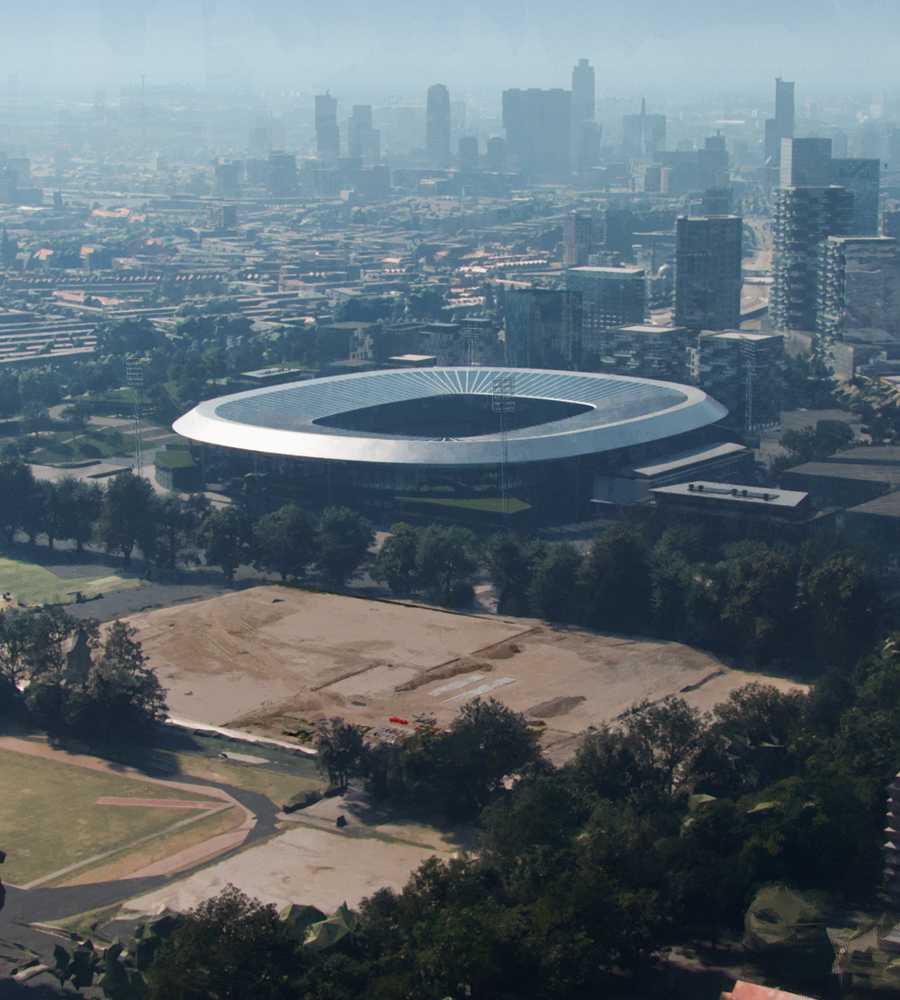
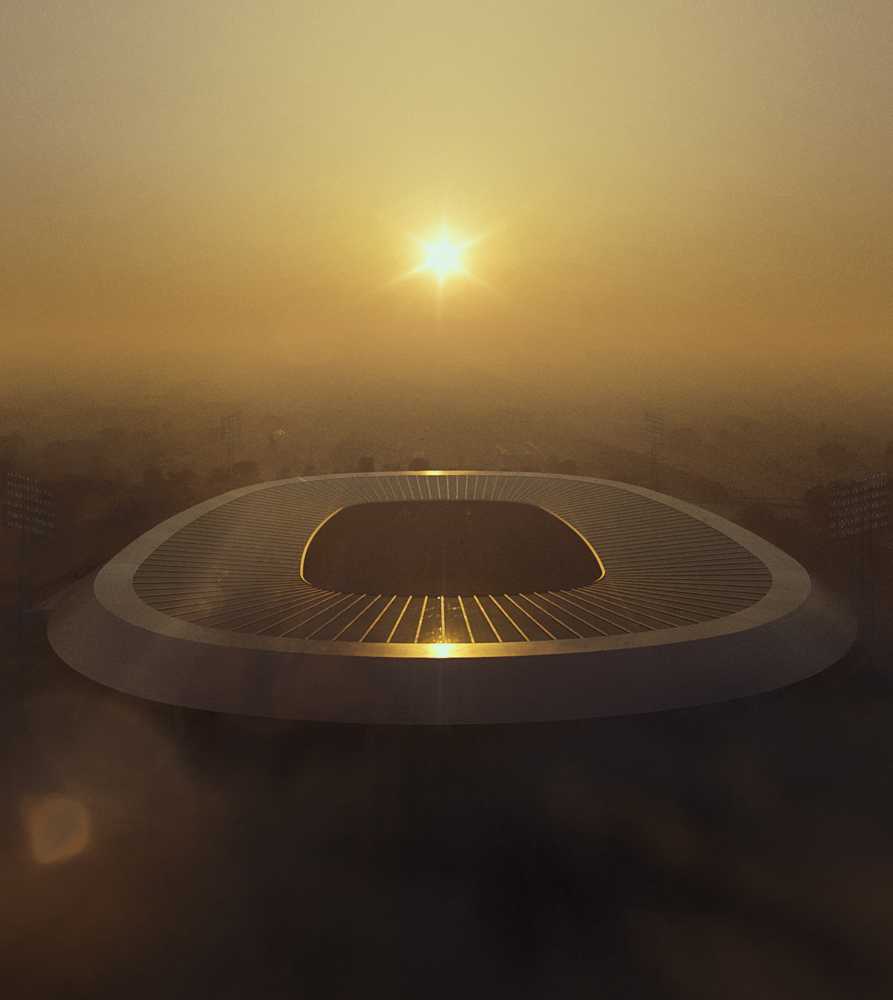
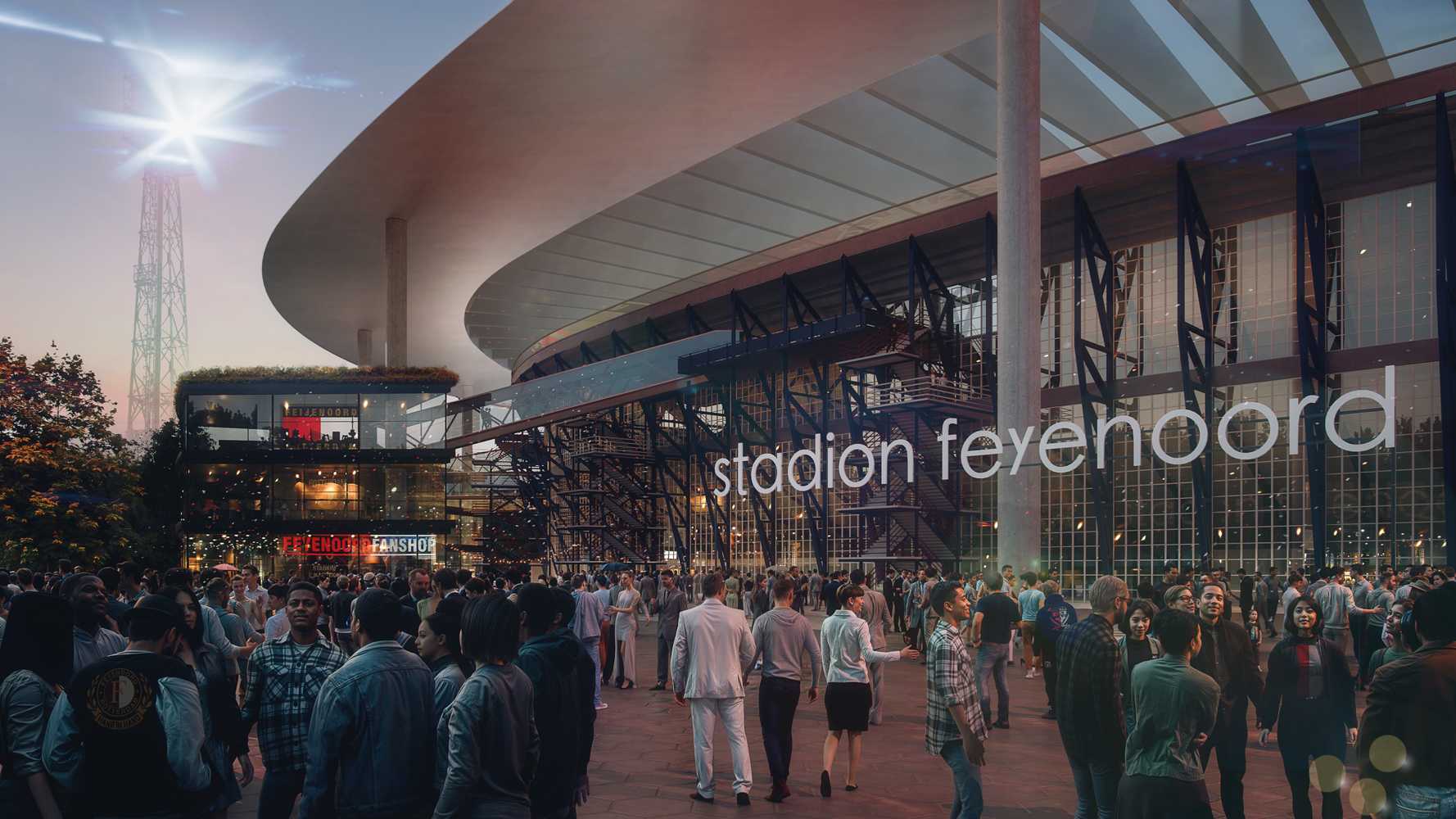
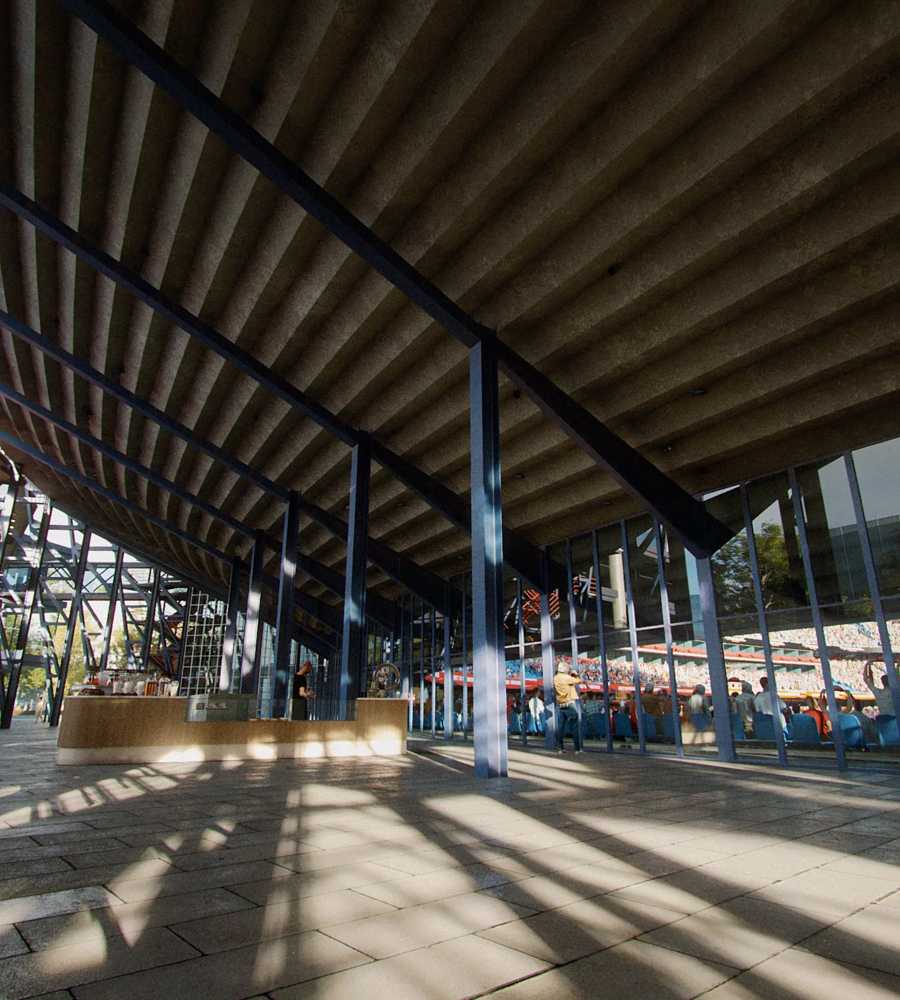
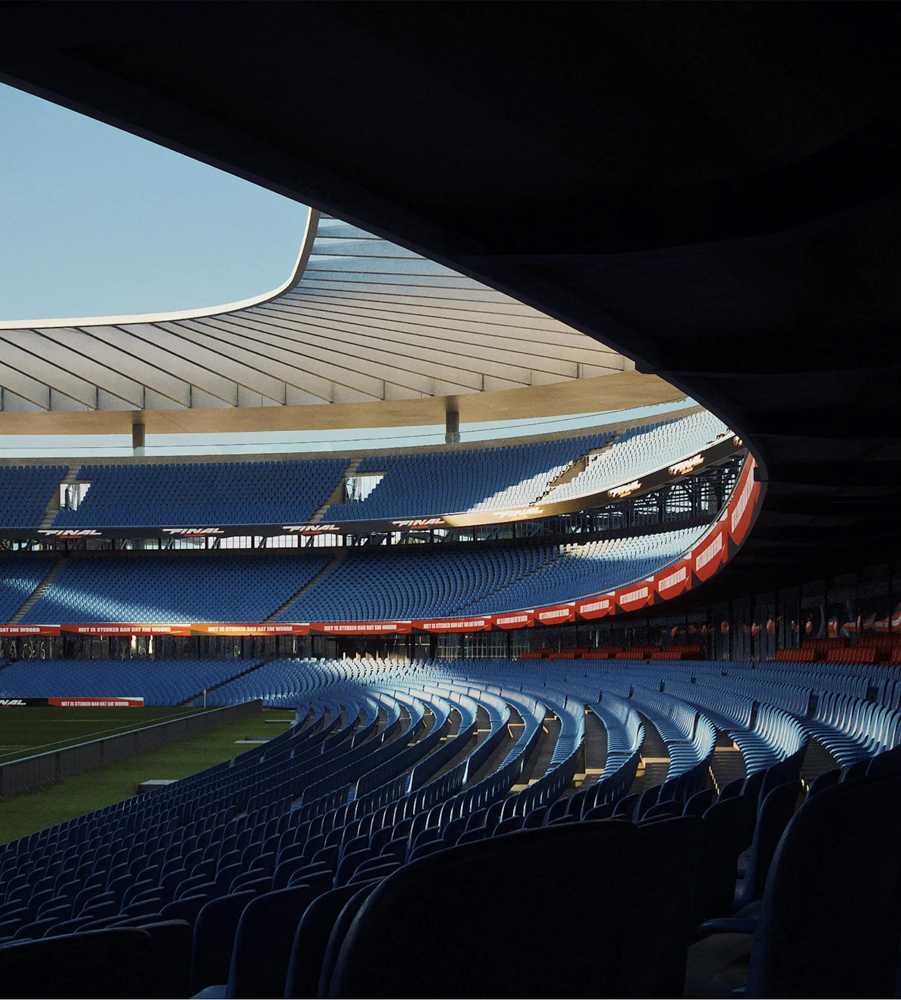
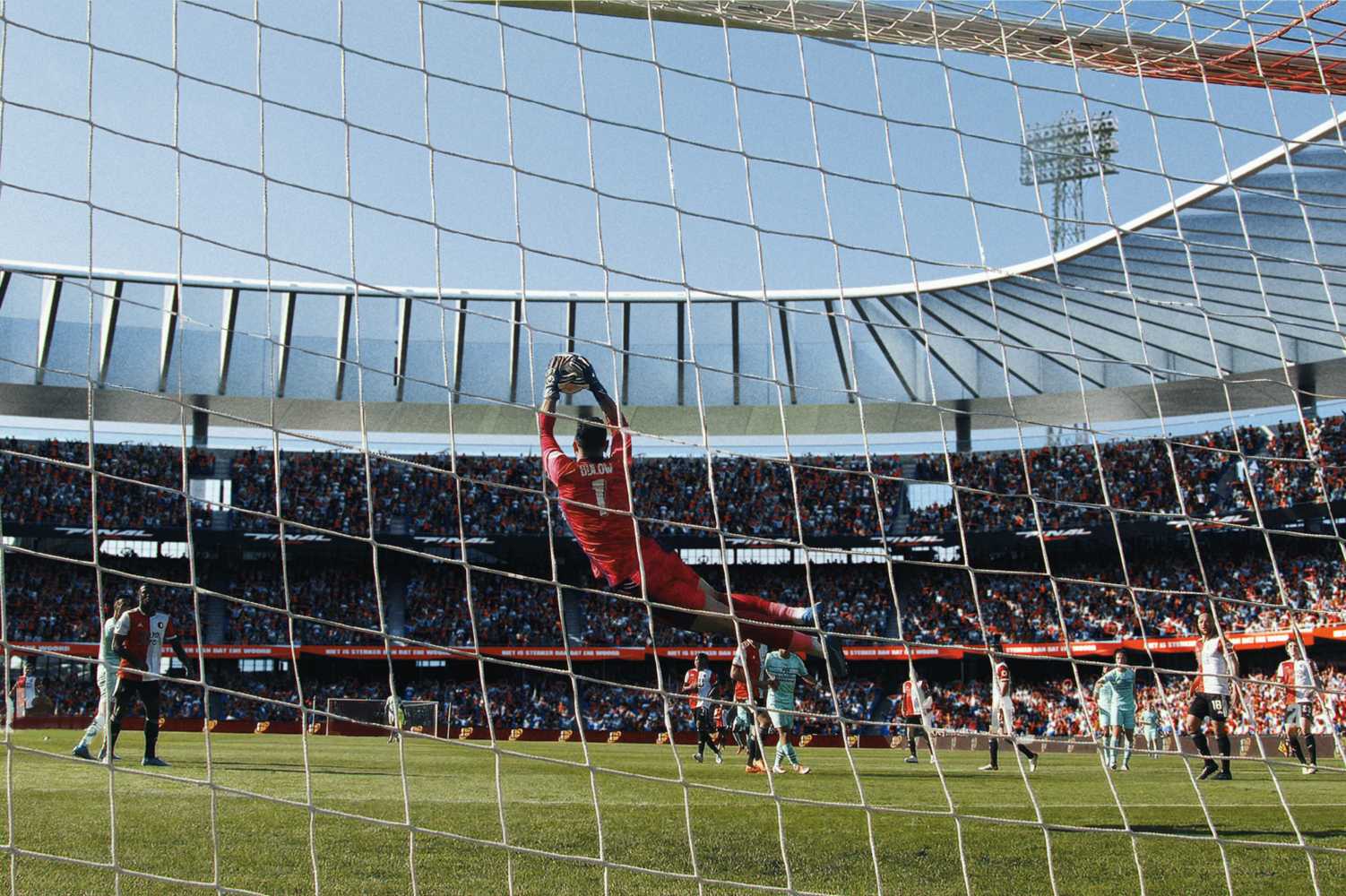
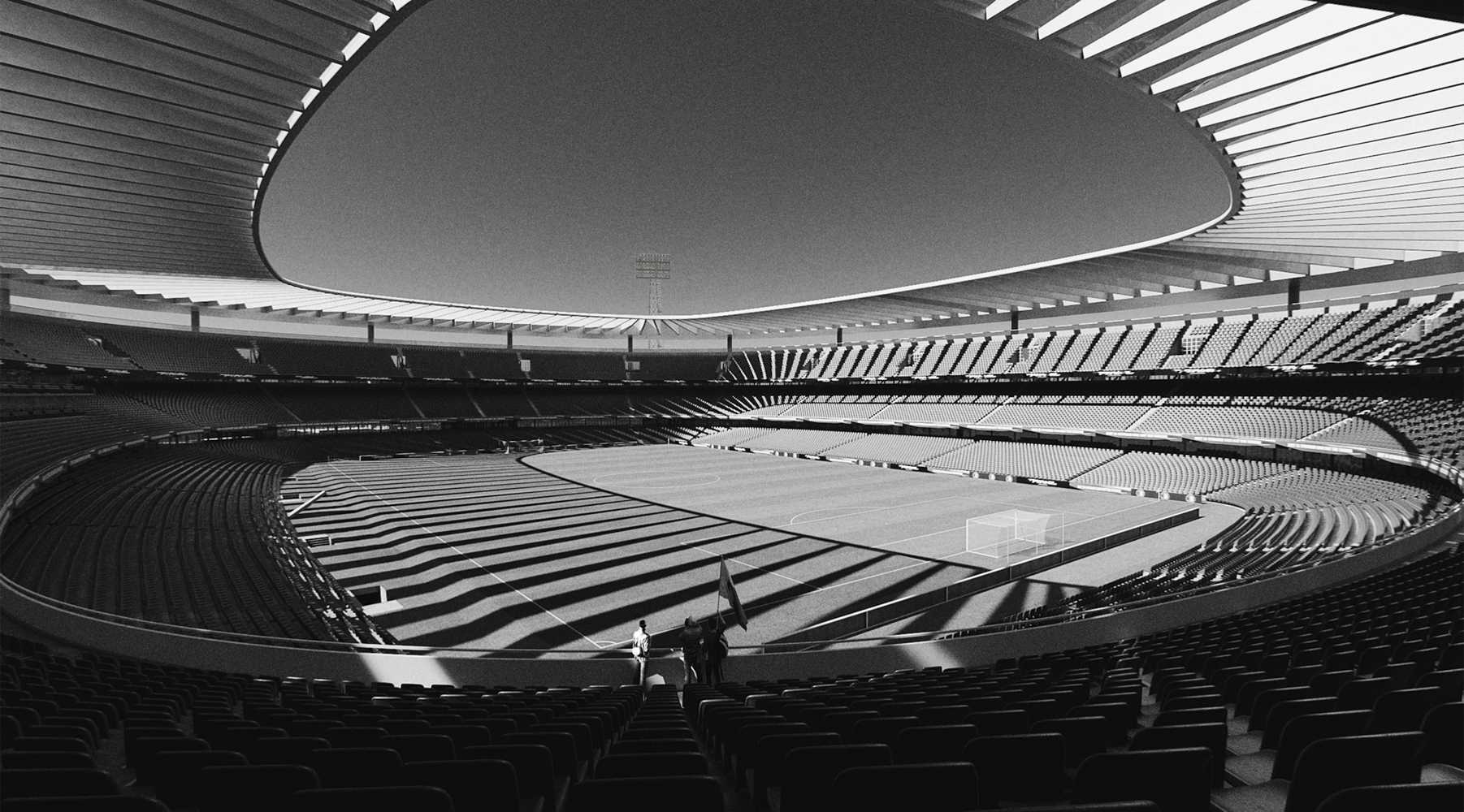
The most spectacular feature will be the new roof. Its impressive dimensions will make the stadium visible from a distance, while its transparent covering will allow more light inside, helping to maintain the excellent condition of De Kuip’s “holy turf” and preserving its reputation as the best pitch in the Netherlands.
With the renovation, the historic De Kuip will gain new life, becoming a modern arena meeting 21st-century standards. At the same time, the spirit of the historic stadium and its most characteristic features will be preserved.
How does De Kuip look today?
Feyenoord Stadium, commonly known as De Kuip (which can be translated as “the Tub,” referring to the shape of the stands forming a sunken structure), is home to Feyenoord Rotterdam, one of the most famous and successful football clubs in the Netherlands.
The stadium opened in 1937 and can accommodate over 51,000 spectators, making it the second-largest stadium in the country. The stands are built on a steel framework and form two oval tiers around the pitch, with a third, lower level created by additional sections occupying the former running track.
The last major renovation of De Kuip took place in 1993–1994, when the iconic roof was constructed, a deep ditch around the pitch was added, and a new building, the so-called Maasgebouw, was erected behind the west stand, housing offices, business areas, and the club museum.
The stadium is one of the most recognizable in European football; it has hosted numerous club competition finals as well as decisive matches of Euro 2000 and the 2023 Nations League. The Dutch national team often plays there, and domestic cup finals are frequently held at the venue. In 1991, De Kuip was entered into the municipal register of monuments.
De Kuip is notable for its distinctive form and rich history, yet it is also considered outdated and in need of further modernization.
What were the previous Feyenoord stadium projects?
As early as 2006, Feyenoord, together with the city authorities, began planning the construction of a completely new stadium in a different location, with the first designs emerging in 2008. One of the goals was to host the 2018 World Cup, for which Belgium and the Netherlands had submitted a joint bid, but the tournament was ultimately awarded to Russia.
Plans for a new stadium were not abandoned, and over the following years new projects continued to appear. However, the idea of leaving the historic De Kuip did not appeal to everyone, and some supporters protested strongly against it. Partly for this reason, in 2014 a design was selected through a competition that envisaged the expansion of the existing venue.
Just two years later, the club once again began exploring the possibility of building a stadium in a different location. The site chosen was a plot north of De Kuip, on the banks of the Nieuwe Maas, where a whole complex, named Feyenoord City, was planned. The new stadium was to feature a retractable roof, with a capacity of 63,000 seats, in line with projected demand.
However, Feyenoord was unable to bear the high costs of such an ambitious investment. In April 2022, the club announced a halt to all work on the new stadium project or any modernization of De Kuip.
How did the new De Kuip renovation project come about?
After the club announced it would abandon the investment, a grassroots initiative emerged among Feyenoord supporters aimed at carrying out a thorough modernization of De Kuip. This led to the formation of a group called Team de Kuip, composed of experts in design and finance, and led by the renowned architect Nanne de Ru.
After three years of work, on 21 November 2025, Team de Kuip presented a comprehensive renovation project for Feyenoord Stadium. The group emphasizes that the concept was developed independently, and its purpose is not profit, but to support the club by presenting a realistic and achievable investment plan.
What does the De Kuip renovation project entail?
The renovation plan developed by Team de Kuip combines several distinct tasks, which can be summarized as follows:
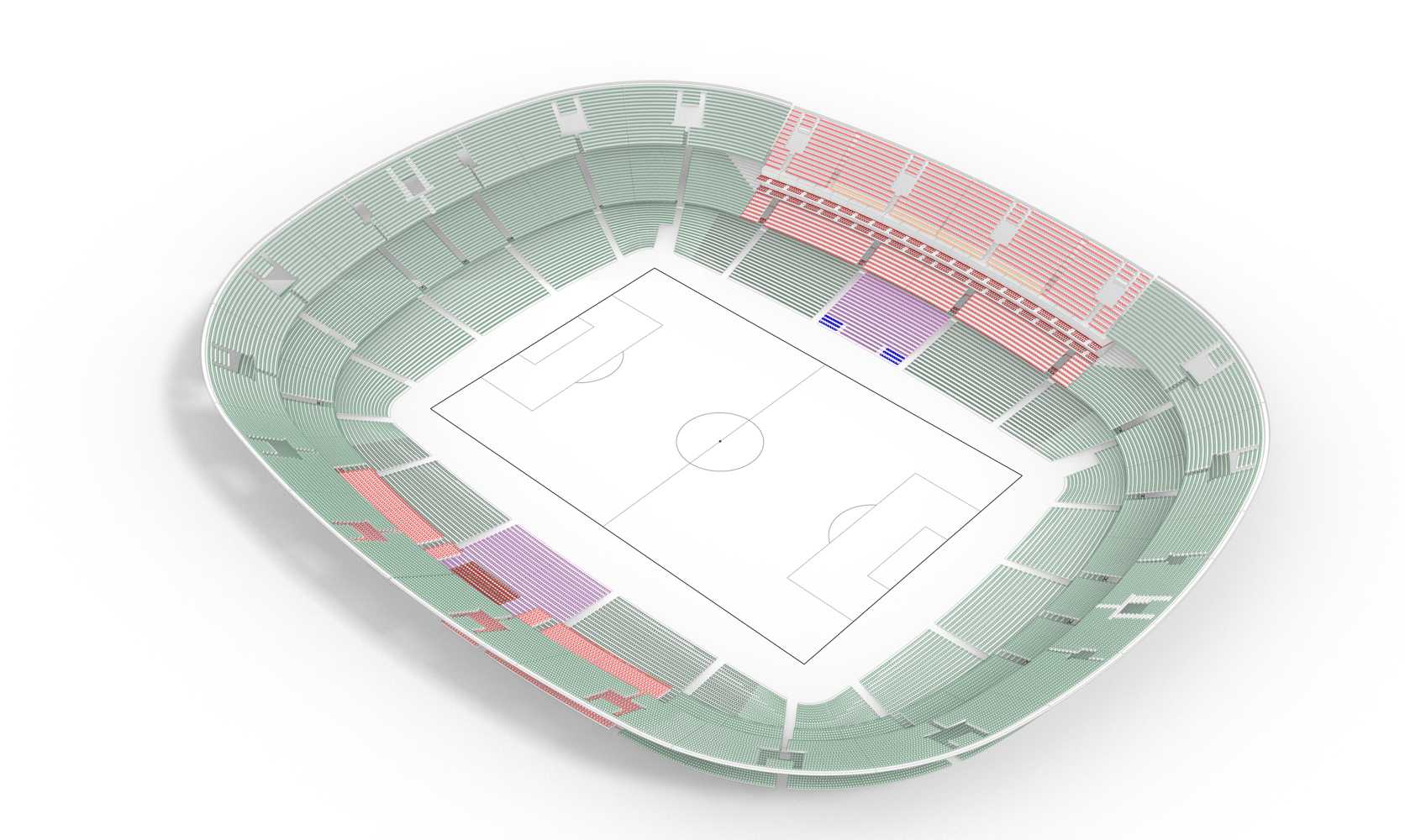
- Lowering the pitch and rebuilding the lowest tier of stands from scratch, integrated with the rest of the structure, which will increase the stadium’s capacity to around 56,000 seats
- Constructing a new, much larger roof that will protect all spectators
- Building new locker rooms and functional spaces underground, beneath the west stand and the plaza in front of it (Olympiazijde)
- Creating new business zones along the pitch-side stands
- Constructing eight commercial pavilions around the stadium
- Overall renovation, modernization, and enhancement of the stadium’s appearance
What does the De Kuip renovation plan look like in detail?
How will the stands at De Kuip be rebuilt?
One of the most obvious interventions at De Kuip is the reconstruction of the stands on the lowest level. These are located on the site of the former running track and give the impression of provisional structures, out of place compared to the two oval tiers above.
By lowering the pitch, it will be possible to create a third tier that better fills the available space and integrates more harmoniously with the overall structure. At the same time, the deep moat separating the stands from the pitch will be removed.
Rebuilding the lower level will increase the stadium’s capacity to around 56,000 spectators. This is significantly below the 63,000–70,000 seats planned in earlier projects, but it will bring De Kuip to a capacity similar to the Johan Cruijff ArenA in Amsterdam, currently the largest stadium in the country.
What will the new roof at De Kuip look like?
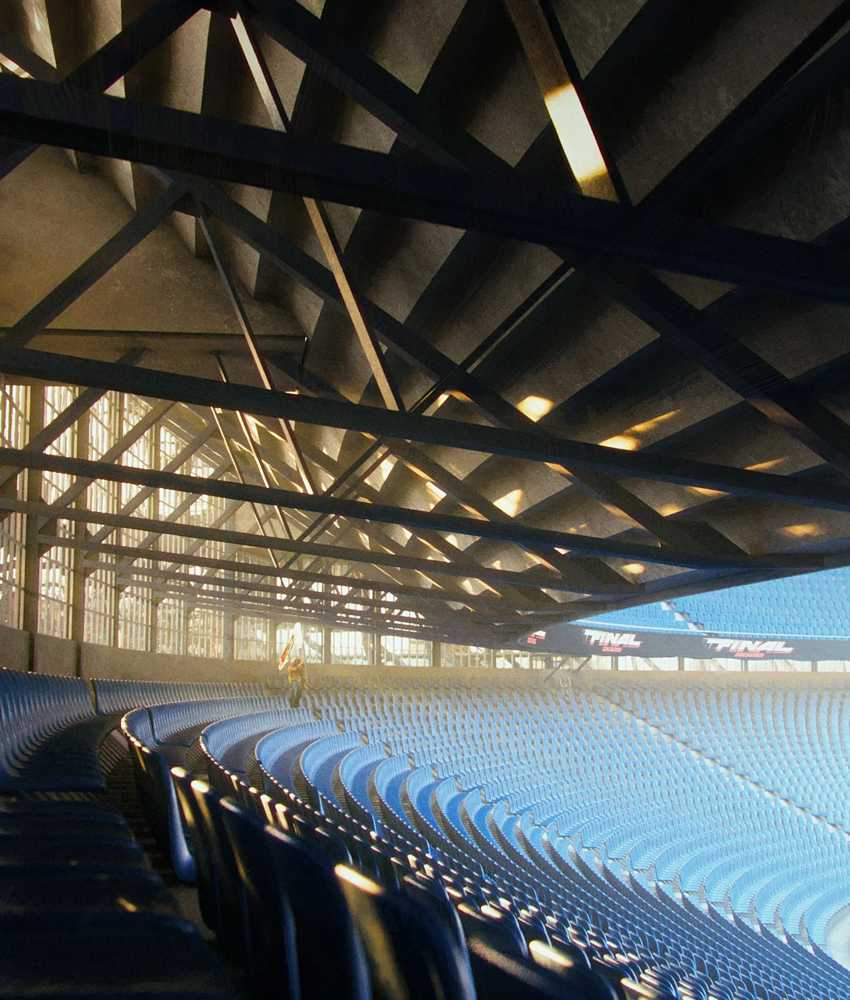
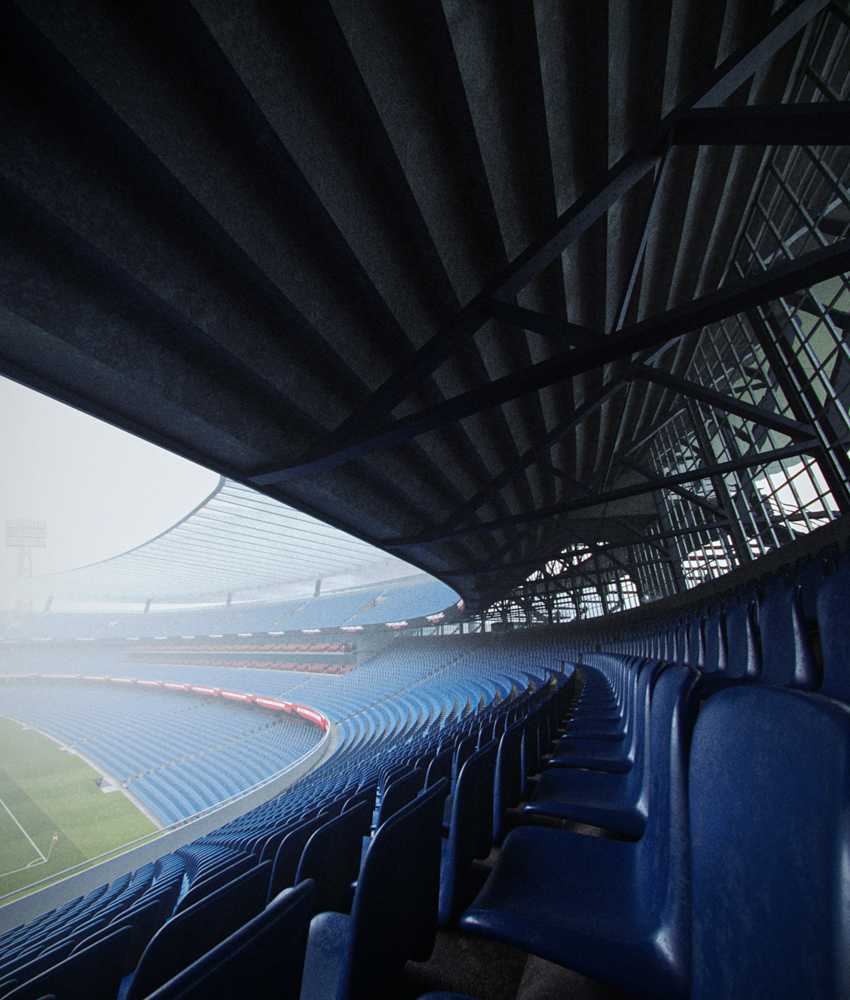
The most spectacular element of Team de Kuip’s plan is the new roof. The existing structure from the 1990s has a distinctive concave form, but it does not reach the lowest rows, and its external supports are aesthetically unpleasing and do not harmonize with the original steel stand structure.
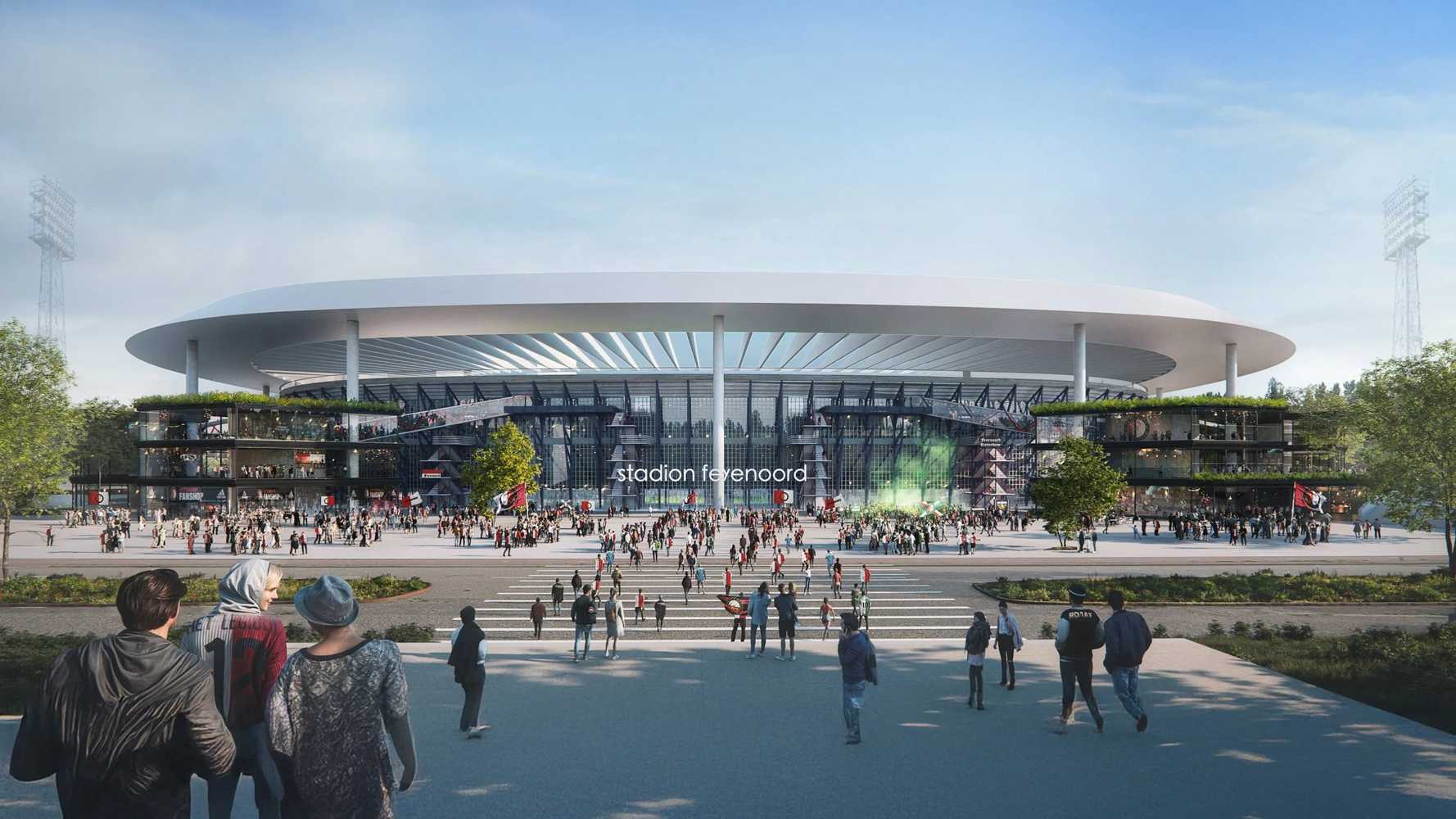
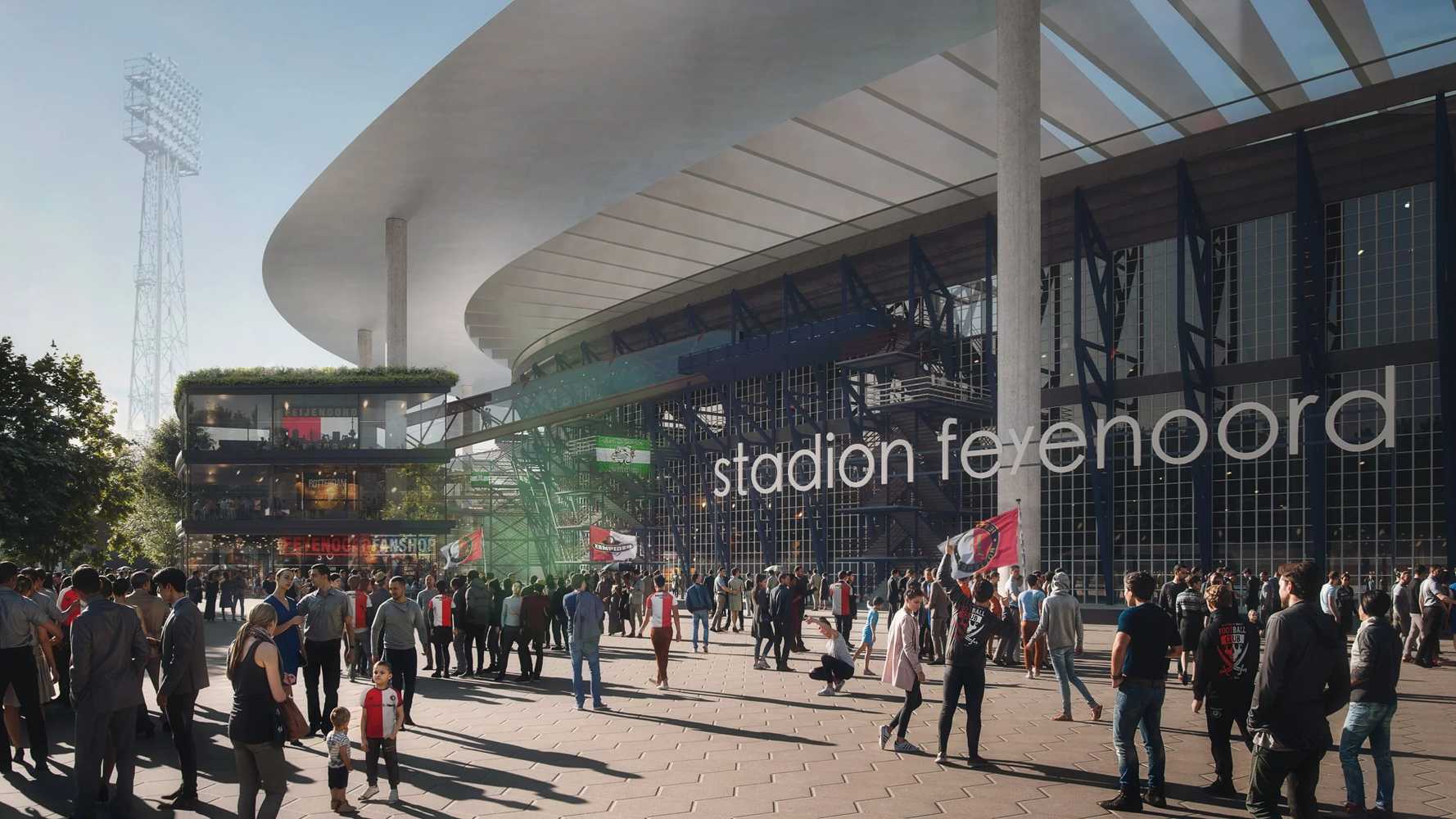
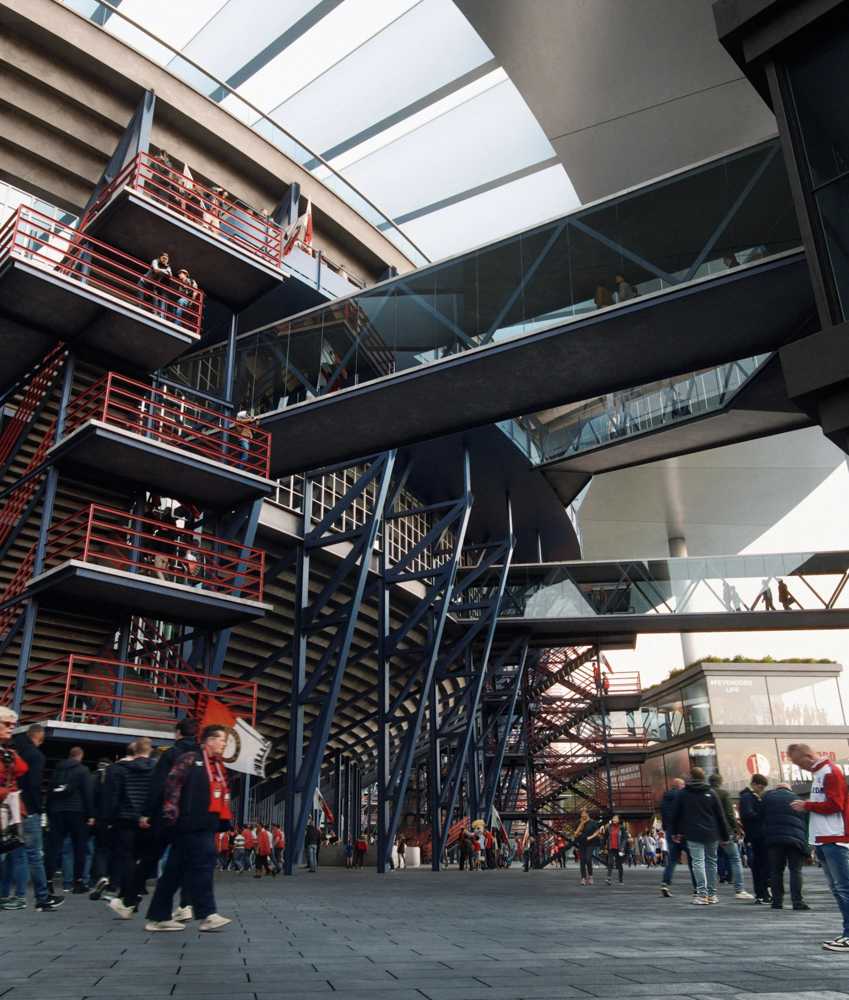
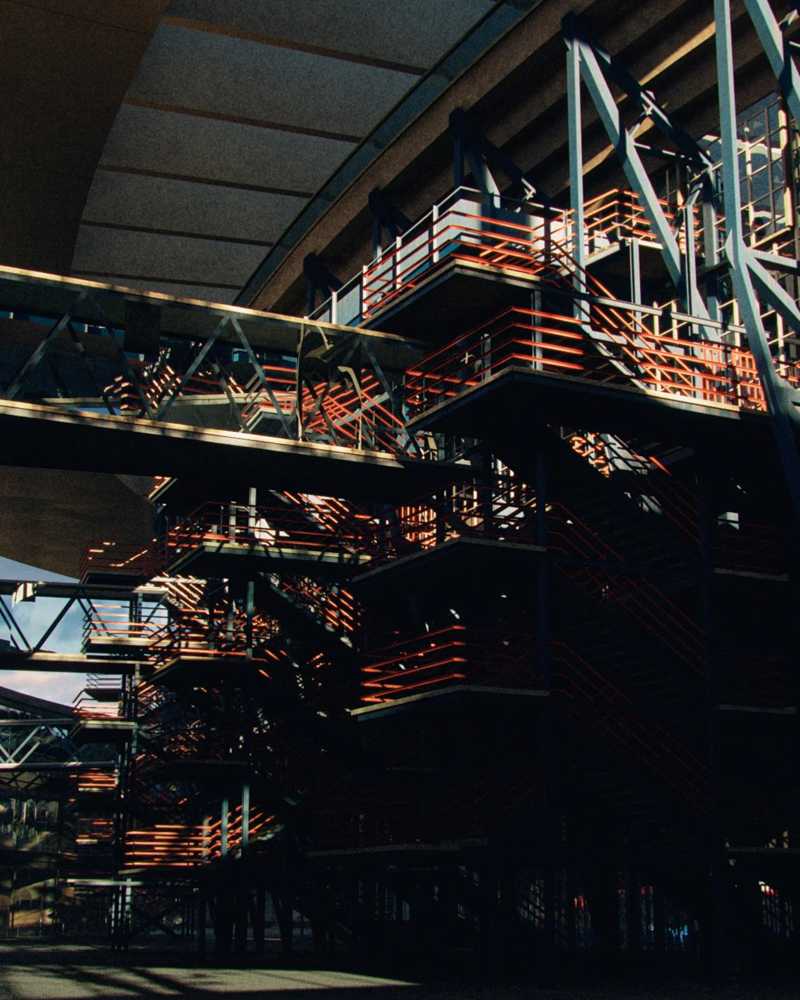
The new roof will rely on a smaller number of massive columns, positioned at some distance from the main stadium structure. This way, the supports will not overwhelm the historic steel framework of the stands, which will once again be fully exposed and showcased.
The enormous roof will cover not only all spectator areas but also the surrounding terrain, and its monumental size will make the stadium visible from a considerable distance. A large portion of the covering will be made of a light-transmitting material, which is crucial for maintaining the excellent condition of De Kuip’s turf, renowned as the best in the country.
Where will the new locker rooms at De Kuip be located?
An important part of the project is the construction of extensive underground facilities on the west side (Olympiazijde) – beneath the west stand and the plaza in front of it.
The underground complex will consist of two levels, housing new locker rooms for players, media facilities, and a conference room. It will also include spaces for staff, security services, and parking, with an exclusive VIP area located next to the players’ tunnel.
What will be built around De Kuip?
Eight commercial pavilions are planned around the stadium, intended for shops and food outlets. The buildings will have three levels, with the top level connected to the stands via walkways, allowing spectators to access it during matches. One of the pavilions will be dedicated to a fan zone.
What other changes are planned for De Kuip?
Another significant development will be the addition of more VIP boxes, which will be located along both pitch-side stands, between the first and second tiers.
The entire stadium will be renovated and modernized. One of the most noticeable changes will be the addition of glass walls, which already partially form De Kuip’s façade. This will make the stadium’s exterior much more attractive and allow more light to enter the interior.
The lighting masts outside will likely be preserved as a visual element, although they will no longer serve their primary function.
What projects are planned around De Kuip?
Independently of the stadium renovation plans, other developments are being prepared around De Kuip that will transform the landscape of the entire area. New apartment buildings are planned nearby, and the city intends to construct another bridge over the Nieuwe Maas and replace the modest railway stop with a larger station serving Intercity trains.
When is the De Kuip renovation planned to take place?
According to the plan, work is expected to begin in 2027 and last for three years, until the end of 2029. The implementation will be divided into phases, so that additional seating, VIP boxes, and commercial buildings are constructed first, allowing the club to increase revenue from the stadium as quickly as possible.
This approach means that the roof, being the least “profitable” investment, would be built only in the final phase, and if sufficient funds are not available, its construction could be postponed.
Although the stadium is to remain operational during the renovation, six months of work to lower the pitch and build the lower stands and underground facilities will require extending the summer break. In practice, this means that Feyenoord would have to play exclusively away matches in late spring and early autumn of 2027.
Similarly, for the roof installation, planned for the summer of 2029, it may be necessary to adjust Feyenoord’s match schedule, although this work is expected to take a shorter period (around four months).
How much will the De Kuip renovation cost?
The implementation of Team de Kuip’s plan is expected to cost over €350 million. It is assumed that a significant portion of this amount (60%) will be raised through the sale of seat licenses for a period of 10 years. Additional revenue from commercial spaces and business zones is also expected to contribute.
Will the De Kuip renovation actually take place?
Feyenoord’s management initially approached the plan with some caution, though they did not rule out its implementation. The first step toward a potential investment would be for the club to take full control of the stadium, which is owned by the company Stadion Feijenoord N.V.
The presentation of the Team de Kuip project took place shortly before the vote scheduled for 4 December 2025 on the issuance of additional shares in the company. This package was to be purchased by Feyenoord, allowing the club to acquire a 95% stake and, in practice, assume full control of the stadium.
Just before the shareholders’ meeting, the details of the takeover were agreed upon, but the vote itself was postponed to February 2026. During the meeting, the new project was also discussed – it was very well received by the shareholders, although Feyenoord’s representatives remained cautious about its implementation.
If control were to be transferred, the club committed to allocating funds for stadium upgrades in the coming years. However, the Team de Kuip proposal outlines a more ambitious plan and envisions a significantly larger scale of investment.
Advertisement
Renderings
-
2025 © Team de Kuip 
2025 © Team de Kuip 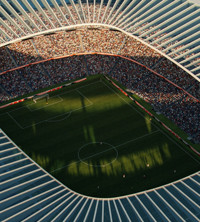
2025 © Team de Kuip 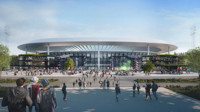
2025 © Team de Kuip 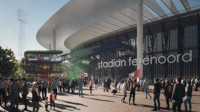
2025 © Team de Kuip 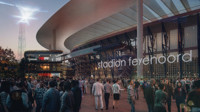
2025 © Team de Kuip 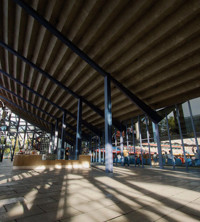
2025 © Team de Kuip 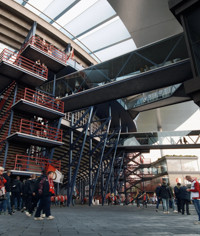
2025 © Team de Kuip 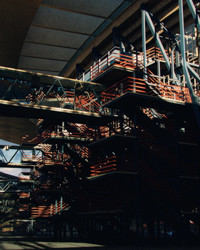
2025 © Team de Kuip 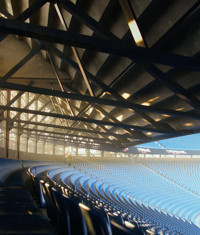
2025 © Team de Kuip 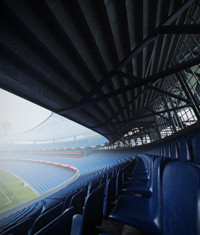
2025 © Team de Kuip 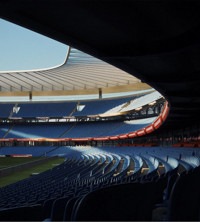
2025 © Team de Kuip 
2025 © Team de Kuip 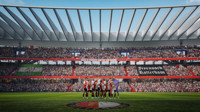
2025 © Team de Kuip 
2025 © Team de Kuip 
2025 © Team de Kuip 
2025 © Team de Kuip 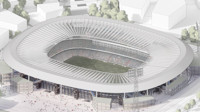
2025 © Team de Kuip
Related news
2025
-
Netherlands: Historic ownership change and ambitious De Kuip modernization plan
Feyenoord stands at the threshold of one of the most important moments in its recent history: the club has agreed terms with Stadion Feijenoord and Vereniging Aandeelhouders Stadion Feijenoord (VASF) to take control of De Kuip. The ownership structure change aims to create a coherent, long-term foundation for stadium investments, modernization, and the club's further sporting and business development.
-
Netherlands: Another expansion project for De Kuip in Rotterdam. Feyenoord remains skeptical
The wide-ranging renovation plans for De Kuip have once again stirred emotions in Rotterdam. After months of speculation and behind-closed-doors discussions, a group of specialists operating under the name Team De Kuip has presented a comprehensive vision for the modernization of the legendary stadium.