 StadiumDB
Netherlands: Another expansion project for De Kuip in Rotterdam. Feyenoord remains skeptical
source: StadiumDB.com; author: Paulina Skóra
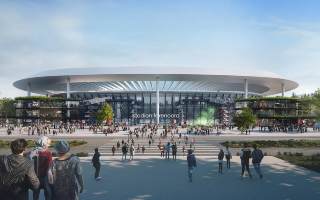 The wide-ranging renovation plans for De Kuip have once again stirred emotions in Rotterdam. After months of speculation and behind-closed-doors discussions, a group of specialists operating under the name Team De Kuip has presented a comprehensive vision for the modernization of the legendary stadium.
Advertisement
Will De Kuip be renewed “down to the last screw”?
At the head of the team is architect Nanne de Ru, who has emphasized from the outset that the project does not involve demolishing the stadium or pursuing a new construction, but rather creating a modern venue while preserving its historic character. This vision quickly divided the Feyenoord community, sparking lively debate among supporters, shareholders, politicians, and club officials.
At the core of the Team De Kuip concept lies the belief that De Kuip still has the potential to remain one of Europe’s most important stadiums — provided it is properly modernized. De Ru states openly that he wants to renew the stadium down to the last screw
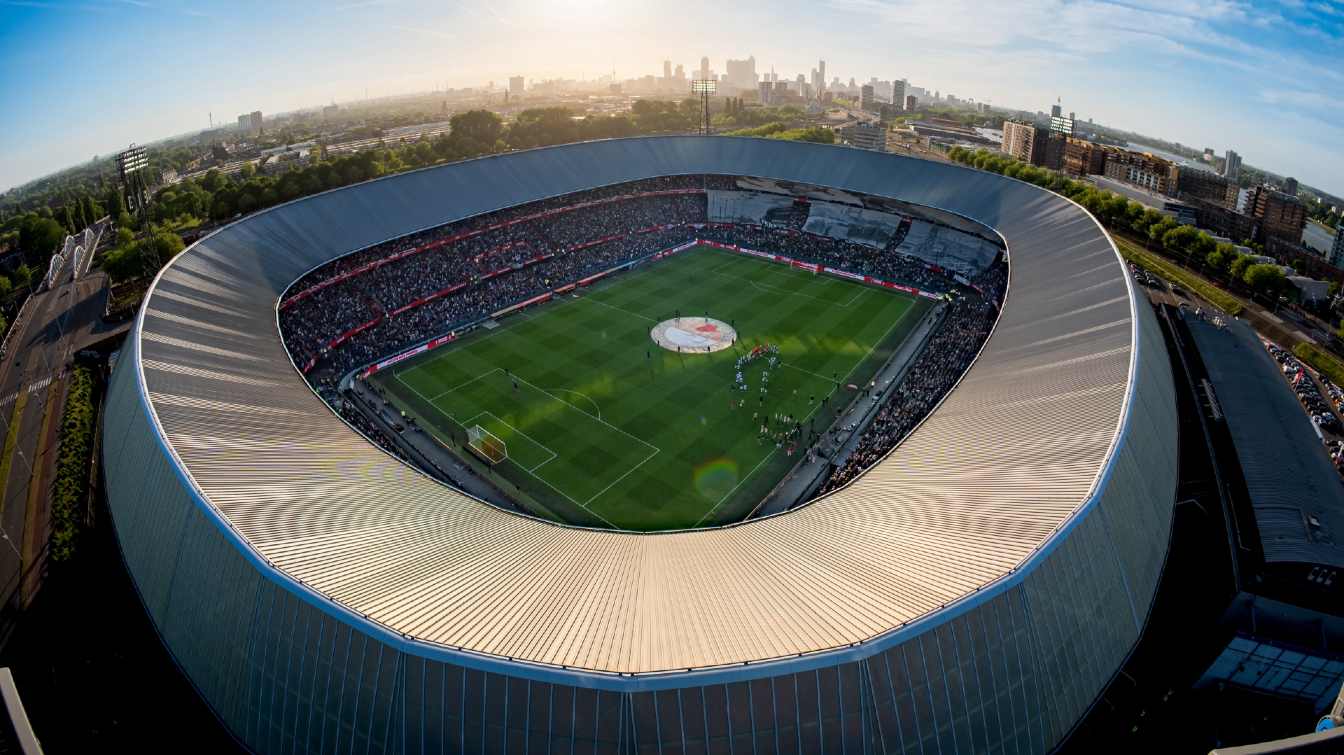
and surround it with new commercial facilities that would allow the club to generate revenue all year round. The renovation aims to restore the stadium’s original raw elegance from the 1930s, highlighting its steel structure and distinctive form, while transforming it into a venue that meets modern UEFA standards.
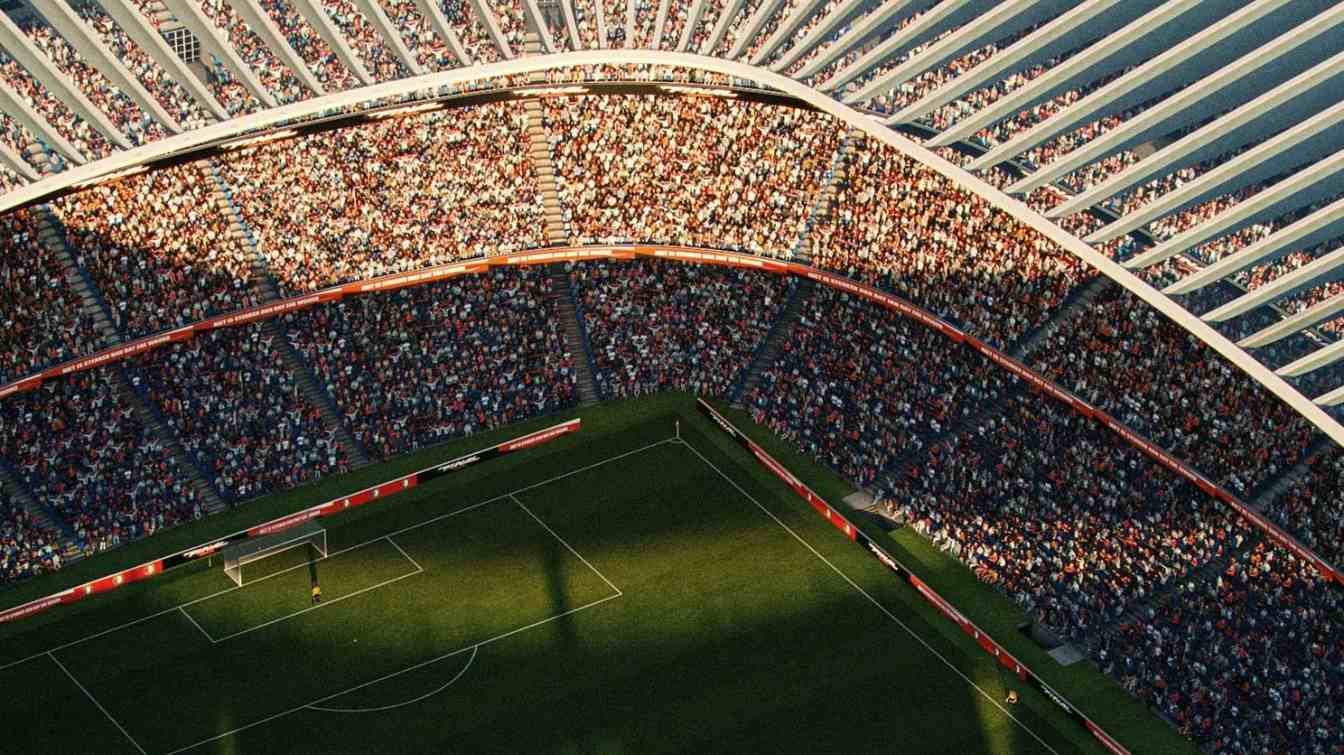
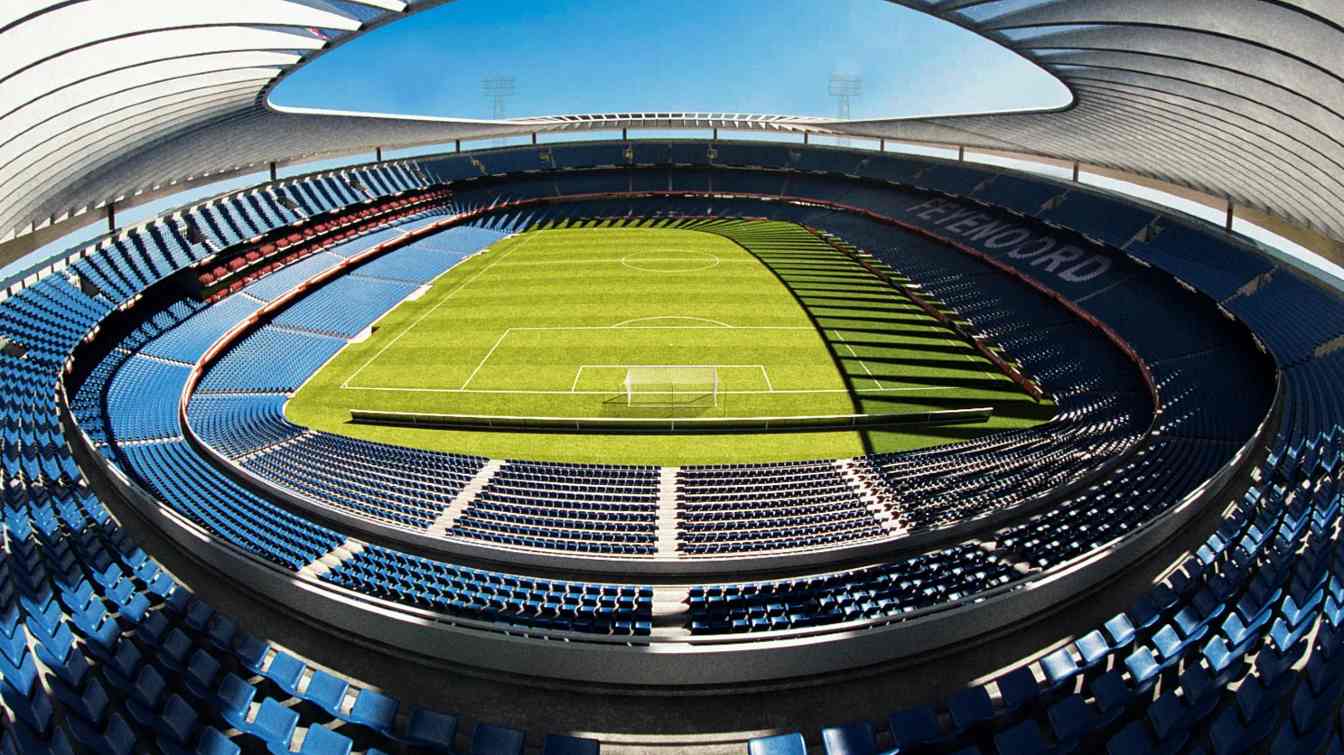
One of the key elements of the project is lowering the pitch and removing the moat, which would make it possible to create a new ring beneath the existing stands. Thanks to this, the capacity would increase to around 56,000 seats, including several thousand new business seats and dozens of compact business units on the Olympiazijde side. De Ru firmly emphasizes that ordinary supporters will not be moved or pushed aside, as they are the ones who create the unique atmosphere of De Kuip and are a key part of the club’s identity. The new layout would also improve visibility and enhance the proximity of fans to the pitch — one of De Kuip’s greatest strengths.
Another major component of the plan is a new roof — lighter, larger and more functional than the current one. It would cover all seats while, restoring its original expressiveness. This symbolic fusion of past and future is one of the project’s guiding principles. The modernization also includes the creation of an underground zone for teams, media and technical staff, fully aligned with UEFA’s latest requirements. This section would also include around 120 new parking spaces, and the players’ tunnel would return to its historic location.
 © Nanne de Ru.
Surrounding areas to be revitalized
Simultaneously, eight new pavilions featuring food outlets, shops and service zones would be built around De Kuip. These structures would be connected to the upper stands via lightweight walkways, relieving pressure on the stadium’s narrow corridors and allowing fans to move more freely. De Ru notes that modern clubs generate enormous income from catering and commercial facilities — sometimes comparable to or surpassing revenue from football itself. The new pavilions would elevate Feyenoord’s stadium economy to an entirely different level, while operating on non-matchdays thanks to their location.
Will supporters pay for the renovation?
The renovation is estimated to cost around €350 million — lower than the cost of building a new stadium, but still requiring bold financing. Team De Kuip proposes using a seat-licensing model, based on prepayment of a portion of a season ticket or business seat for roughly ten years. De Ru estimates this method could generate up to €250 million in a relatively short time, and initial talks with banks suggest interest in the plan. However, this raises concerns among supporters, as season-ticket prices — especially in the best sectors — could rise significantly.
 © Nanne de Ru.
The club does not share the overall optimism
The project has been met with great enthusiasm in parts of the community. The Supportersvereniging De Feijenoorder sees in it an opportunity to develop fan zones, improve supporter comfort and increase space, while also enhancing club revenue. The Stadium Feijenoord Shareholders Association (VASF) has also expressed full support for the plan and called on the club to conduct a thorough feasibility study. Rotterdam’s authorities view the concept favorably as well — mainly because it allows the stadium to remain in its historic location, ensures matches can be played during the works, and, according to its creators, could be completed within four to five years.
The club’s reaction, however, is very different. Feyenoord’s management and the Stadium Feijenoord board stress that before considering long-term projects, urgent and costly repairs must first be carried out to ensure the stadium’s license and spectator safety. Diagnostic assessments have shown the need for immediate work on concrete structures, load-bearing elements, installations, and all sanitary and catering facilities. The cost of these repairs is estimated at around €70 million. The club wants to co-finance these works, but in return demands greater control over the stadium and its operations.
Feyenoord also disputes the assumptions of the Team De Kuip plan, claiming the timeline is too optimistic and the concept insufficiently detailed from a financial perspective. An independent expert consulted by the club concluded that some costs had been underestimated or omitted, and that lowering the pitch might require work spanning two full seasons rather than half a year. There are also concerns within the club that the €10 million needed solely for documentation before the works begin could strain the budget once again without guaranteeing the project’s success. At the same time, Team De Kuip declares readiness to finance the research and preliminary costs from its own side, intensifying the debate among supporters and shareholders.
 © Nanne de Ru.
What decision will ultimately be made?
De Kuip now stands at the brink of decisions that will shape its future for decades. Feyenoord must choose whether to focus solely on essential repairs and administrative integration of the stadium with the club, or to simultaneously consider the ambitious project which, according to many, could form the foundation of a new chapter in the venue’s history. Pressure is mounting, and the supporter community is increasingly vocal in demanding that the club at least formally examine the feasibility of the renovation proposed by de Ru’s team. The club, however, maintains that time is working against them, and meeting licensing requirements remains the priority.
This dispute reveals a deeper conflict that has paralyzed stadium-related decisions for years: the clash of emotion with pragmatism, idealistic visions with financial realities, tradition with modernity. De Kuip is a symbol and a sacred place — but also an object aging faster than new ideas to modernize it can be developed. Many indications suggest that the debate on the stadium’s future will not end soon, and the newly presented plan — however impressive — is only the beginning of the next chapter in this long-running discussion.
Advertisement