 StadiumDB
Nacionalni Stadion Bilino Polje
| Capacity | 18 000 |
|---|---|
| Country | Bosnia-Herzegovina |
| City | Zenica |
| Clubs | NK Čelik Zenica |
| Category | Design awaiting implementation |
| Cost | BAM 130 M ($77.3 M) |
| Construction | ? |
| Design | AKSA d.o.o. Zenica |
Advertisement
Nacionalni Stadion Bilino Polje – design description
How can the project for the Bilino Polje National Stadium be briefly described?
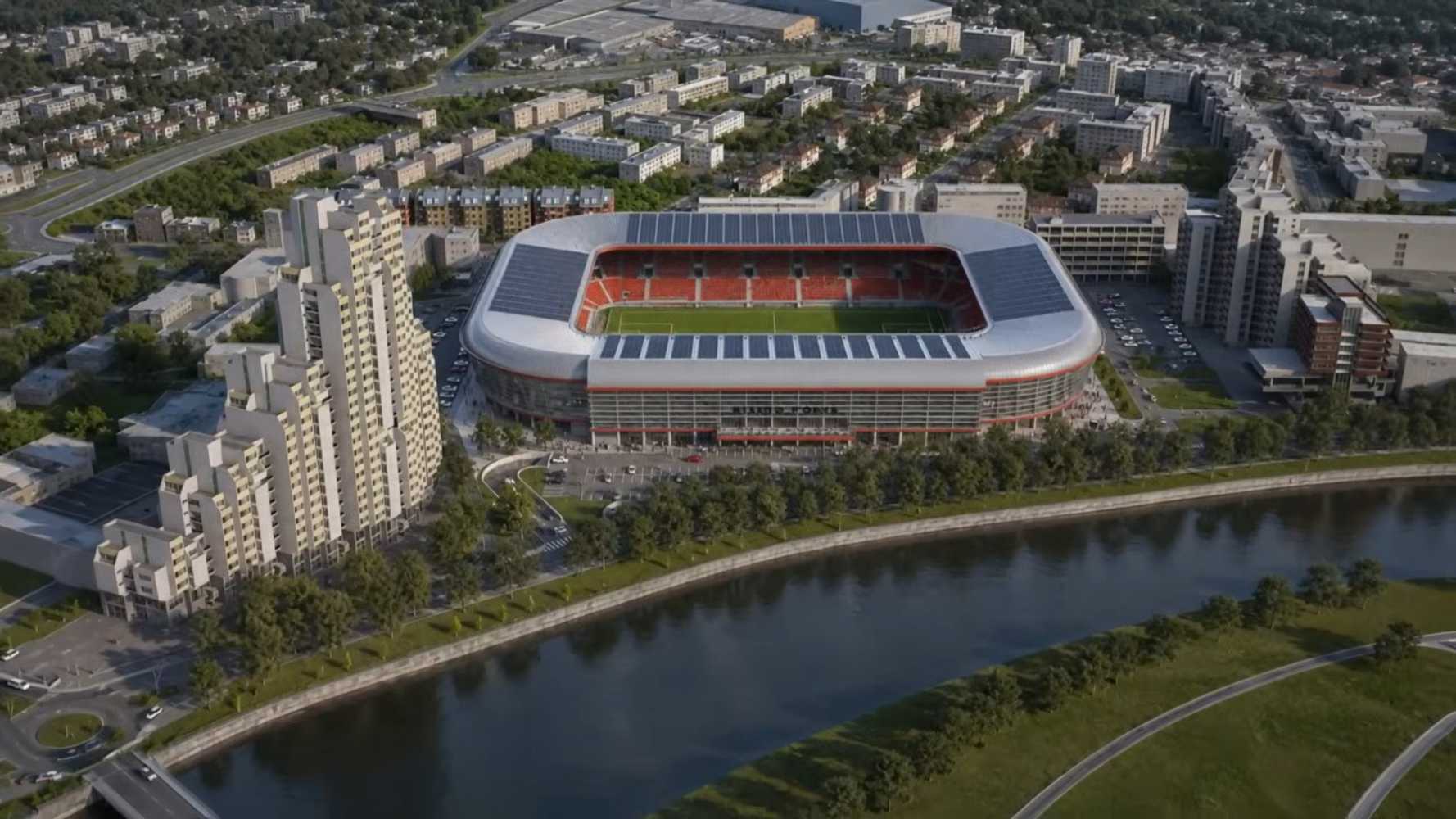
A modern national stadium of Bosnia and Herzegovina is planned to be built in Zenica through a complete reconstruction of the existing Bilino Polje Stadium. The new venue is set to accommodate 18,000 spectators and meet UEFA Category 4 requirements. The project is planned to be carried out in phases, stand by stand, in order to maintain its continuous operation.
The idea of building a national stadium has been discussed for many years. Previously, the Football Association of Bosnia and Herzegovina attempted to develop such a venue in the capital city, Sarajevo, but after encountering obstacles, the plans were eventually abandoned.
Zenica, located around 70 km from Sarajevo, has so far been the preferred venue for the national team, which has played most of its home matches in the city. Following the reconstruction, Bilino Polje Stadium is expected to officially gain the status of the national stadium. It will also remain the home ground of NK Čelik Zenica.
The project is expected to cost around 130 million convertible marks (BAM) and will require cooperation between the football association, city and canton authorities, the Government of Bosnia and Herzegovina, and even UEFA. The most optimistic scenario foresees construction starting at the end of 2026 and completion in 2029.
What does Bilino Polje Stadium look like?
Bilino Polje Stadium in Zenica was opened in 1972. It was built in a football-specific layout, without an athletics track, which was rather uncommon in the former Yugoslavia at the time. The stadium currently holds just under 14,000 spectators and, despite its limited standards, remains one of the best stadiums in Bosnia and Herzegovina.
The stadium was primarily built for the city’s leading football club, NK Čelik Zenica. After the breakup of Yugoslavia, Bilino Polje also became the main venue for the Bosnia and Herzegovina national team, which plays most of its home matches there.
Why does the Bosnia and Herzegovina national team play most of its matches in Zenica?
The national team prefers the stadium in Zenica over venues in Sarajevo and other cities due to its better condition, more intense match atmosphere, good results, and an established practice of hosting home matches, ensuring consistency and stability.
An additional advantage is Zenica’s location, approximately 70 km from Sarajevo, with which it is connected by a motorway. The city is also home to the training base of the Football Association of Bosnia and Herzegovina.
How did the Bilino Polje Stadium redevelopment project emerge?
When did the first redevelopment concepts for Bilino Polje Stadium appear?
Due to the increasing importance of the stadium as a venue for national team matches, a comprehensive modernisation has been considered since the early 21st century.
In December 2011, two redevelopment concepts for Bilino Polje were presented at the Bosnian National Theatre in Zenica. They were designed by Zvjezdan Turkić (AKSA d.o.o.) and Bernard Bostijančić (Studio Bostijančić), respectively.
Each proposal envisioned a complete reconstruction of the stadium to a high standard, including a fully covered seating bowl and a capacity of 30,000 spectators. The venue was also intended to obtain the status of a national stadium. However, none of these concepts was ultimately realised.
Could the Bosnia and Herzegovina national stadium have been built in Sarajevo?
Although the national team prefers to play in Zenica, this choice is not self-evident. Sarajevo – the capital and largest city of Bosnia and Herzegovina – has long remained the main alternative.
Sarajevo has two stadiums that could host the national team: the large Olympic Stadium in the Koševo district and the smaller, football-specific Grbavica Stadium. However, both would require substantial renovation to meet modern standards.
Instead, plans emerged to build an entirely new national stadium in Sarajevo. The initiative came from the authorities of the western district of Novi Grad, who, in cooperation with the Football Association of Bosnia and Herzegovina, commissioned an architectural concept for a new stadium.
The concept was prepared by AKSA d.o.o. from Zenica. It was presented on 13 March 2018 and named B&H Arena. The project envisioned a modern football stadium with a capacity of over 30,000 seats.
The national football association also considered other locations in Sarajevo, but the lack of suitable partners and other obstacles meant that, after several years of unsuccessful efforts, the idea of building the national stadium in Zenica was revived.
When was the new national stadium project in Zenica launched?
The construction of the national stadium in Zenica was announced on 27 December 2024 by the president of the Football Association of Bosnia and Herzegovina, Vico Zeljković, during a press conference summarising the year.
On 7 June 2025, an agreement was signed between the Football Association and the authorities of the City of Zenica regarding the implementation of the project. A similar agreement was concluded with the Zenica-Doboj Canton authorities on 9 September 2025.
On 14 November 2025, Vico Zeljković published the first black-and-white visualisations of the new stadium in a Facebook post. The new project was presented on 14 May 2026 during the General Assembly of the Football Association of Bosnia and Herzegovina.
The concept was designed by AKSA d.o.o. from Zenica – the same firm that was responsible for the 2011 Bilino Polje redevelopment proposal, as well as the Sarajevo national stadium project (B&H Arena).
What does the Bilino Polje National Stadium project include?
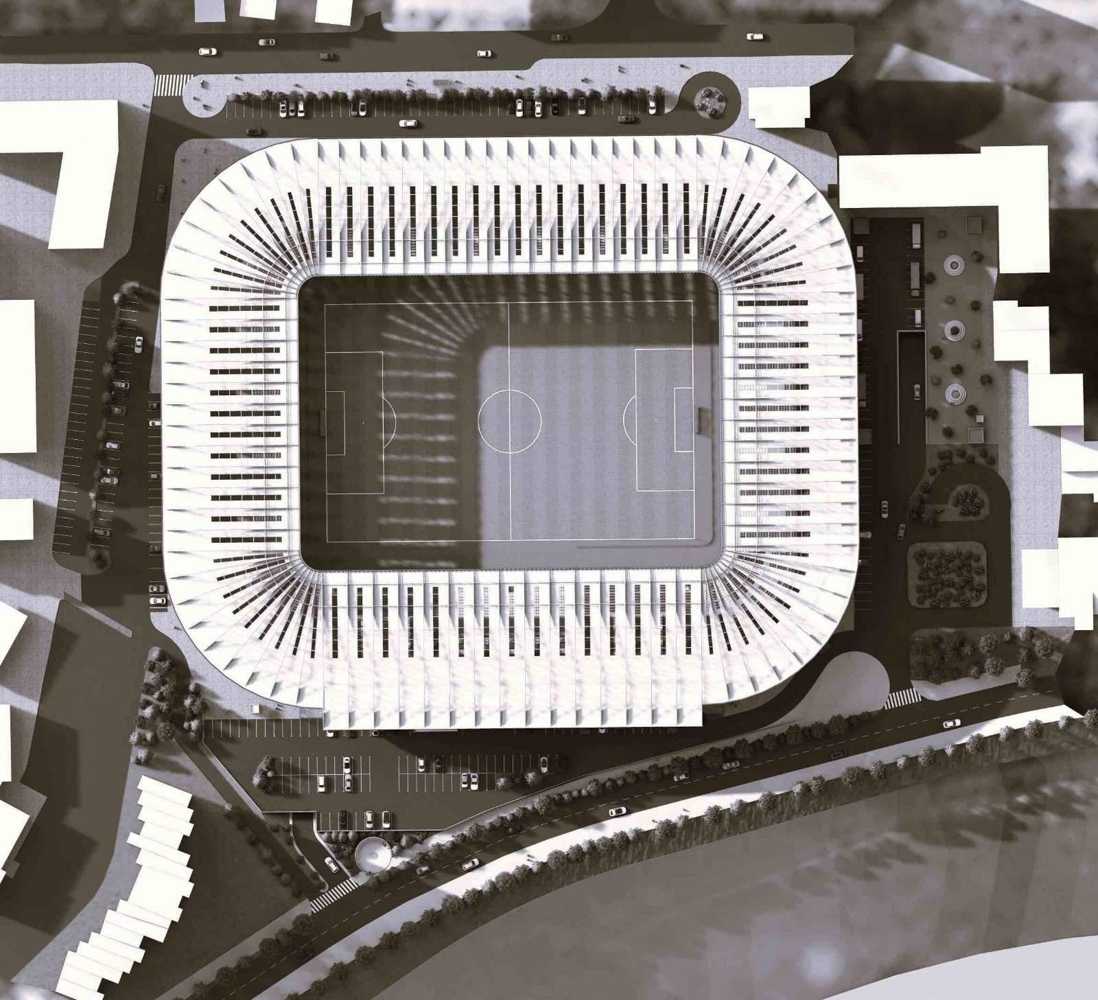
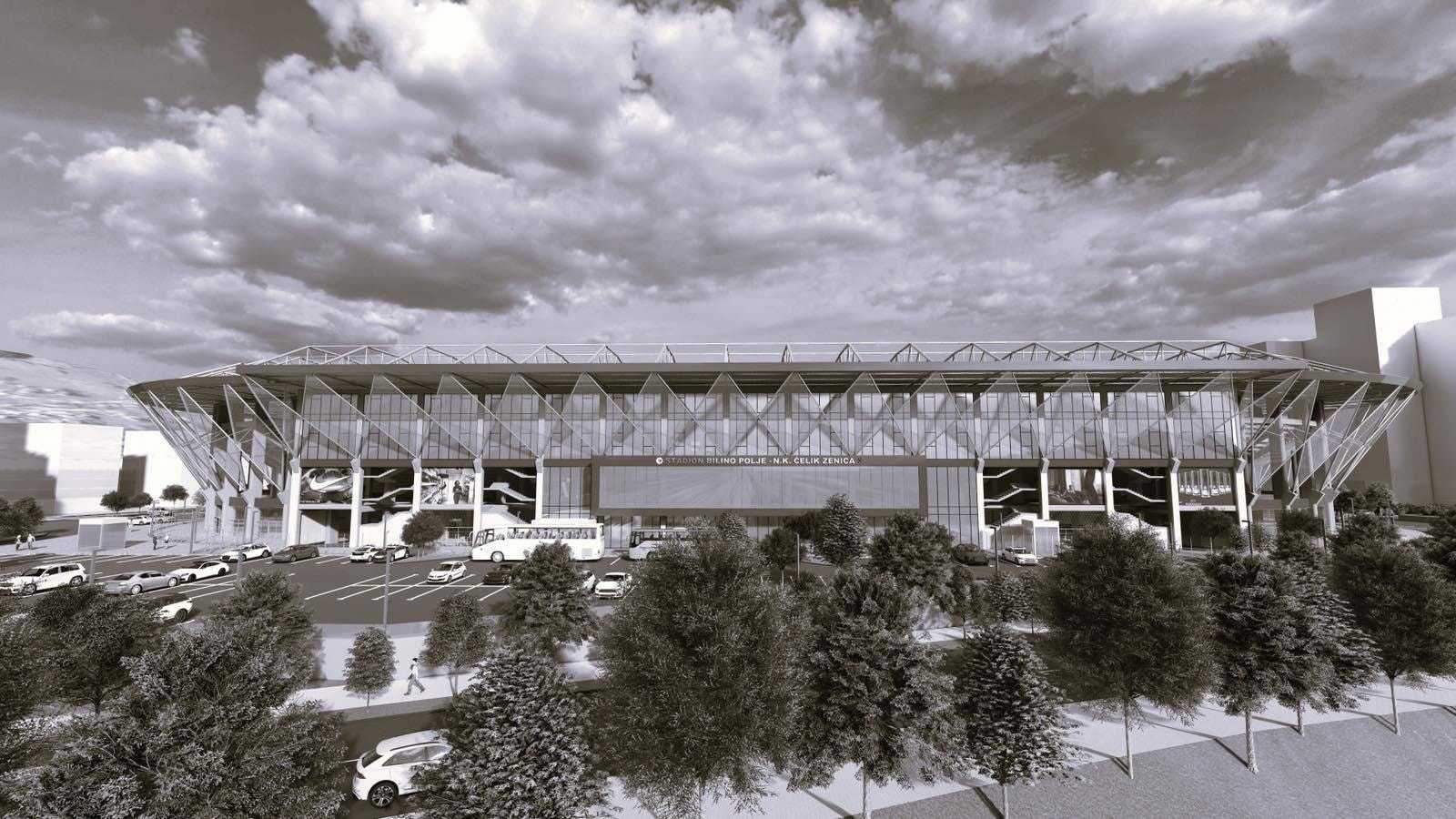
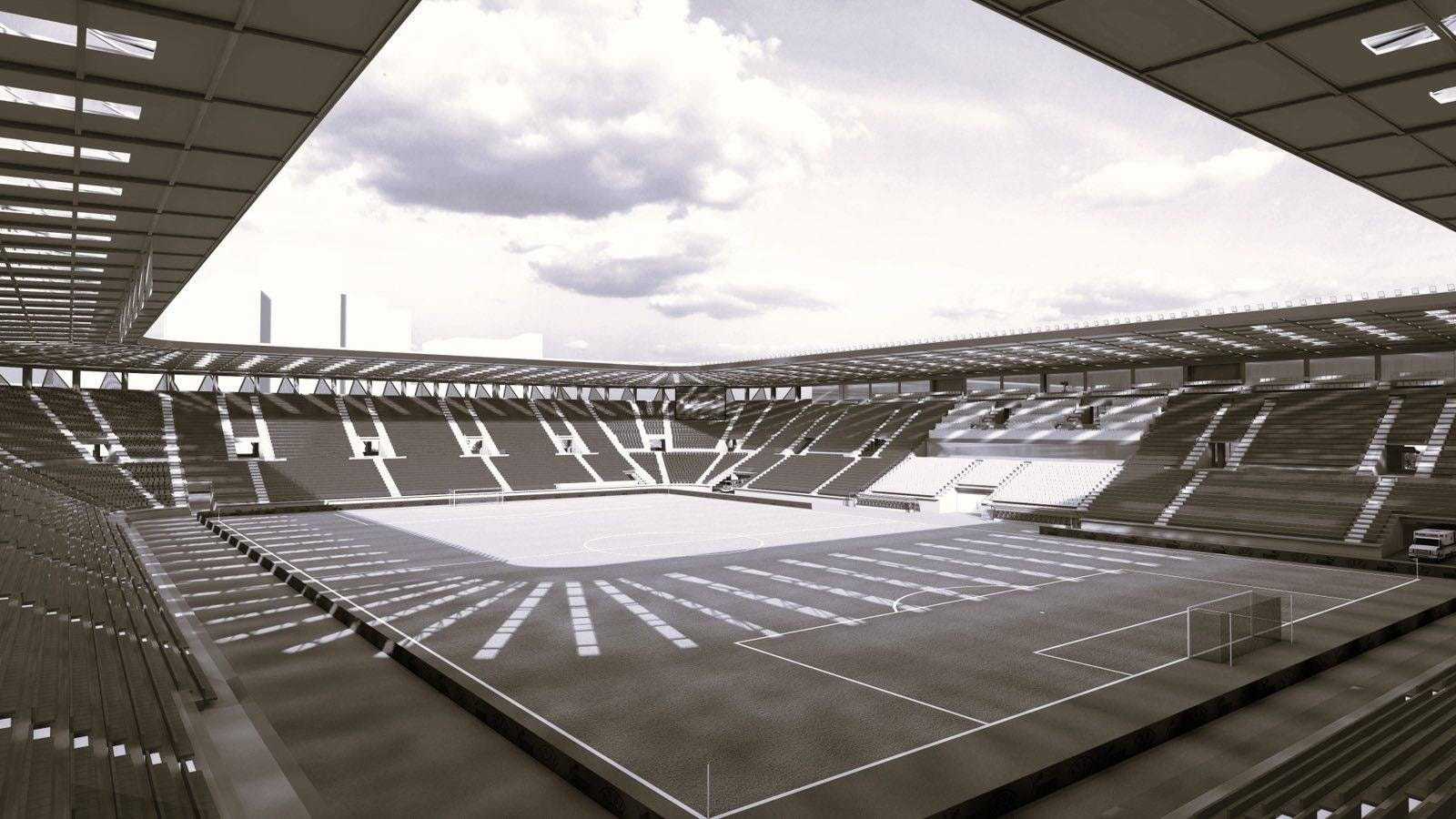
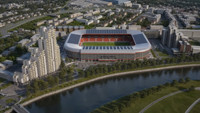
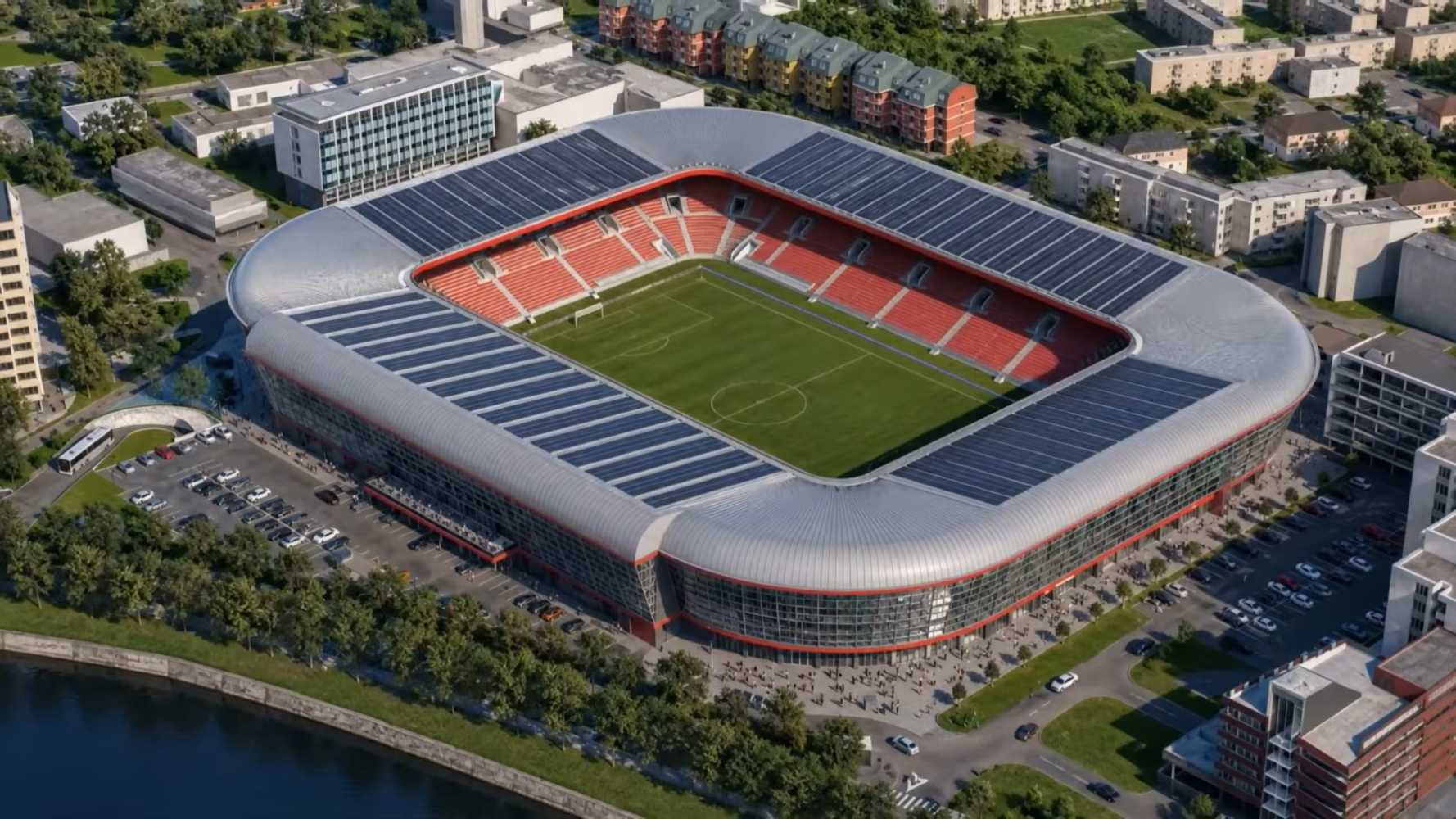
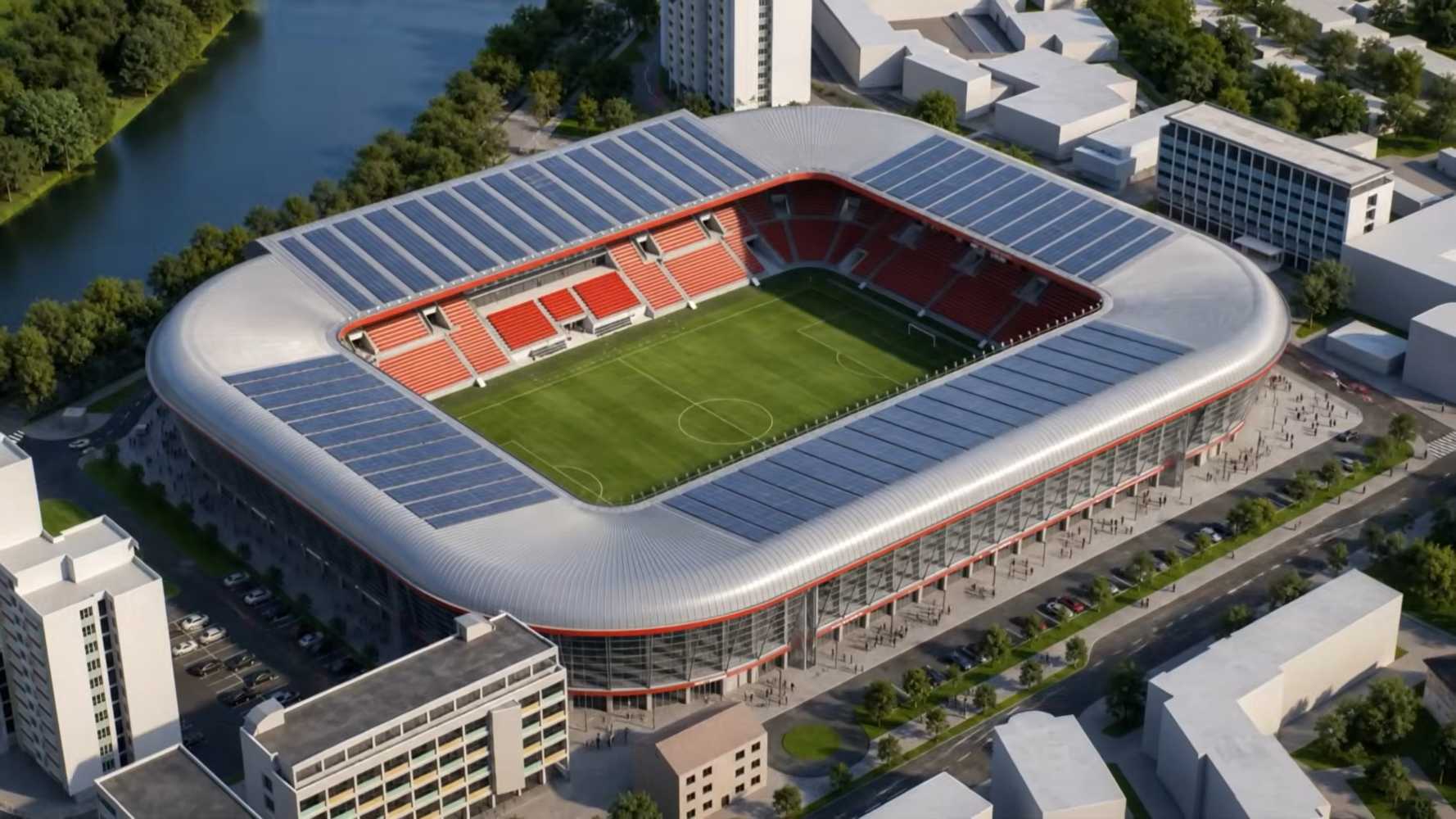
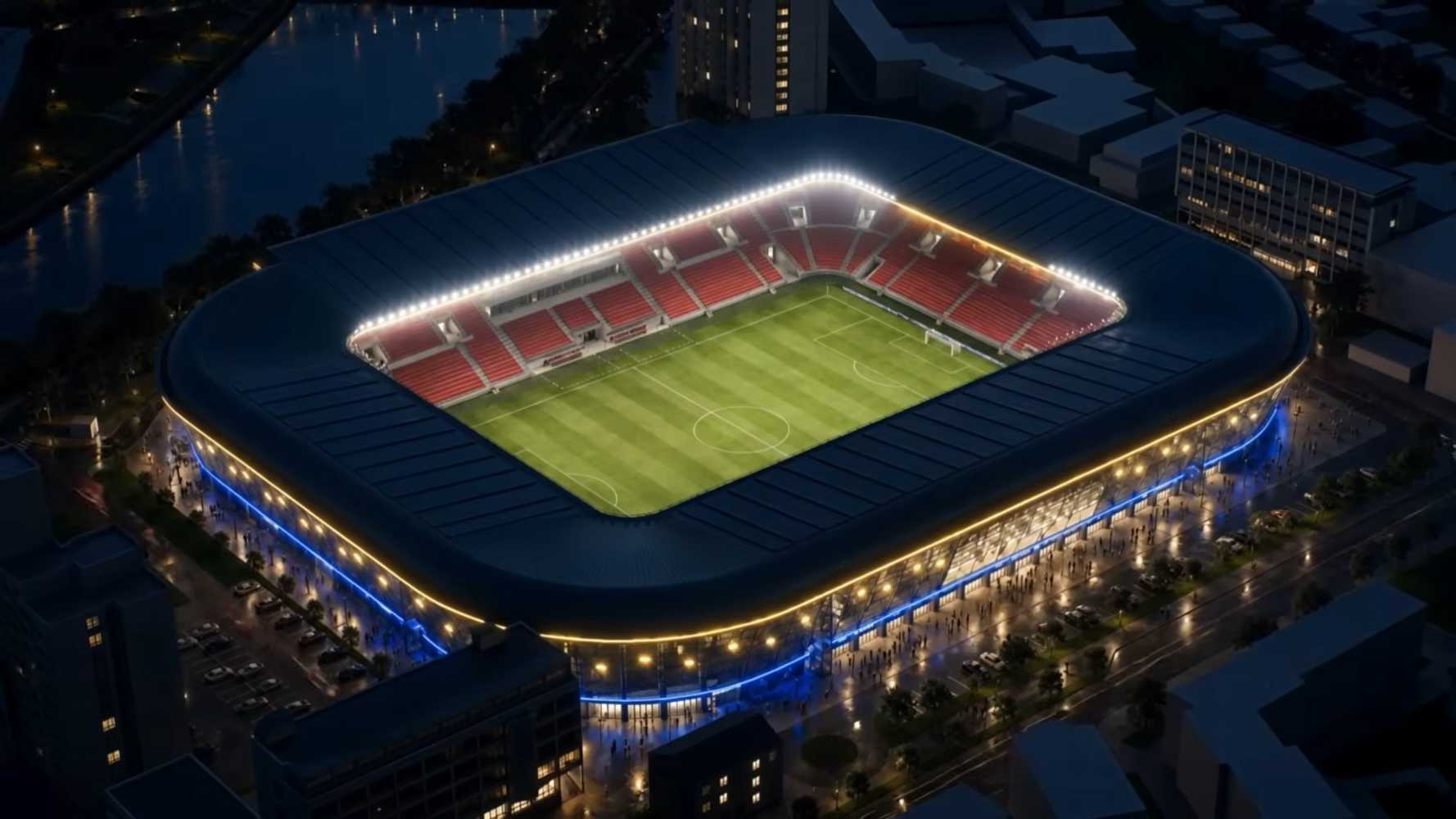
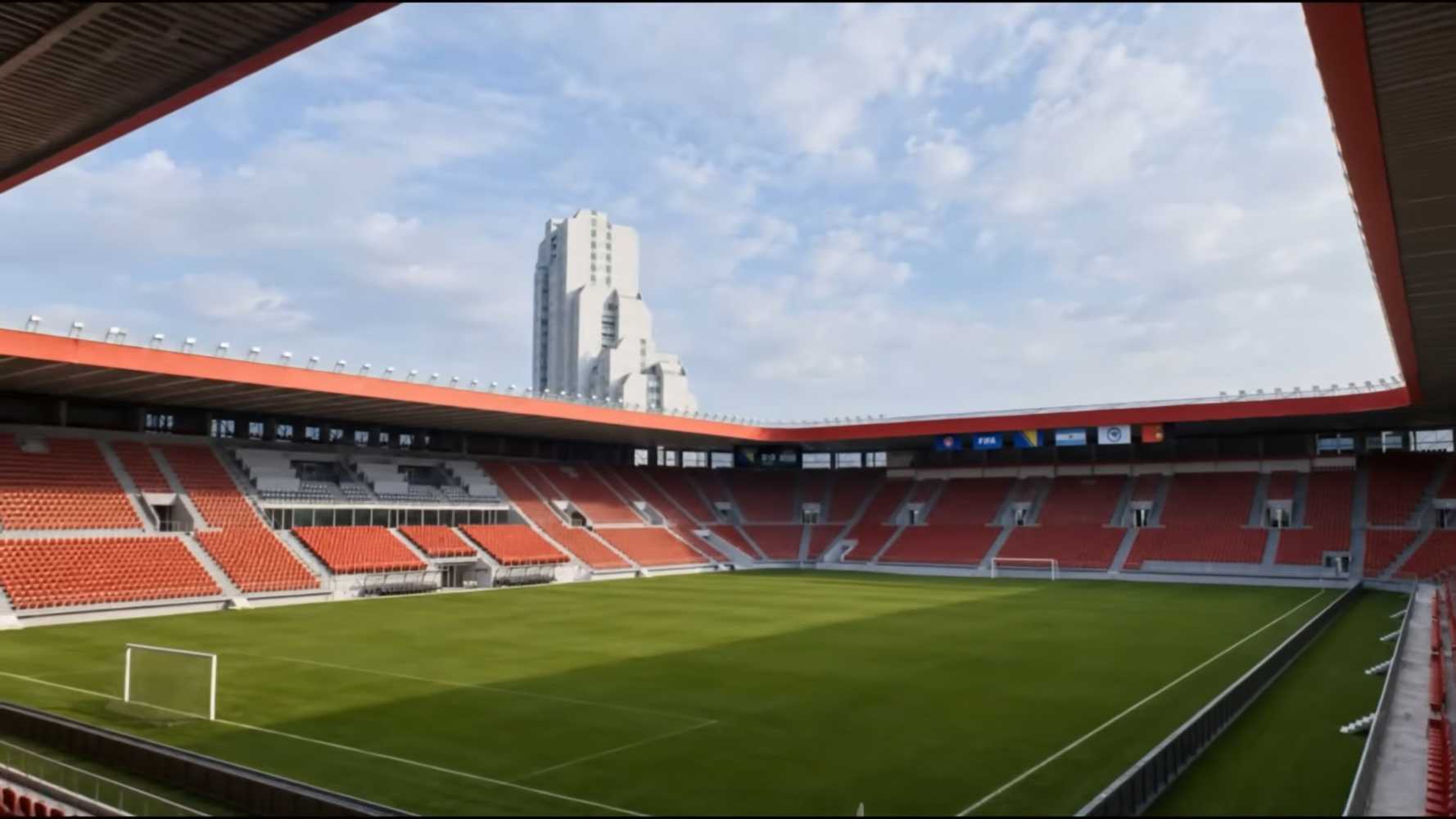
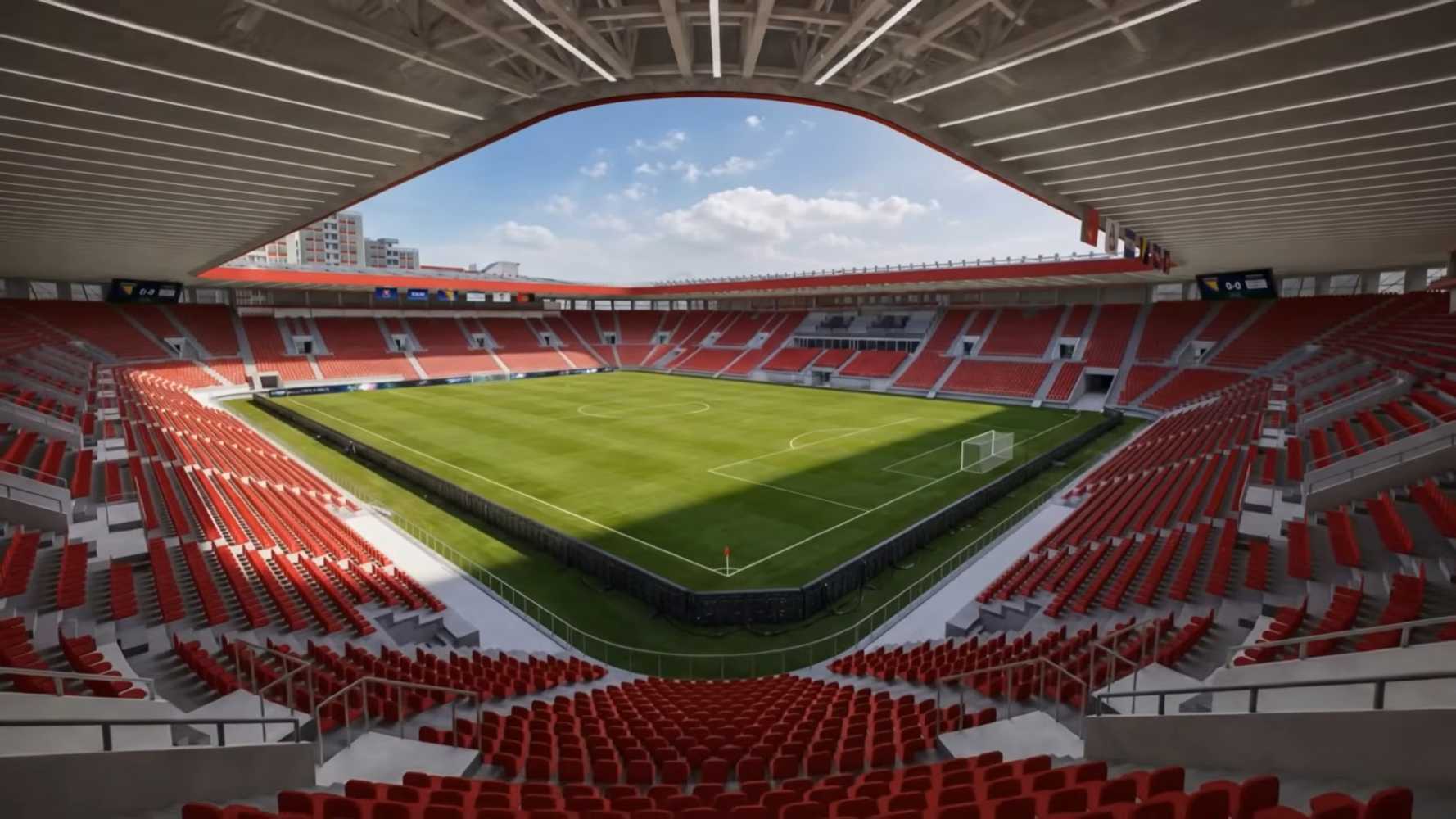
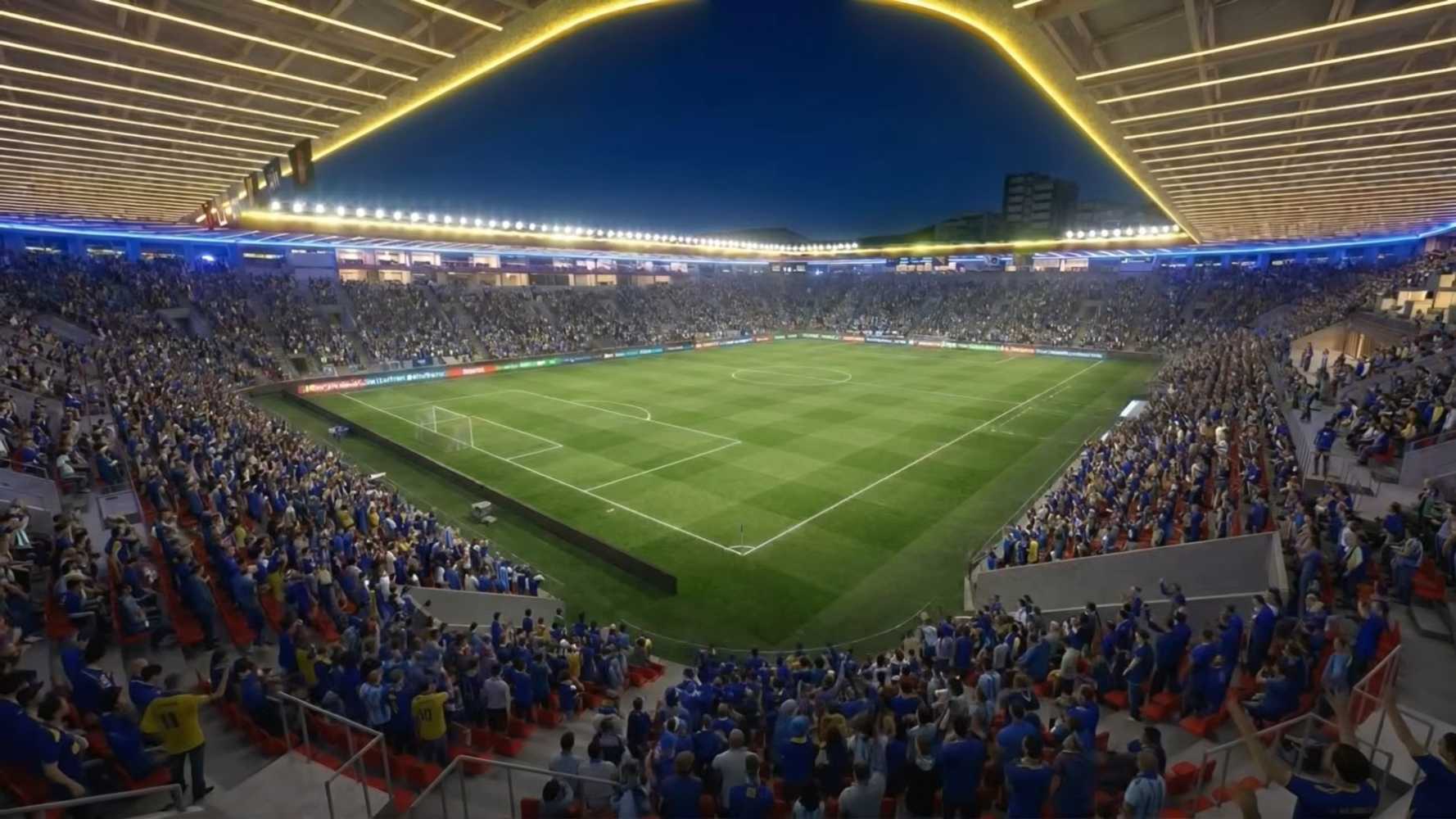
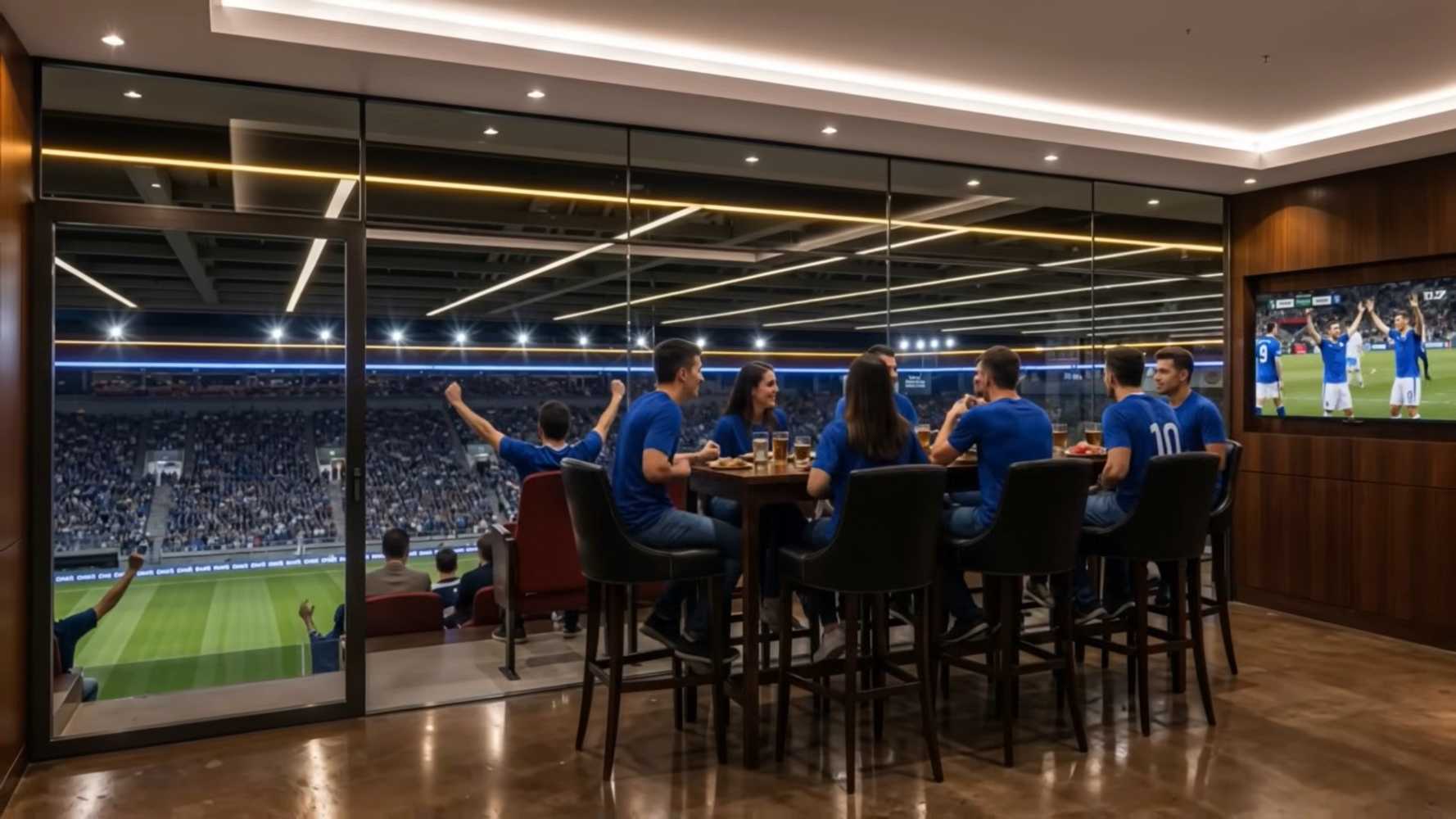
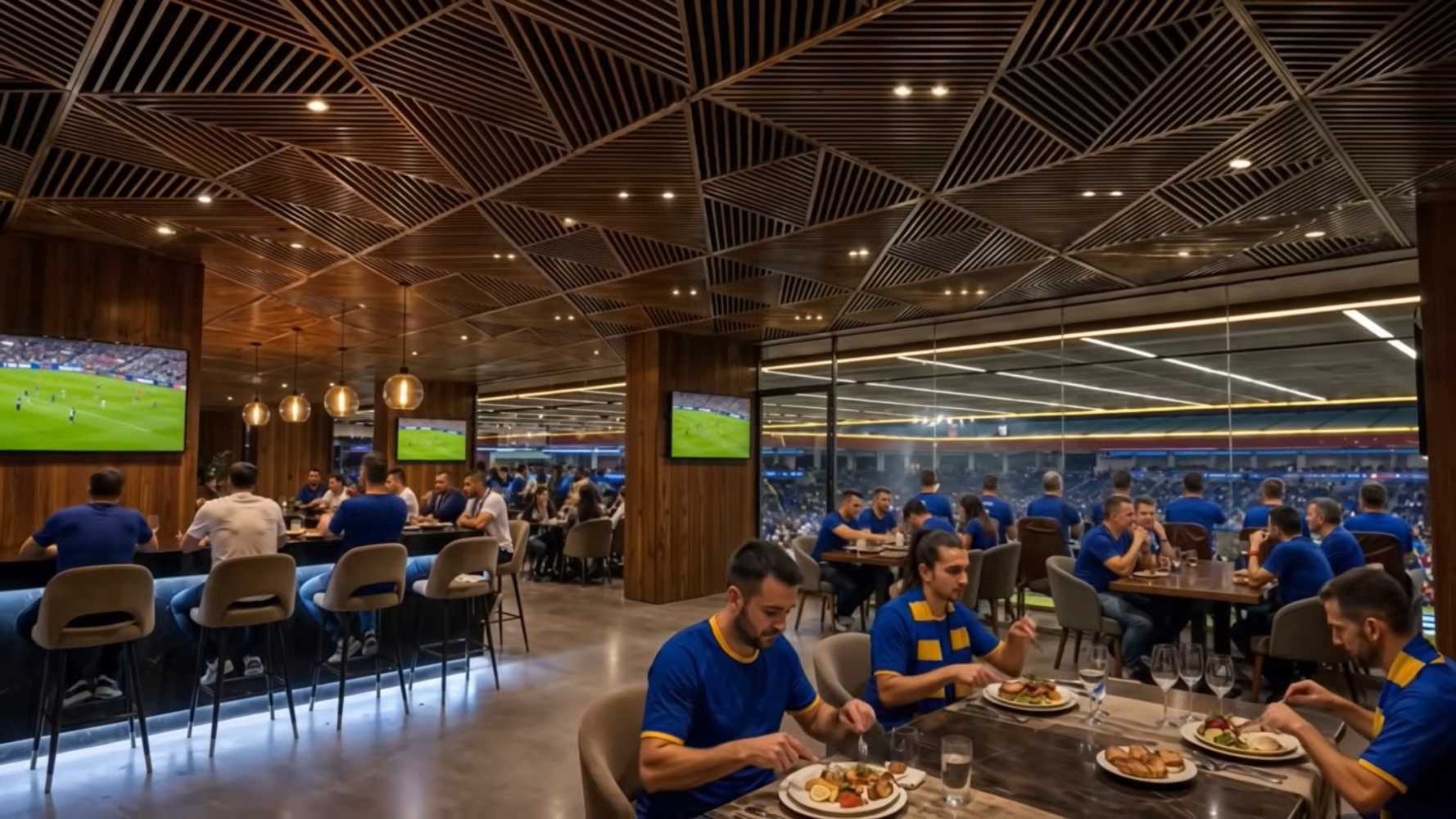
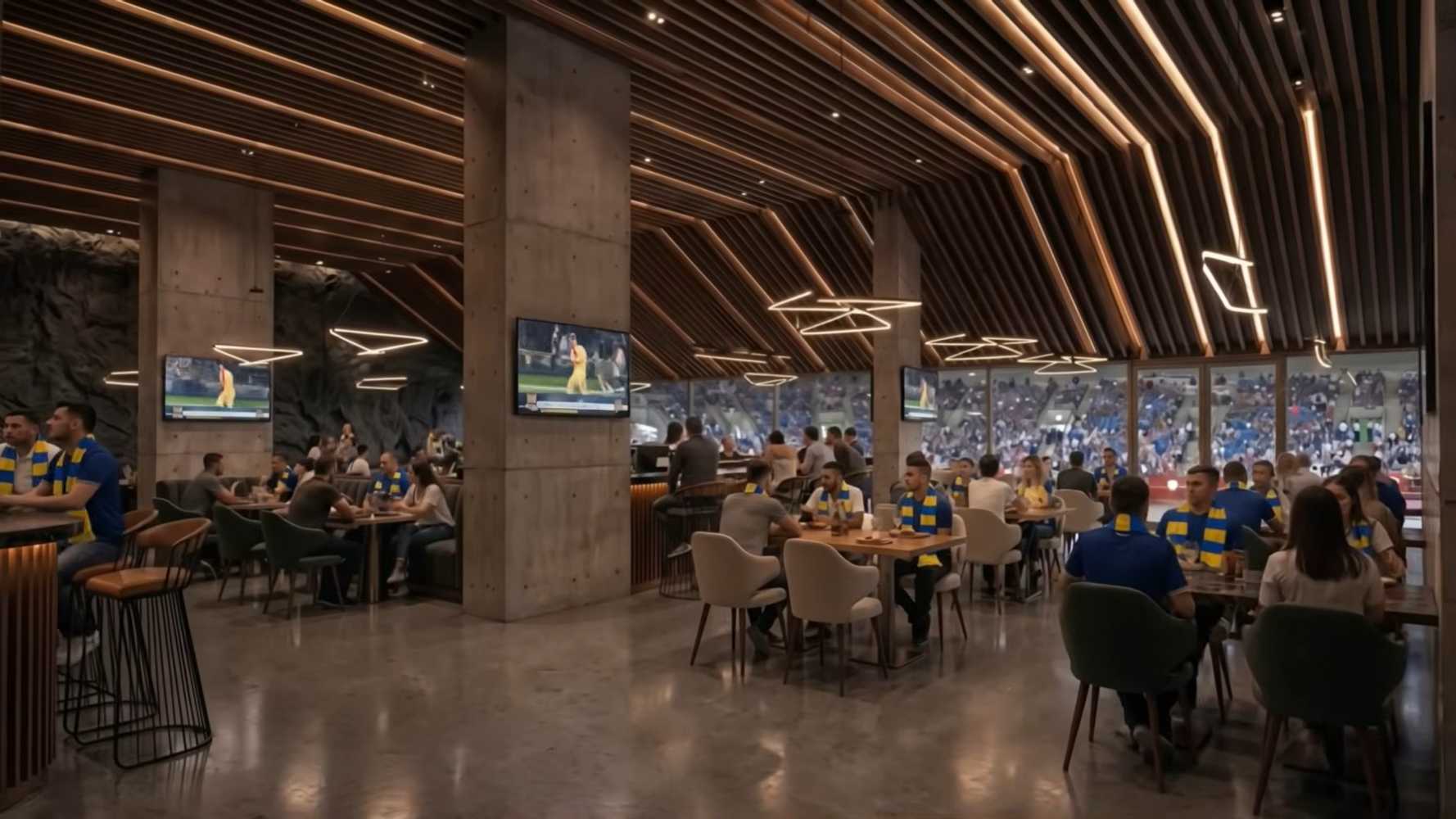
The plan foresees the construction of a modern, football-specific stadium with a capacity of 18,000 spectators, meeting UEFA Category 4 requirements. The venue is intended to be built on the site of the existing Bilino Polje Stadium, with works to be carried out in phases – stand by stand – in order to maintain continuous operation.
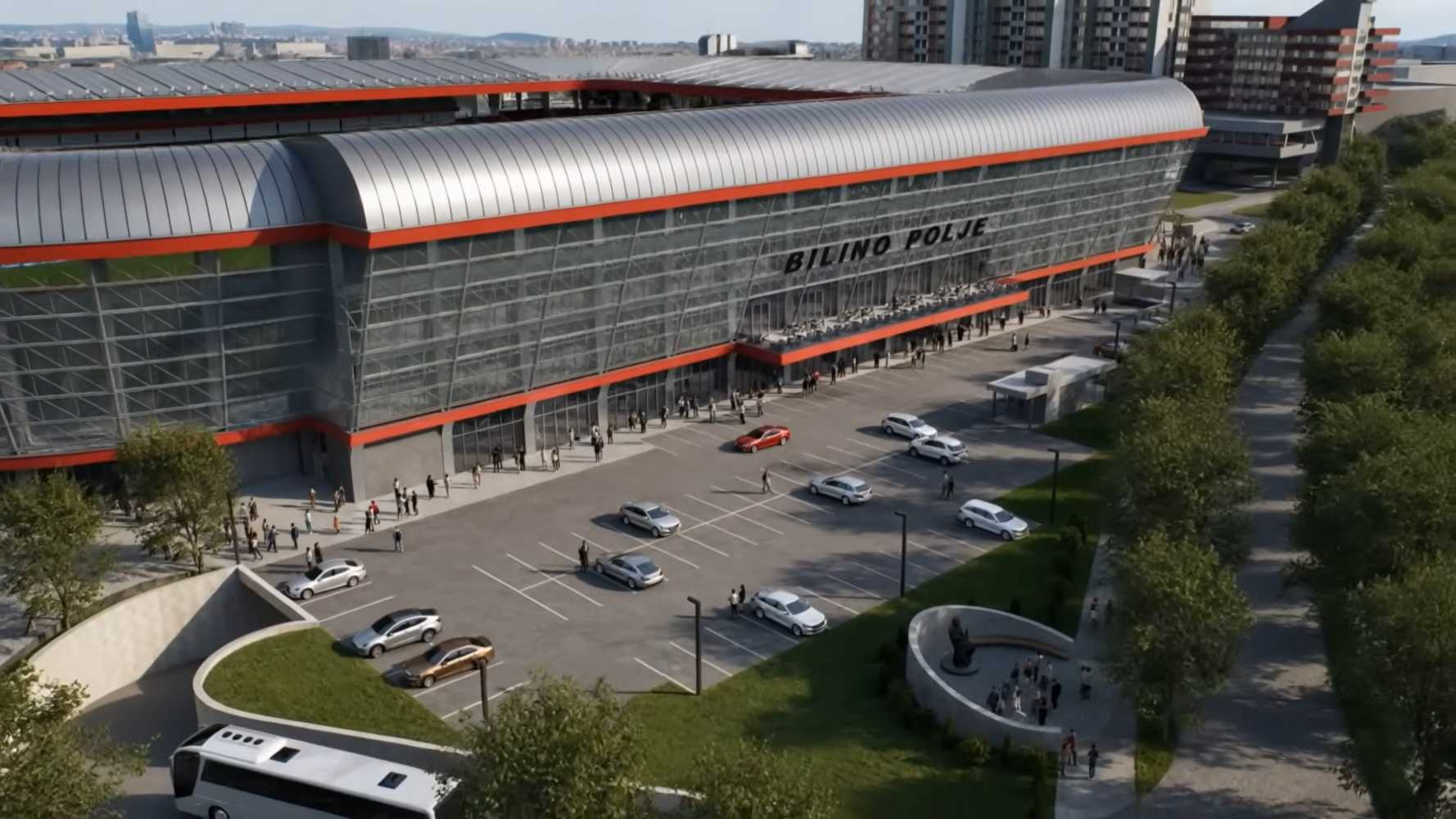
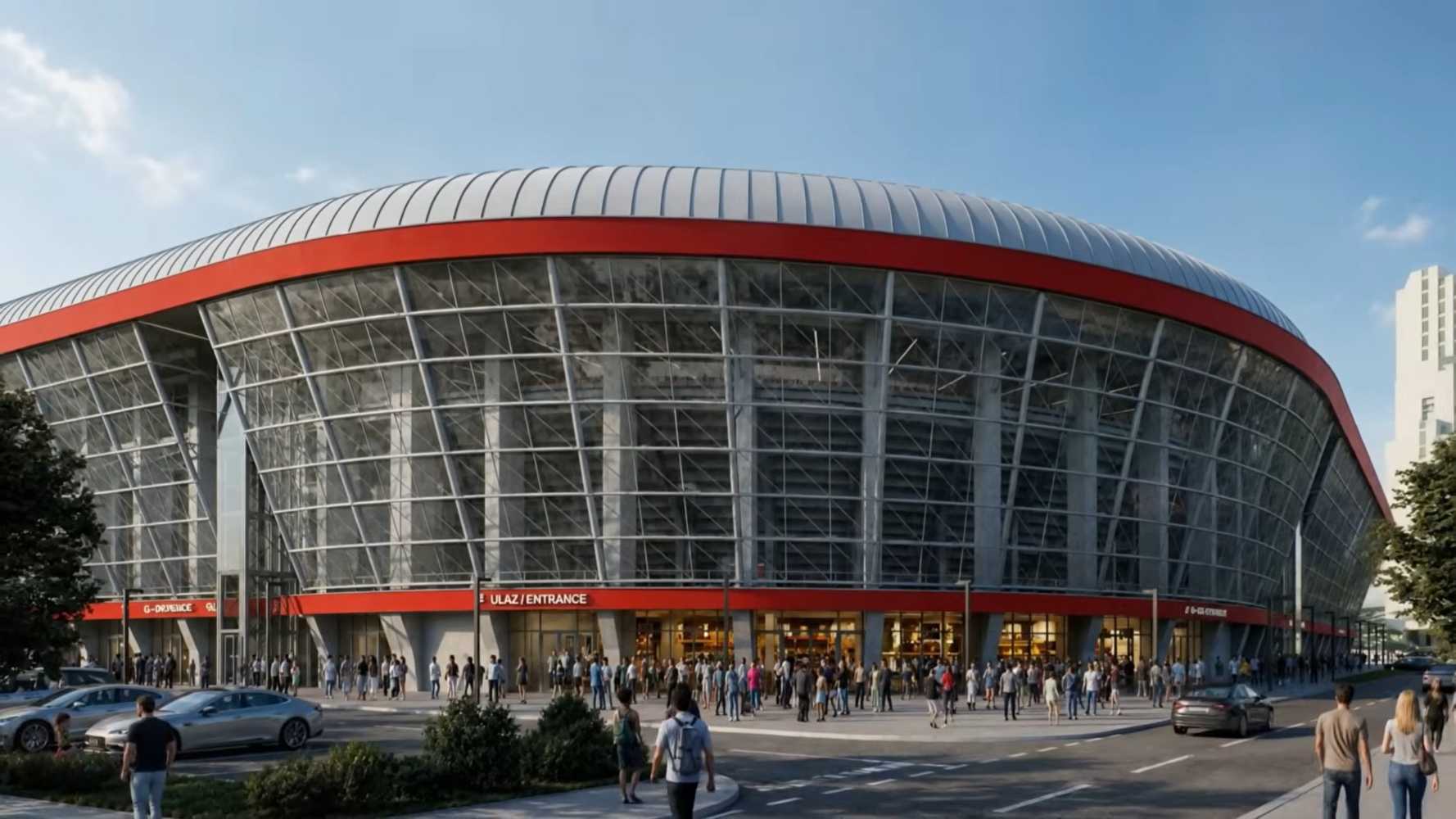
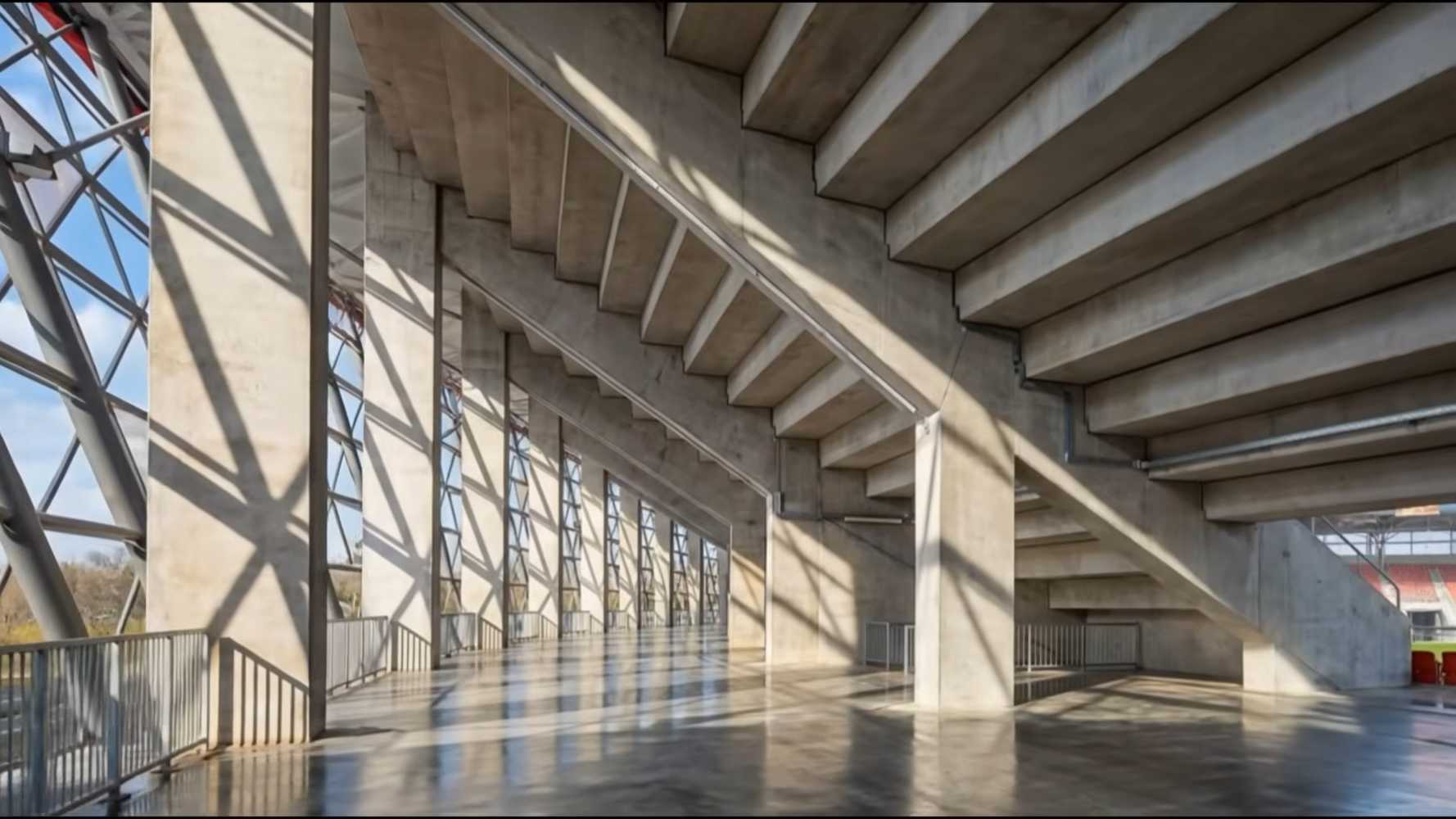
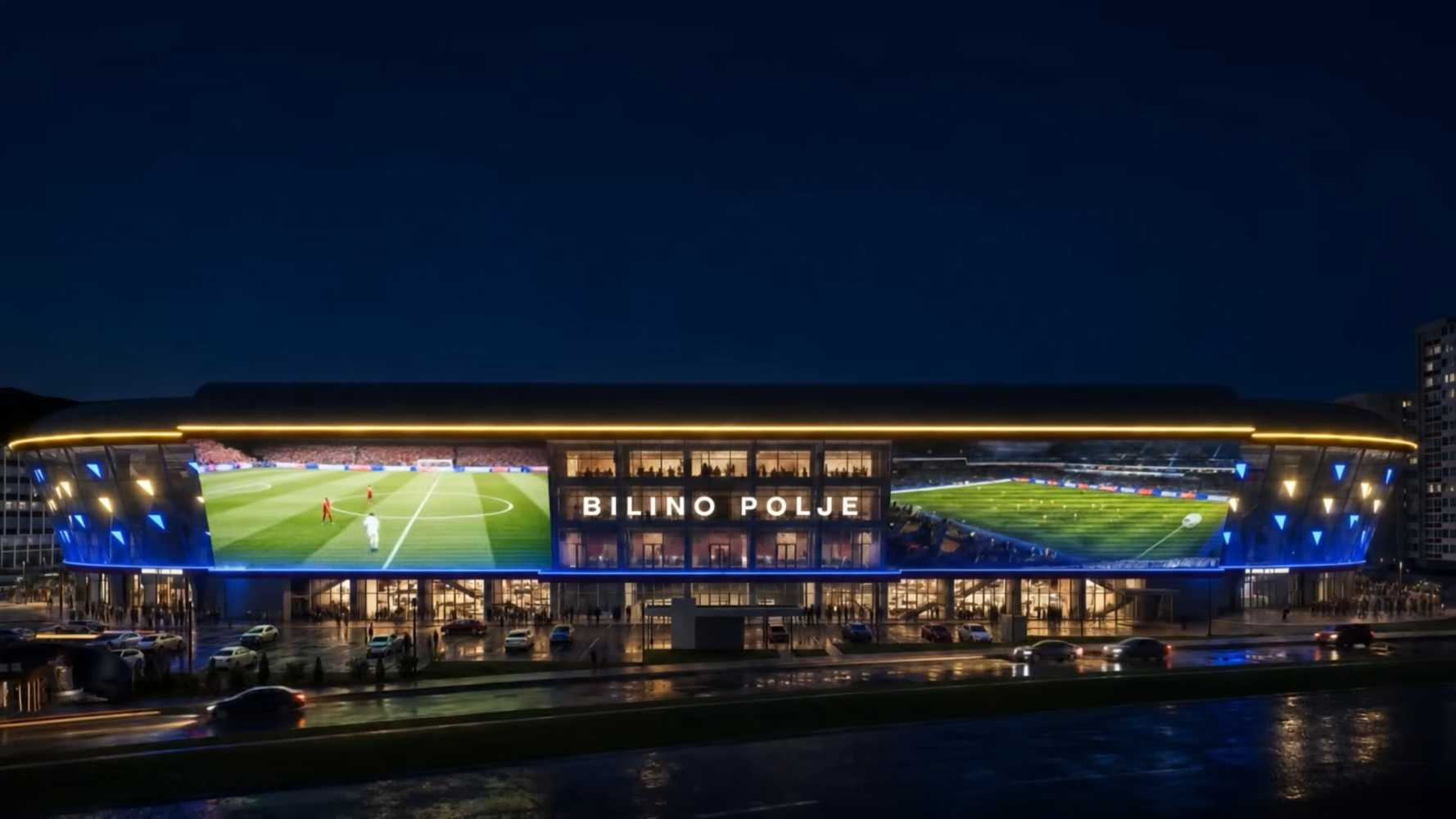
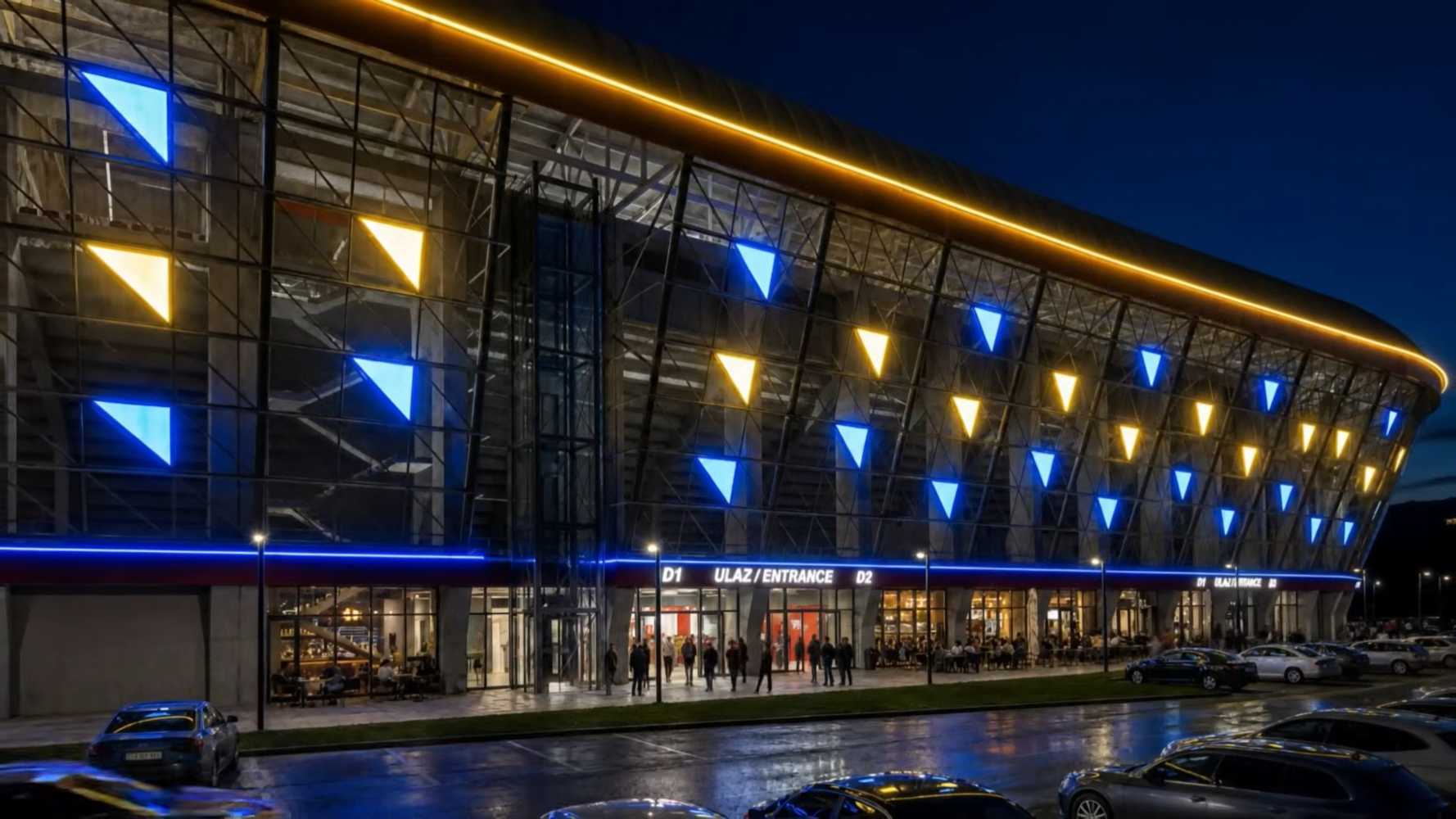
The stadium will feature a rectangular form with rounded corners, and all stands will be fully covered. The main stand, located on the side of the Bosna River, will be slightly larger than the others. The exterior will be topped with a glass facade, allowing for illumination and the display of coloured animations.
The construction cost is estimated at around 130 million convertible marks (BAM). The project is expected to be financed through cooperation between the football association and the city and cantonal authorities, with anticipated support from the national government and even UEFA. The most optimistic scenario foresees construction starting at the end of 2026, with completion targeted for 2029.
Following the reconstruction, the stadium is expected to officially obtain the status of the national stadium of Bosnia and Herzegovina. It will remain the main venue for the national team’s matches, while also continuing to serve as the home ground of NK Čelik Zenica.
Advertisement
Renderings
-
2026 © AKSA d.o.o Zenica 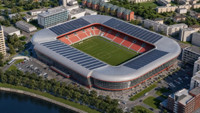
2026 © AKSA d.o.o Zenica 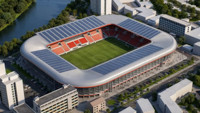
2026 © AKSA d.o.o Zenica 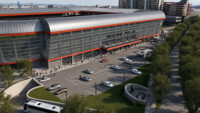
2026 © AKSA d.o.o Zenica 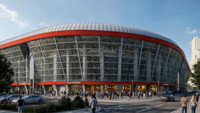
2026 © AKSA d.o.o Zenica 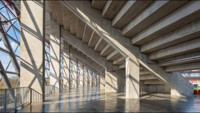
2026 © AKSA d.o.o Zenica 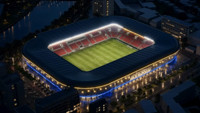
2026 © AKSA d.o.o Zenica 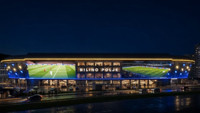
2026 © AKSA d.o.o Zenica 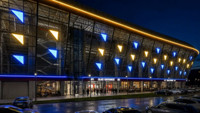
2026 © AKSA d.o.o Zenica 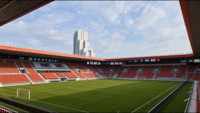
2026 © AKSA d.o.o Zenica 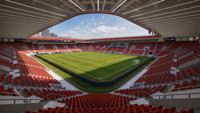
2026 © AKSA d.o.o Zenica 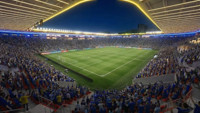
2026 © AKSA d.o.o Zenica 
2026 © AKSA d.o.o Zenica 
2026 © AKSA d.o.o Zenica 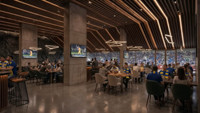
2026 © AKSA d.o.o Zenica 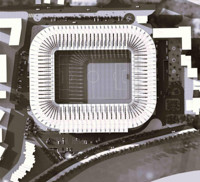
2025 © Nogometni/Fudbalski savez Bosne i Hercegovine 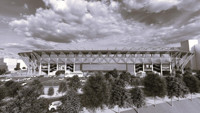
2025 © Nogometni/Fudbalski savez Bosne i Hercegovine 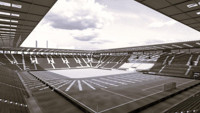
2025 © Nogometni/Fudbalski savez Bosne i Hercegovine
2025: