 StadiumDB
Kazhymukan Munaitpasuly Stadium – until 2024
| Capacity | 12 250 |
|---|---|
| Country | Kazakhstan |
| City | Astana |
| Clubs | FK Astana 1964 |
| Retire year | 2024 |
| Other names | Lokomotiv, Iskra, Burevestnik, Enbek, Torpedo, Dinamo, Energia |
| Inauguration | 1936 |
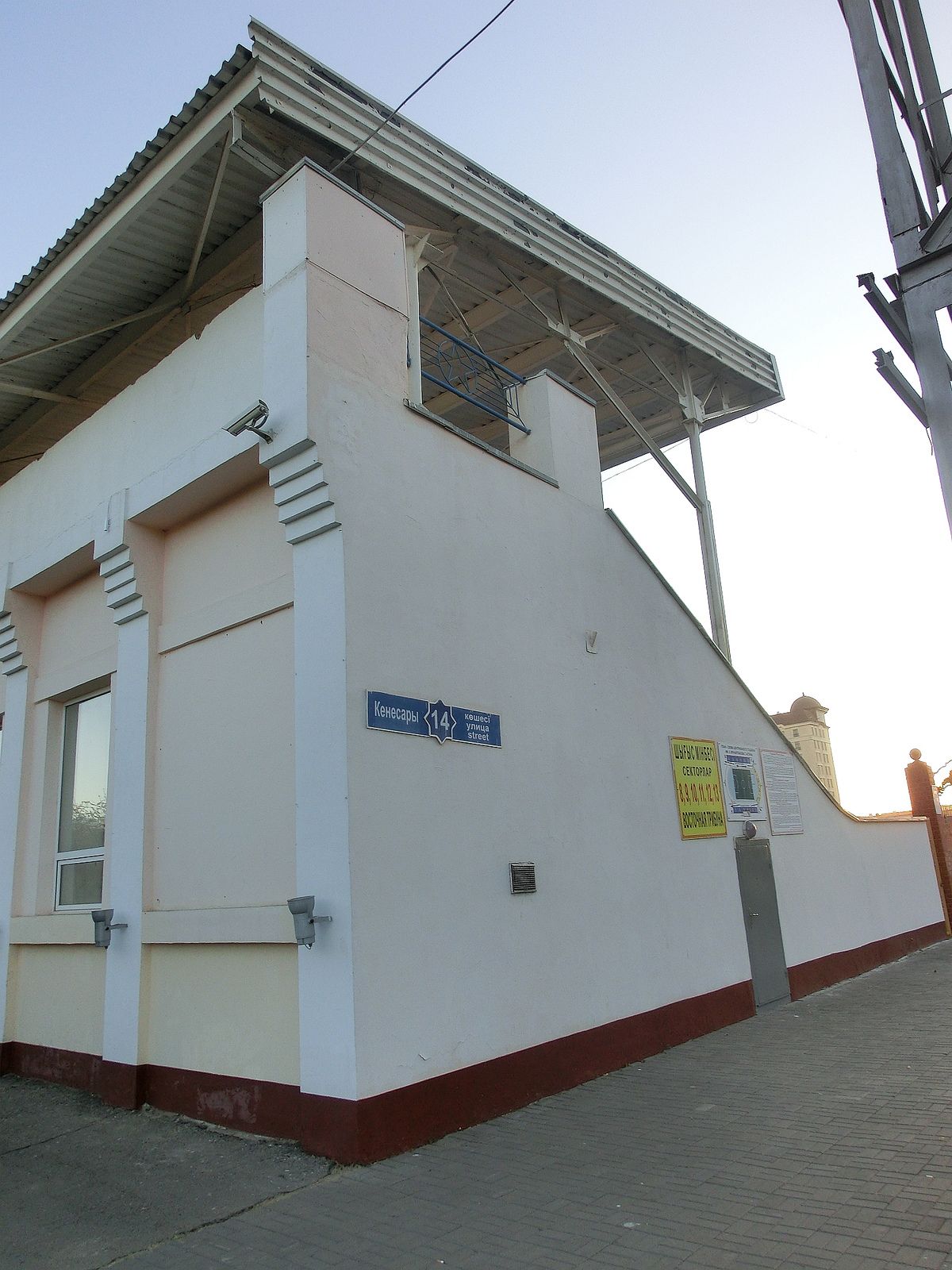
| Address | ul. Kenesary 14, 010000 Astana |
Advertisement
Kazhymukan Munaitpasuly Stadium – historical stadium description
What is a brief overview of the old Kazhymukan Munaitpasuly Stadium in Astana?
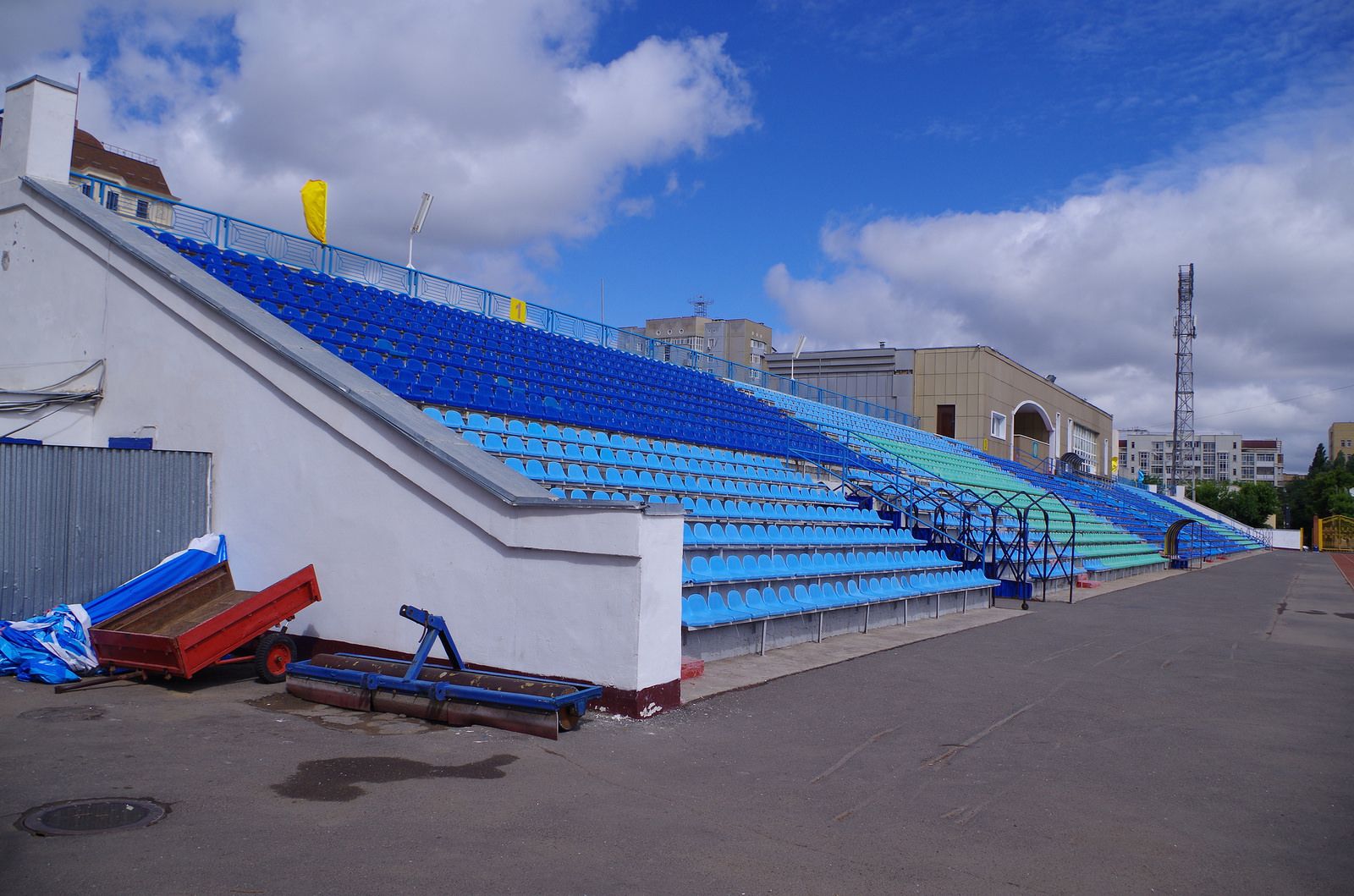
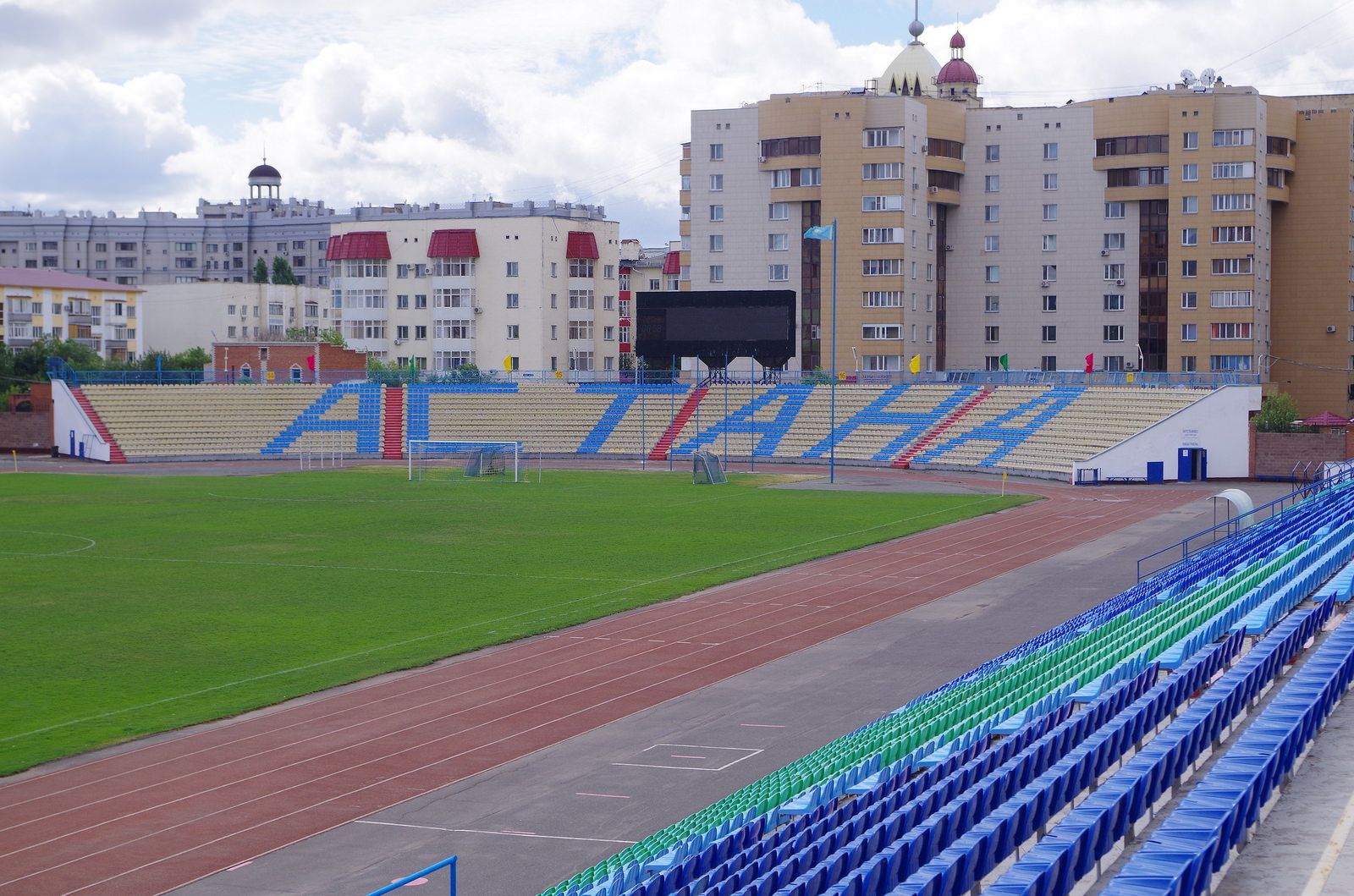
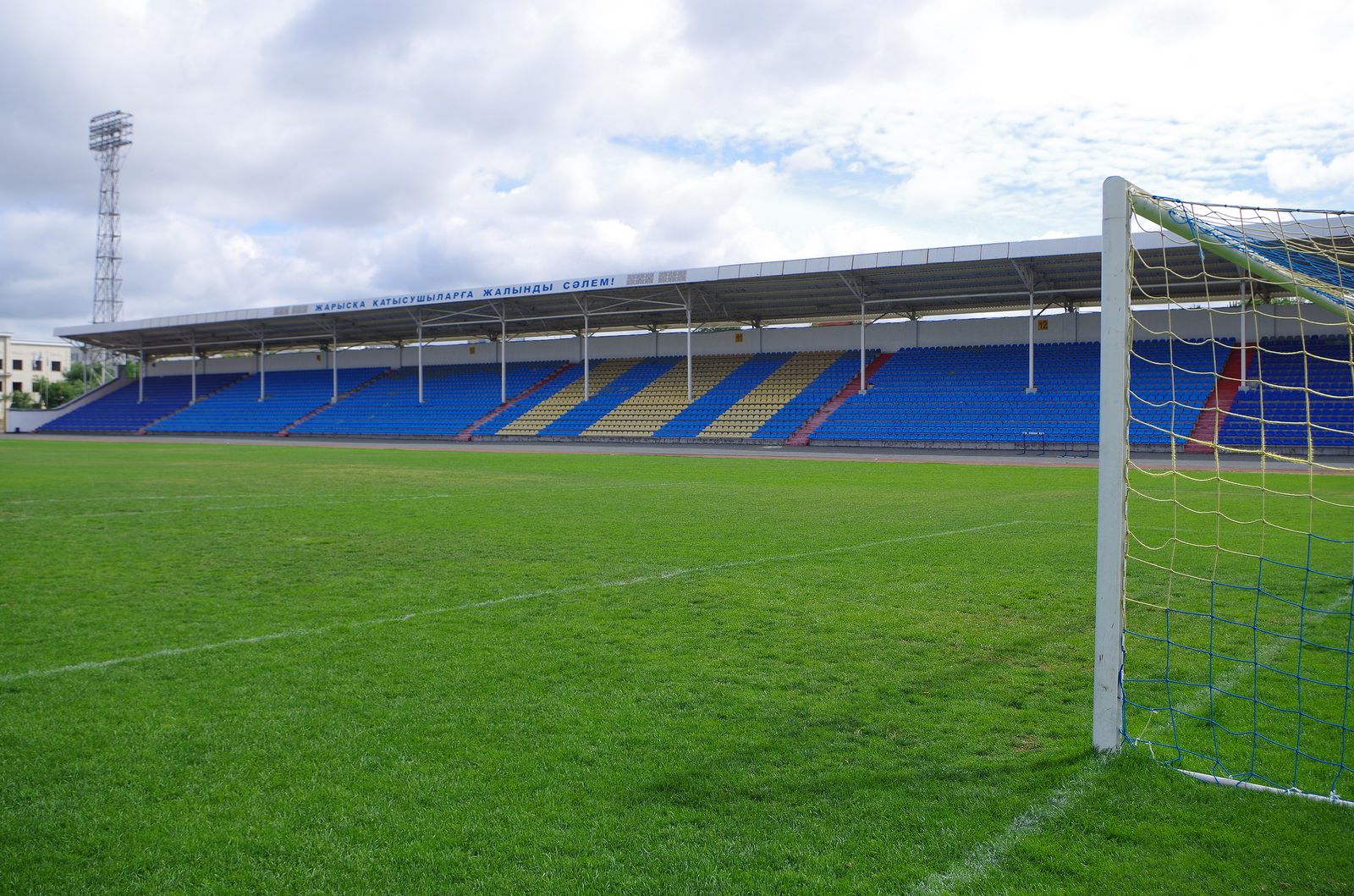
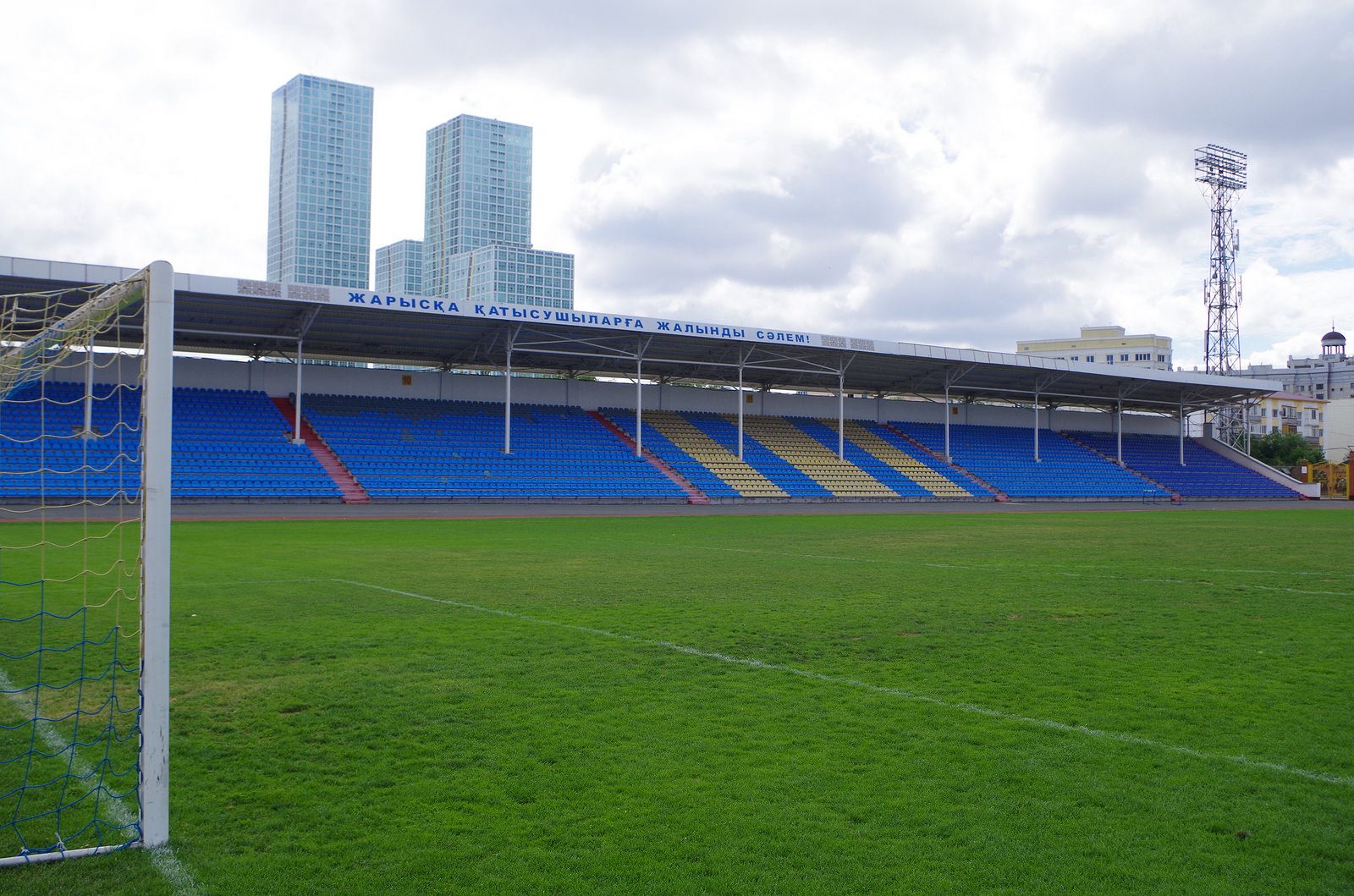
The first stadium in Astana was built in the 1930s on the site of the former Akmola fortress. Initially a modest facility, it was gradually expanded, and in the early 1960s it underwent a comprehensive reconstruction, receiving two masonry stands along the pitch. In 1998, a third stand was added behind the southern curve of the running track.
For many years, it was the city’s main stadium until 2009, when the modern Astana Arena was opened. In 1998, the venue hosted ceremonies related to the relocation of the capital from Almaty to Astana. It also hosted the Kazakhstan Cup finals twice, in 2000 and 2001.
In 1964, the football club Dinamo became the stadium’s main tenant. Competing later under various names, the club went on to win the Kazakh championship three times. The stadium itself also changed its name several times before being named in 1986 after the legendary Kazakh wrestler Kazhymukan Munaitpasuly.
In 2020, the aging stadium was closed in anticipation of renovation works. However, the planned refurbishment was never carried out, and instead the facility was completely demolished at the turn of 2024 and 2025. A new, significantly smaller but fully roofed stadium was built in its place and opened in June 2026.
What were the origins of the Kazhymukan Munaitpasuly Stadium in Astana?
In 1931, members of the Komsomol, together with soldiers of the 14th Cavalry Regiment, began clearing the ruins of a 19th-century fortress (the Akmola fortification) and the former parade ground. This created space for a new sports facility – in 1936, the first wooden stands were built, accommodating around 500 spectators.
In 1938, the stadium was taken over by the newly established sports society “Strela”, which soon changed its name to “Lokomotiv” and united railway workers. Under Lokomotiv’s management, a stadium fence, an athletics track, and a new stand with a capacity of 2,000 seats were constructed.
Between 1951 and 1962, the facility was managed by various sports associations, which led to frequent name changes – successively it was known as “Iskra”, “Burevestnik”, “Enbek”, and “Torpedo”. During the winter season, the pitch was converted into a bandy ice rink.
Which club was most closely associated with the Kazhymukan Munaitpasuly Stadium in Astana?
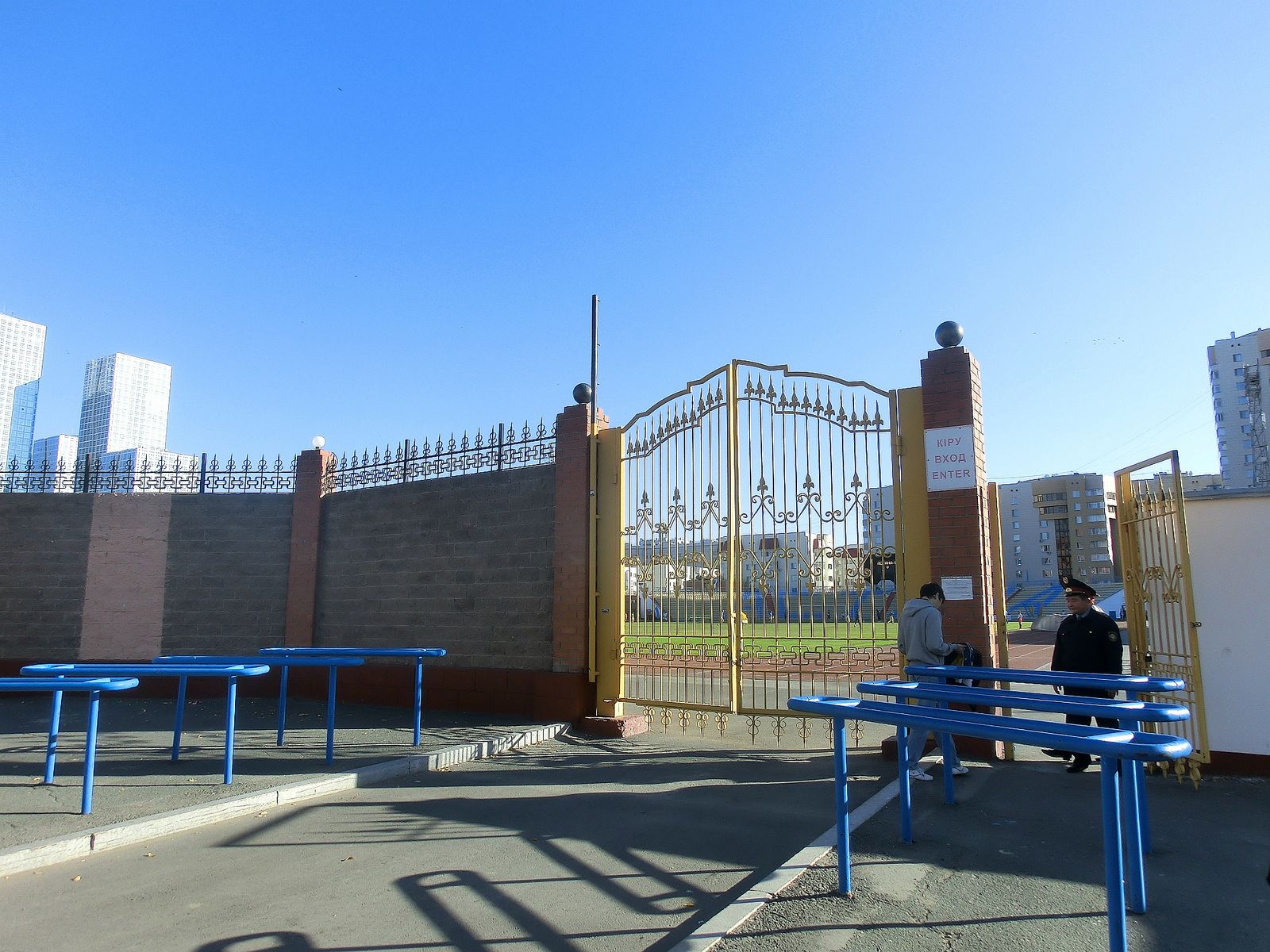
In the early 1960s, masonry stands were built at the stadium. Following their completion, in 1964 the newly formed club Dinamo became the stadium’s main tenant, making its debut in the Soviet Class B, Zone 5 of the USSR Championship. At that time, the venue featured a distinctive entrance gate consisting of tall columns topped with arches.
In 1975, both the stadium and the club were transferred to the management of the state-owned energy company “Celinenergo”. The club was subsequently renamed “Celinnik”, while the stadium became known as “Energiya”. From the 1990s onwards, the club’s name changed frequently, with its last incarnation before dissolution in 2014 being “Astana-1964”.
After Kazakhstan gained independence in 1991, the club competed continuously in the Premier League until the 2008 season. During this period, the team won three national championships (2000, 2001, 2006) and three Kazakhstan Cups (2001, 2002, 2005), as well as making several appearances in European competitions.
When was the stadium in Astana named after Kazhymukan Munaitpasuly?
In 1986, it was decided that the stadium would be named after the legendary Kazakh wrestler Kazhymukan Munaitpasuly, a name it retained until its closure. Interestingly, another stadium in Shymkent is also named after this wrestler.
What was the fate of the Kazhymukan Munaitpasuly Stadium in Astana after Kazakhstan gained independence?
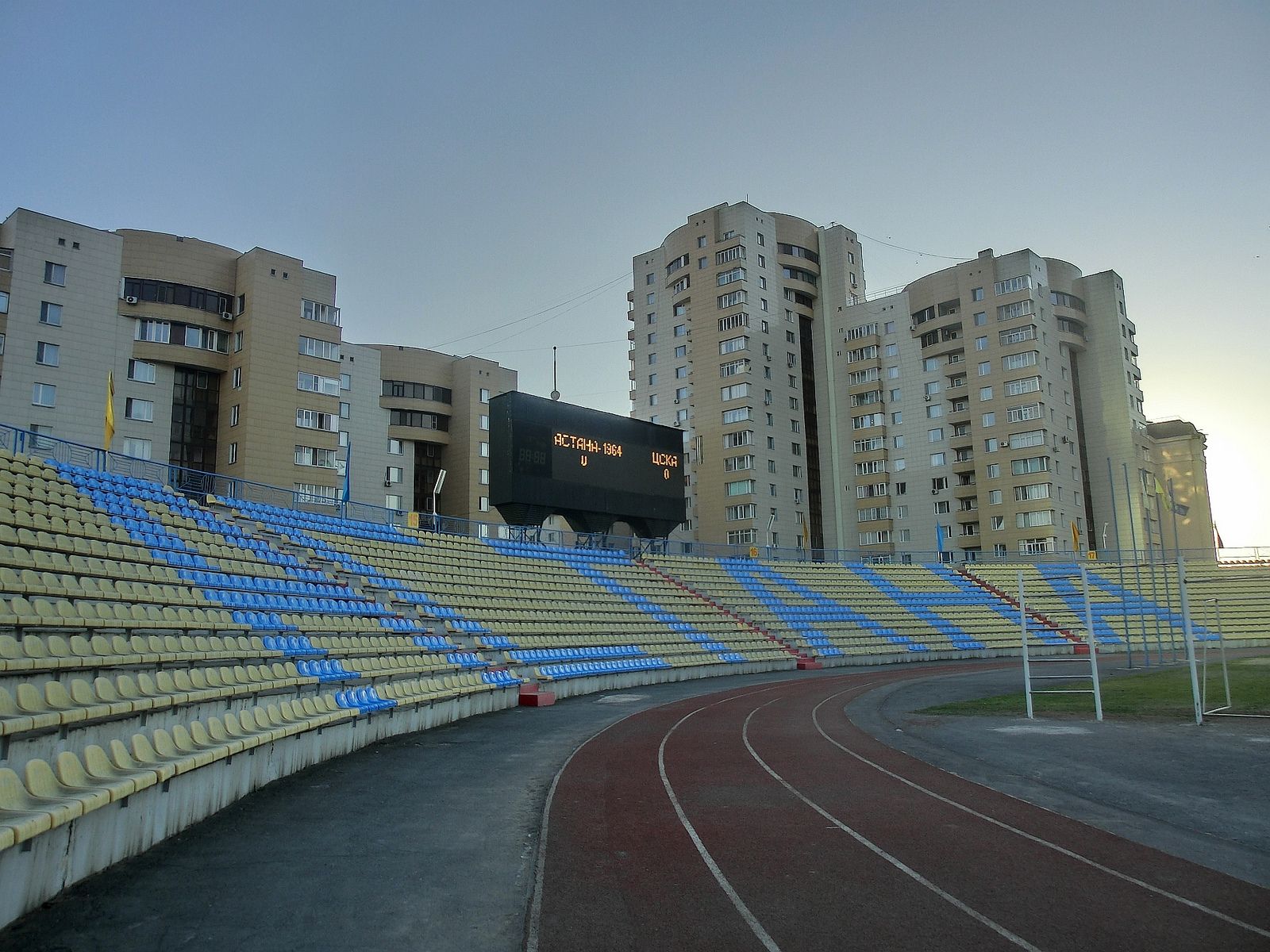
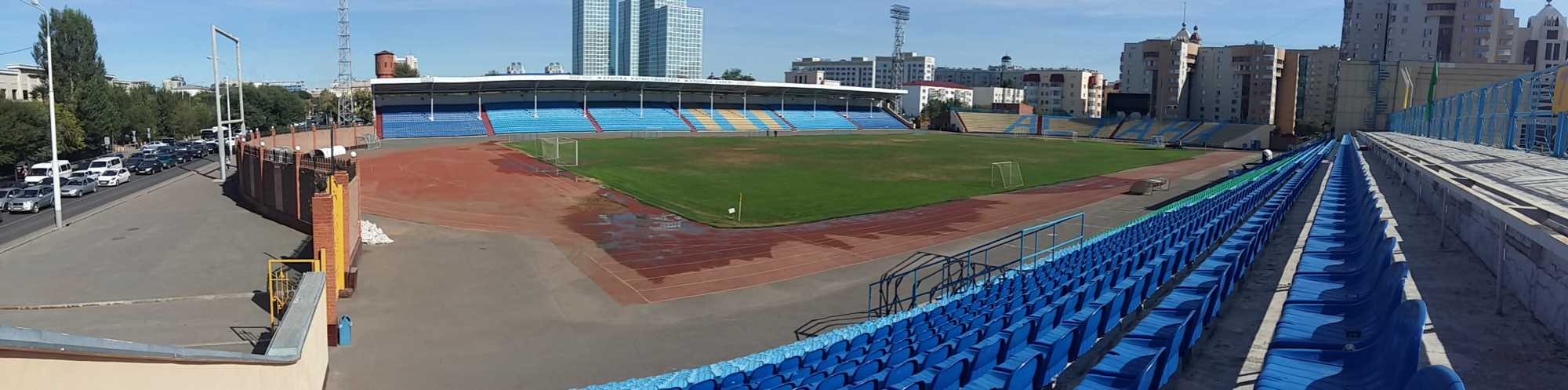
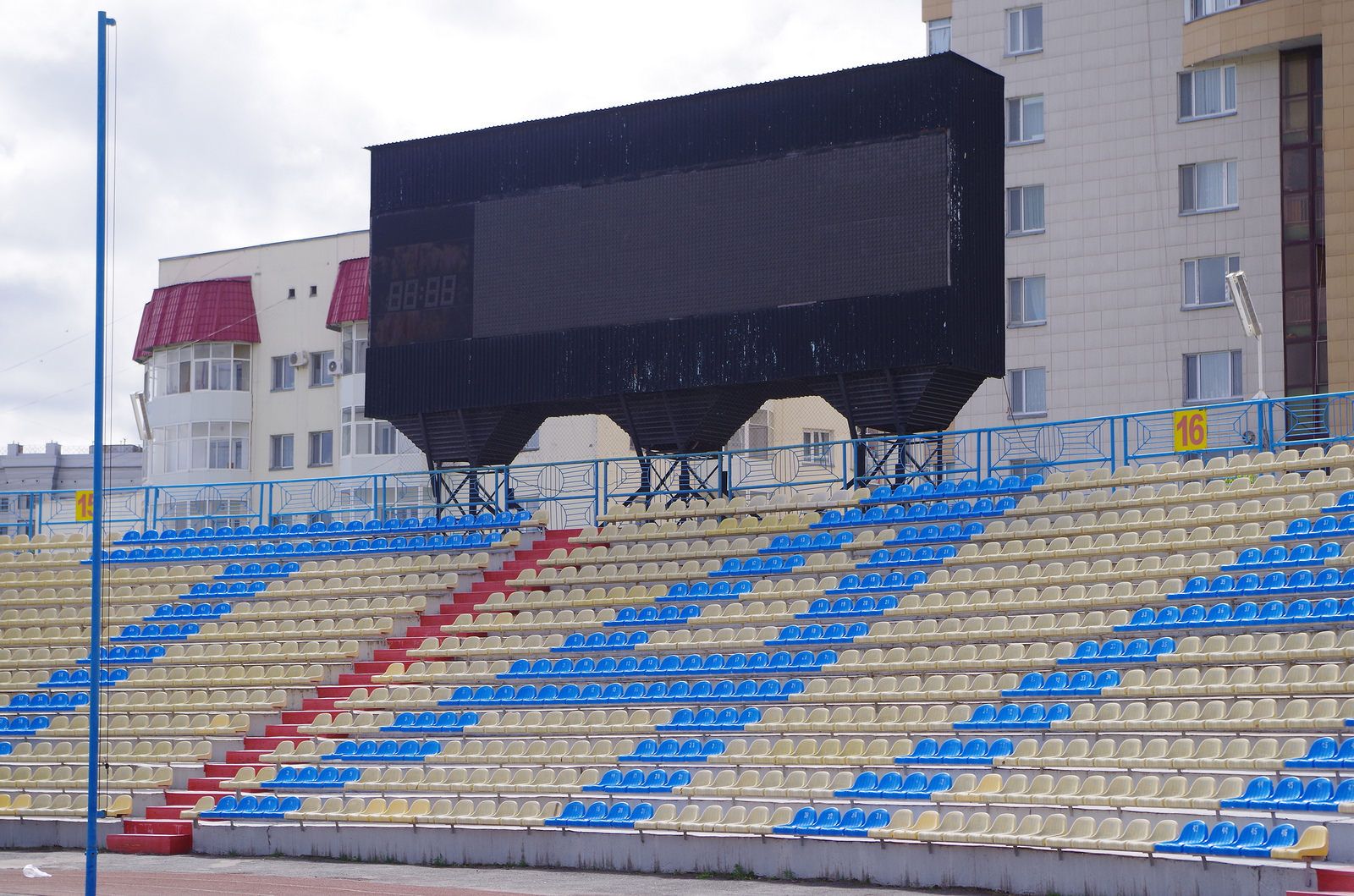
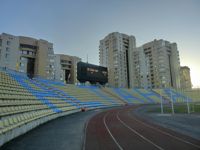
Since the 1960s, the stadium featured two stands located along the pitch. In 1998, a third stand was added behind the southern curve of the running track, along with a new electronic scoreboard.
The new stand was completed in time for the official celebrations marking the relocation of Kazakhstan’s capital from Almaty to Astana, held on 10 June 1998 (although the capital had formally been moved already in December 1997).
At the turn of the 20th and 21st centuries, the stadium hosted two Kazakhstan Cup finals:
- 6 July 2000: Kairat Almaty – Access-Golden Grain Petropavl 5–0
- 17 June 2001: Zhenis Astana – Irtysh Pavlodar 1–1 (pen. 5–4)
For many years, the venue held the status of Astana’s main stadium, a role later taken over by the new Astana Arena, opened in 2009. In addition to sporting events, the stadium hosted various cultural celebrations, including Capital City Day.
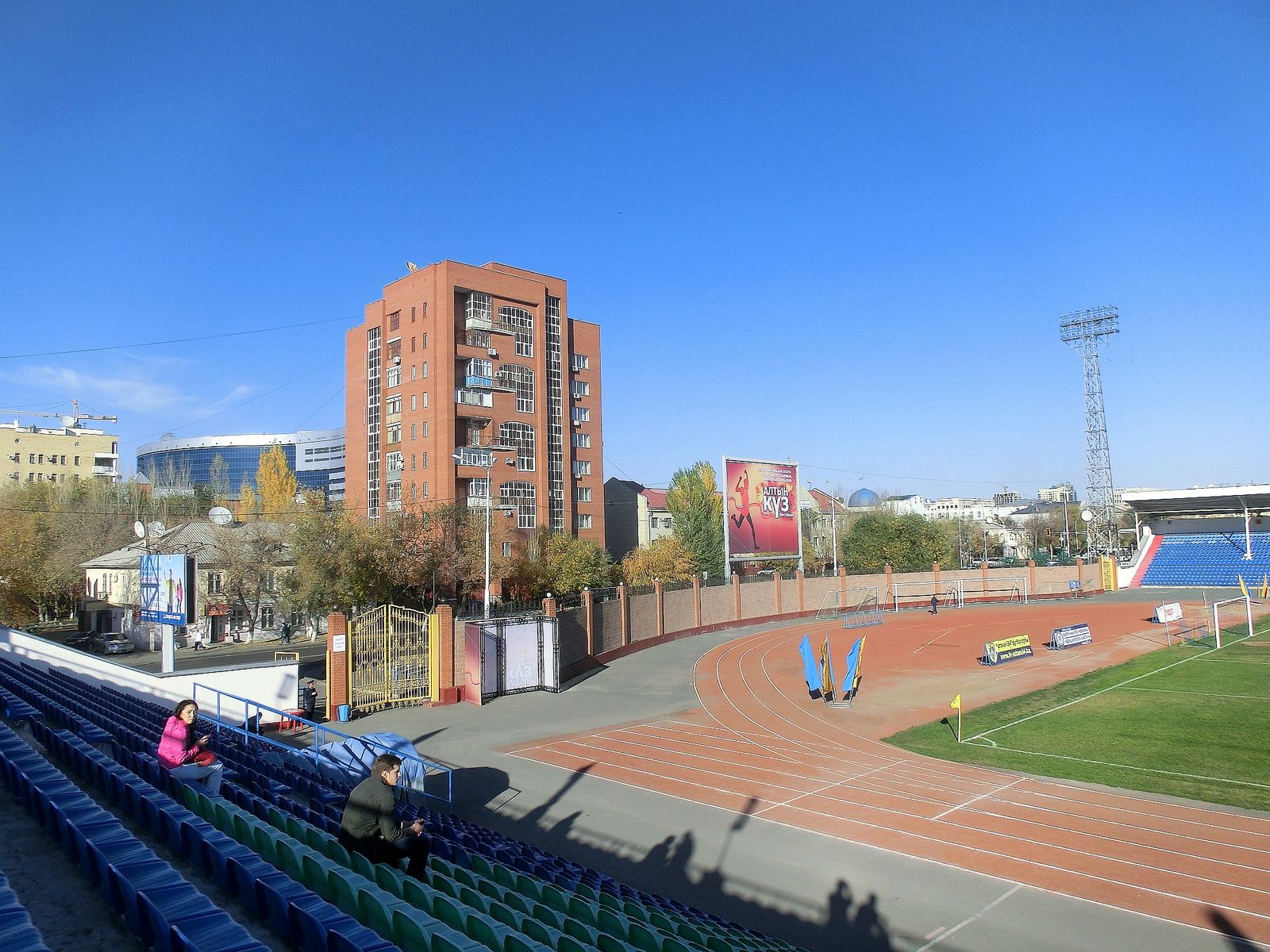
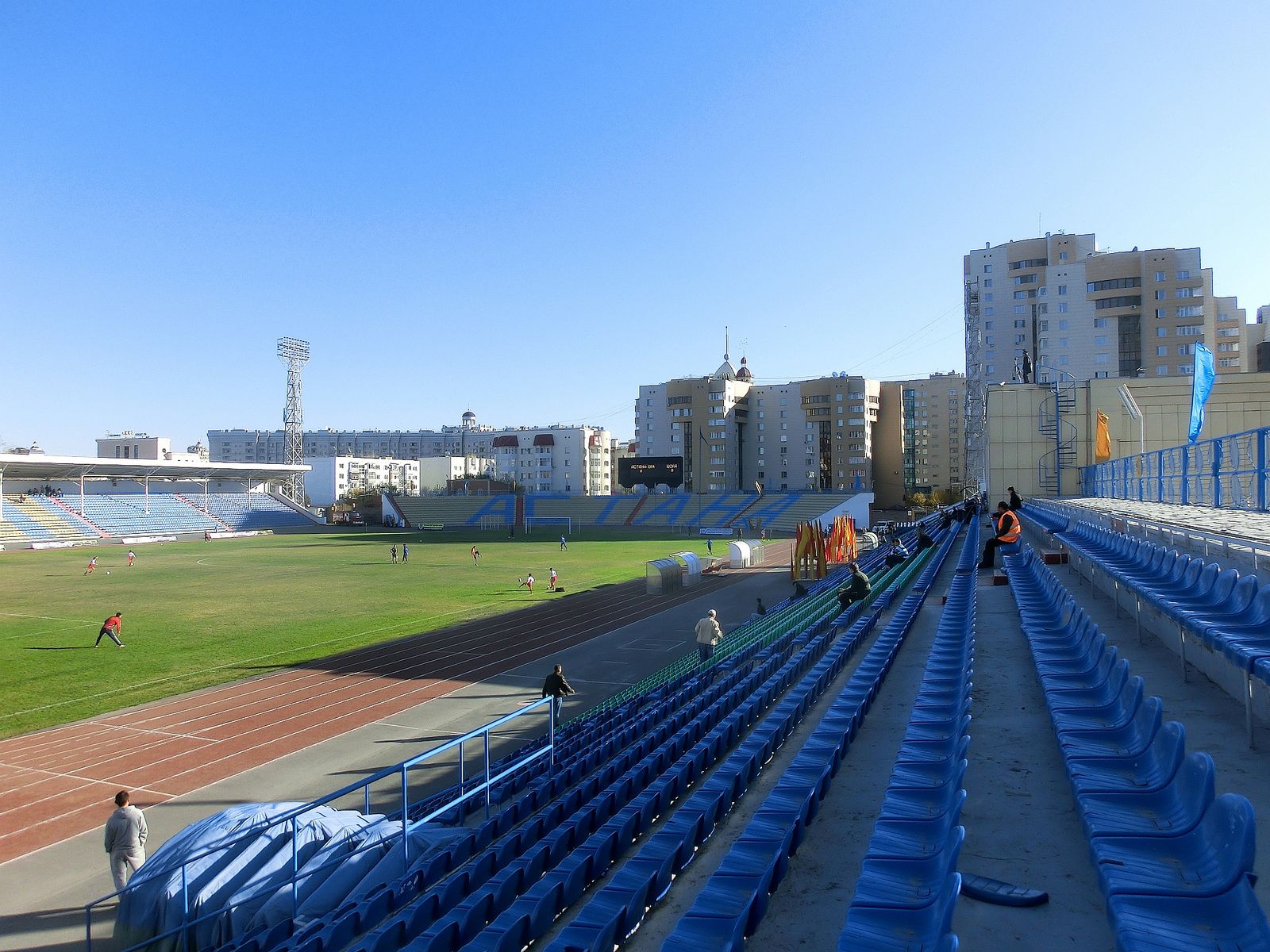
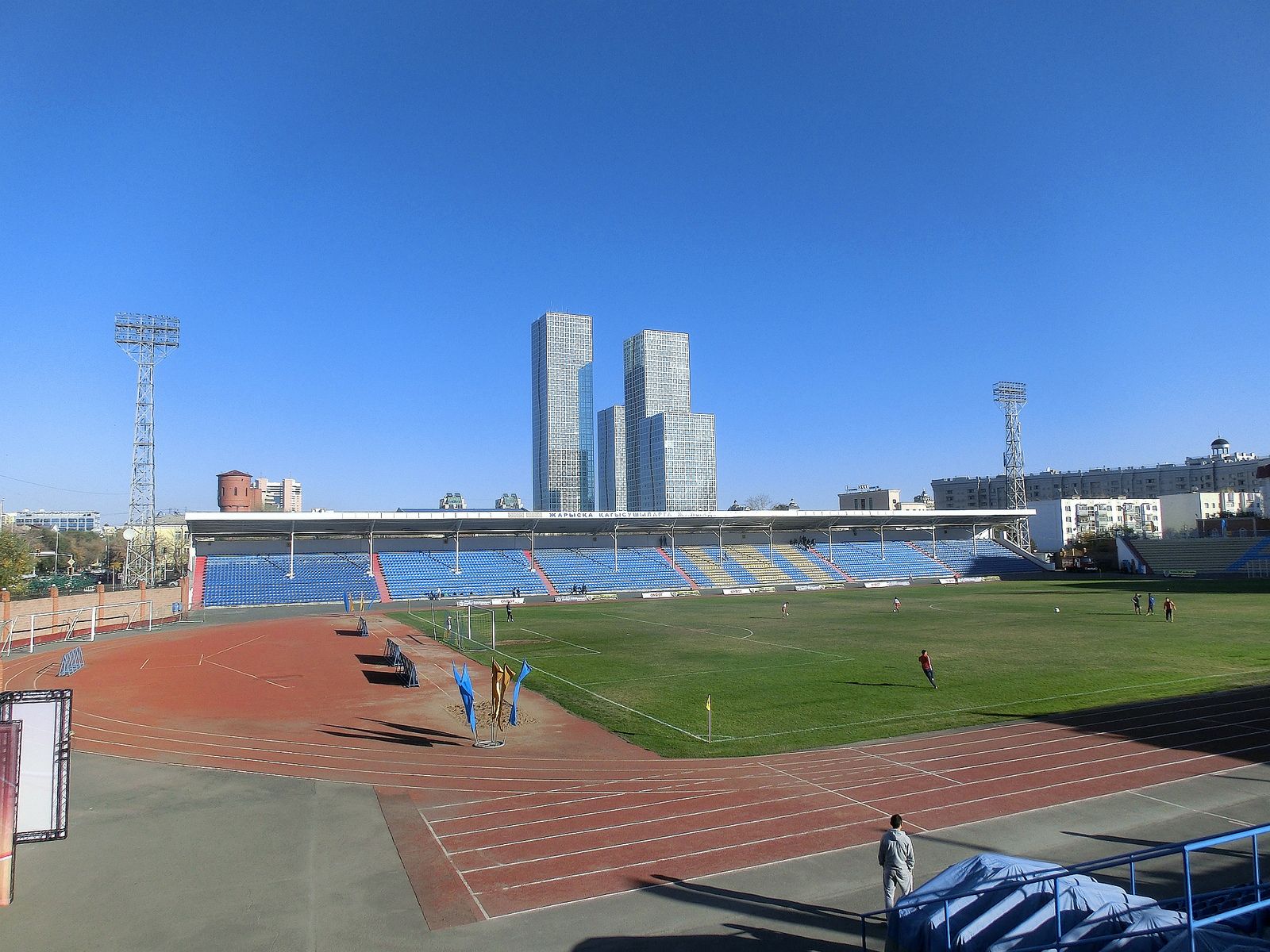
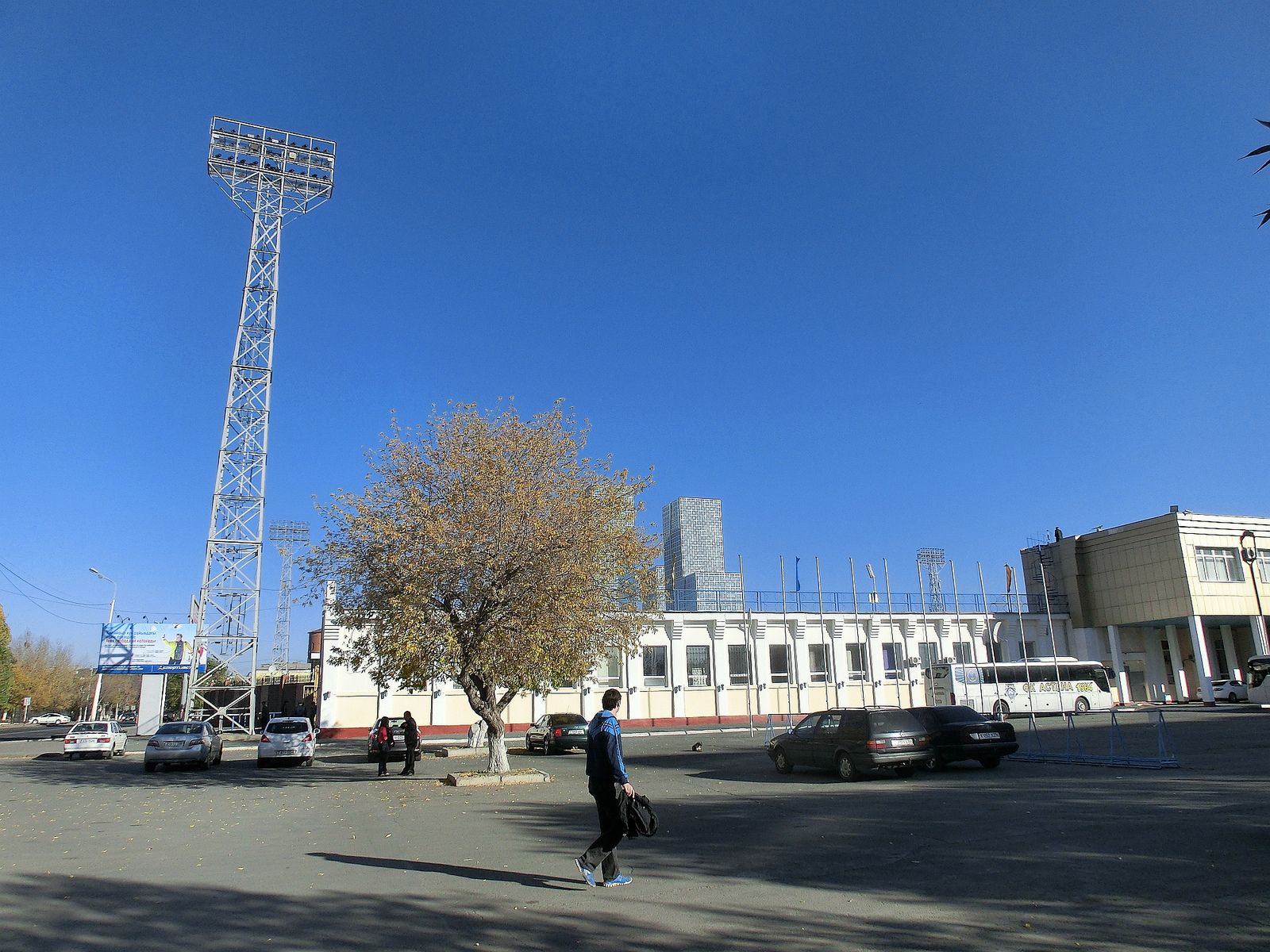
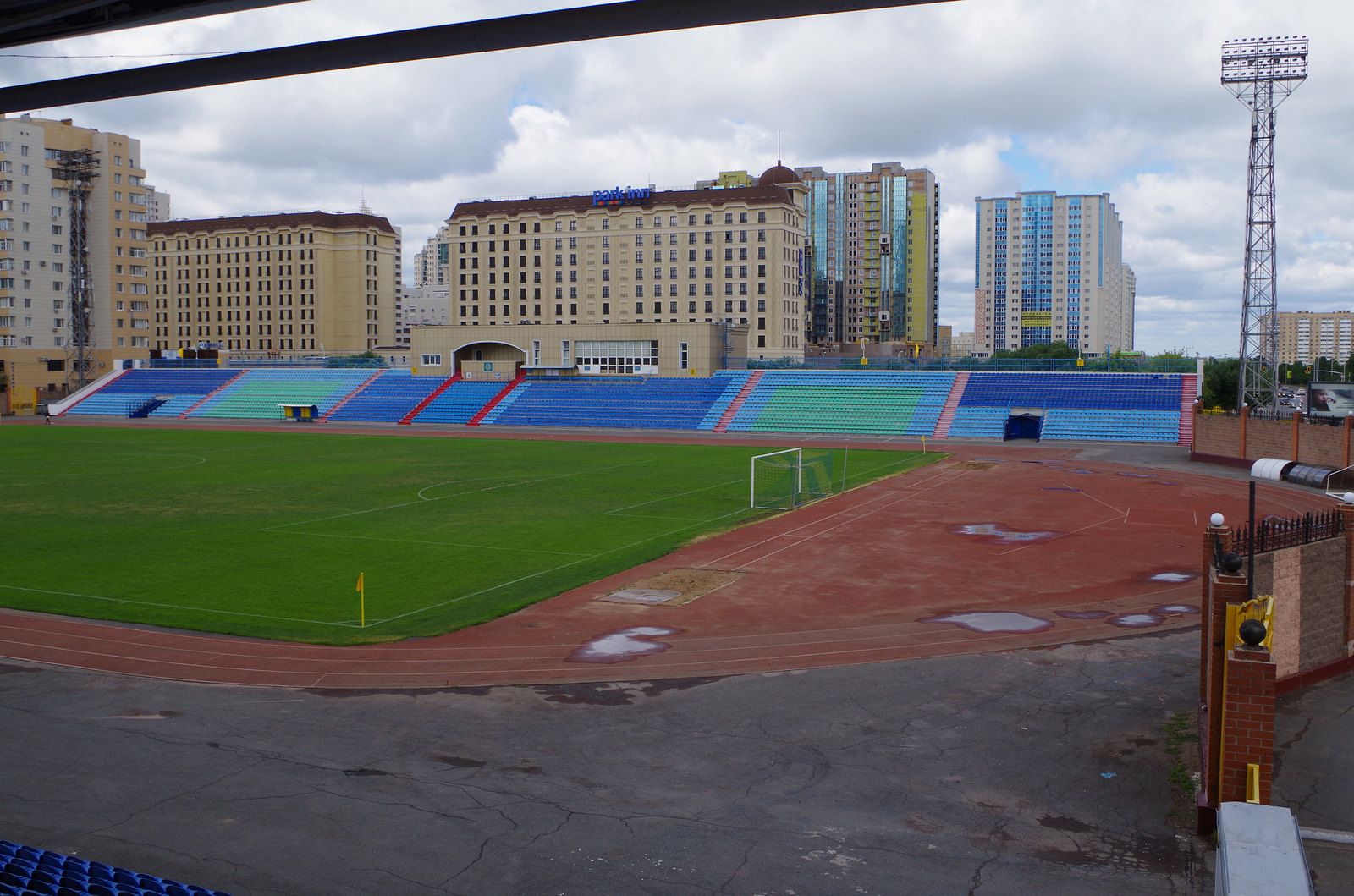
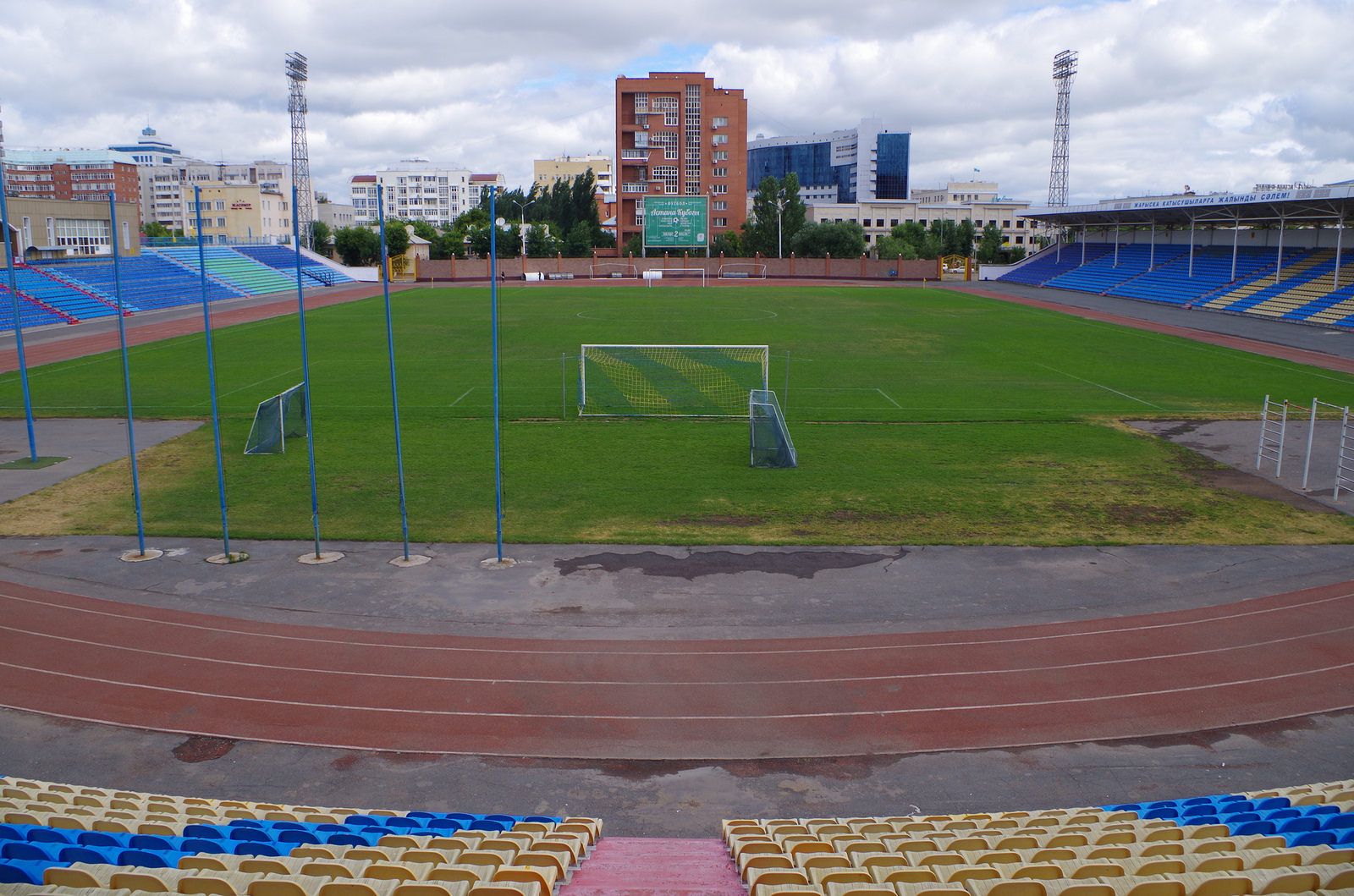
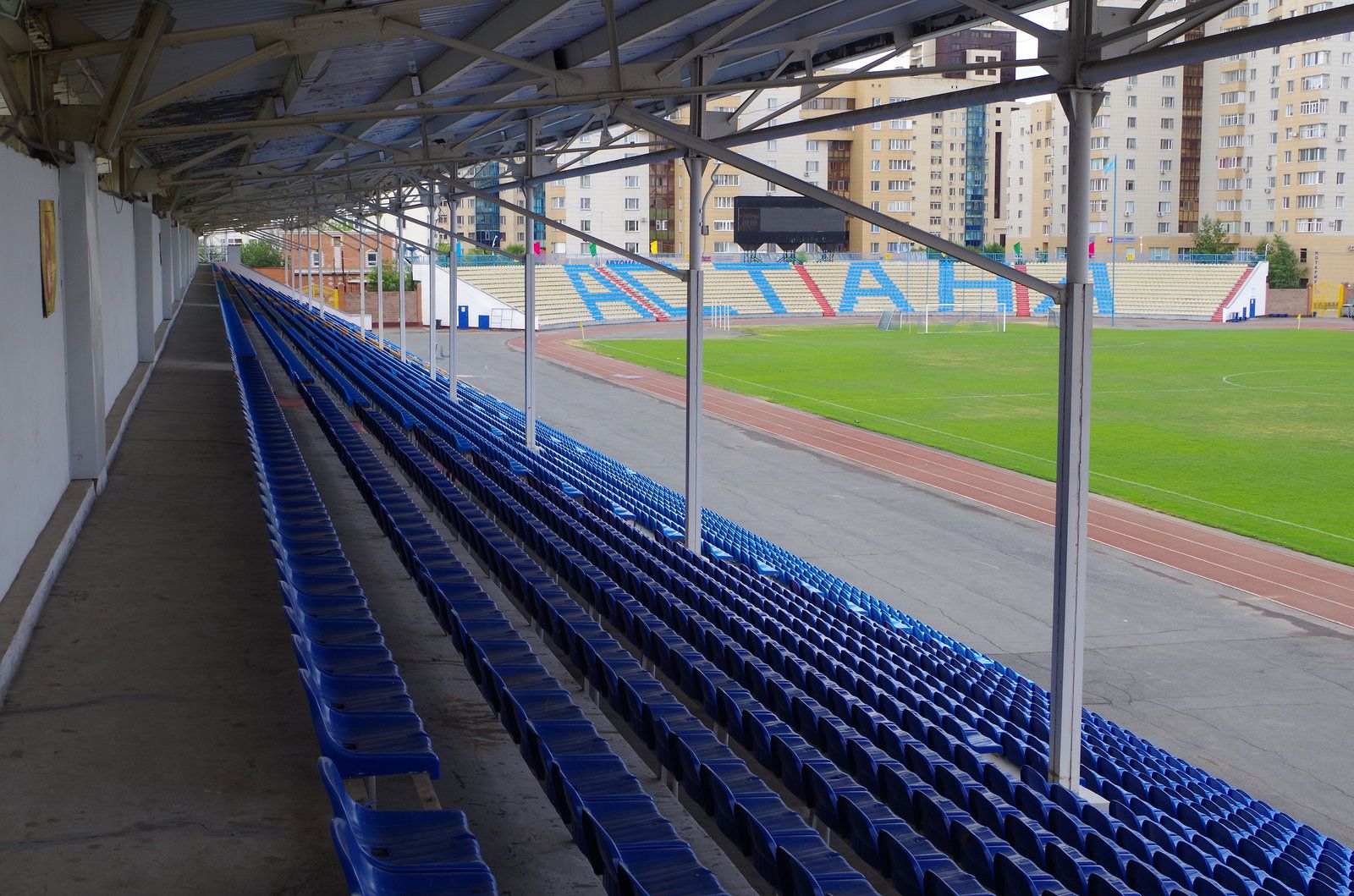
With its three stands, the stadium had a capacity of over 12,000 spectators. Only the eastern stand was covered. Behind the southern curve stood the electronic scoreboard, while four lighting masts were located at the corners of the stadium.
When was the old Kazhymukan Munaitpasuly Stadium in Astana demolished and what replaced it?
In 2020, due to its deteriorating technical condition, the stadium was closed in anticipation of renovation works. The city allocated around one billion tenge for the refurbishment, but the planned works were never started. Instead, in 2022 a decision was made to completely demolish the facility.
At the beginning of 2024, plans for its future were revealed: a smaller, fully roofed, football-specific stadium was to be built in place of the existing one.
The demolition of the abandoned stadium was carried out at the turn of 2024 and 2025, after which construction of a new arena began. The new stadium was opened in June 2026, has a capacity of around 3,600 spectators (compared to over 12,000 at the old ground), and continues the legacy of its predecessor by bearing the name of Kazhymukan Munaitpasuly.
Advertisement
Pictures
2016

31.08.2016 © Liquorkaru (CC BY-SA 4.0)
2015
05.07.2015 © Jörg Pochert 
05.07.2015 © Jörg Pochert 
05.07.2015 © Jörg Pochert 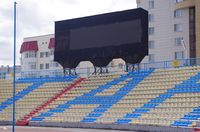
05.07.2015 © Jörg Pochert 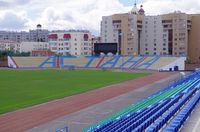
05.07.2015 © Jörg Pochert 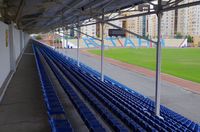
05.07.2015 © Jörg Pochert 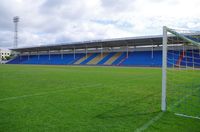
05.07.2015 © Jörg Pochert 
05.07.2015 © Jörg Pochert
2012
13.10.2012 © philmensch (cc: by-nc) 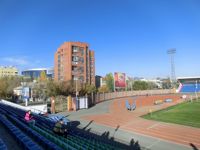
13.10.2012 © philmensch (cc: by-nc) 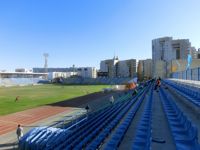
13.10.2012 © philmensch (cc: by-nc) 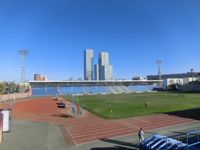
13.10.2012 © philmensch (cc: by-nc) 
13.10.2012 © philmensch (cc: by-nc) 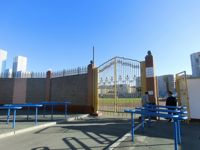
13.10.2012 © philmensch (cc: by-nc) 
13.10.2012 © philmensch (cc: by-nc) 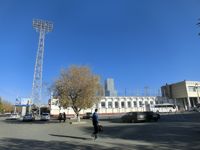
13.10.2012 © philmensch (cc: by-nc)