 StadiumDB
Stadionul Dinamo (Stadionul Stefan cel Mare) – until 2026
| Capacity | 15 032 |
|---|---|
| Country | Romania |
| City | Bucharest |
| Clubs | FC Dinamo Bucureşti |
| Retire year | 2026 |
| Nicknames | Groapă |
| Floodlights | 1700 lux |
| Inauguration | 14/10/1951 (Dinamo – Locomotiva Timişoara 1–0) |
| Construction | 1948–1951 |
| Address | Șoseaua Ștefan cel Mare 7-9, 020121 București (Sector 2) |
Advertisement
Stadionul Dinamo – historical stadium description
What was the former Dinamo Bucharest stadium like in brief?
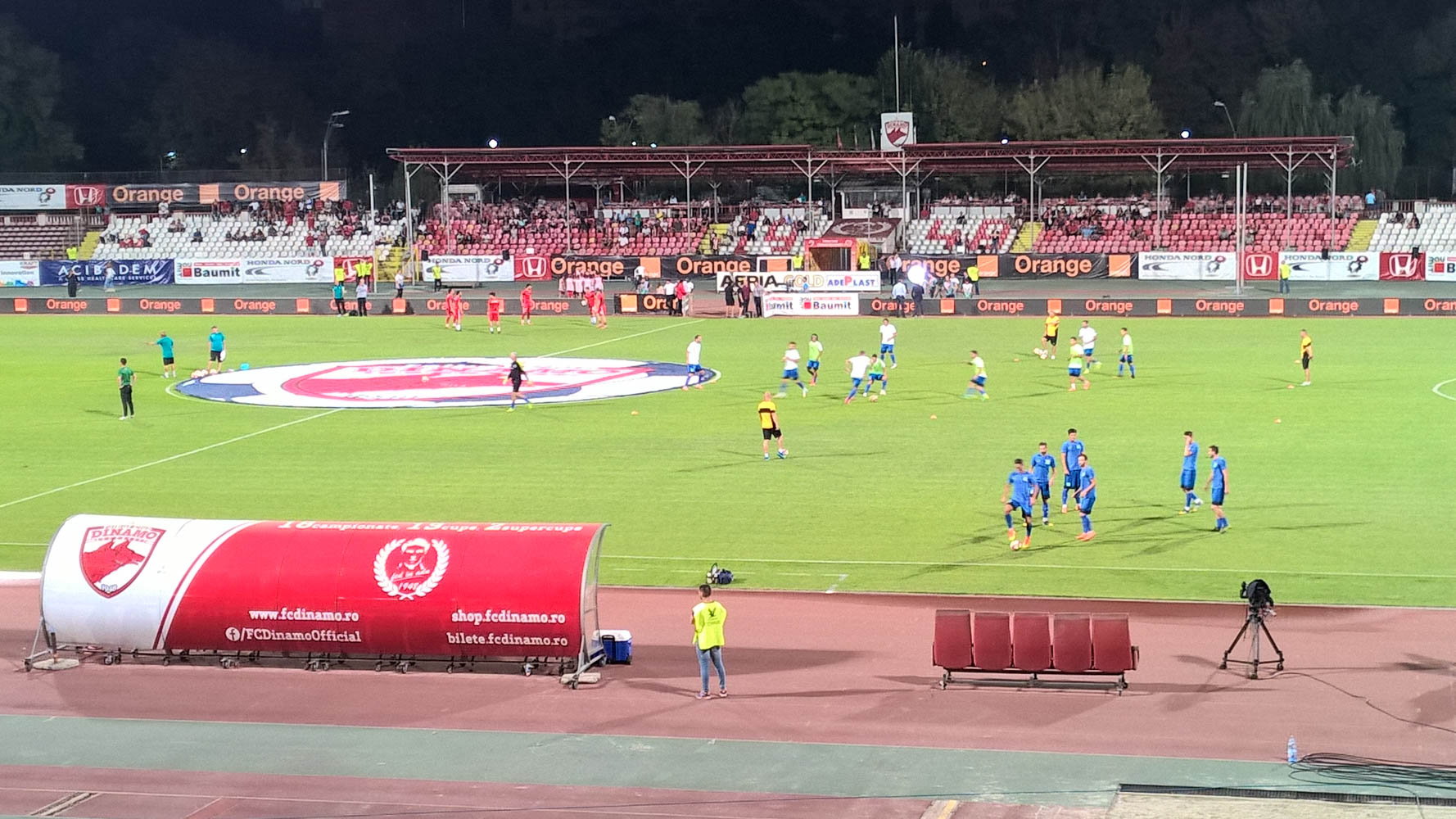
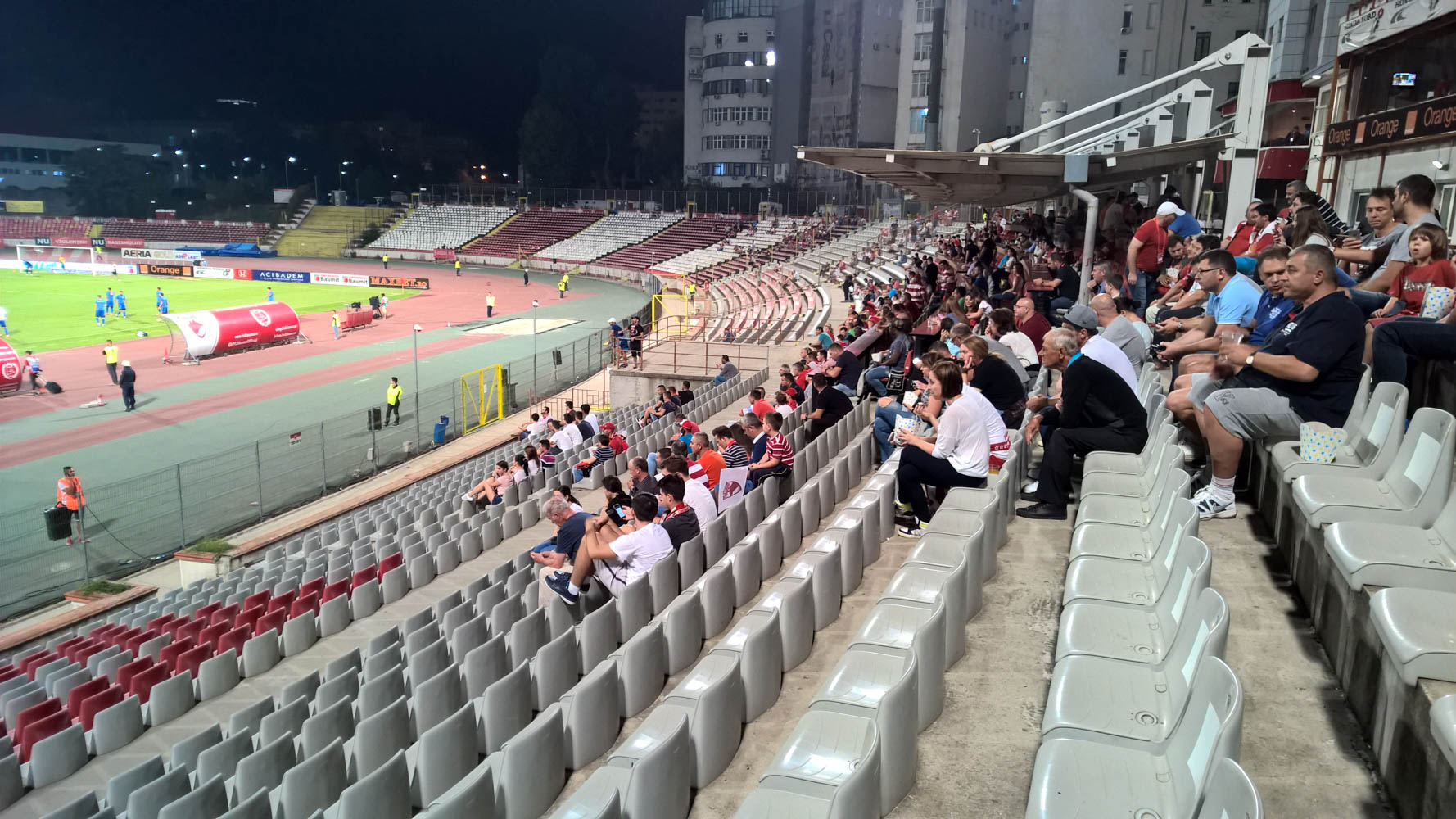
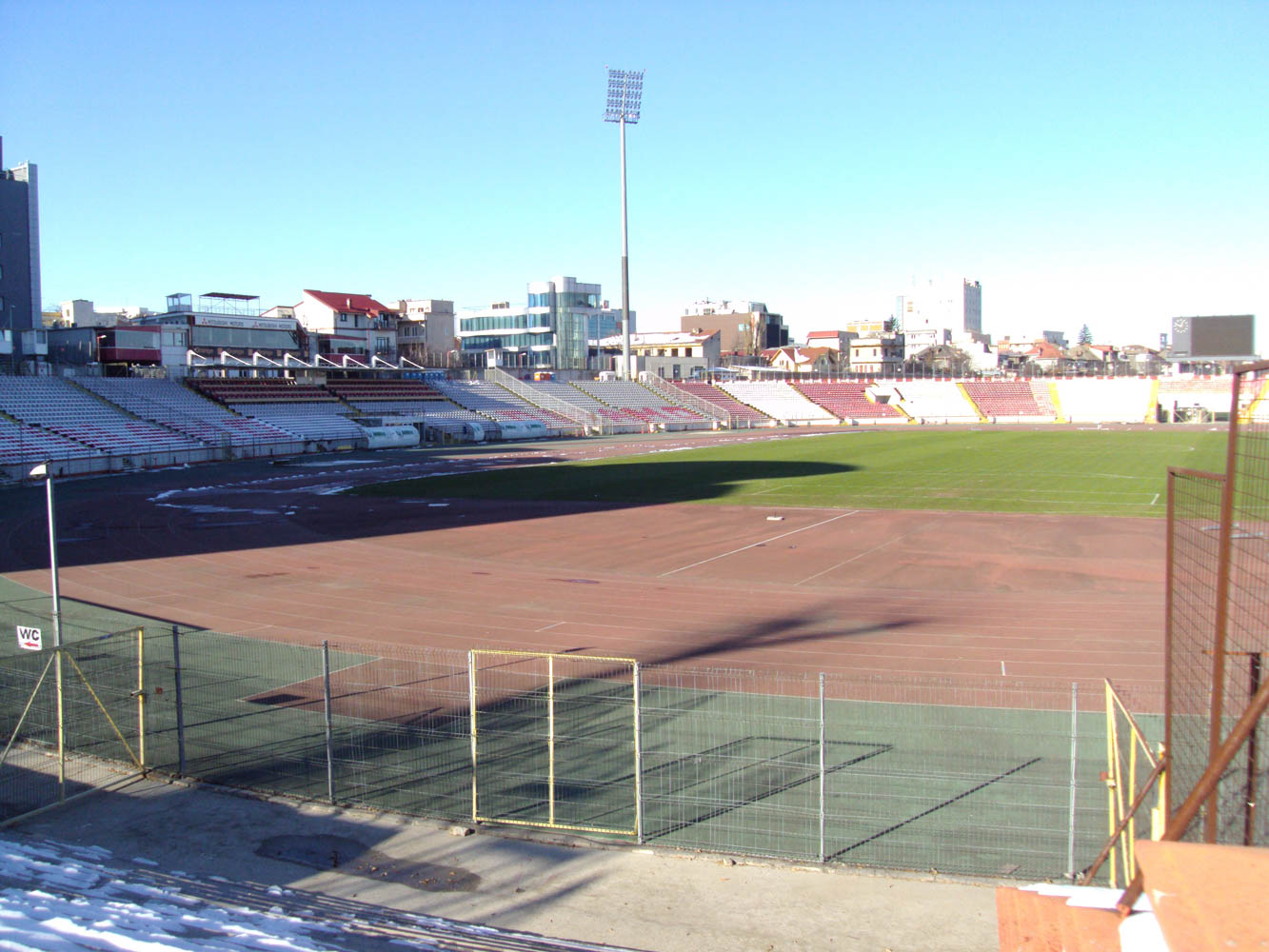
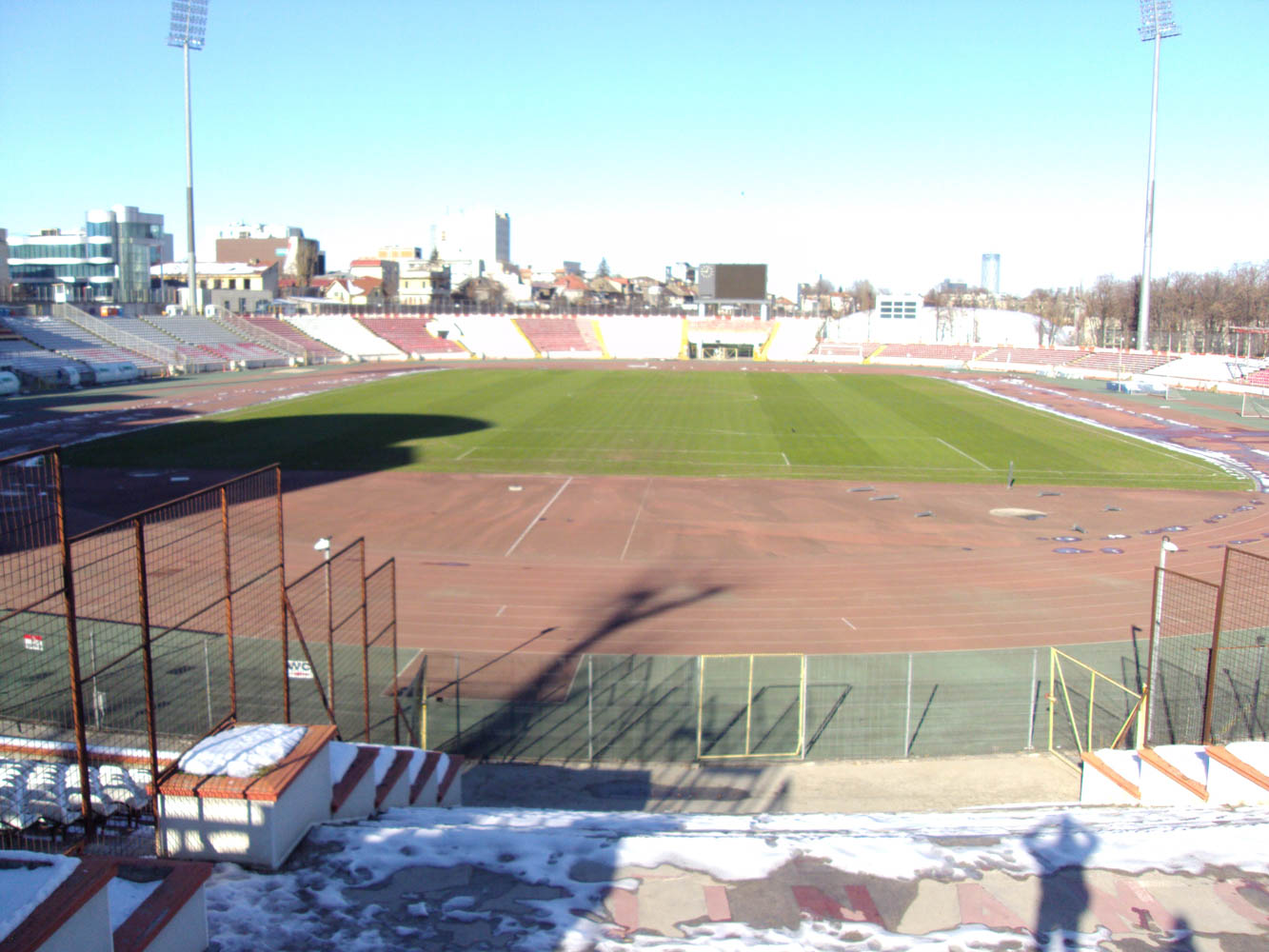
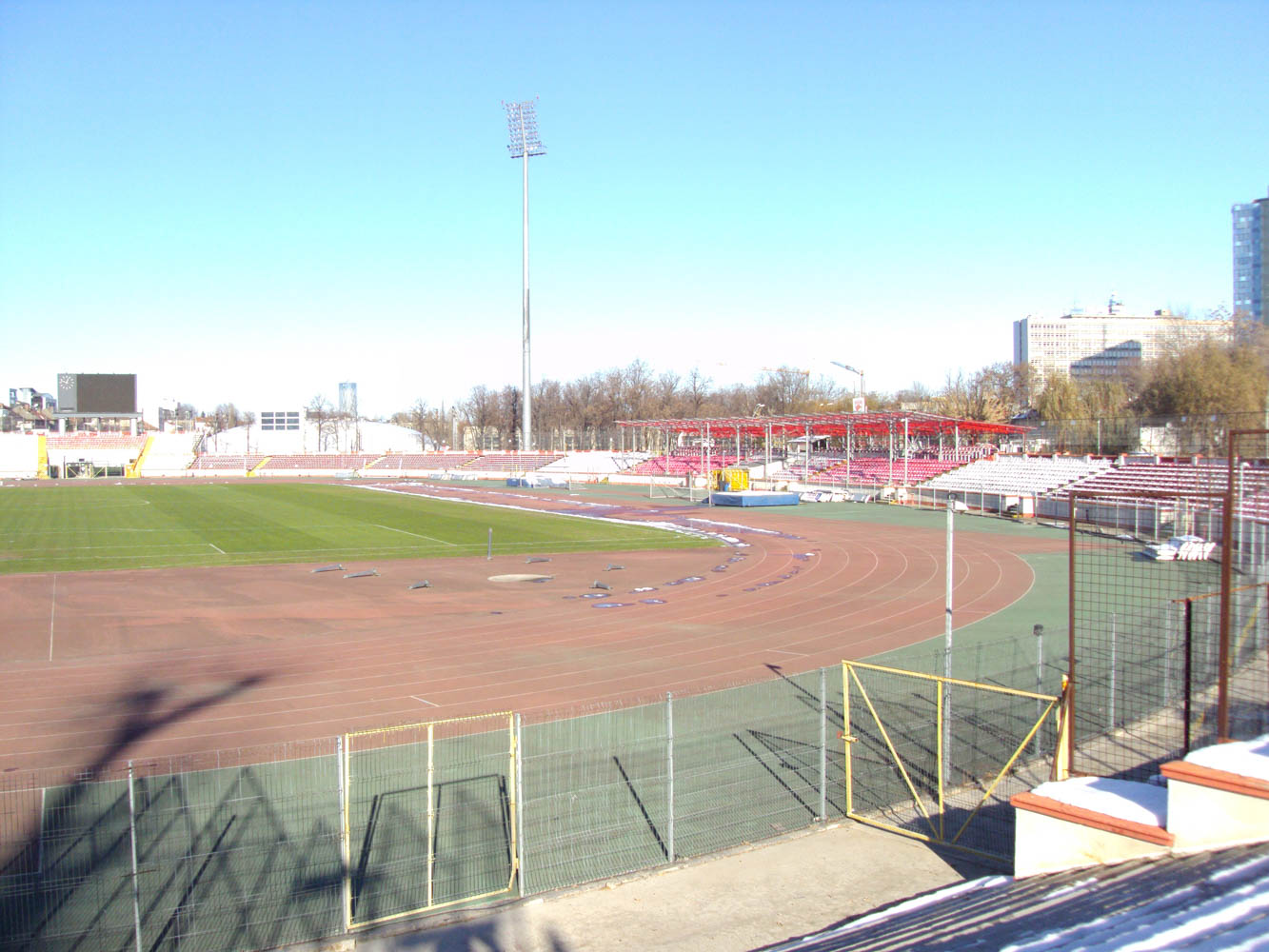
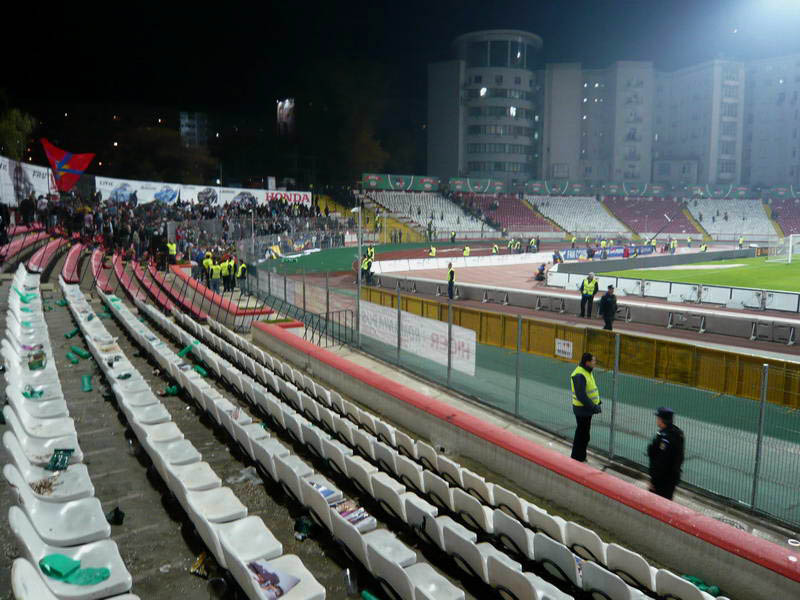
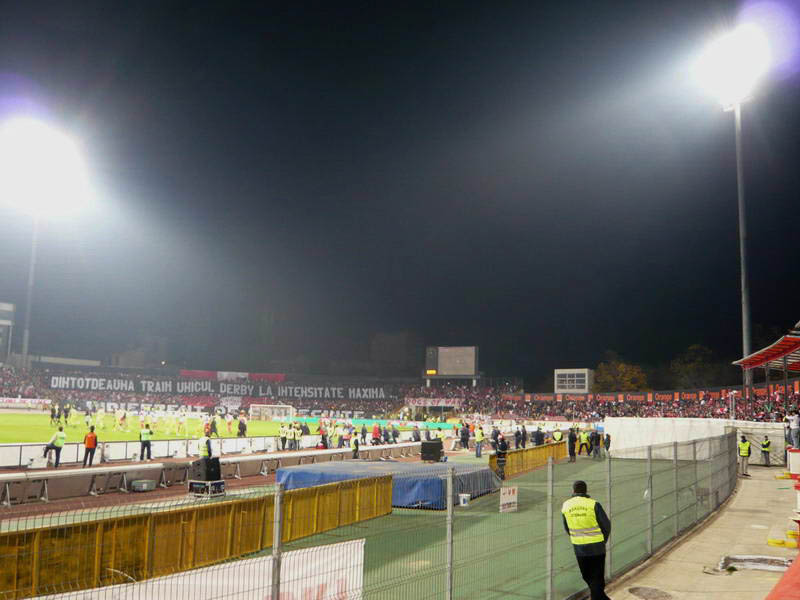
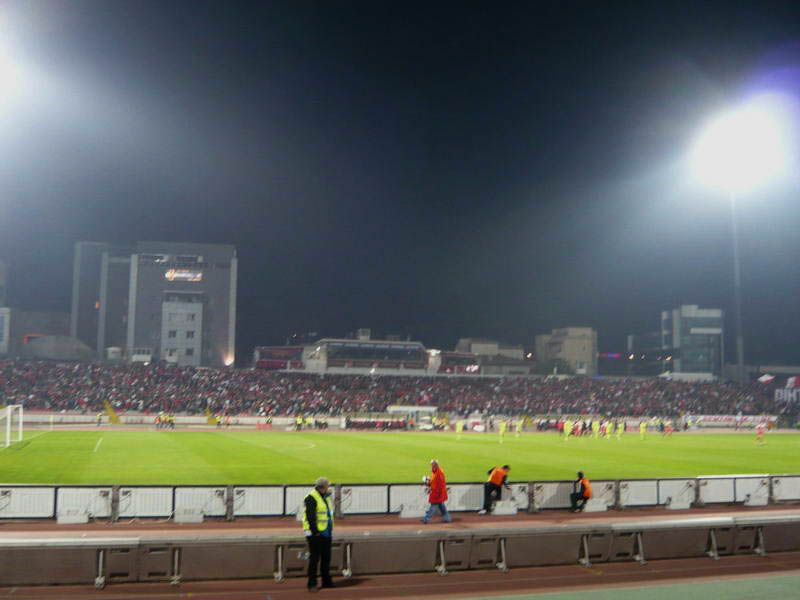
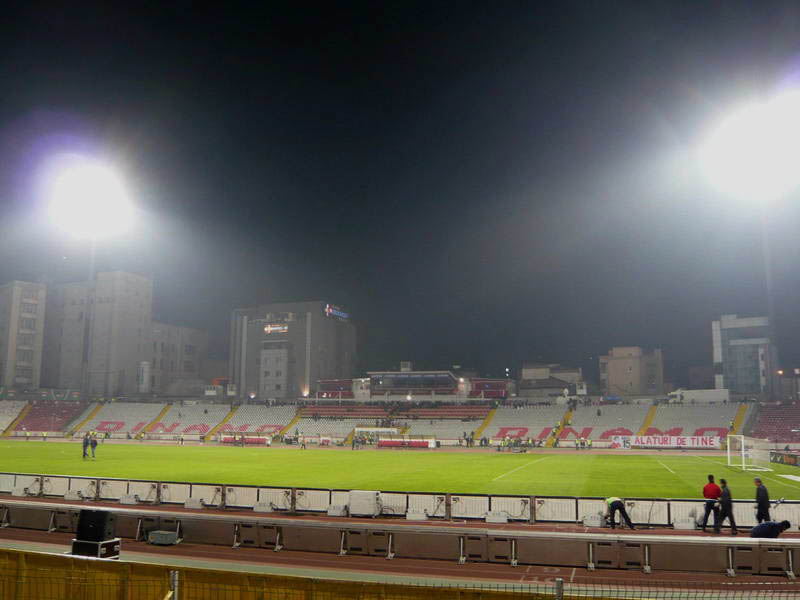
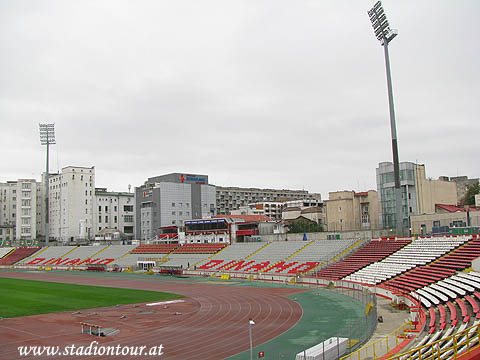
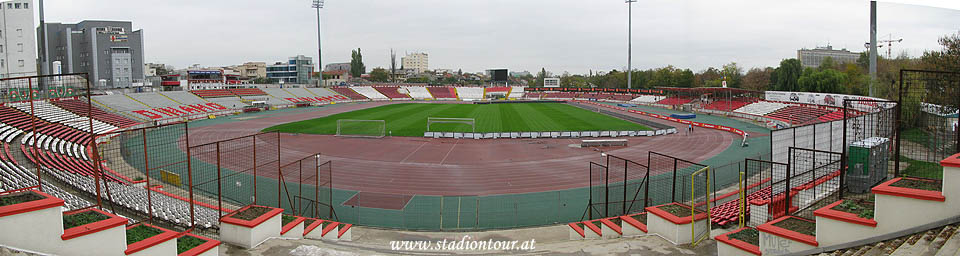
Construction of Dinamo Bucharest’s stadium began shortly after the club was founded, with the venue officially opening in 1951. The stadium featured an athletics track and oval-shaped stands, which were higher on the western side. After the installation of seating, the stadium had a capacity of approximately 15,000 spectators.
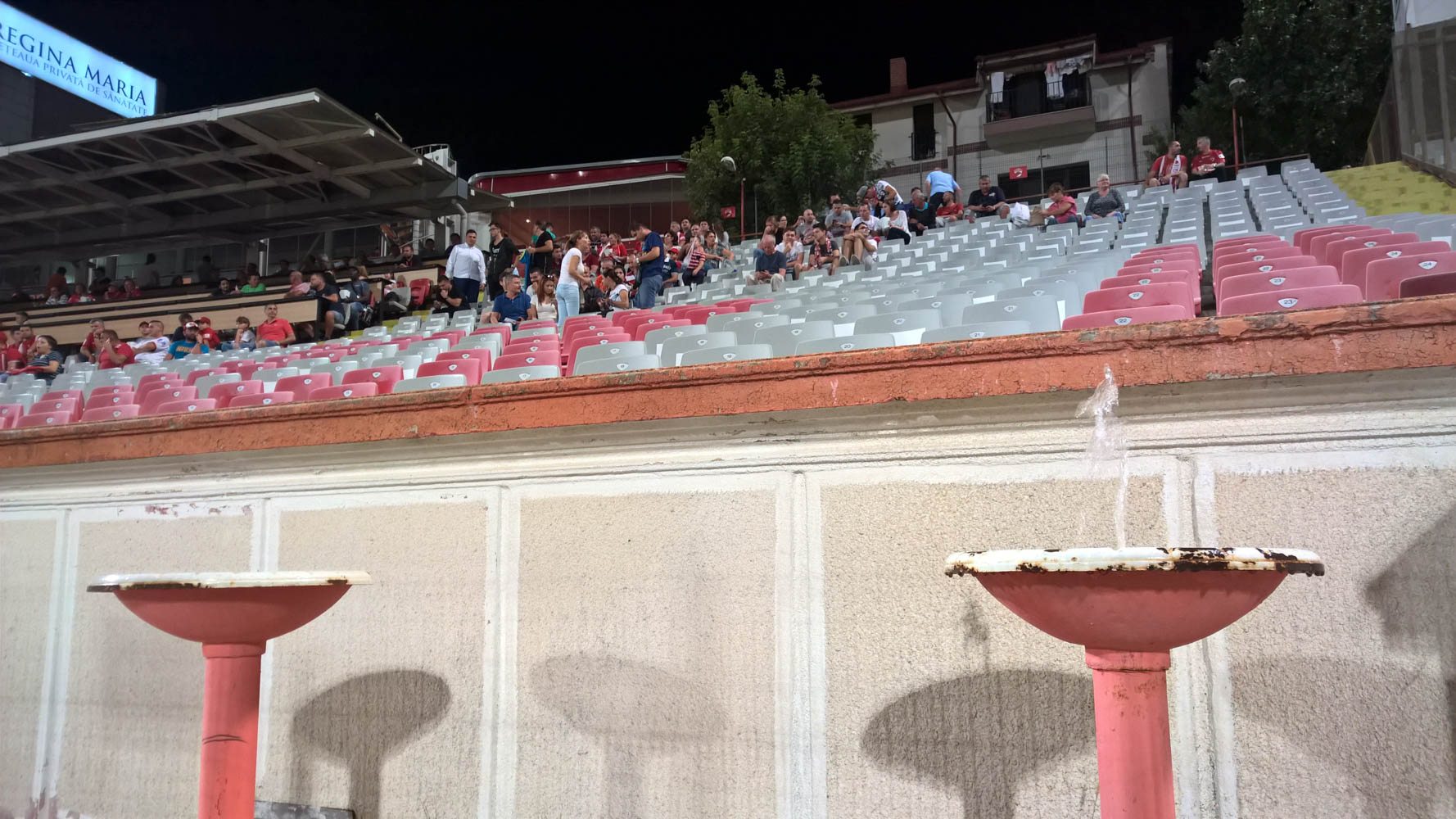
The stadium was part of a larger sports complex that included an indoor hall, a velodrome and swimming pools. At the entrance to the complex, visitors were welcomed by monumental sculptures and fountains.
During the years spent playing at this stadium, Dinamo won 18 national championship titles, establishing itself as one of the leading football clubs in the country.
Although the venue underwent renovations in the early 21st century, its condition increasingly fell short of modern standards. Ultimately, with government support, it was decided that a new, football-specific stadium would be built on the same site. Construction works began in early 2026 and are expected to last three years.
When was the former Dinamo Bucharest stadium built?
Plans to build a stadium for Dinamo Bucharest were made shortly after the club’s founding in May 1948, with construction works starting later that same year. The new venue was inaugurated on 14 October 1951 with a match against Locomotiva Timișoara, won by Dinamo 1–0.
What is the history of the land on which the Dinamo Bucharest stadium was built?
The stadium was located on Ștefan cel Mare Street. The land on which it was built had previously formed part of a boyar estate, and the future stadium site had once been occupied by a sand pit used for brick production.
During the First World War, the estate was taken over by a bank. The plot was later purchased by the Societatea Anonimă Română pentru Încurajarea Calului de Trap și Obstacole (TROB), which constructed a hippodrome on the site.
In the 1930s, the hippodrome was acquired by the city and converted into a cycling track. After the Second World War, a decision was taken to build Dinamo’s stadium on this site.
Who did the Dinamo Bucharest stadium serve?
The stadium primarily served Dinamo Bucharest. During the period in which the club played at this venue, Dinamo won 18 Romanian league titles, placing the team among the very top clubs in the country, surpassed only by Steaua.
The stadium also hosted European cup matches, with Dinamo recording victories against teams such as Inter Milan, Panathinaikos, Sporting CP and Everton.
In addition, the venue hosted two friendly matches of the Romanian national team: on 11 October 2003 against Japan (1–1) and on 19 November 2008 against Georgia (2–1).
What did the Dinamo Bucharest stadium look like?
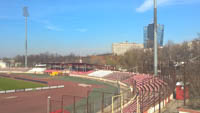
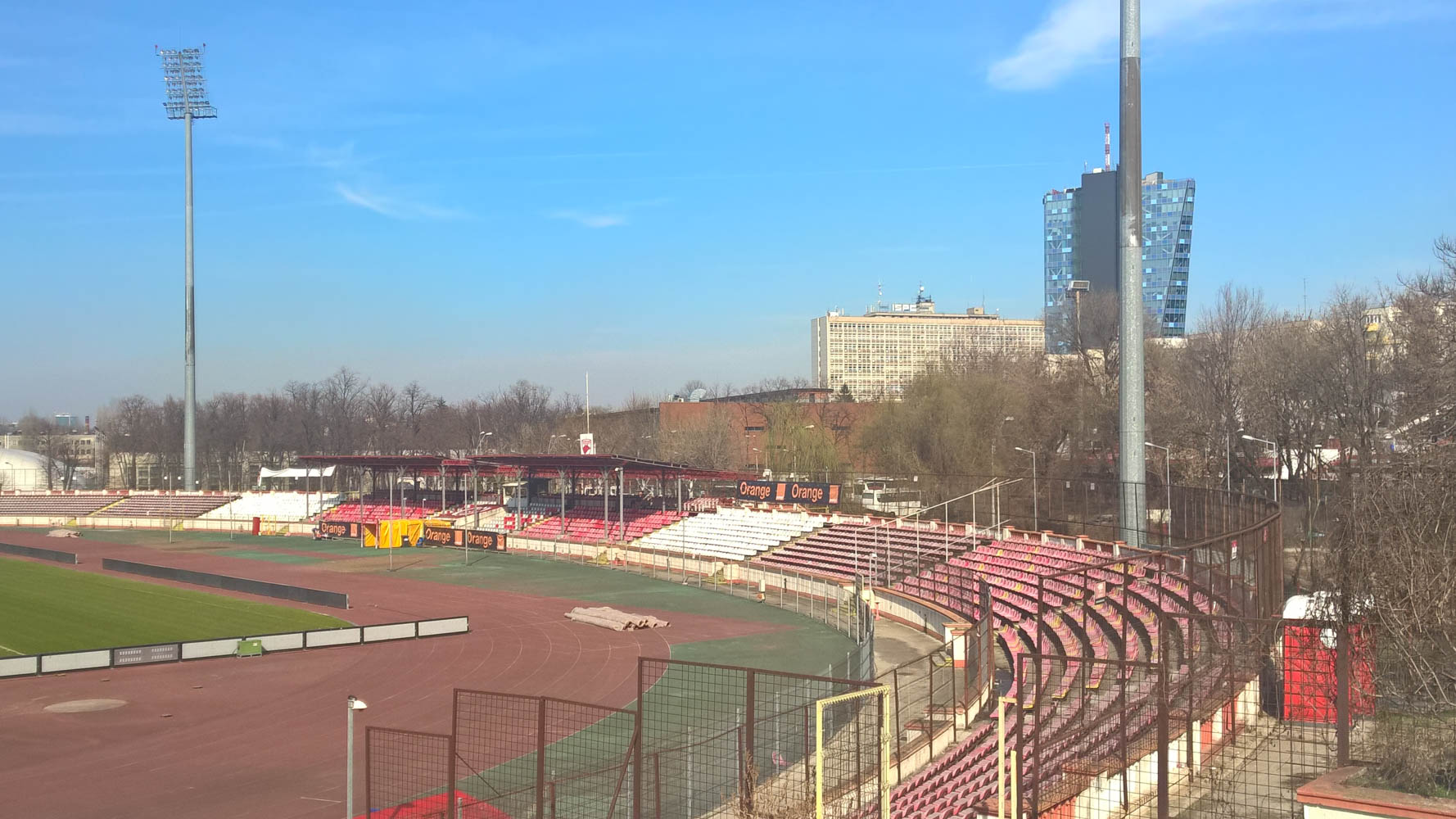
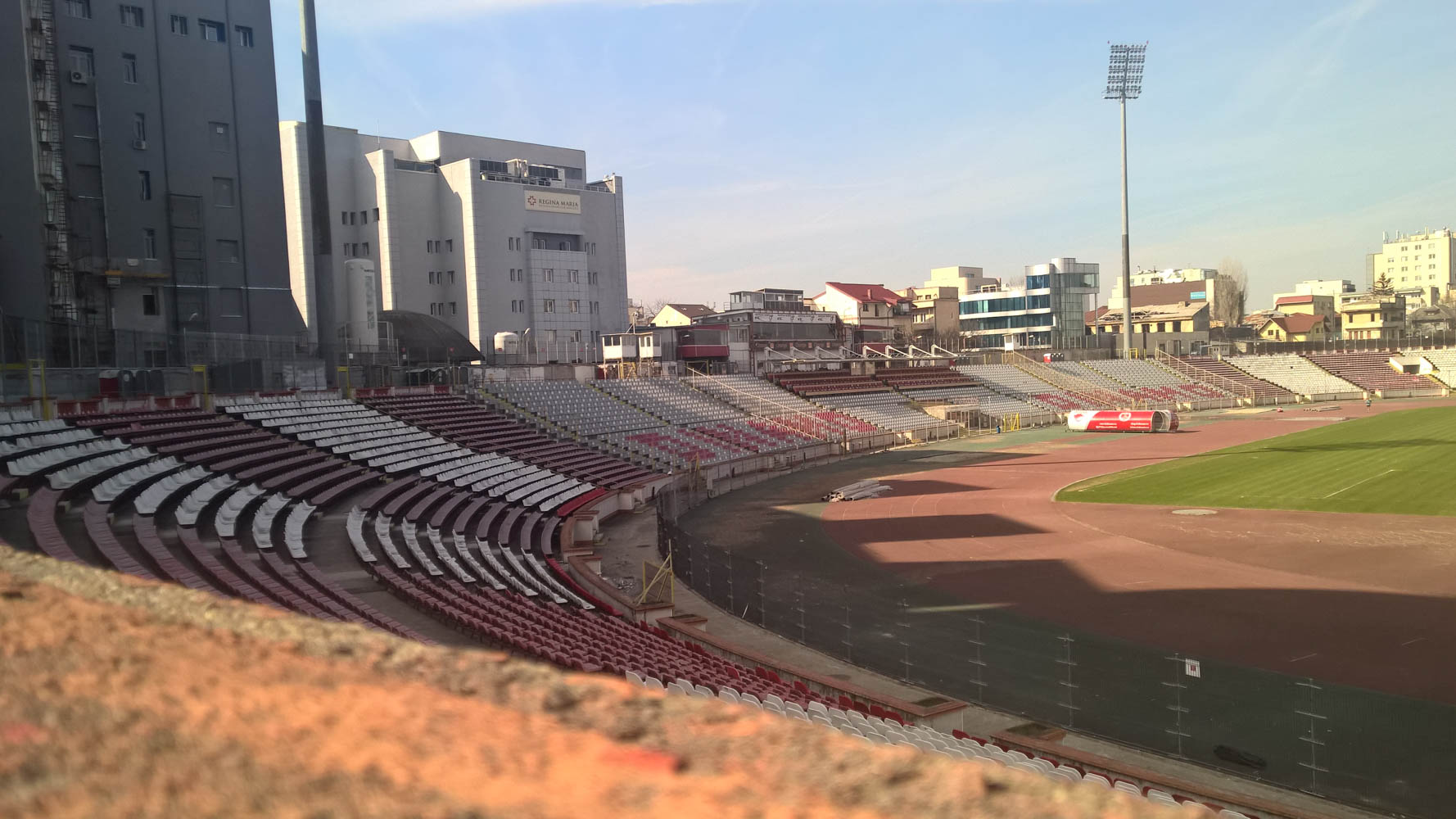
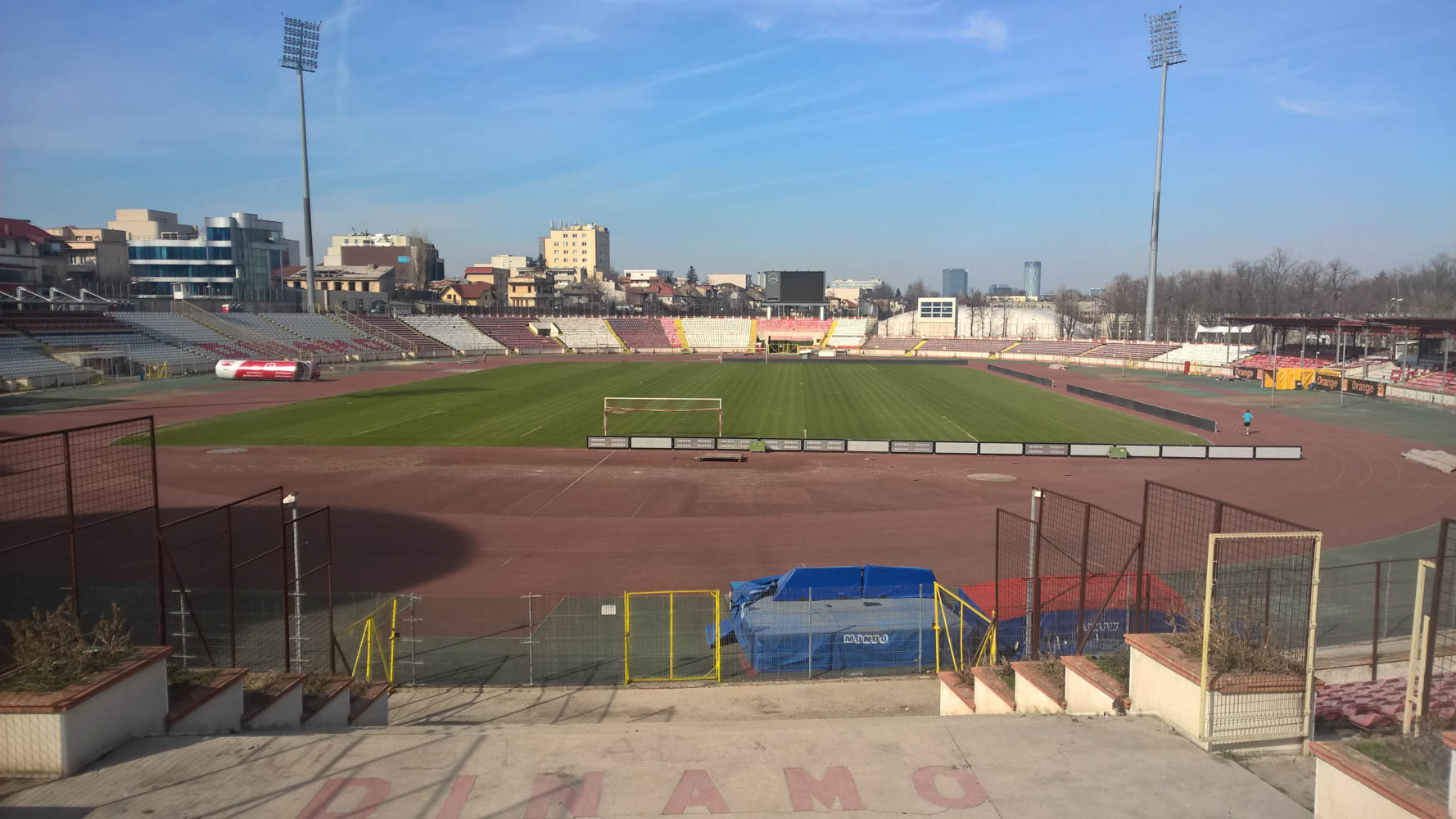
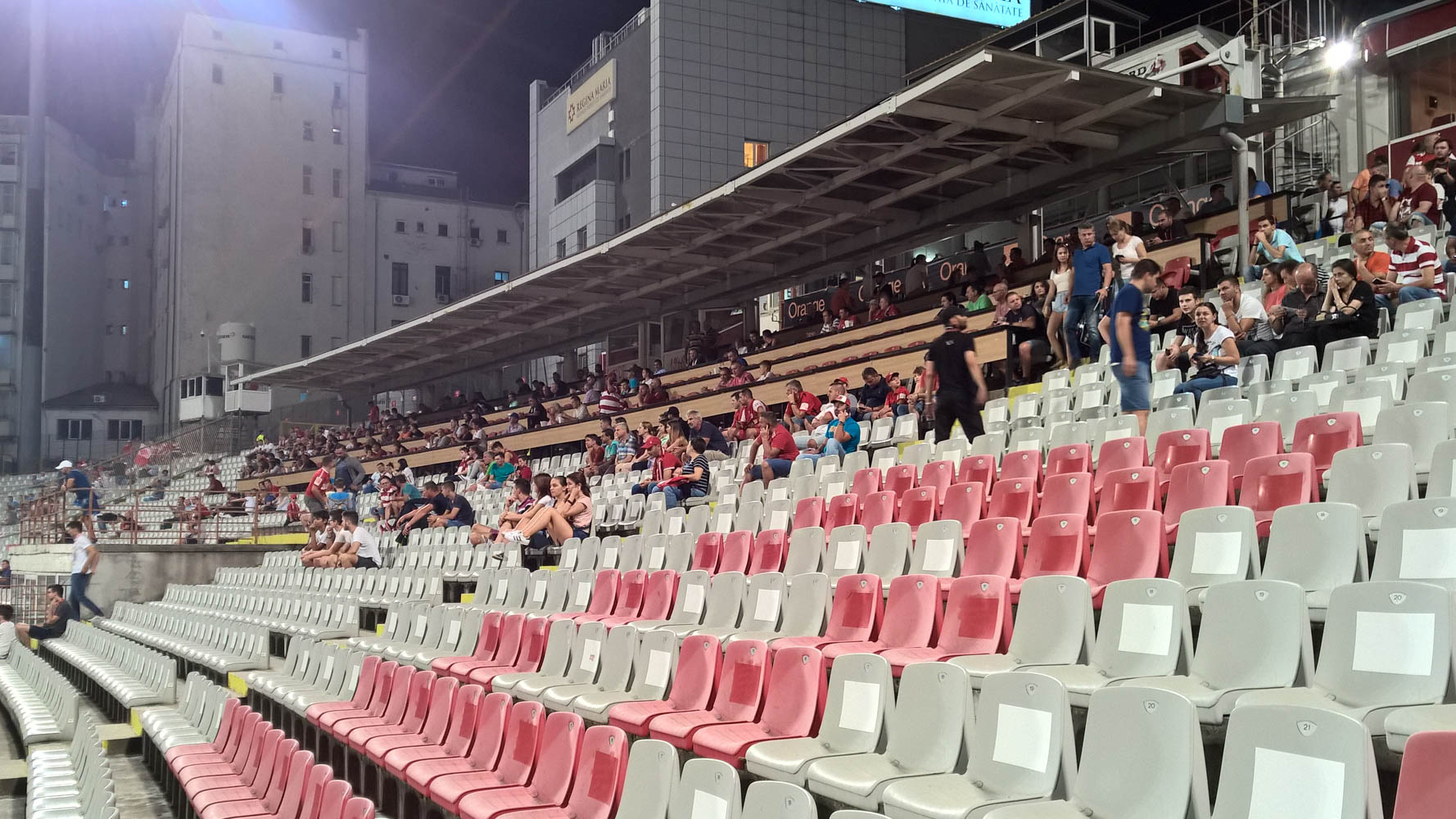
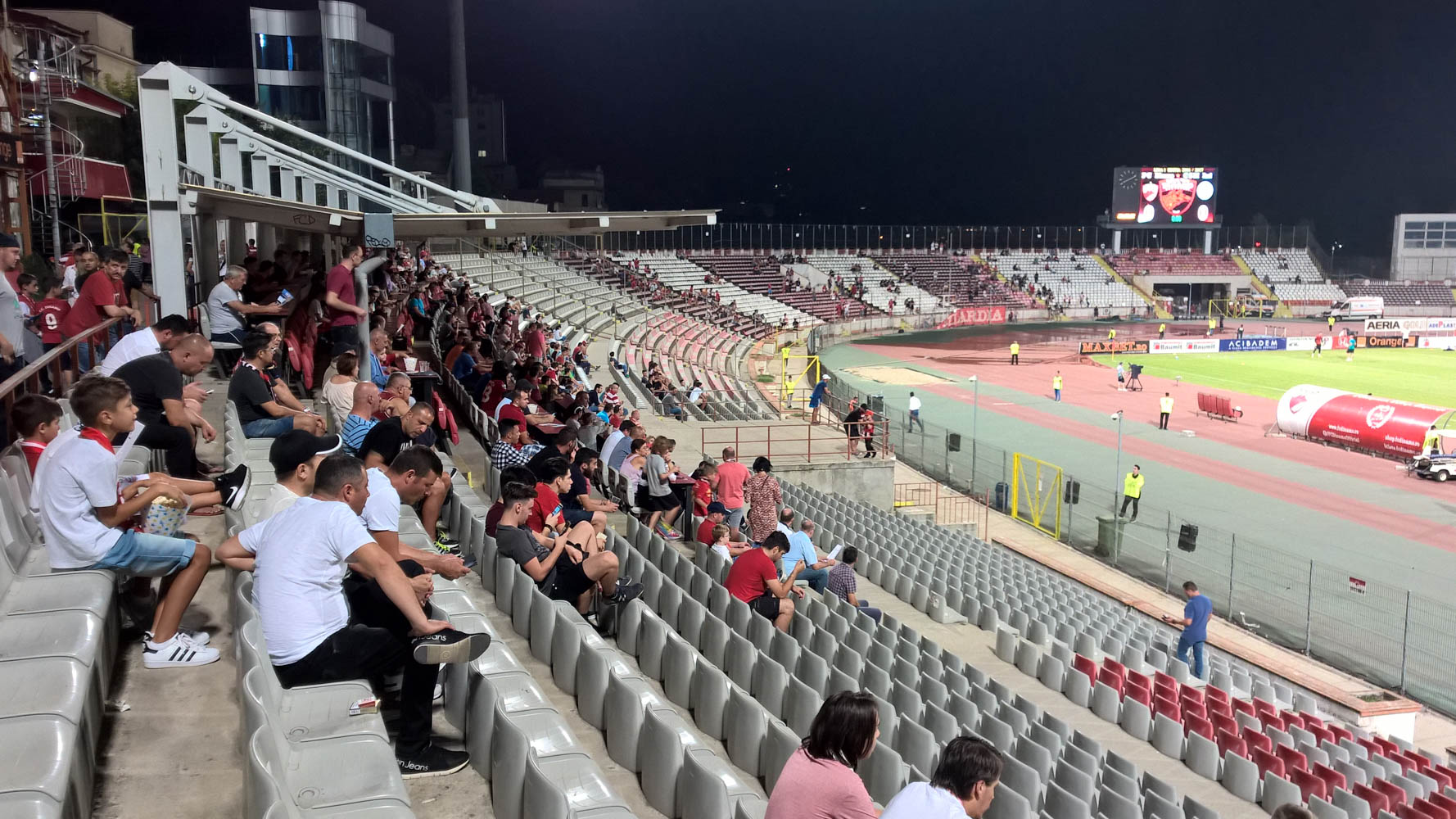
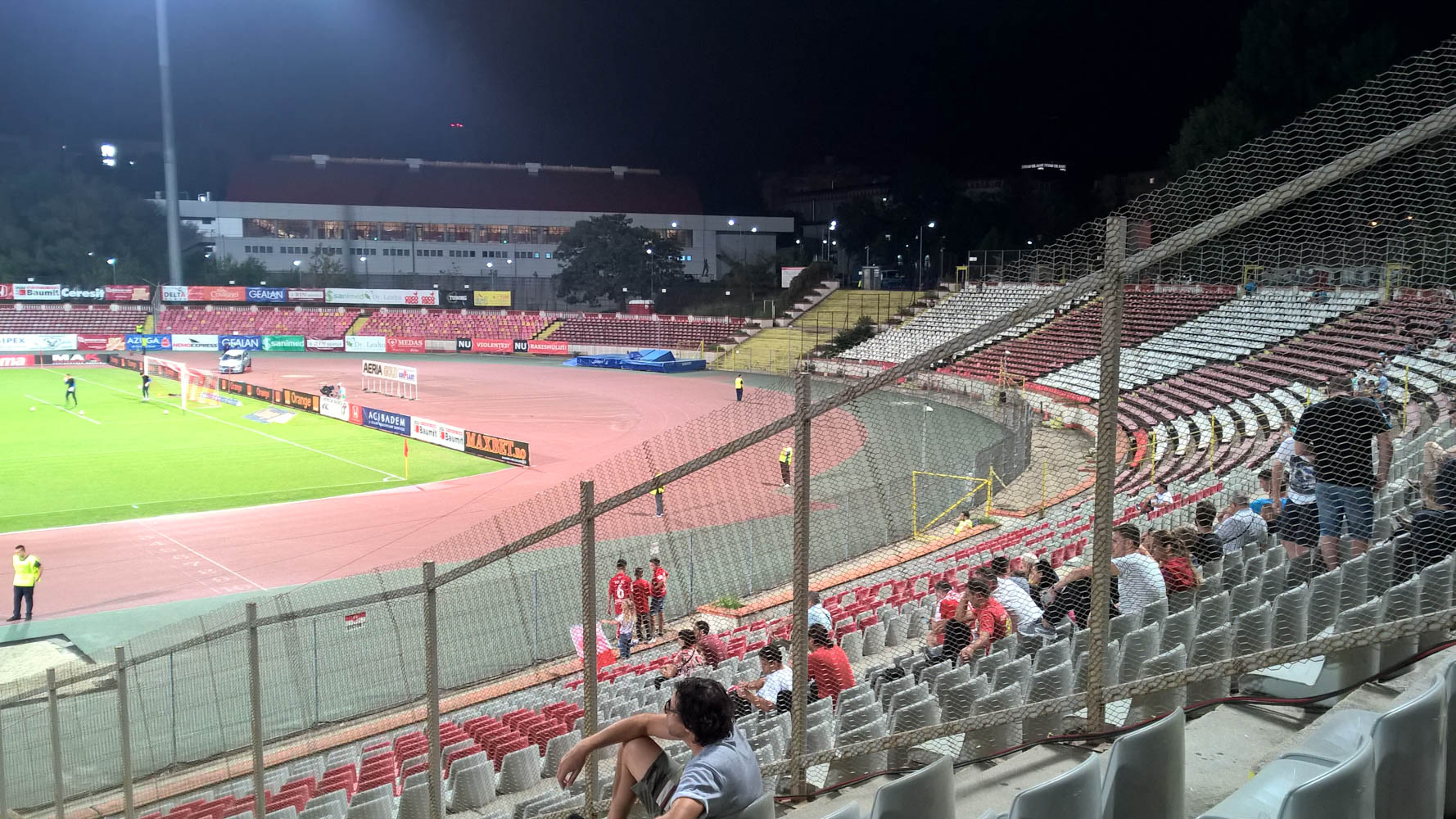
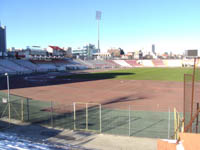
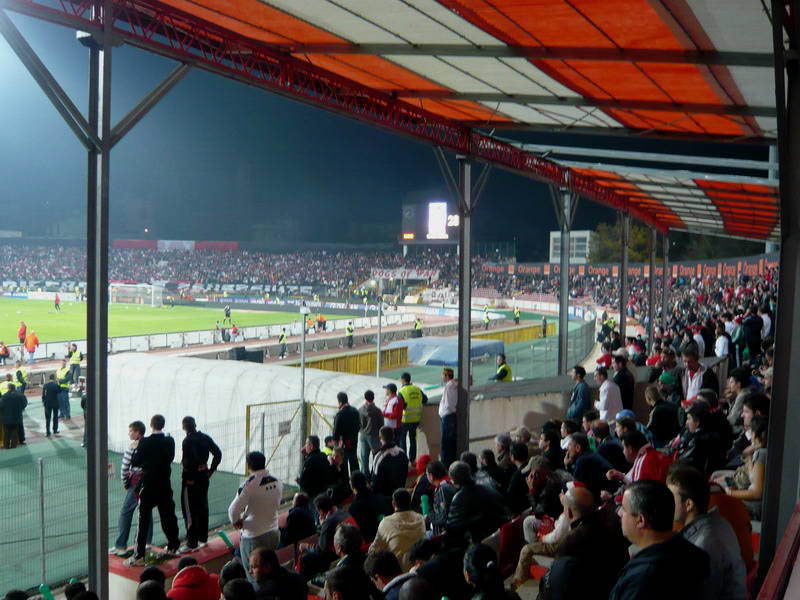
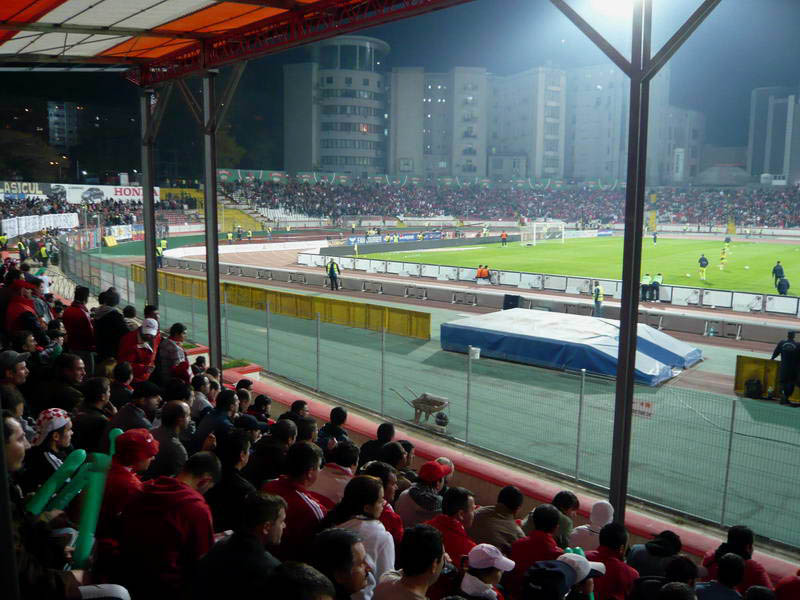
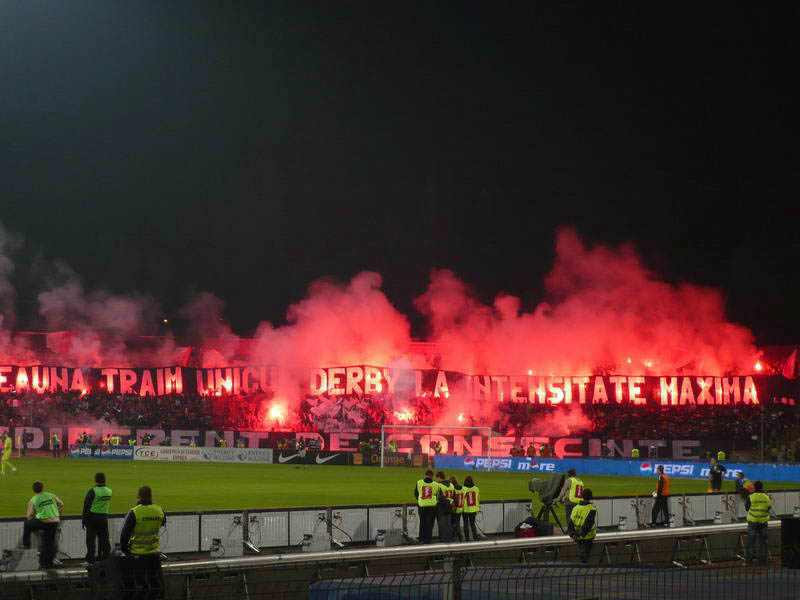
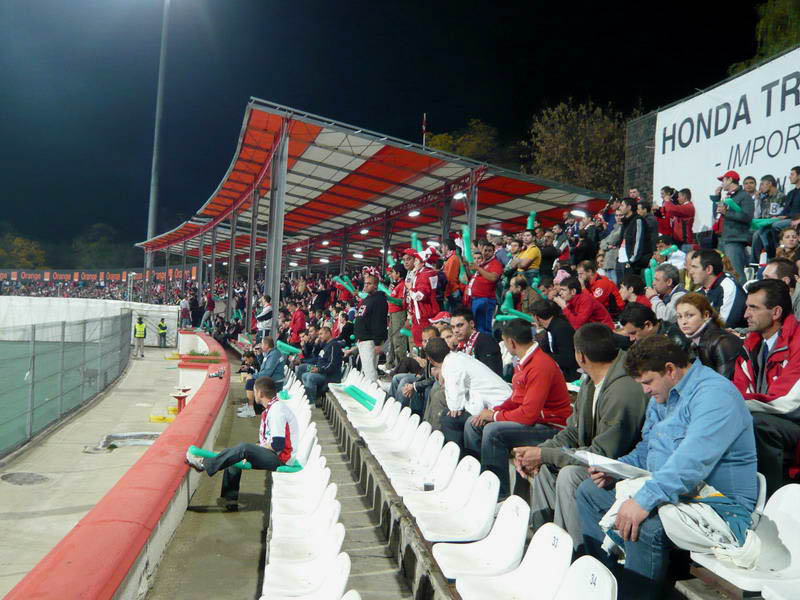
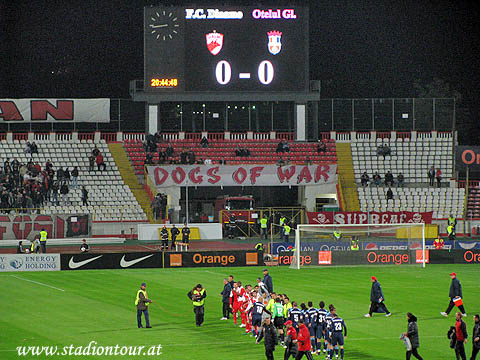
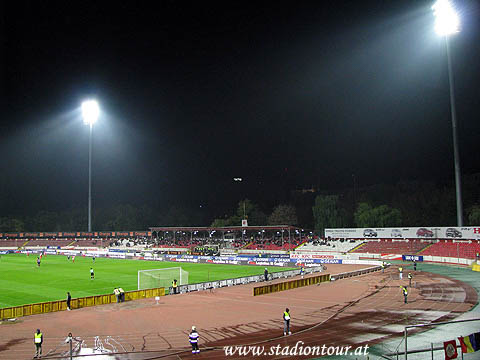
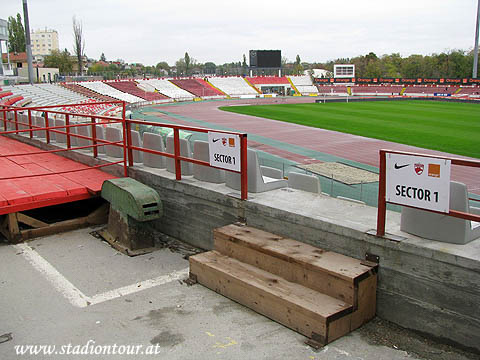
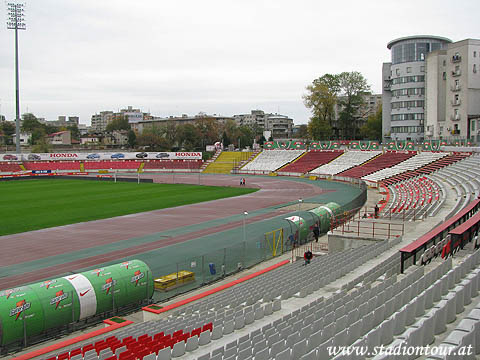
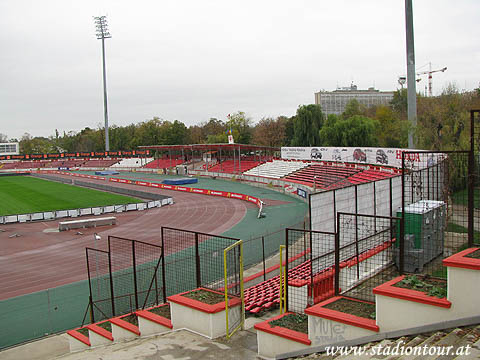
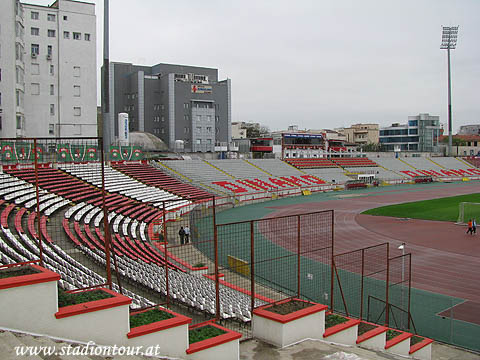
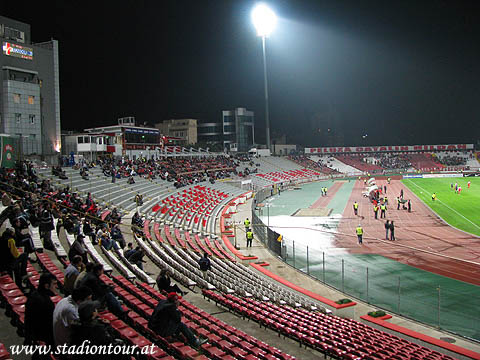
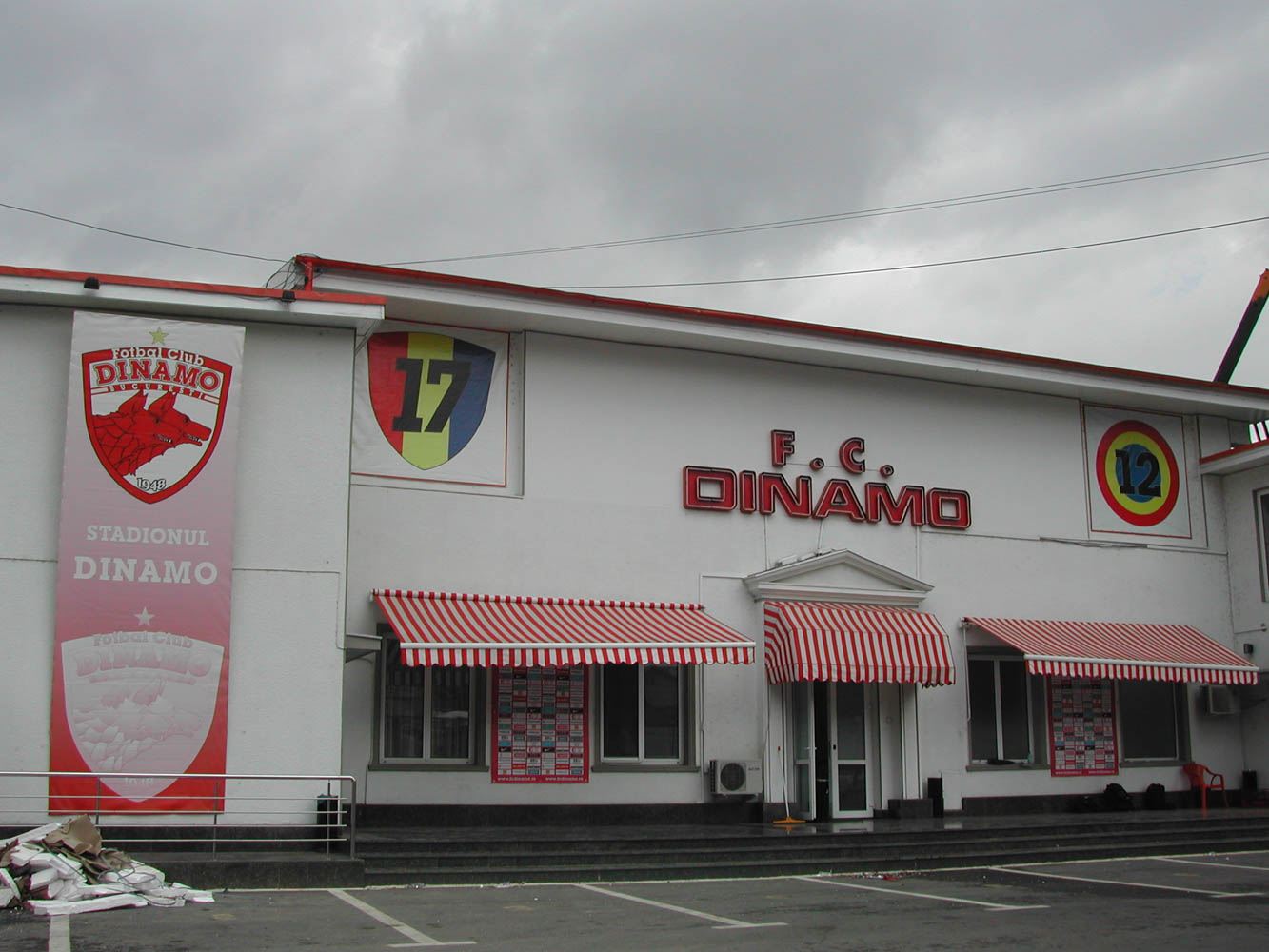
The stadium featured an athletics track surrounded by oval-shaped stands, which were higher on the western side. The venue underwent renovations in the early 21st century, but its condition increasingly fell short of modern standards. After the installation of seating, the stadium had a capacity of approximately 15,000 spectators. The stadium was also equipped with floodlight masts.
The stadium was part of a larger sports complex, which included an indoor hall, swimming pools, a cycling track, tennis courts and additional training pitches.
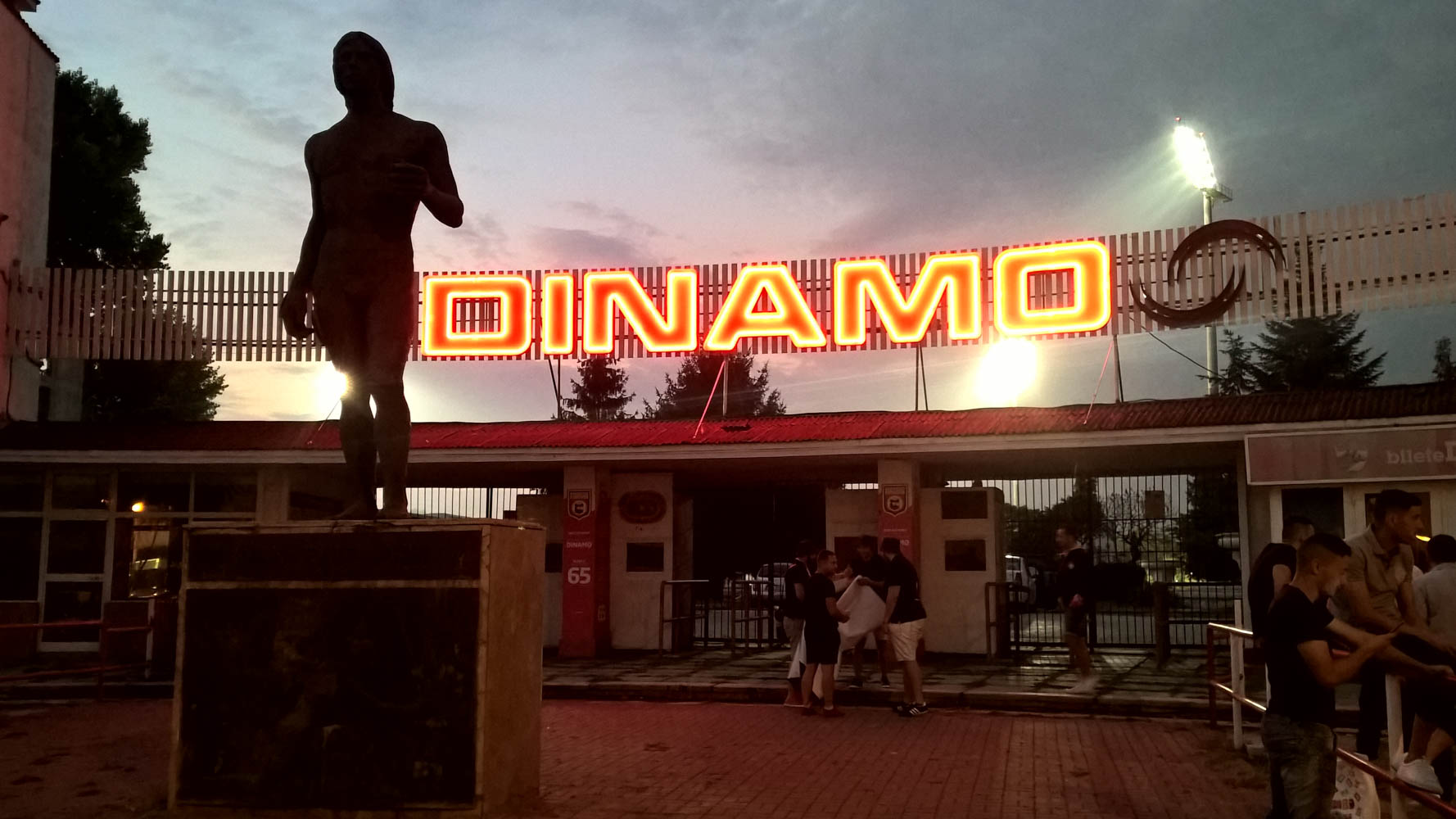
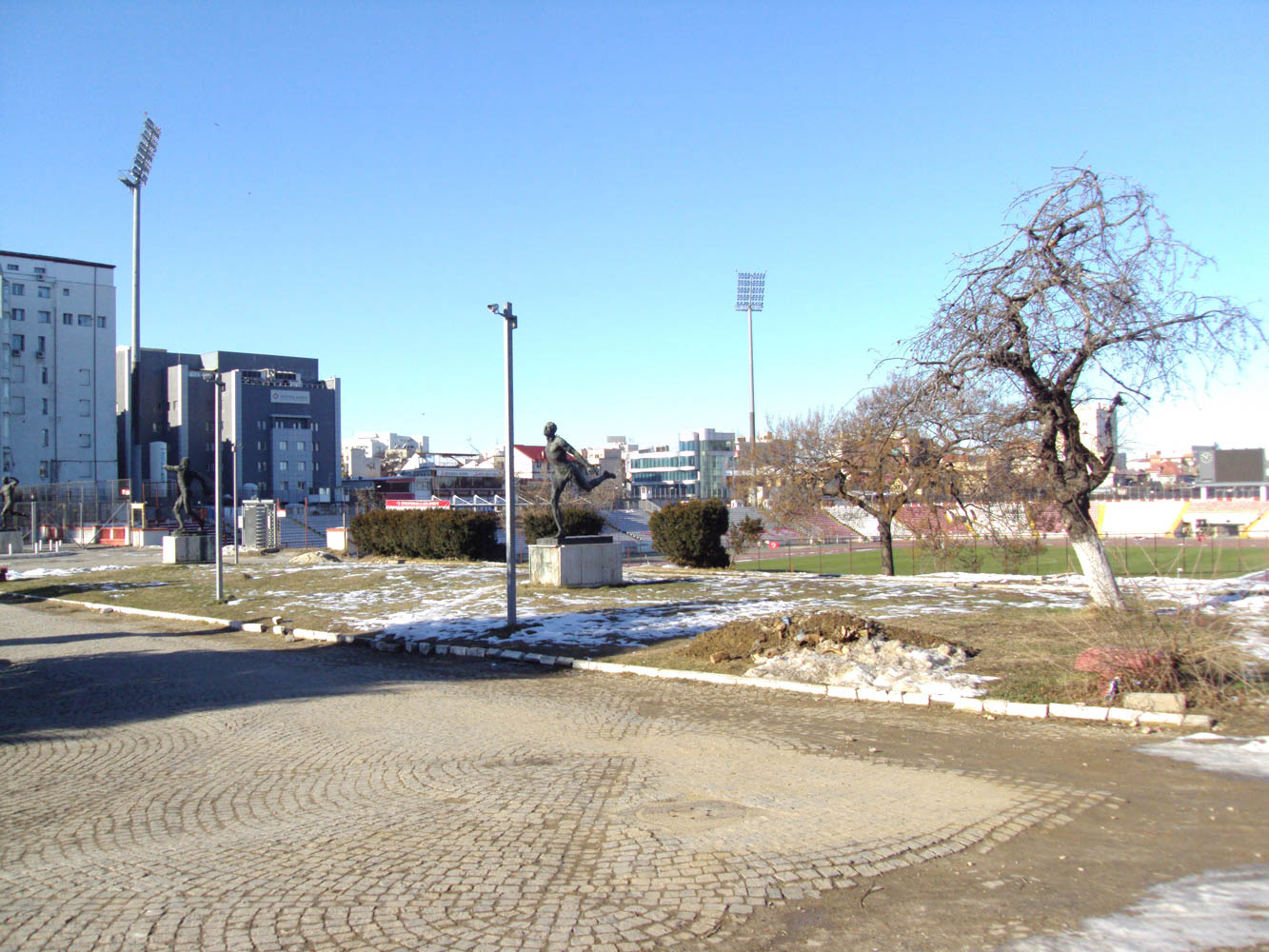
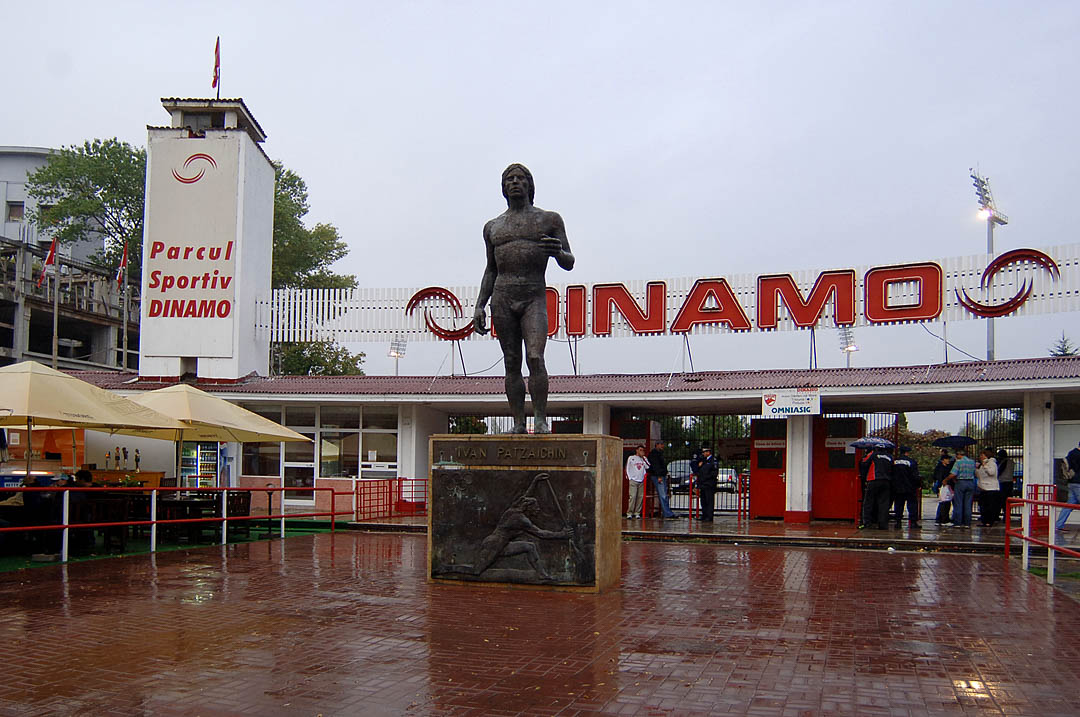
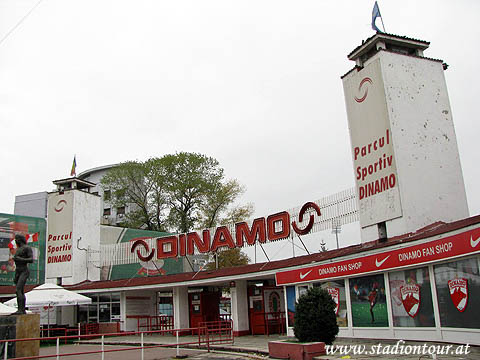
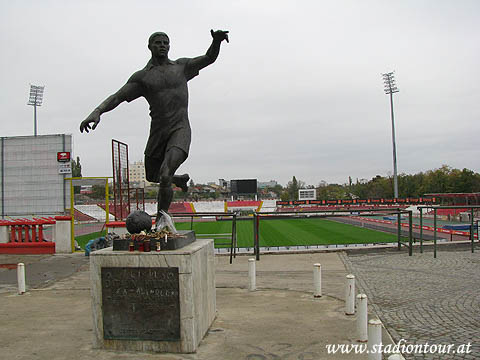
At the entrance to the complex, visitors were welcomed by a small square featuring a statue of Ivan Patzaichin, a multiple Olympic medalist in canoeing, as well as a distinctive arched gate building. After passing through the gate, supporters walked past fountains and further sculptures of athletes on their way to the stadium.
What was the Dinamo Bucharest stadium commonly known as?
The stadium was widely associated with the name of the street on which it was located – Ștefan cel Mare. Another well-known nickname, “Groapă” (“the pit”), referred to the stadium’s location in a natural depression of the terrain.
What were the final years of the Dinamo Bucharest stadium like?
For many years, the stadium had been in poor technical condition and no longer met modern standards. Dinamo Bucharest continued to play its home matches there until 2022, when the venue was deemed no longer compliant with league requirements.
Dinamo’s final match at the old stadium was the second leg of the Liga I relegation play-off, played on 29 May 2022 against Universitatea Cluj. The match ended in a 1–1 draw, which, following defeat in the first leg, resulted in Dinamo’s first-ever relegation from the top division.
The stadium continued to be used thereafter, including by the football team associated with the multi-sport club CS Dinamo. The team’s final match at the stadium, played on 4 June 2025 against ACS Vedița Colonești (1–1), resulted in promotion to Liga II.
When was the Dinamo Bucharest stadium closed?
Discussions about the need for a new stadium for Dinamo had been ongoing for many years. Ultimately, with government support, it became possible to build a modern, football-specific stadium to replace the old venue.
The construction site was officially handed over to the contractor on 19 January 2026, and a farewell ceremony for the old stadium was held the following day. Works began with the demolition of the existing structure. The new stadium is expected to be completed within three years, in early 2029.
The design of Dinamo Bucharest’s new stadium and updates on its construction can be found on separate subpages
Advertisement
Pictures
2022
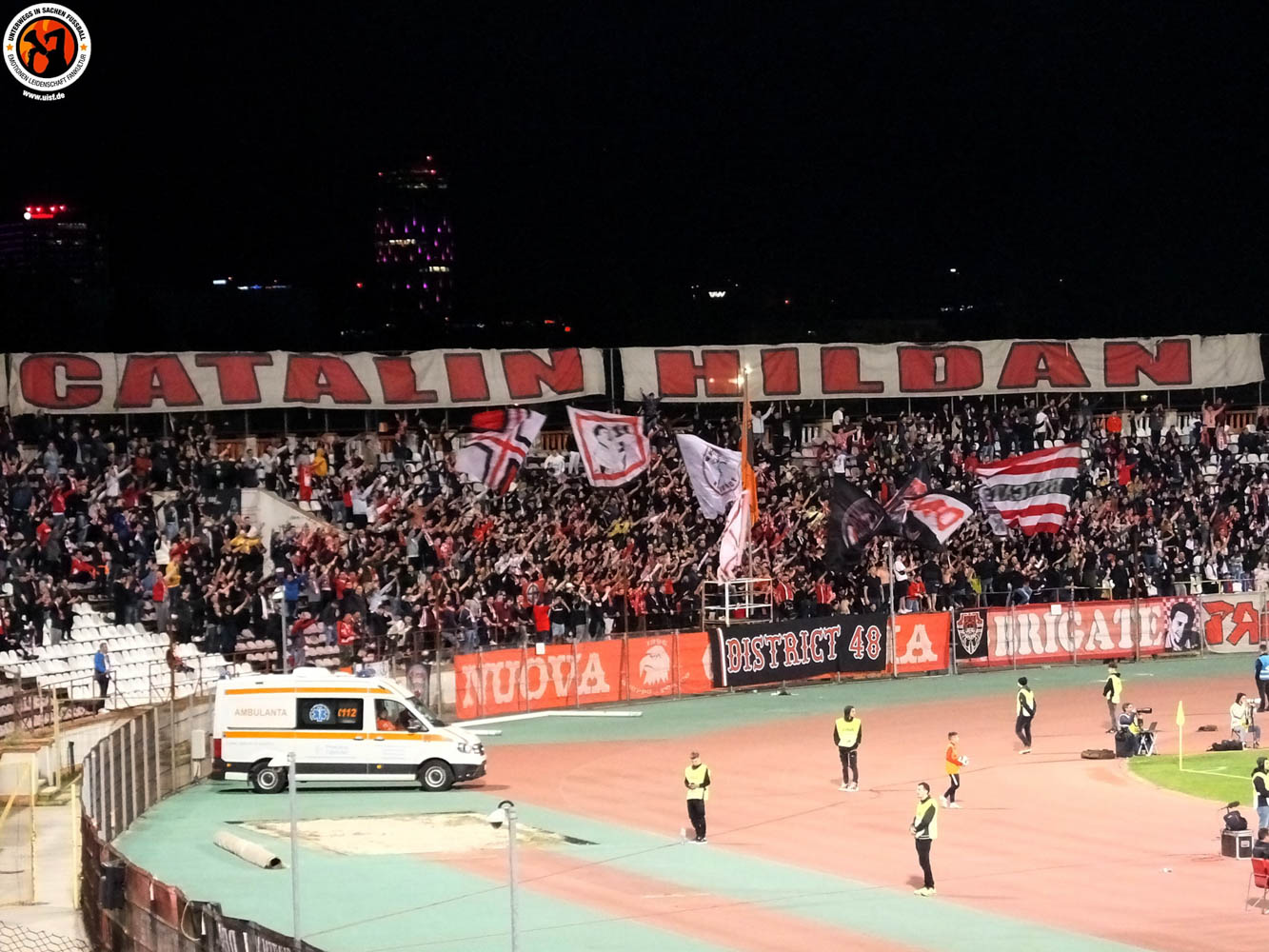
08.04.2022 © Unterwegs-in-Sachen-Fussball
2021
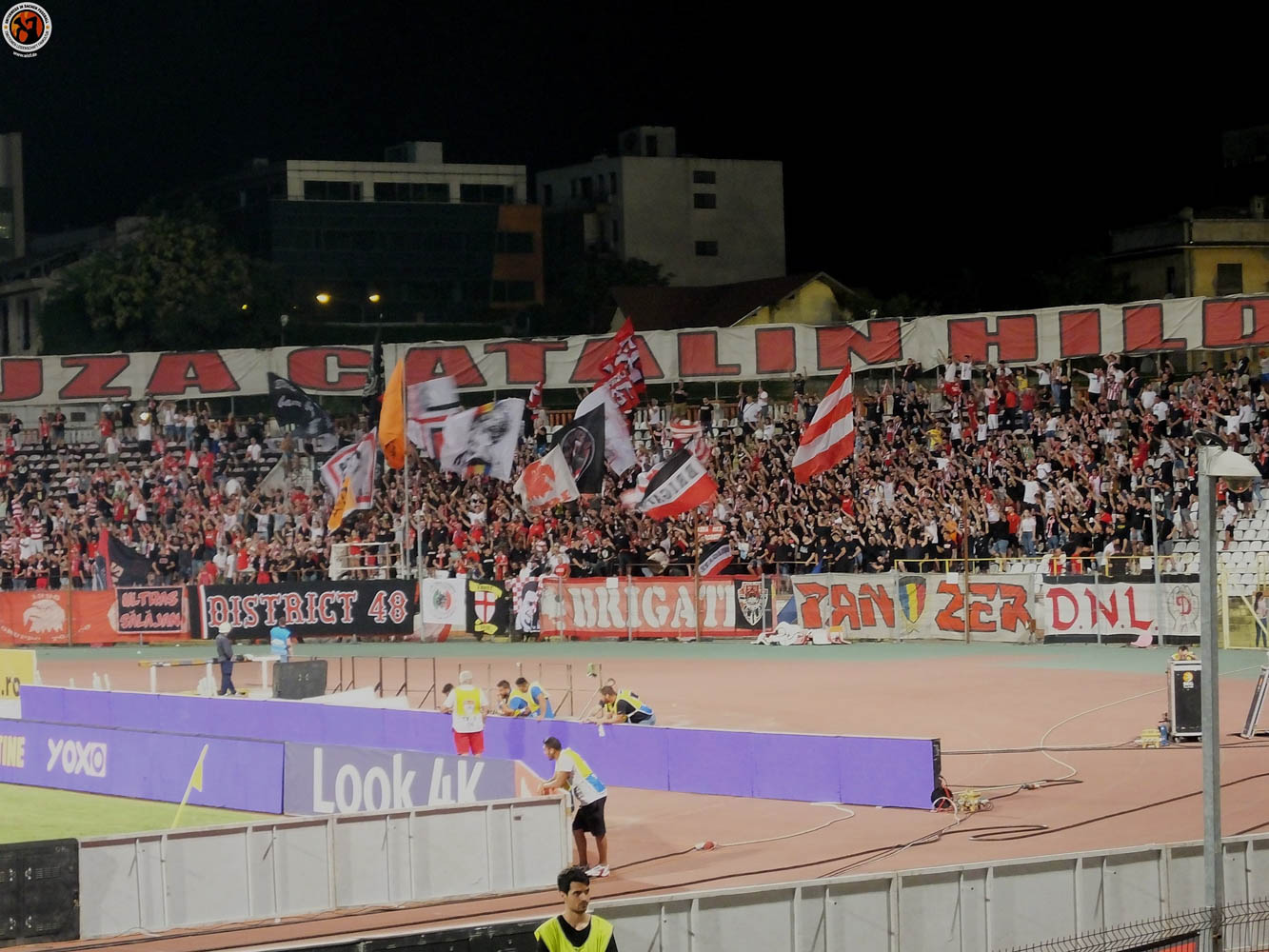
16.08.2021 © Unterwegs-in-Sachen-Fussball
2017
05.03.2017 © Jiří Klobasa 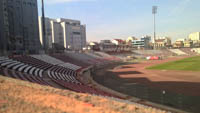
05.03.2017 © Jiří Klobasa 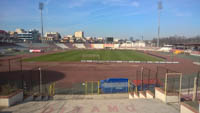
05.03.2017 © Jiří Klobasa
2016
17.09.2016 © Jiří Klobasa 
17.09.2016 © Jiří Klobasa 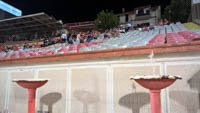
17.09.2016 © Jiří Klobasa 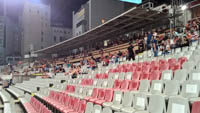
17.09.2016 © Jiří Klobasa 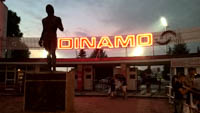
17.09.2016 © Jiří Klobasa 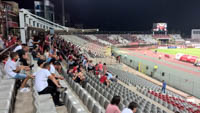
17.09.2016 © Jiří Klobasa 
17.09.2016 © Jiří Klobasa
2012
29.12.2012 © Rowley (CC BY-SA 3.0) 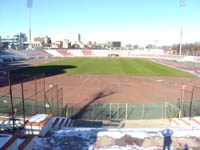
29.12.2012 © Rowley (CC BY-SA 3.0) 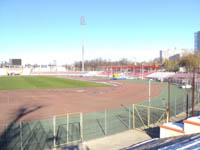
29.12.2012 © Rowley (CC BY-SA 3.0) 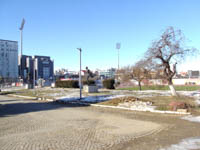
29.12.2012 © Rowley (CC BY-SA 3.0)
2010
2010 © Валерий Дед (CC BY 3.0)
2008
01.11.2008 © Frank Jasperneite 
01.11.2008 © Frank Jasperneite 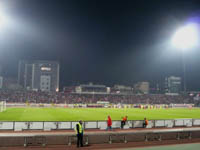
01.11.2008 © Frank Jasperneite 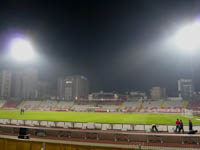
01.11.2008 © Frank Jasperneite 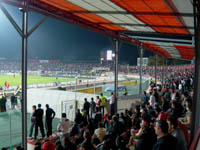
01.11.2008 © Frank Jasperneite 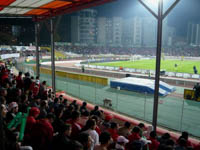
01.11.2008 © Frank Jasperneite 
01.11.2008 © Frank Jasperneite 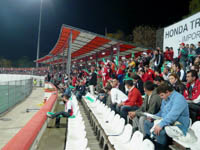
01.11.2008 © Frank Jasperneite 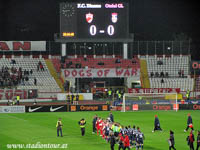
25.10.2008 © stadiontour.at 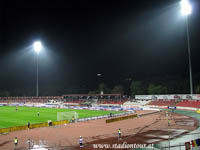
25.10.2008 © stadiontour.at 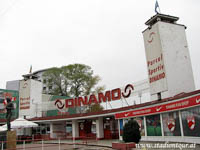
25.10.2008 © stadiontour.at 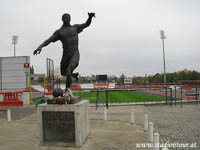
25.10.2008 © stadiontour.at 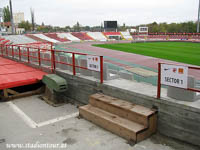
25.10.2008 © stadiontour.at 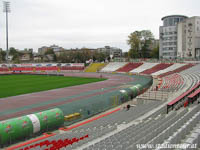
25.10.2008 © stadiontour.at 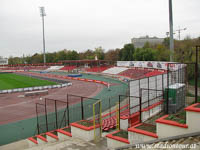
25.10.2008 © stadiontour.at 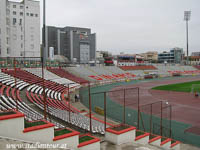
25.10.2008 © stadiontour.at 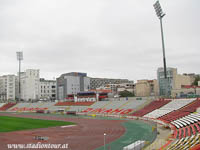
25.10.2008 © stadiontour.at 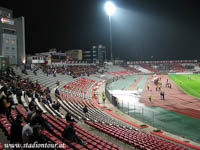
25.10.2008 © stadiontour.at 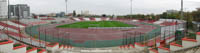
25.10.2008 © stadiontour.at
2006
22.09.2006 © Christopher Voitus (CC BY-SA 3.0
Related news
2021
-

Romania: Dinamo closer to building new home
Since 2017, the plans for Dinamo's new stadium have come a long way. The club overcame many formal obstacles, as a result of which it changed the location of the future venue. There is a good chance that construction works will start next year.
-

Bucharest: Dinamo plans to start construction in spring
Recently, new details have emerged about the future Dinamo venue, as well as announcements of its imminent creation. Let us hope that this time they are not just empty declarations.
2020

2018

2016
-

Romania: Stadium turned into shrine after death of Patrick Ekeng
26-year-old Cameroonian international Patrick Ekeng died yesterday, having collapsed during Dinamo-Vitorul game. Now Stadionul Stefan Cel Mare is turning into a shrine to his memory.
-

New design: First Euro 2020 stadium in Bucharest
It may only be a training venue, but the new stadium of Dinamo Bucuresti could easily hold a Euro game itself. Here comes first of three planned new stadia in Bucharest.
2015
-

Bucharest: Three stadium projects confirmed
New sports minister confirmed that three major stadium of Bucharest will be reconstructed before Euro 2020. Impressive rendering? Don’t believe it, reality won’t be that amazing.
-

Bucharest: New stadium for Red Dogs after 25 years of waiting?
Old one will be demolished and new one, twice bigger, is to replace it. Or at least that’s the latest of numerous promises considering new stadium for Dinamo Bucharest over the last 25 years.
2014

2013
-

Bucharest: Dinamo and Rapid stadiums need to be closed?
National football federation president claims many stadia across Romania require closing and thorough renovations. He names Dinamo and Rapid as such cases, though not hearing approval from Dinamo, as Mediafax informs.
-

Bucharest: Dinamo's new stadium in city centre?
Not only in far better location than the initially announced plans, but also twice bigger and more expensive. Bucharest may get another premium stadium if millionnaire Ionut Negoiţă keeps his word...
-

Bucharest: Dinamo moving to a new stadium soon?
Construction may start in half a year and the outcome is to be a new 12,000-seater in suburban district of Bucharest. In exchange the private investor expects to build a mall in the place of the current venue, Gazeta Sporturilor writes.