 StadiumDB
Nu Stadium
| Capacity | 26 700 |
|---|---|
| Country | United States of America |
| City | Miami |
| Clubs | Inter Miami CF |
| Other names | Miami Freedom Park |
| Inauguration | 04/04/2026 |
| Construction | 2023–2026 |
| Cost | $350 M |
| Design | Manica, Arquitectonica |
Advertisement
Nu Stadium – stadium description
How can Nu Stadium be described in brief?
The history of Inter Miami and its stadium dates back to 2007, when English superstar David Beckham joined Major League Soccer (MLS). His contract included a unique clause allowing him to establish his own MLS club after retiring from professional football.
Nearly two decades later, Beckham’s club – Inter Miami CF – was already operating in Miami. In 2025, it won its first MLS title, with Lionel Messi being one of its players. As Beckham himself stated during the opening ceremony of the new stadium in April 2026, “dreams really do come true.”
However, the road to building the stadium was far from easy. The search for a site took several years – ultimately, a plot was secured near Miami International Airport, with a favorable result in a local referendum allowing the project to move forward.
Following its MLS debut in 2020, Inter Miami spent its first six seasons playing at a temporary and utilitarian venue, while the permanent stadium was only constructed between 2023 and 2026.
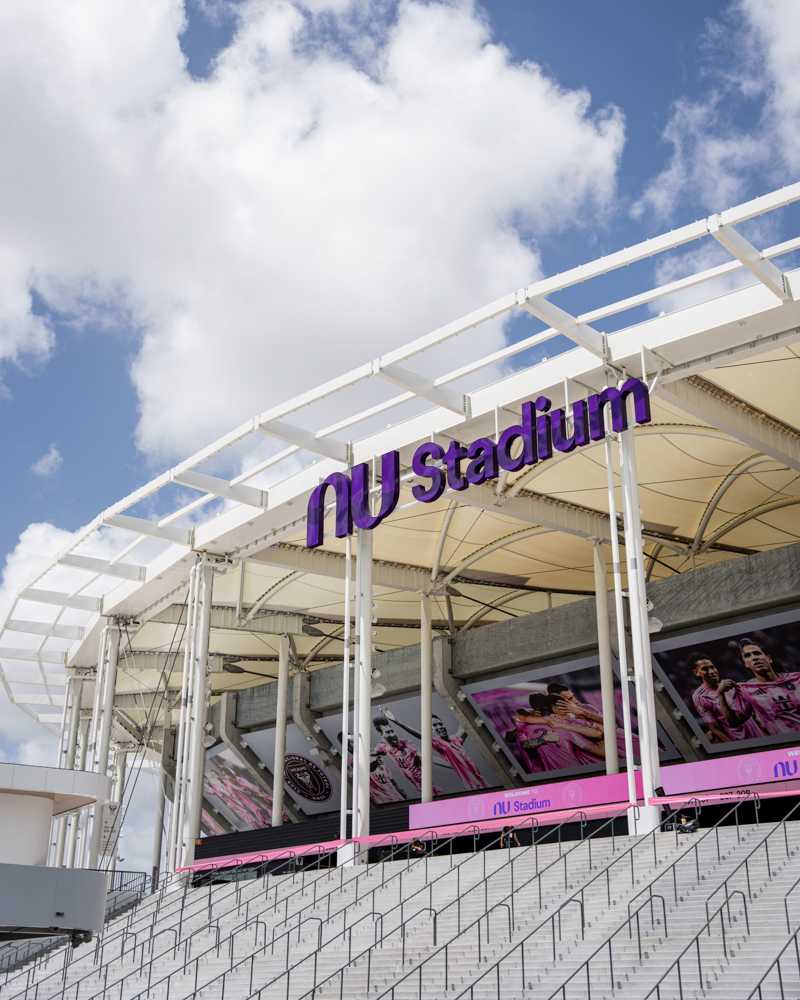
The modern, soccer-specific venue features a single-tier seating bowl with a capacity of 26,700 spectators. The structure is topped by an elegant white membrane roof extending beyond the stands to cover the surrounding promenade. Naming rights were acquired by Brazilian digital bank Nubank – hence the name Nu Stadium.
How did a new MLS club and stadium come to be built in Miami?
The creation of a new soccer club in Miami is closely linked to David Beckham. In 2007, the English superstar made the move from Real Madrid to LA Galaxy, a club competing in what was then still a relatively niche Major League Soccer (MLS).
Although the move may have seemed surprising, it was in fact a carefully planned business and marketing venture: Beckham played a key role in popularizing soccer in the United States and helped elevate the global profile of MLS.
His contract with MLS also included a unique clause allowing him to purchase the rights to an MLS expansion franchise for $25 million after retiring. This arrangement enabled the league to retain Beckham’s long-term involvement, while giving the player an opportunity to pursue his business ambitions and the dream of creating his own club.
Beckham retired in May 2013, having spent the final half-season of his career back in Europe with Paris Saint-Germain. After ending his playing career, he decided to activate the clause in his contract, publicly confirming in February 2014 his intention to establish his own MLS club.
Beckham chose Miami as the home for his new team, a city that had previously hosted an MLS club, Miami Fusion, between 1998 and 2001. A group of investors formed around him to support the project, with one of their primary objectives being the construction of a dedicated stadium for the new club.
What were the first plans and proposed locations for the new stadium in Miami?
In March 2014, David Beckham unveiled the first design for a new stadium, which was planned to be built in the Port of Miami (on the western part of Dodge Island) and accommodate up to 35,000 spectators.
However, these plans faced strong opposition from local business leaders. In May 2014, a new proposal was presented, under which the stadium would be constructed next to the American Airlines Arena, after filling in the adjacent dock.
Since this idea also failed to gain approval, in 2015 attention shifted to the area around the baseball stadium where the Miami Marlins play. The new stadium was intended to be built on a parcel to the west of the ballpark, but this concept was later abandoned as well.
Another plan emerged at the end of 2015, proposing a stadium in the Overtown district. Land was even acquired for the project, but ultimately this vision was never realized.
When did the new Miami club receive its MLS license?
On January 29, 2018, MLS granted a license to the new Miami club to join the league starting with the 2020 season. Since work on the new stadium was delayed, it was decided that the team would initially play at a temporary venue until the permanent stadium could be completed.
On September 5, 2018, the club’s name was revealed – Club Internacional de Fútbol Miami (Inter Miami CF for short) – along with its colors and crest.
When was a location for the new Inter Miami CF stadium finally found?
On July 8, 2018, Beckham and his group of investors unveiled new renderings for a stadium, this time planned on the site of the Melreese Country Club golf course, right next to Miami International Airport.
The plan called for a 25,000‑seat soccer stadium, alongside a large development project including retail, restaurants, a hotel, office space, and recreational areas. The entire vision was named Miami Freedom Park, with an estimated cost of $1 billion, of which $350 million was allocated for the stadium.
The land, including the golf course, was owned by the city. The question of building the stadium and the accompanying development was put to a local referendum on November 6, 2018, with approximately 60% of voters supporting the plans.
On April 28, 2022, the City Commission voted to grant Beckham and his partners a 99‑year lease on the golf course site, giving the project the green light.
How did the design of the new Inter Miami CF stadium take shape?
The first renderings, presented in 2018, depicted the stadium as an oval structure with a fairly irregular shape.
In April 2019, an updated and completely redesigned concept was unveiled, featuring an elaborately shaped roof inspired by the wings of a heron – a motif present in the club’s crest. The stadium was also planned to include a large panoramic screen above the seating bowl, similar to the one at Krasnodar Stadium.
The final design, presented after construction had already begun, was simplified compared to the dramatic 2019 concept. The stands were given a more regular, symmetrical shape, as was the roof, which was made of membrane and no longer resembled heron wings.
The completed design was developed by the architecture firms Manica and Arquitectonica. In the final stages, the stadium’s capacity was slightly increased to 26,700 seats.
The Inter Miami CF stadium design can be viewed on a separate page
Where did Inter Miami CF play before the permanent stadium was built?
Since it was clear that the new stadium would not be ready in time for Inter Miami’s MLS debut in the 2020 season, the club had to find an alternative venue for the initial period.
The team turned its attention to Lockhart Stadium in Fort Lauderdale, which had been abandoned since 2016 after the Fort Lauderdale Strikers relocated. The stadium was located just next to Fort Lauderdale Executive Airport, over 30 miles north of the site planned for the permanent stadium.
The inactive Lockhart Stadium was demolished and replaced with a new venue, largely based on fairly makeshift metal structures. The pitch was also reoriented along a north–south axis.
At the same time, the nearby baseball stadium (Fort Lauderdale Stadium) was demolished to make way for training fields, creating a full complex that would eventually serve as Inter Miami’s training facility.
Thanks to the use of simple, modular structures, the new stadium was built in just 10 months. It was ready for the planned MLS debut in March 2020, but the season was suspended due to the COVID‑19 pandemic, and the first matches at the new venue were held in the summer.
The stadium initially held 18,000 spectators, with capacity later expanded to over 21,500 seats. From 2021 to 2024, it was known as DRV PNK Stadium, and from 2024 it has been called Chase Stadium. After the first team moved to the permanent stadium in 2026, the venue was handed over to the club’s reserves (Inter Miami CF II).
How did Inter Miami CF develop before the opening of its permanent stadium?
From the very beginning, the new club attracted significant attention, mainly because of David Beckham. Several well-known players joined the team, but the real sensation was the signing of Lionel (Leo) Messi, who joined Inter Miami in the summer of 2023 on a free transfer from PSG.
The Argentine player, regarded as one of the greatest footballers in history, greatly increased the club’s global recognition, and its market value exceeded $1 billion.
Shortly after Messi’s arrival, Inter Miami won its first trophy, claiming victory in the international Leagues Cup. In 2024, the team earned the Supporters’ Shield, awarded to the best team of the MLS regular season.
The 2025 season brought the club’s first major achievement – winning the Major League Soccer title after a 3–1 victory over Vancouver Whitecaps FC in the MLS Cup. The title-deciding match took place on December 6, 2025, at Inter Miami’s Fort Lauderdale venue – several months before the opening of the new, permanent stadium in Miami.
When was Inter Miami CF’s permanent stadium built?
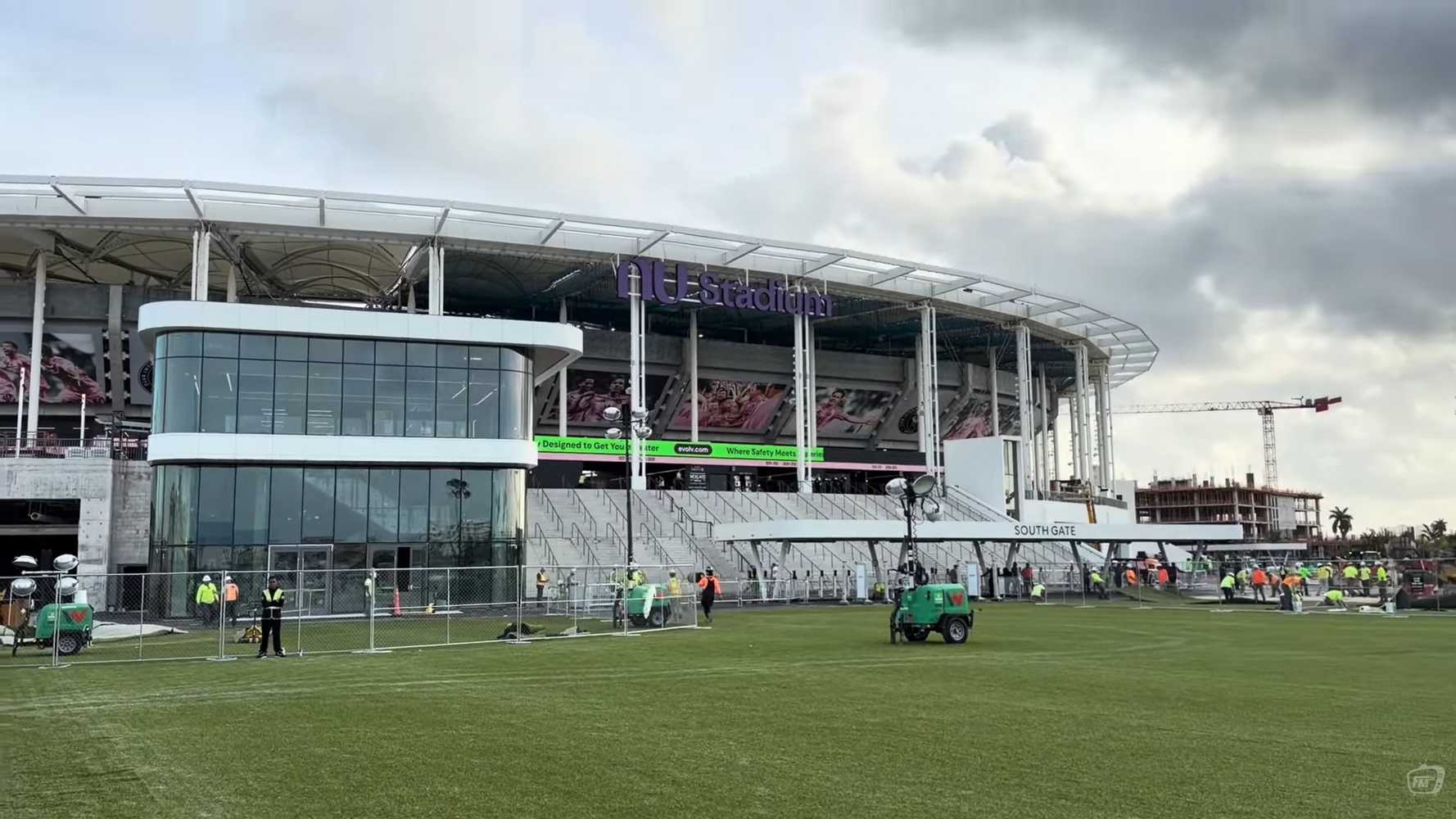
On March 19, 2023, the Melreese Country Club golf course was officially closed. Construction of the new stadium on the site began in August 2023. The venue was completed and ready for use in spring 2026.
A report on the construction of Inter Miami CF stadium can be viewed on a separate page
Who became the title sponsor of Inter Miami CF’s new stadium?
During the planning and construction phase, the new stadium was known as Miami Freedom Park, although this was primarily the name of the broader development project, which included a range of other planned investments around it.
Shortly before the stadium’s opening, on March 4, 2026, it was announced that the arena’s title sponsor would be the Brazilian digital bank Nubank, and the venue would be called Nu Stadium at Miami Freedom Park (short form: Nu Stadium).
How was Leo Messi honored at Inter Miami CF’s new stadium?
On March 27, 2026, it was also announced that the sectors on the east stand would be named the Leo Messi Stand – a rare case of honoring an active player by naming a stadium section after him.
When was the new Inter Miami CF stadium inaugurated?
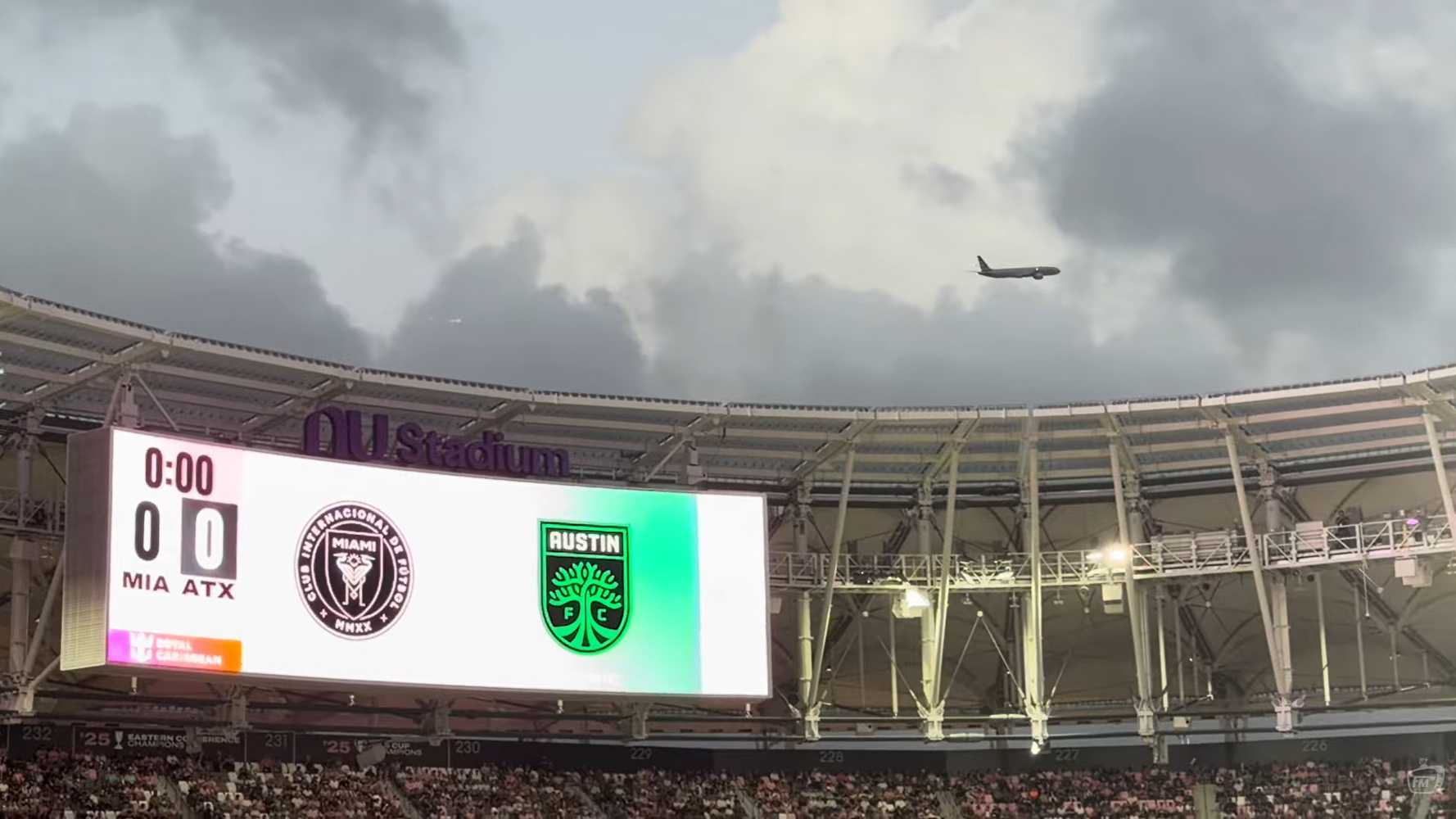
The new stadium was inaugurated with an MLS match on April 4, 2026, between Inter Miami CF and Austin FC. The game, played as part of the sixth round of the league season, ended in a 2–2 draw (Inter Miami played its first five matches of the 2026 season away while awaiting the completion of the venue). At the time of the opening, finishing work was still ongoing at the stadium.
During the pre-match ceremony, David Beckham delivered a speech. A fragment of his remarks illustrates the journey he took from joining MLS to opening a stadium for the club he founded:
“I came to America and the MLS 20 years ago with my dream was to win championships, help raise the game of soccer that I love so much, and to build my own team. Thirteen years ago, I announced Miami was my choice.
We had no name,we had no badge, we had no stadium. Today, I stand here in our new home. We are champions of the MLS (Major League Soccer), we have the best player in the history of the game playing in Miami. Dreams really do come true.”
– David Beckham, at the stadium opening (April 4, 2026)
What does Nu Stadium look like?
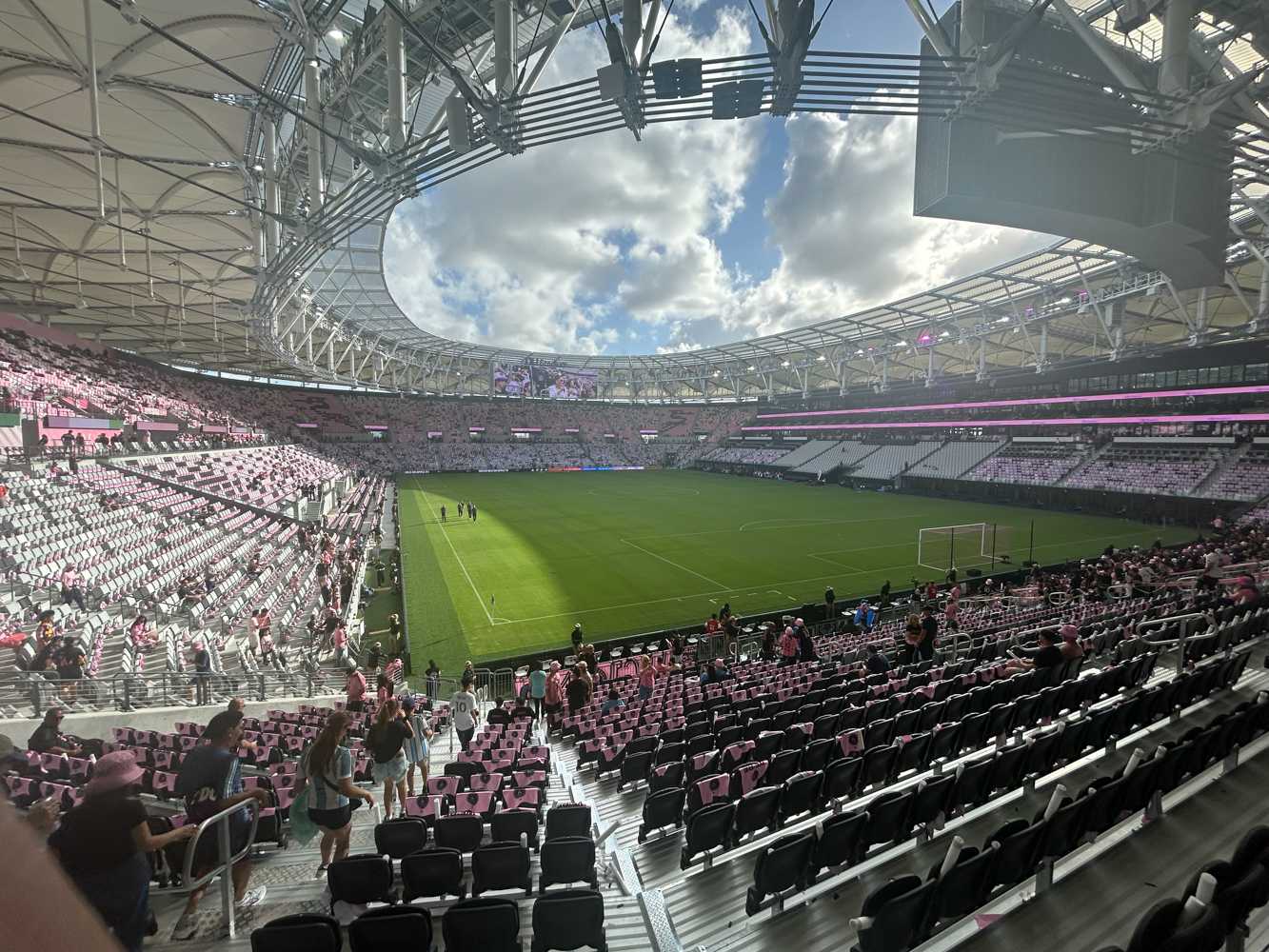
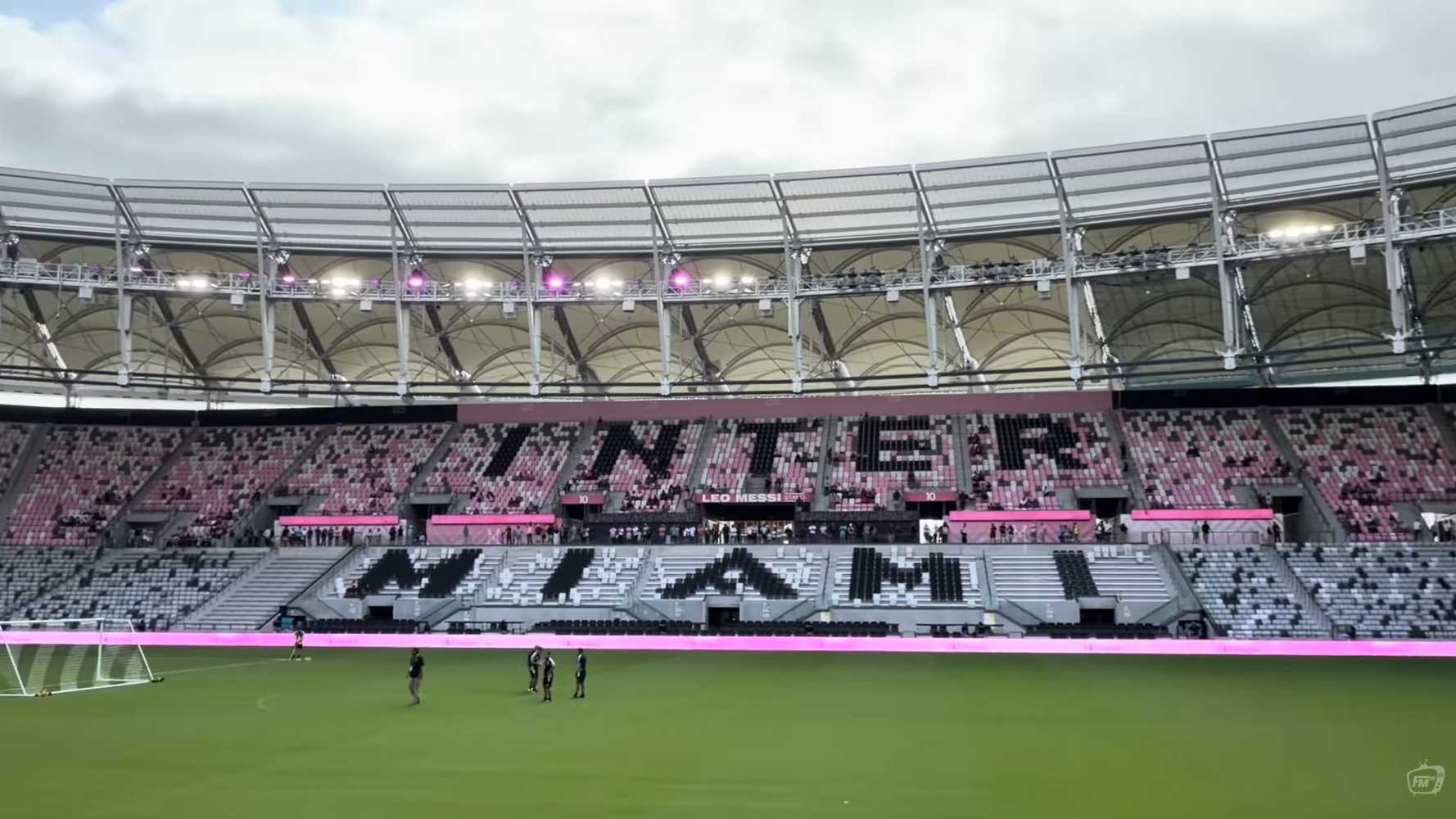
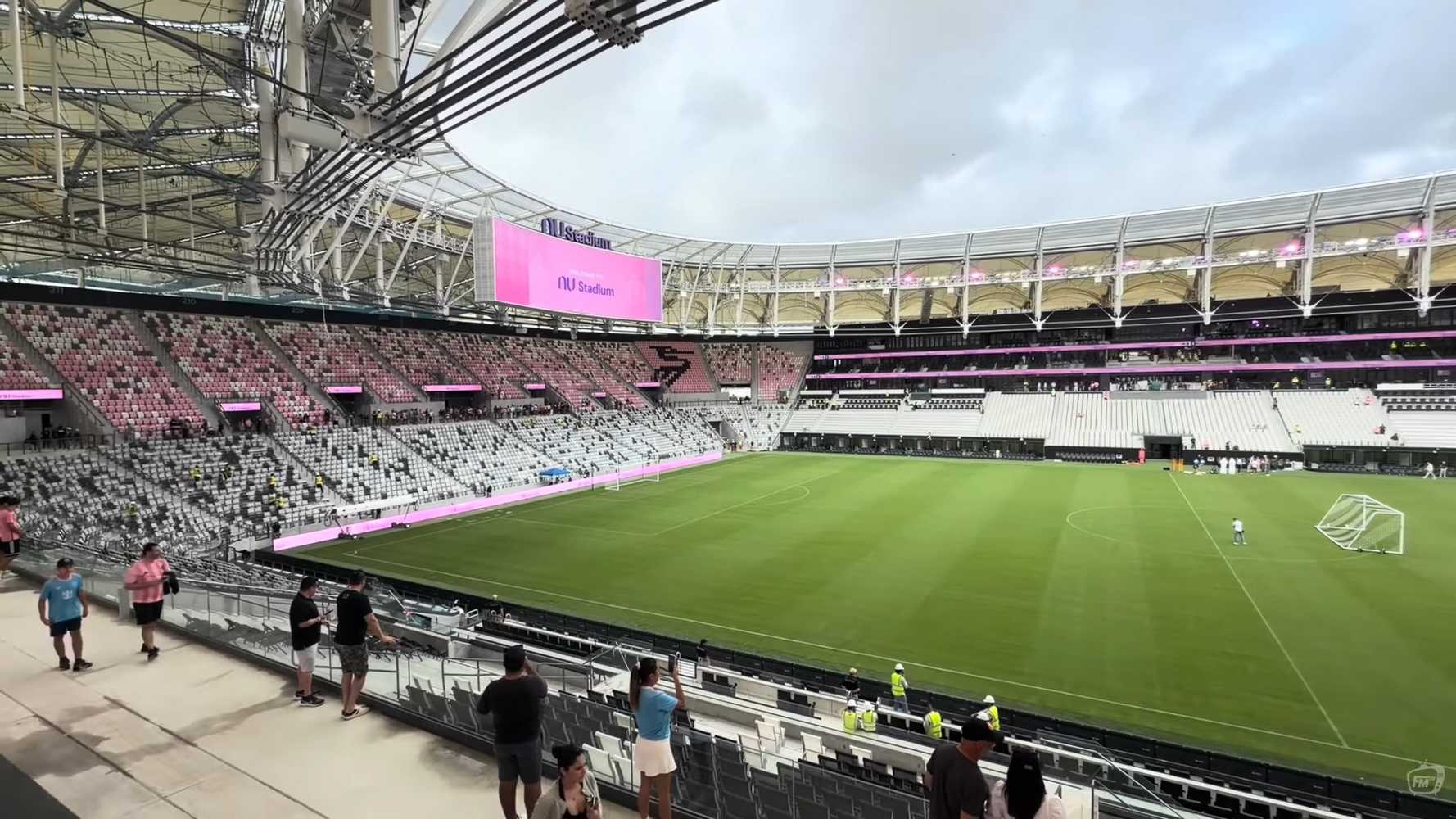
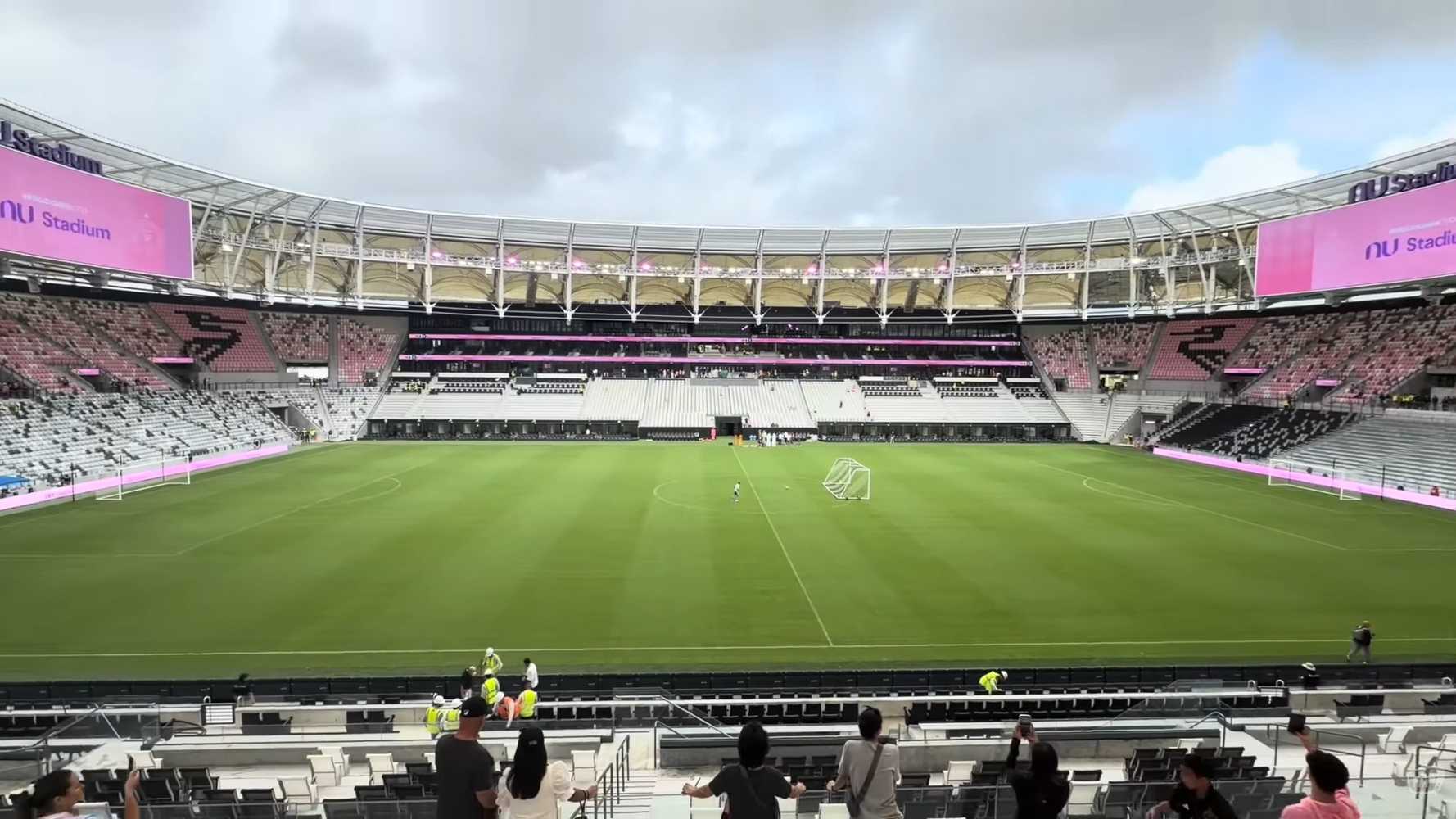
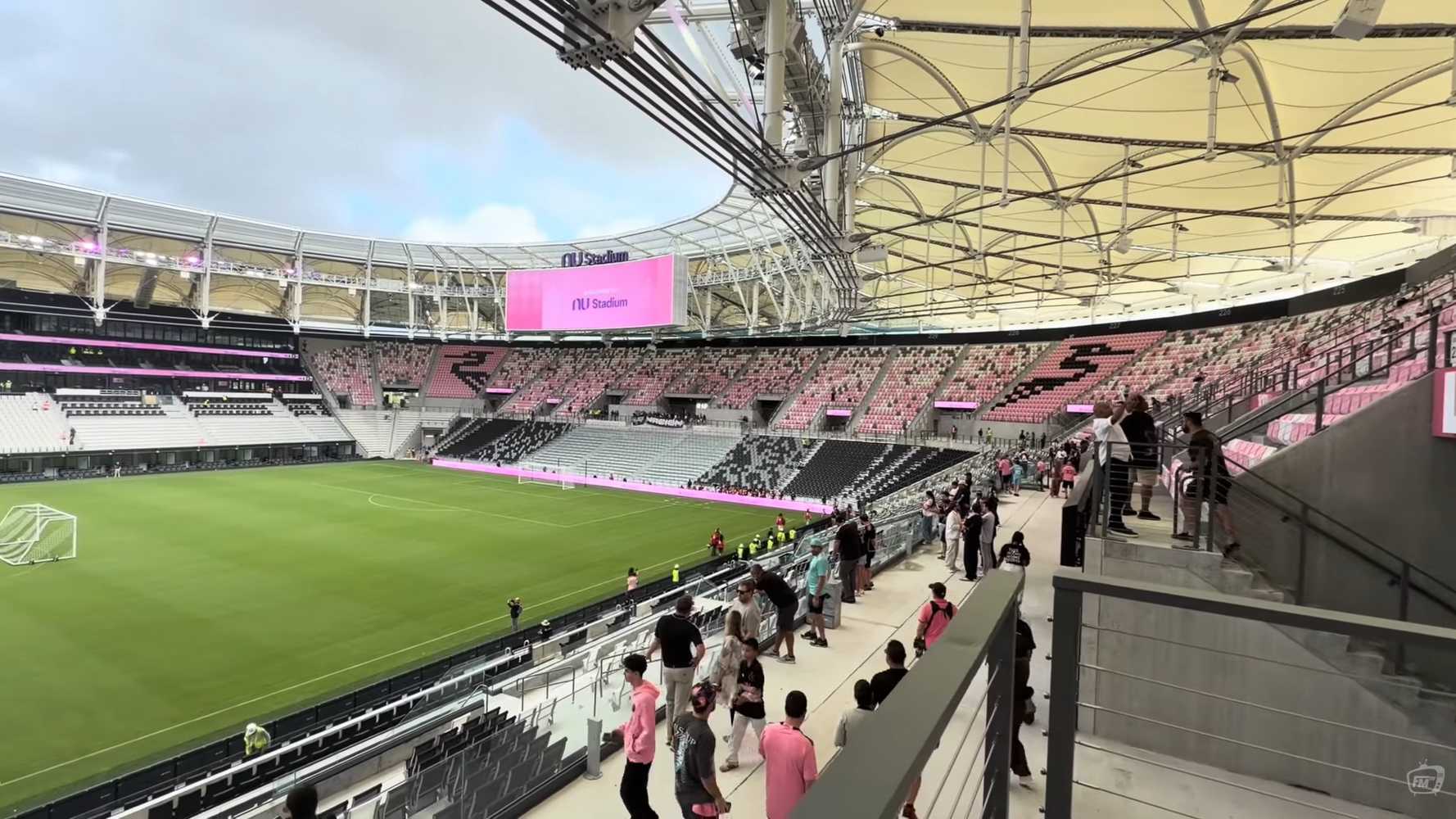
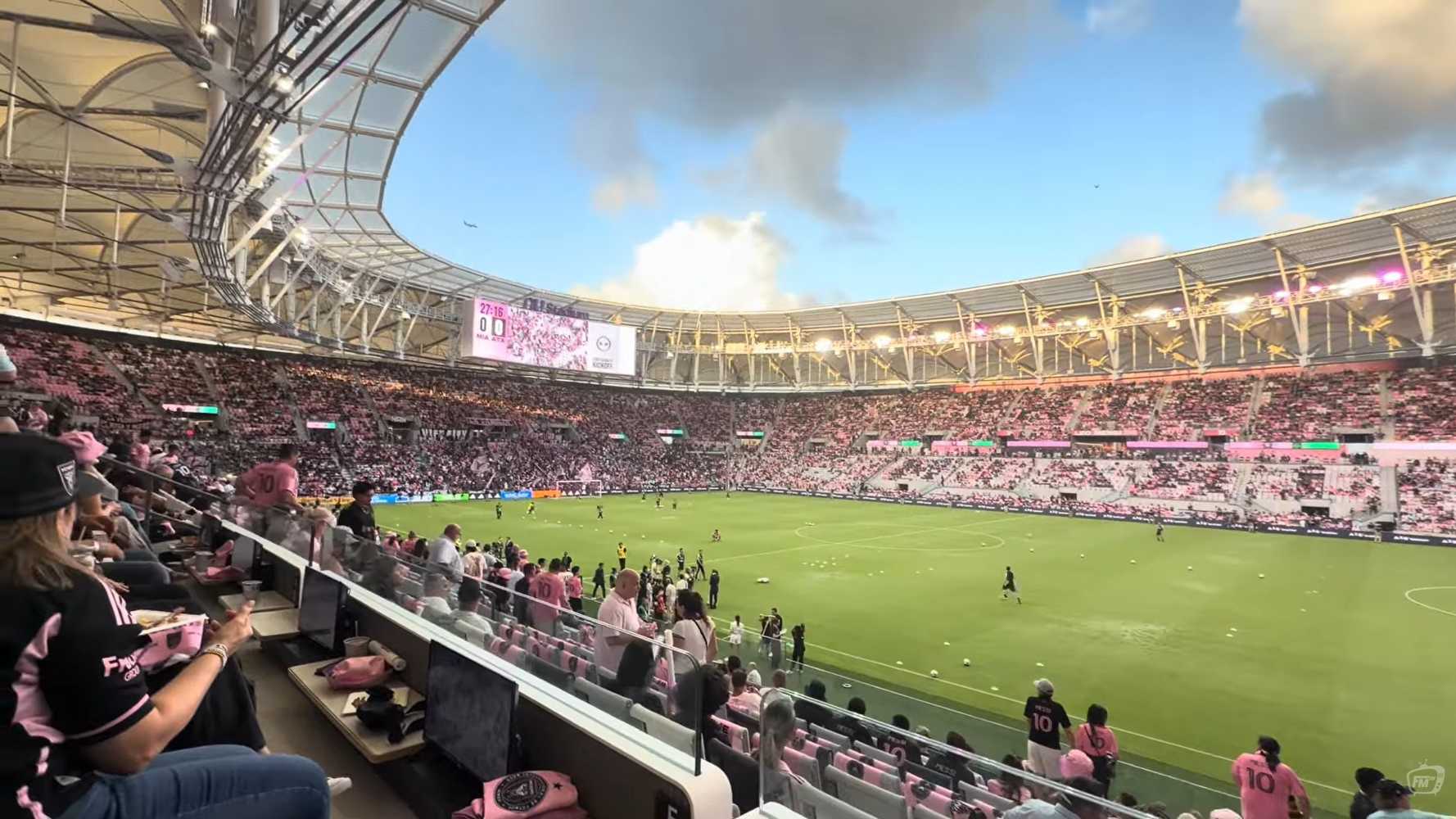
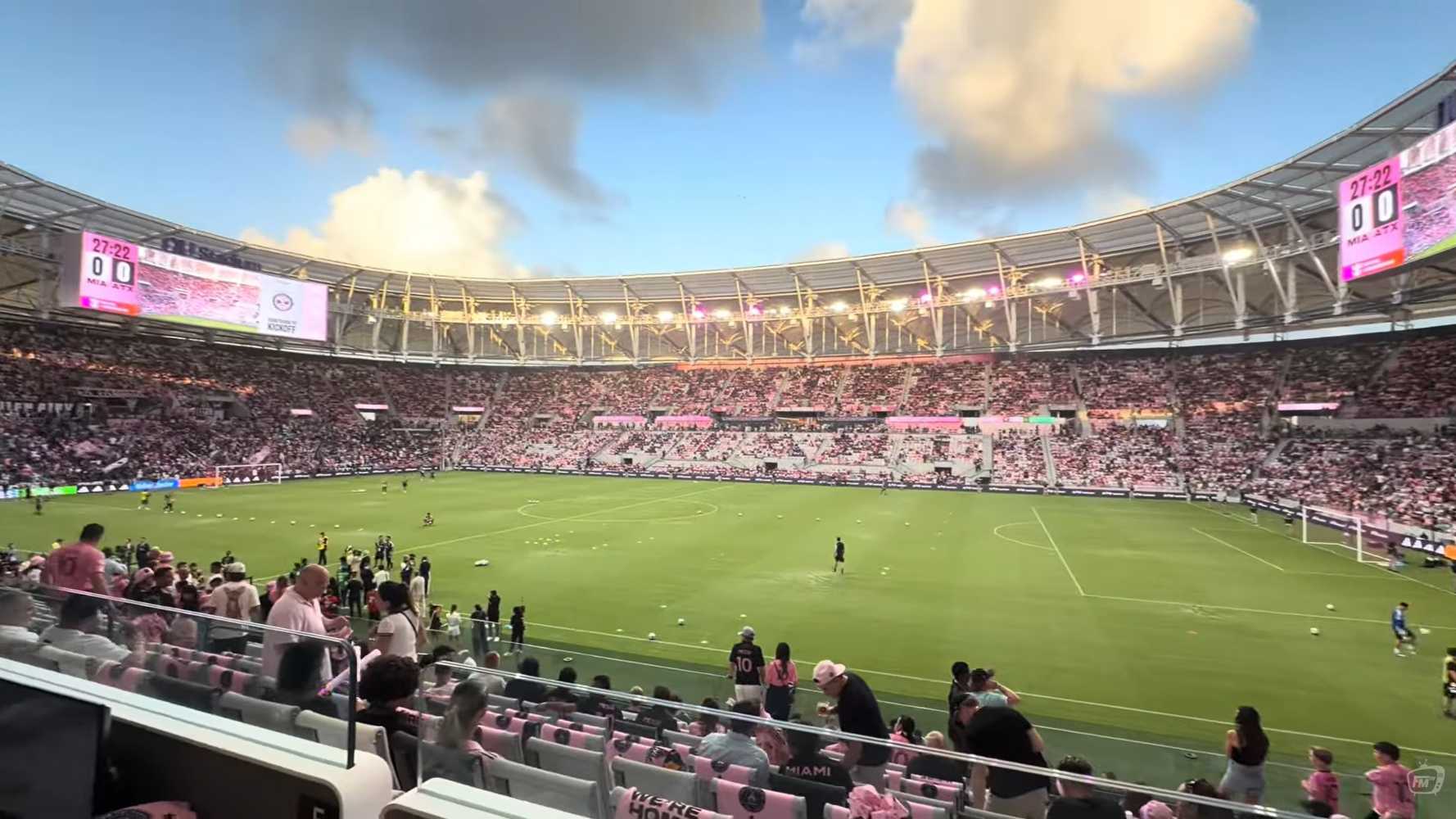
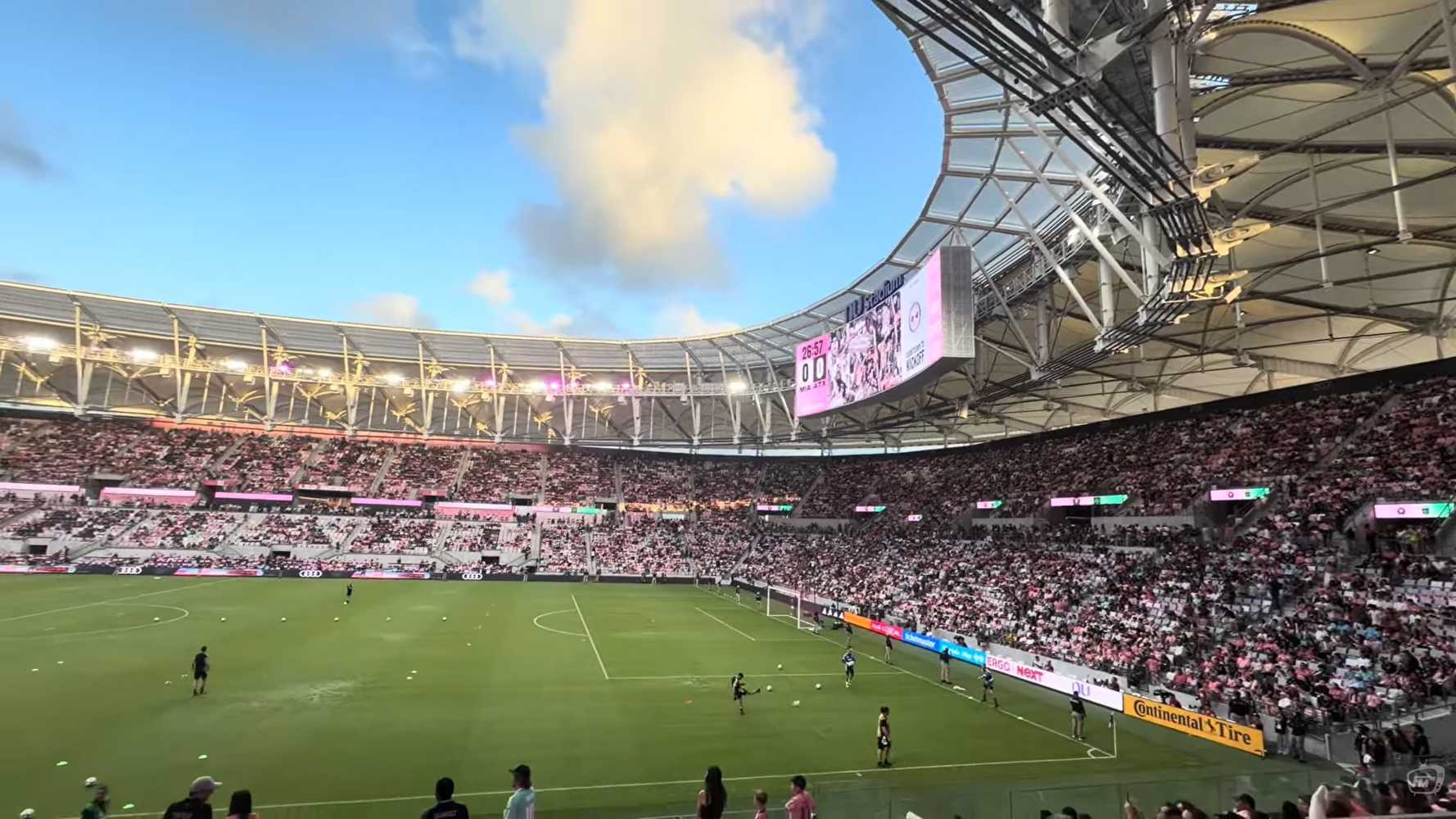
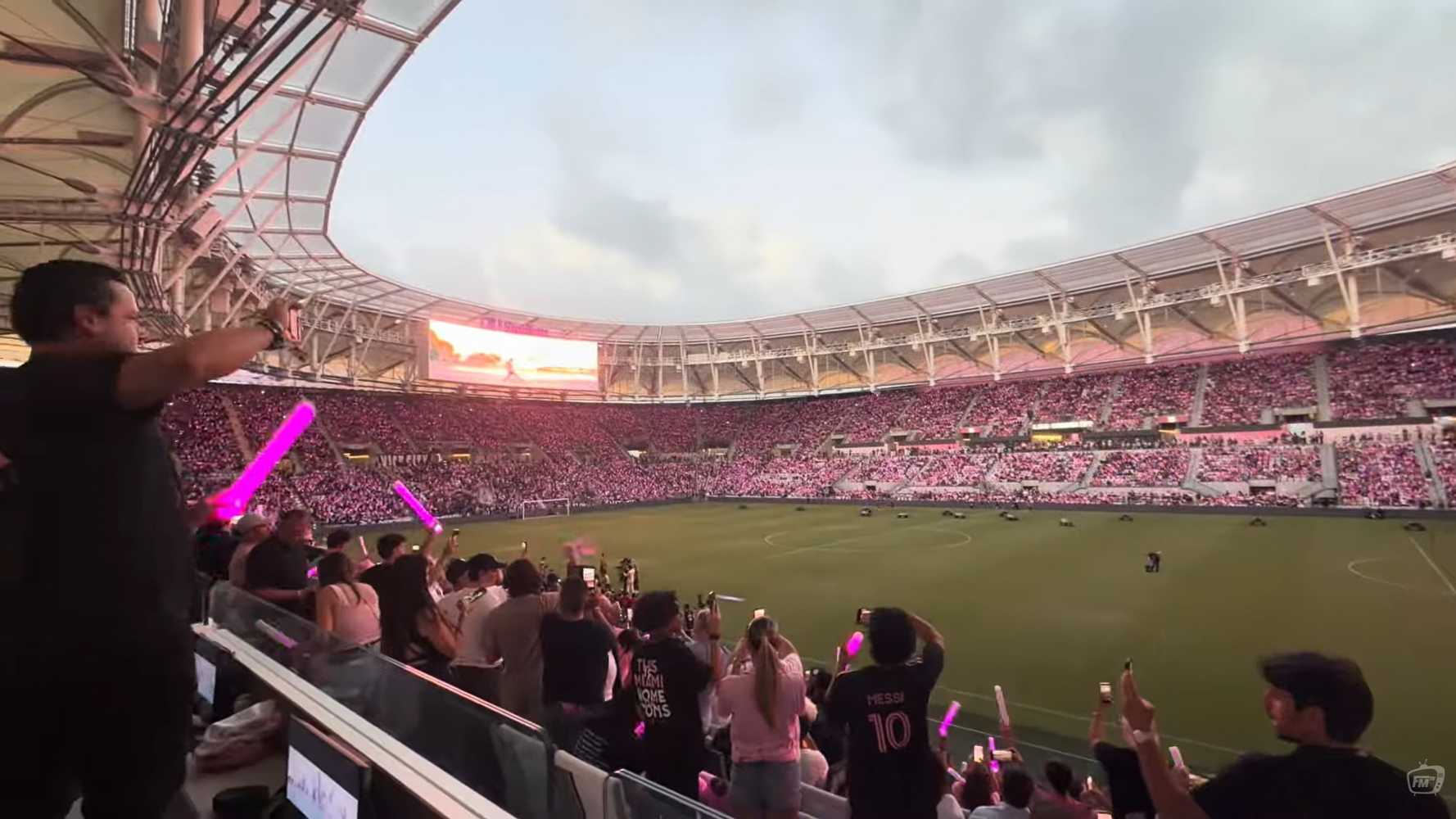
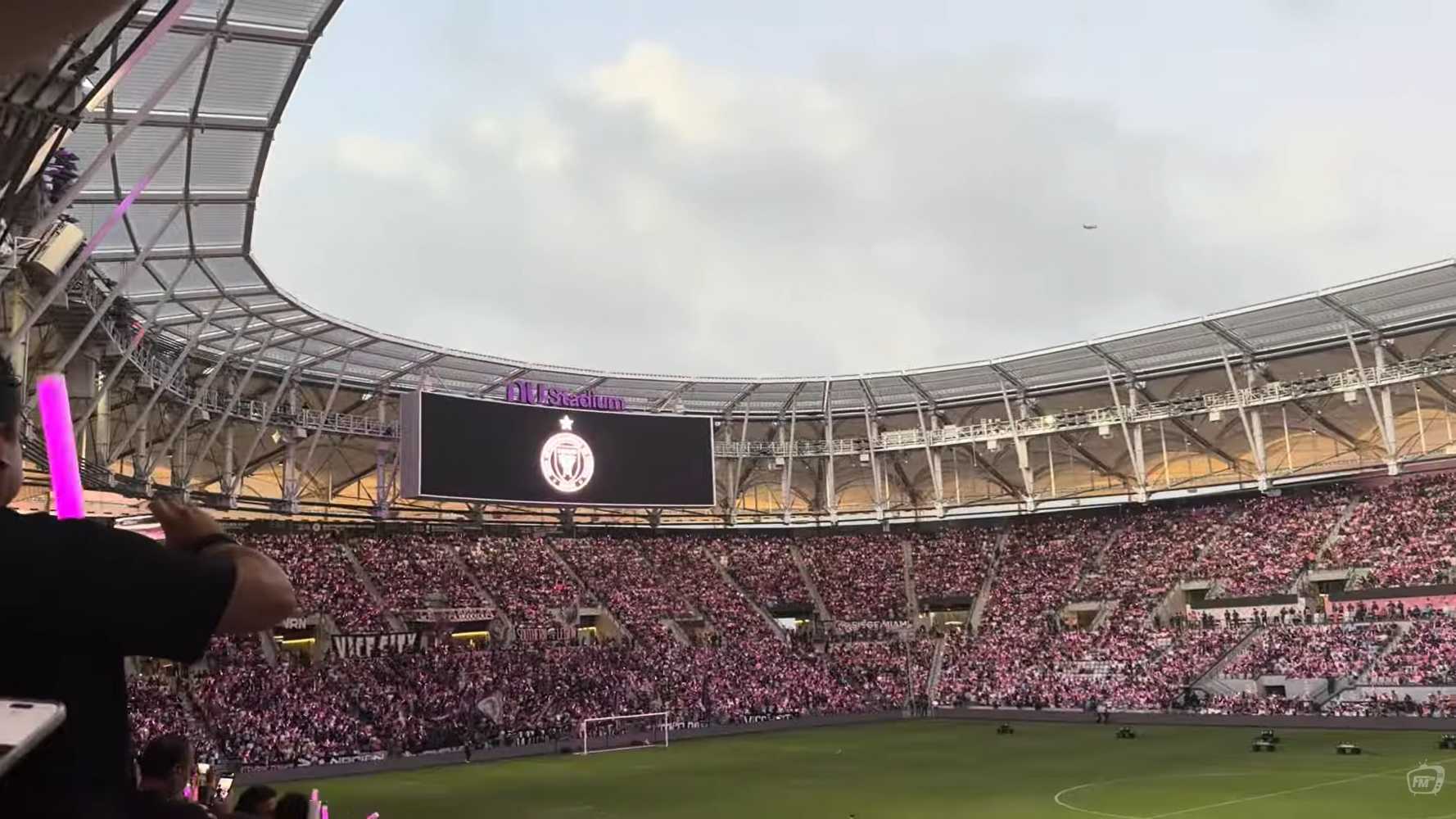
Inter Miami’s stadium has a classic football-specific profile. Symmetrical, single-tier stands (with a clearly marked upper and lower section) surround the pitch on all sides, with a total capacity of 26,700. The main (west) stand, equipped with suites and premium seating, has a somewhat different character.
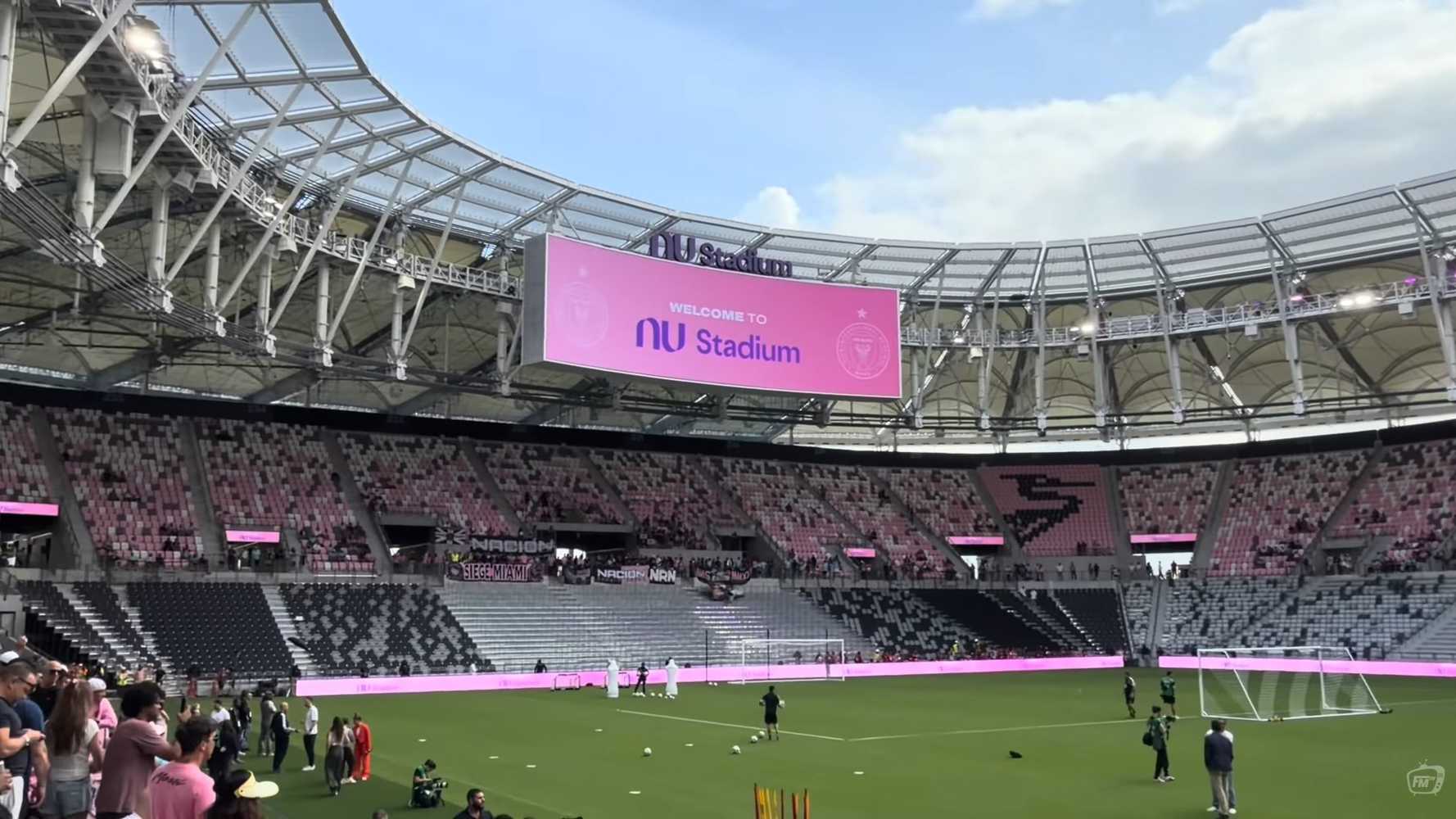
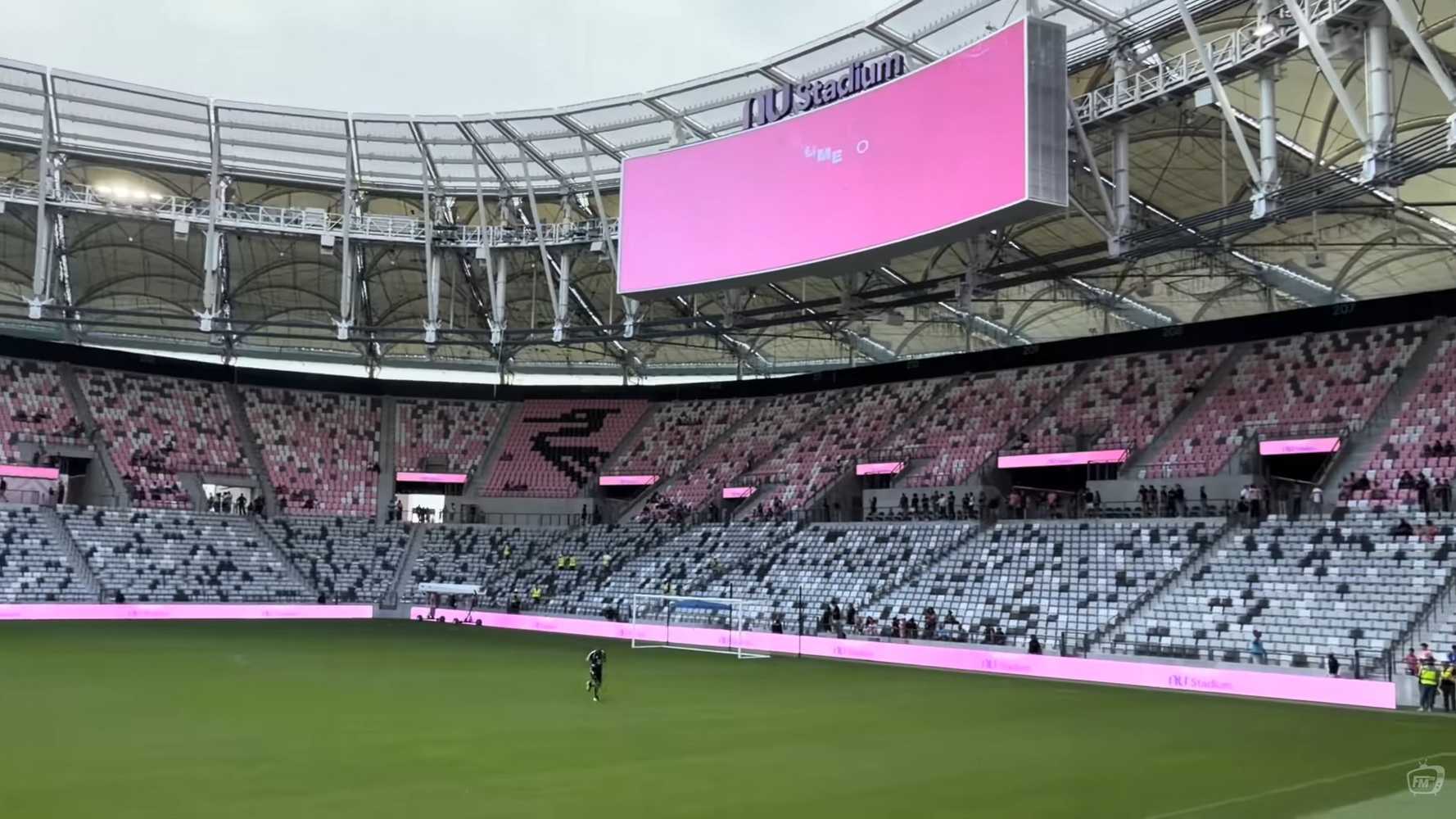
The stands are covered by a flat roof made of white membrane, finished with glazing along the inner edge. Above the goals, under the roof, two large, slightly curved video screens are installed. The roof structure also supports floodlights and a sound system.
The seating features foldable seats, predominantly gray in the lower sections and pink (the club’s signature color) in the upper areas. The northern stand is home to Inter Miami’s most passionate supporters – La Familia and other fan groups. Its lower-middle sections include standing areas.
The lower part of the northern stand is also retractable, allowing for additional space, for example, to set up a stage. Other notable stadium features include a glass tunnel for players, through which spectators in the premium Nu Club area can watch the athletes.
Outside, the stands are surrounded by a wide, elevated promenade, covered by the extended roof. The surrounding area provides over 4,500 parking spaces.
The stadium is located about 5 miles west of downtown Miami, right next to Miami International Airport. In the immediate vicinity, there is also a large intermodal transport hub, facilitating access via public transit.
Advertisement
Pictures
-
04.04.2026 © Inter Miami CF 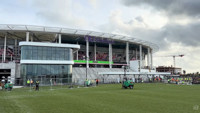
02.04.2026 © Futbol Miami TV 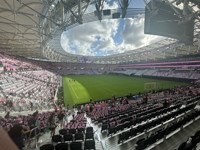
04.04.2026 © Cuban Boy 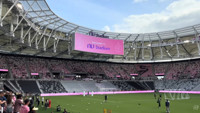
02.04.2026 © Futbol Miami TV 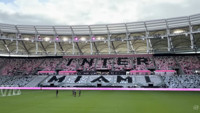
02.04.2026 © Futbol Miami TV 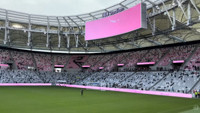
02.04.2026 © Futbol Miami TV 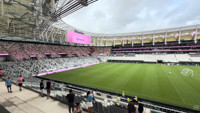
02.04.2026 © Futbol Miami TV 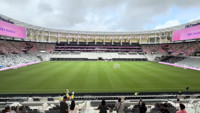
02.04.2026 © Futbol Miami TV 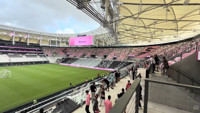
02.04.2026 © Futbol Miami TV 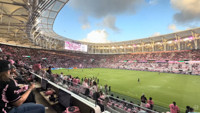
04.04.2026 © Futbol Miami TV 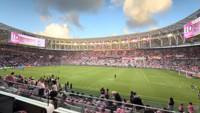
04.04.2026 © Futbol Miami TV 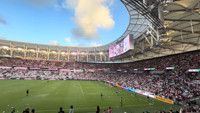
04.04.2026 © Futbol Miami TV 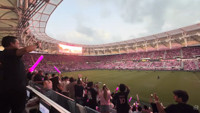
04.04.2026 © Futbol Miami TV 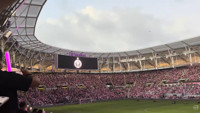
04.04.2026 © Futbol Miami TV 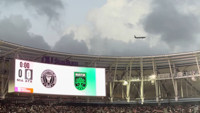
04.04.2026 © Futbol Miami TV