 StadiumDB
WC 2026: How US stadiums are preparing for the World Cup? Grass, construction, and criticism
source: StadiumDB.com ; author: Paulina Skóra
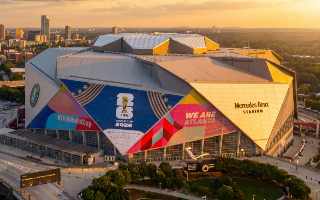 Preparations for the 2026 FIFA World Cup involved extensive upgrades that transformed NFL venues into stadiums meeting FIFA requirements. The key changes included switching to natural grass surfaces, adjusting pitch geometry and expanding technical infrastructure and operational facilities.
Advertisement
Natural grass instead of artificial turf
One of the most fundamental changes across most venues was the replacement of artificial turf with natural grass, in line with FIFA regulations. In practice, this meant the complete removal of existing surfaces and the construction of multi-layered pitch systems: from drainage structures, through layers of sand and specialised organic substrates, to irrigation and aeration systems. In some stadiums, these installations reached depths of 60–90 cm, ensuring stable playing conditions in enclosed or roofed venues. Advanced LED lighting systems were also introduced to support grass growth in environments with limited natural light.
The entire process was based on years of scientific research. As experts cited by the BBC note, the development of the specialised turf took up to eight years, treated not as a standard stadium feature but as a complex engineering and agronomic project. The goal was to create a surface capable of withstanding the most demanding tournament in football history.
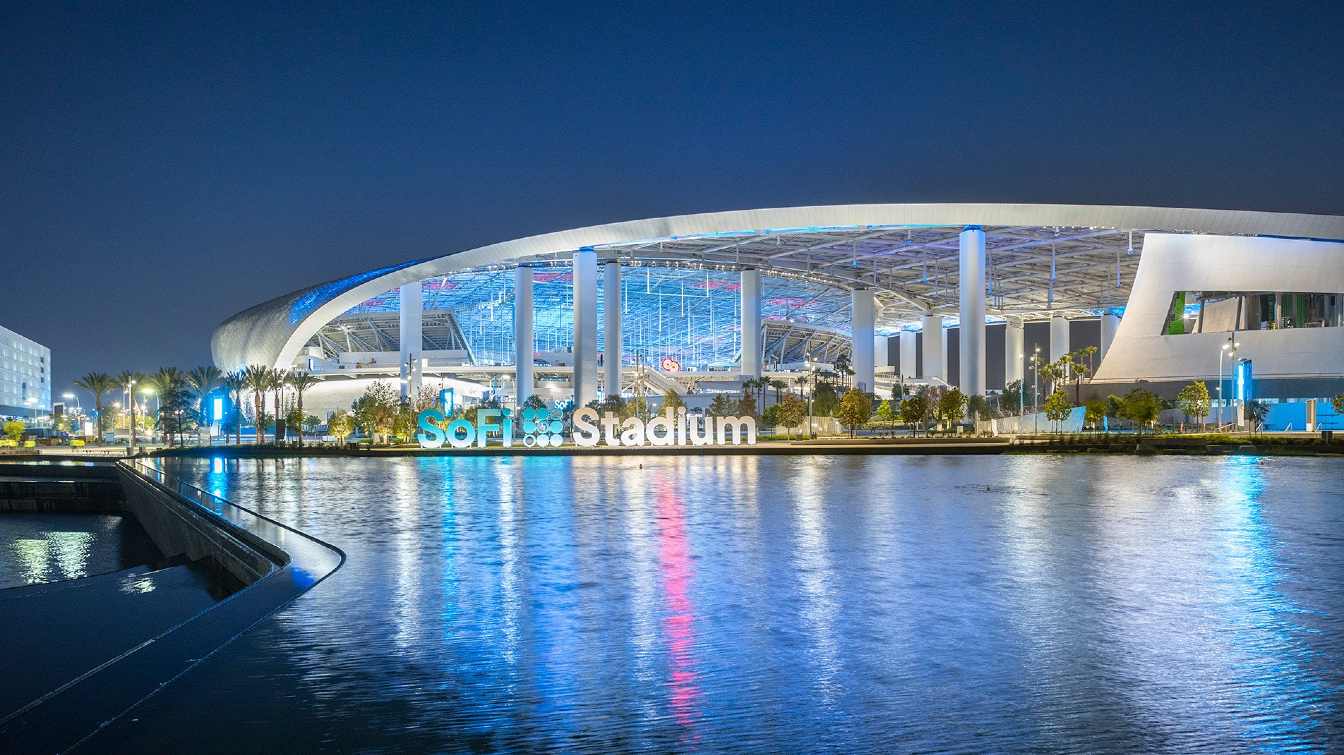 © Kevin C. Korczyk, AECOM | SoFi Stadium
The biggest challenge was not growing the grass itself, but maintaining it in environments not naturally suited for it. Many NFL stadiums regularly use artificial surfaces, while enclosed venues have limited access to light and ventilation. To address this, support systems were introduced, including precise irrigation, drainage and LED lighting that mimics sunlight. A specially engineered reinforced natural grass system was also developed, designed to be transported and installed in modular form. Researchers analysed not only the turf itself but also the root structure and soil behaviour after relocation, ensuring stability and high-quality playing conditions after installation.
Preparations also addressed criticism of pitch quality in North America during previous tournaments and international matches. FIFA emphasises that the goal is not only a visually green surface, but above all a predictable and safe playing field. Tests include surface hardness, ball bounce, traction and turf behaviour under heavy load.
As a result, the 2026 World Cup pitch system has become one of the most advanced infrastructure projects of the tournament — and also one of the most unpredictable in practice. Although it was refined in laboratory conditions, the real test will only come during the tournament itself, when theory meets match intensity, weather and pressure.
Tweet Harold R. Kuntz https://x.com/haroldrkuntz3/status/2064089178187632858
— Harold R. Kuntz (@HaroldRKuntz3) September 3, 2026
Stadium restructuring and pitch dimension adjustments
Another major challenge was the difference in pitch geometry. A football pitch is wider than an American football field, which in many stadiums required structural modifications to seating areas.
In stadium corners, VIP boxes and lower seating rows were removed or temporarily dismantled to meet FIFA-required dimensions, safety zones and media areas. In many cases, this was the most expensive and complex part of the renovation, as it required both structural modification and later restoration after the tournament.
Venues also underwent upgrades to technical and operational facilities. FIFA requires extensive spaces for teams, media, security services and VIP guests. This meant adapting existing rooms, creating new areas and redesigning internal circulation routes.
At the same time, new security systems were introduced, entry control systems modernised, ticketing technologies upgraded and Wi-Fi and digital infrastructure expanded. In many venues, this marked the first large-scale integration of digital systems into stadium operations.
Stadium name changes during the 2026 World Cup
One less obvious but important change is the temporary renaming of stadiums. FIFA requires full control over venue branding, meaning all commercial naming rights are removed or covered during the tournament. In practice, stadiums operate under neutral, location-based names. For example, Mercedes-Benz Stadium becomes Atlanta Stadium,
NRG Stadium becomes Houston Stadium,
and other venues also lose commercial names in favour of geographic identifiers.
The change applies not only to external signage but also to interior branding, club logos and any elements visible in television broadcasts. FIFA uses this approach to protect the exclusivity of its commercial partners and prevent ambush marketing. After the tournament, all names and branding return to their original form, and stadiums resume their regular NFL and MLS operations.
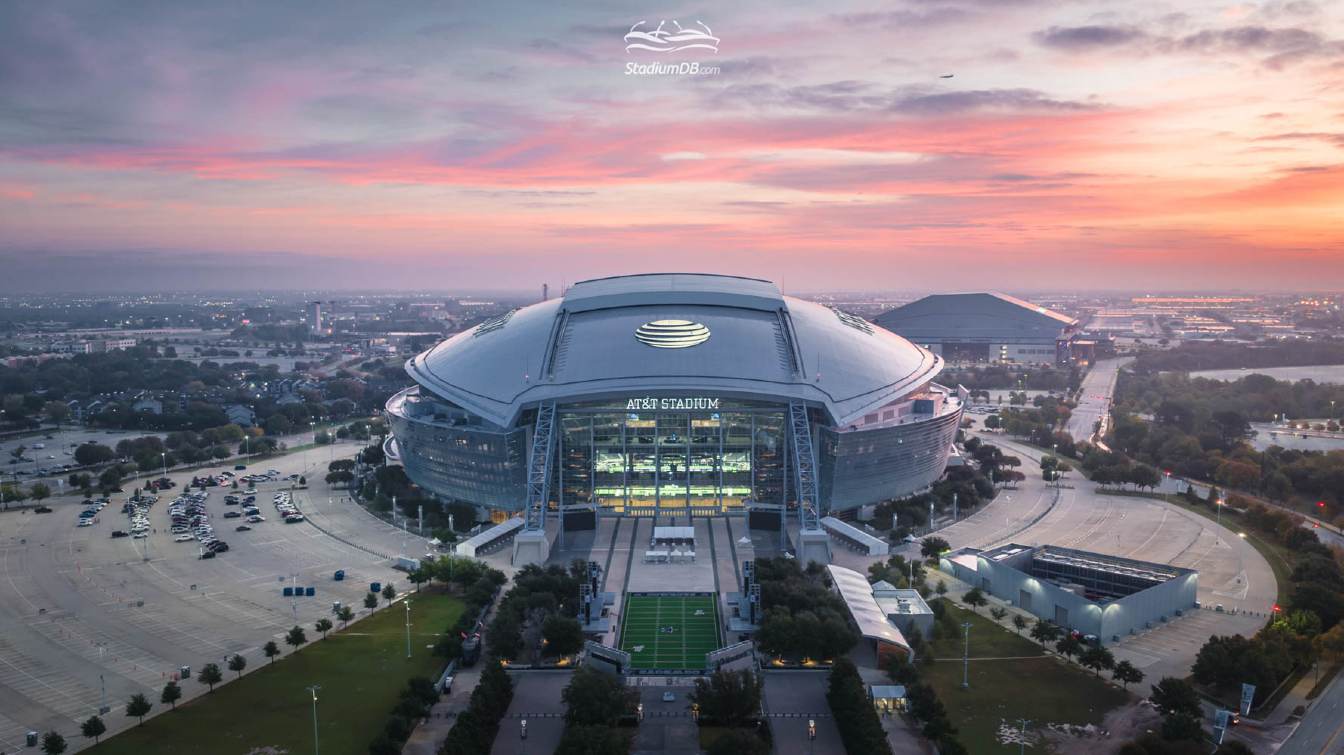 © Grzegorz Kaliciak | AT&T Stadium
Exception from the rule — the Atlanta stadium roof
Despite FIFA’s strict rules, Atlanta received a notable exception. The iconic Mercedes star mounted on the roof of the stadium will remain visible throughout the tournament. his decision was driven by several factors: the scale of the structure, its permanent installation and the high cost and logistical complexity of covering it. In practice, while the stadium will be renamed and visually debranded, one commercial element will still be visible from the air and during broadcasts.
The solution represents a compromise between FIFA requirements and technical realities — fully removing or covering such a large roof structure would require disproportionate cost and structural intervention.
See the full list of stadiums that will host the 2026 FIFA World Cup and discover all the key details about the tournament.
Advertisement