 StadiumDB
USA: Inside the billion-dollar machine behind World Cup 2026. Costs, controversy and complexity
source: StadiumDB.com ; author: Paulina Skóra
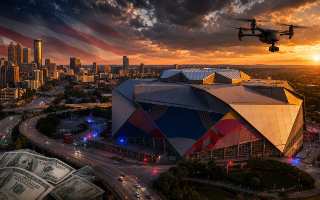 Although the 2026 FIFA World Cup will be a joint effort of the United States, Canada and Mexico, it is the USA that bears the greatest organizational burden of the tournament. Most matches — including the final — will be played on American soil, which has required massive investment in stadiums, transport and security systems.
Advertisement
One of the biggest projects in United States history
Preparations for the World Cup have not been without problems — from costly stadium upgrades, through financial disputes with local authorities, to controversies over transport prices for fans.
Organizers have had to adapt NFL stadiums to FIFA requirements, ensure the safety of millions of fans and face logistical challenges resulting from the specifics of American infrastructure. As a result, preparations for the tournament have become one of the largest sports and organizational projects in US history.
Threat of losing matches in Boston has been successfully averted
As is often the case with events of this scale, preparations for the 2026 World Cup have faced serious complications. One of the biggest issues concerned Gillette Stadium, which during the tournament will operate under the name Boston Stadium. A few months ago, there was a realistic scenario in which the venue could lose the right to host seven scheduled World Cup matches.
The source of the conflict was the costs related to securing the tournament. Authorities in Foxborough, where the stadium is located, demanded around $7.8 million to cover police, fire services, security, traffic management and equipment used during the event. The local government argued it could not allocate such funds from its own budget.
The dispute quickly escalated into a broader conflict over financial responsibility for the event. FIFA traditionally assumes that security costs are covered by local authorities. Meanwhile, the Kraft Group, owner of Gillette Stadium and the New England Patriots, refused to cover these expenses, arguing that FIFA takes full operational control of the venue during the tournament. At one point, Foxborough authorities even threatened to withhold the license required to host matches, which would have forced relocation of games to another US host city.
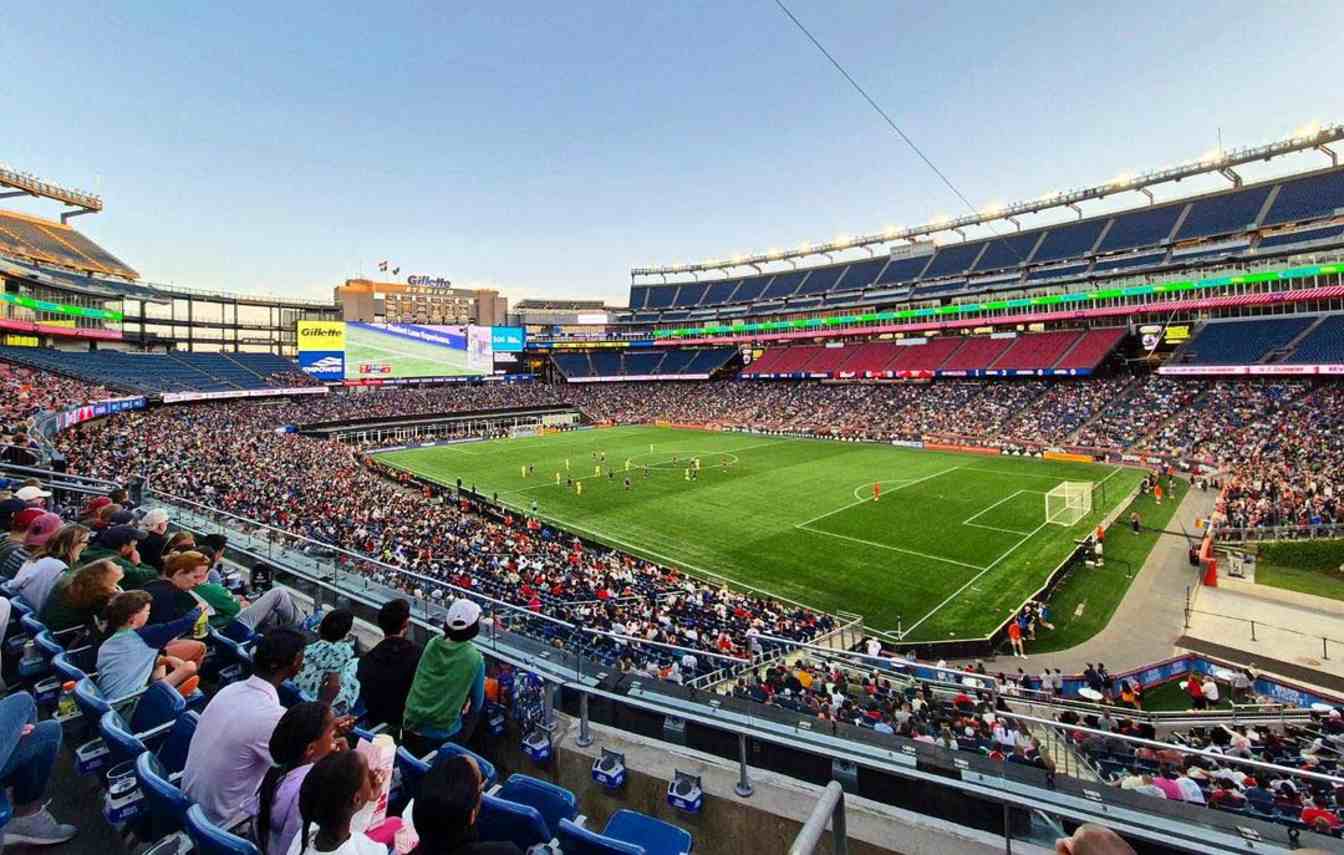 © mosi - always on tour | Boston Stadium
Eventually, an agreement was reached. A joint statement confirmed that the municipality will not bear any costs related to the tournament and that the FIFA local organizing partner will cover security expenses with support from the stadium owner. This removed the final major obstacle.
The first match at Boston Stadium is scheduled for June 13, and organizers expect more than three million fans to visit the Boston region during the tournament.
Fans visiting the united states will pay heavily for transport to matches
One of the most controversial topics surrounding the 2026 World Cup in the USA has been public transport pricing for fans. Early reports suggested that a NJ Transit train trip from New York to matches at MetLife Stadium in East Rutherford could cost up to $150 round trip, compared to a standard fare of around $12.90. Special bus services were also expected to cost around $80.
Although criticism focused mainly on public transport operators, the issue runs deeper. Host cities do not receive direct revenue from ticket sales, broadcasting, catering or stadium parking, as these go to FIFA. At the same time, FIFA requires local authorities to provide transport and meet strict security standards, generating multimillion-dollar costs. Federal support only covers part of these expenses.
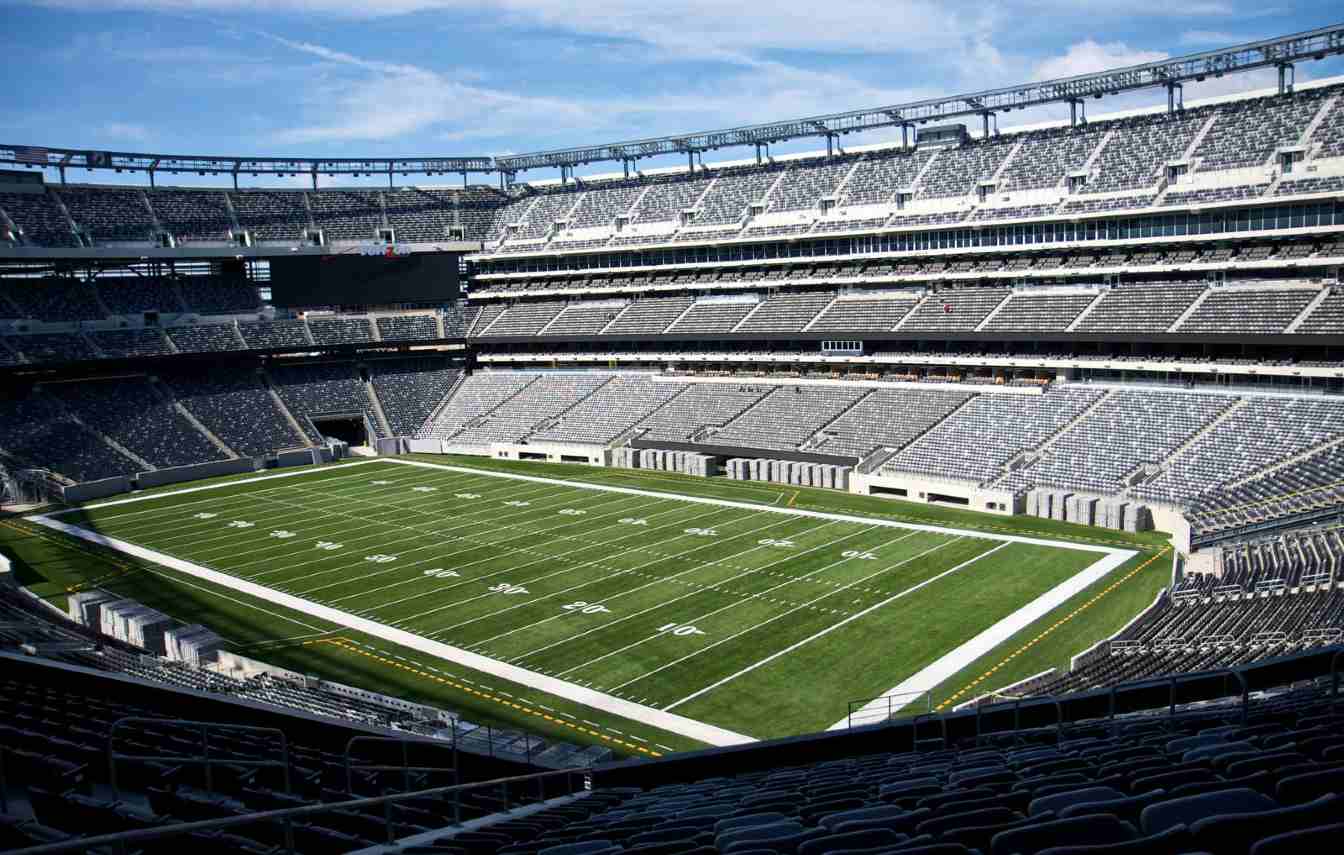 © section215(cc: by) | MetLife Stadium
Local governments therefore faced a difficult choice: either taxpayers cover transport costs or fans are charged directly. After criticism from fans, media and supporter groups, a compromise was reached. With commercial support, train fares were reduced from $150 to $98, and bus services from $80 to $20. However, prices remain significantly higher than normal daily fares.
Experts also point to the specifics of US sports infrastructure. Many stadiums were designed primarily for car access, including venues in East Rutherford and Foxborough near Boston, where public transport requires special rail or bus services, increasing costs. Interestingly, the original US bid documents also promised free transport for fans, but in 2023 this was changed and passengers were ultimately required to cover the costs.
Security above all. Authorities target drones
Security has become one of the key priorities for organizers. Particular attention is being paid to drones, which are seen as a growing threat to stadiums and fan zones. The Federal Emergency Management Agency (FEMA) allocated $250 million for drone detection and neutralization at World Cup host venues. In addition, Florida received over $105 million in funding for security, with a significant portion dedicated to counter-drone systems.
Federal authorities stress that unauthorized drone flights over stadiums are among the biggest risks during the tournament. The FAA has established no-fly zones around all US World Cup stadiums. Violations can result in fines of up to $75,000 in civil cases and $100,000 in criminal proceedings. The FBI also operates radar, camera and tracking systems to detect and neutralize unauthorized drones.
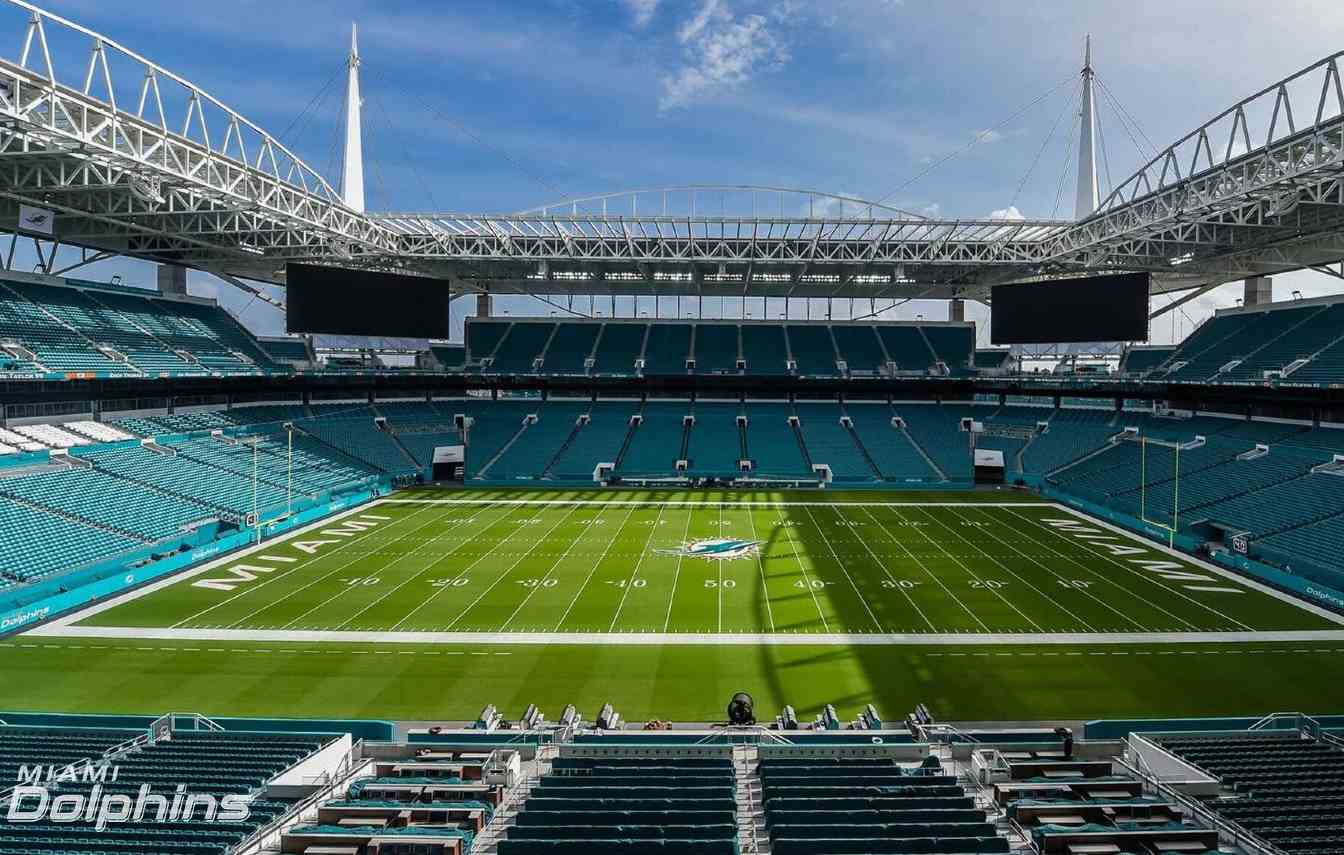 © Miami Dolphins | Hard Rock Stadium (Dolphins Stadium)
Lessons from copa américa may help security planning
Tightened security measures are also a result of the 2024 Copa América final at Hard Rock Stadium, where thousands of fans breached checkpoints and fences, causing major organizational problems. The incidents led to dozens of arrests and removals and the development of new security procedures for the World Cup.
Although the FBI states it has no specific threats at this time, authorities expect a wide range of incidents, from public disturbances to potential security risks. Dozens of federal, state and local agencies will be involved in securing the tournament.
See the full list of stadiums that will host the 2026 FIFA World Cup, along with key details about the tournament.
Advertisement