 StadiumDB
Chichibunomiya Rugby Stadium
| Capacity | 27 188 |
|---|---|
| Country | Japan |
| City | Tokyo |
| Clubs | Urayasu D-Rocks, Tokyo Suntory Sungoliath |
| Other names | Tokyo Rugby Stadium (1947–1953) |
| Inauguration | 22/11/1947 |
| Construction | 04/1947 – 11/1947 |
| Renovations | 1973–1976, 1980, 1988 |
Advertisement
Chichibunomiya Rugby Stadium – stadium description
How can Chichibunomiya Rugby Stadium be briefly described?
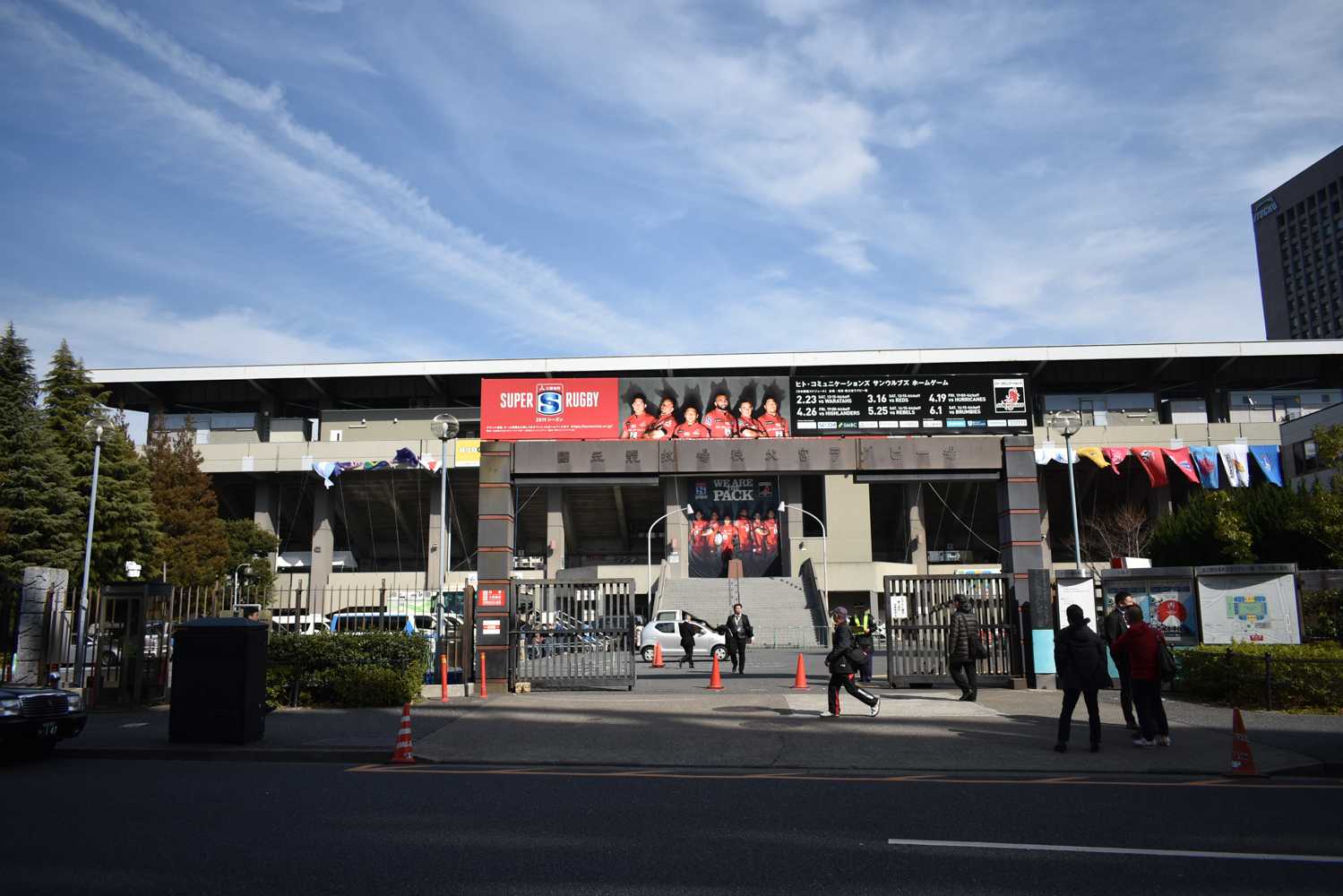
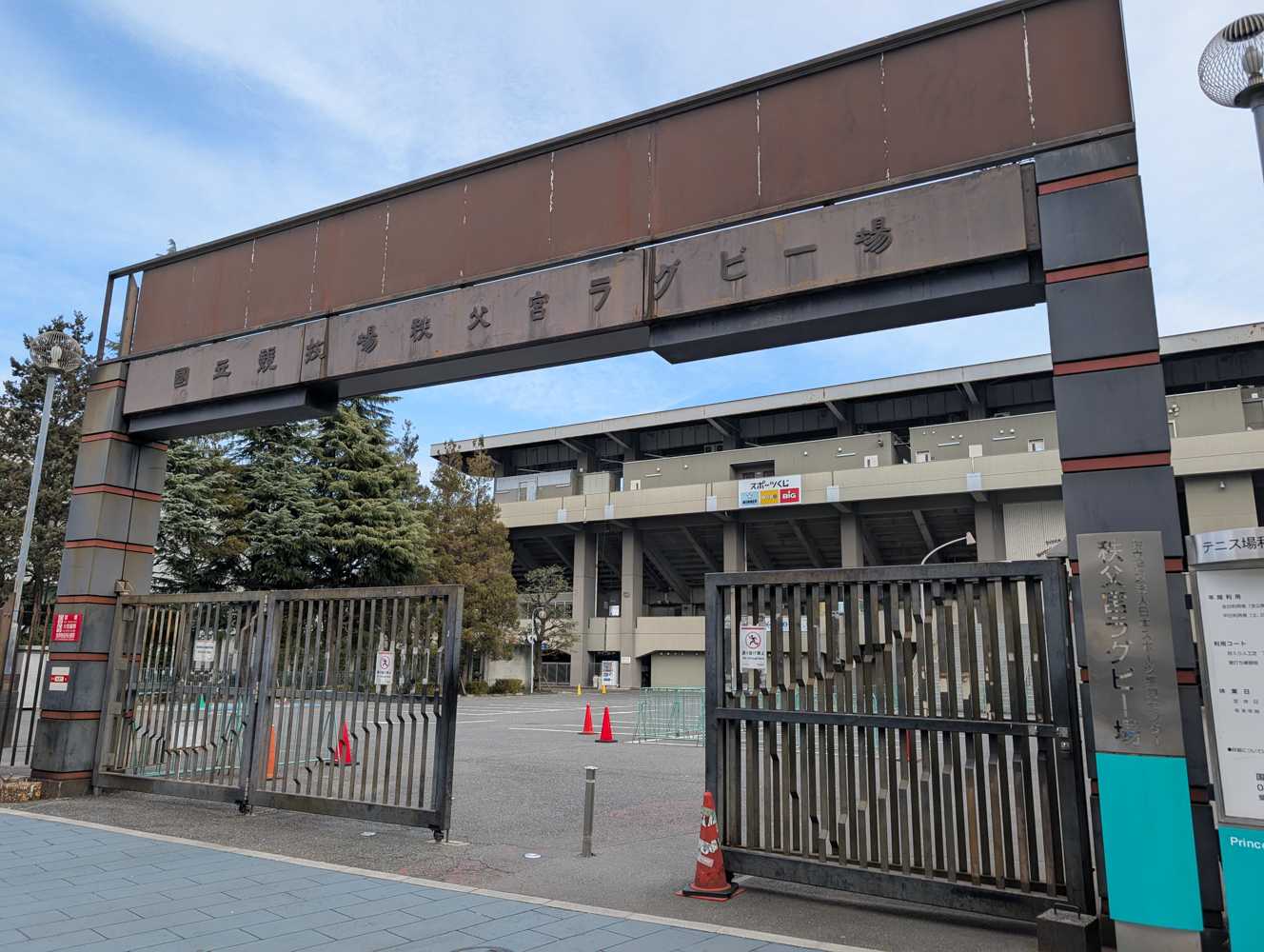
Chichibunomiya Rugby Stadium is one of the most important rugby venues in Japan. The stadium has hosted key domestic league matches, international fixtures, and other events, including football matches during the 1964 Olympic Games.
The stadium was built shortly after World War II, due to the lack of suitable rugby venues. It was constructed in just a few months on the site of a bombed-out school, and officially opened in November 1947.
The stadium is located close to the center of Tokyo, next to the National Stadium and the Meiji Jingu Stadium for baseball. It is set to be replaced soon by a new, fully covered venue with a capacity of 15,000 spectators, whose construction began in early 2026.
How was Chichibunomiya Rugby Stadium established?
The need for a new rugby venue arose after World War II, when Tokyo’s main stadium at the time, Meiji Jingu Gaien Stadium, was occupied by U.S. forces, limiting access for rugby matches.
The site for the new rugby stadium was found near Meiji Jingu Gaien Stadium, right next to the Meiji Jingu Stadium for baseball. The chosen location had previously been occupied by the Gakushūin girls’ school, which was destroyed during U.S. air raids in 1945. Shortly after the war, the area was used by American forces as a parking lot.
The new stadium was initiated by the regional rugby association (Kantō Rugby Football Union). Construction began in April 1947 and was completed in November of the same year. The inauguration took place on 22 November 1947, when two university rugby matches were played at the new venue.
How has Chichibunomiya Rugby Stadium changed over time?
The stadium originally operated under the name Tokyo Rugby Stadium. After the death of Prince Chichibu in early 1953 – who was known for his passion for rugby and had supported the creation of the stadium – the venue was renamed in his honor.
On 27 August 1962, the stadium installed artificial lighting for the first time. Between 1973 and 1976, the stands were renovated, including the construction of a new main stand; however, the lighting system was removed during this renovation and was not reinstalled until 2007.
In 1980, a new south stand with a roof was built. In 1988, a new north stand was added and the east stand was modernized.
It is worth noting that the nearby Meiji Jingu Gaien Stadium was demolished before the 1964 Olympic Games, and in its place the first National Stadium was constructed, serving as the main venue for the Games. Later, prior to the 2020 Olympic Games, the new National Stadium was built on the same site, once again serving as the main arena.
What events took place at Chichibunomiya Rugby Stadium?
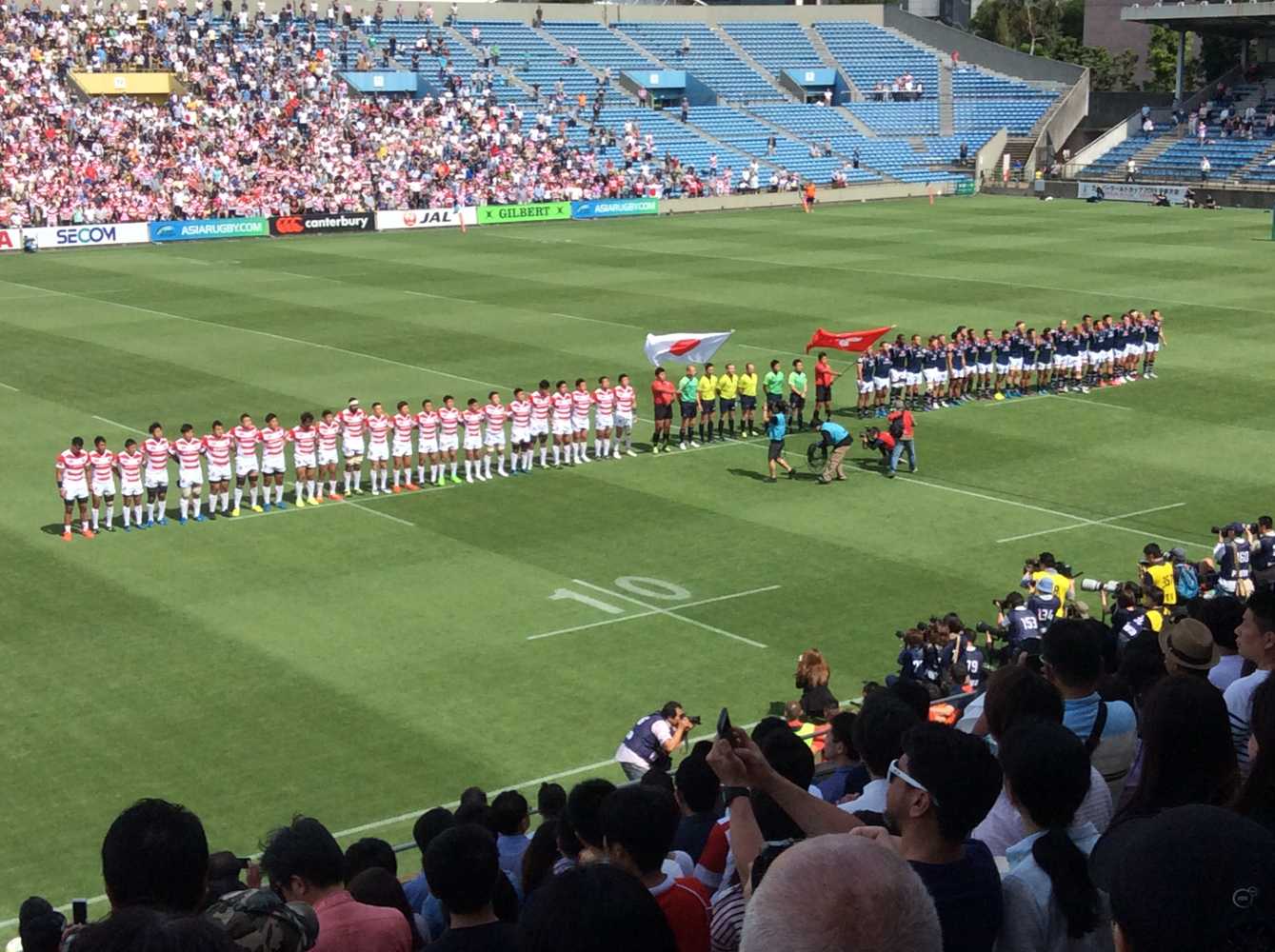
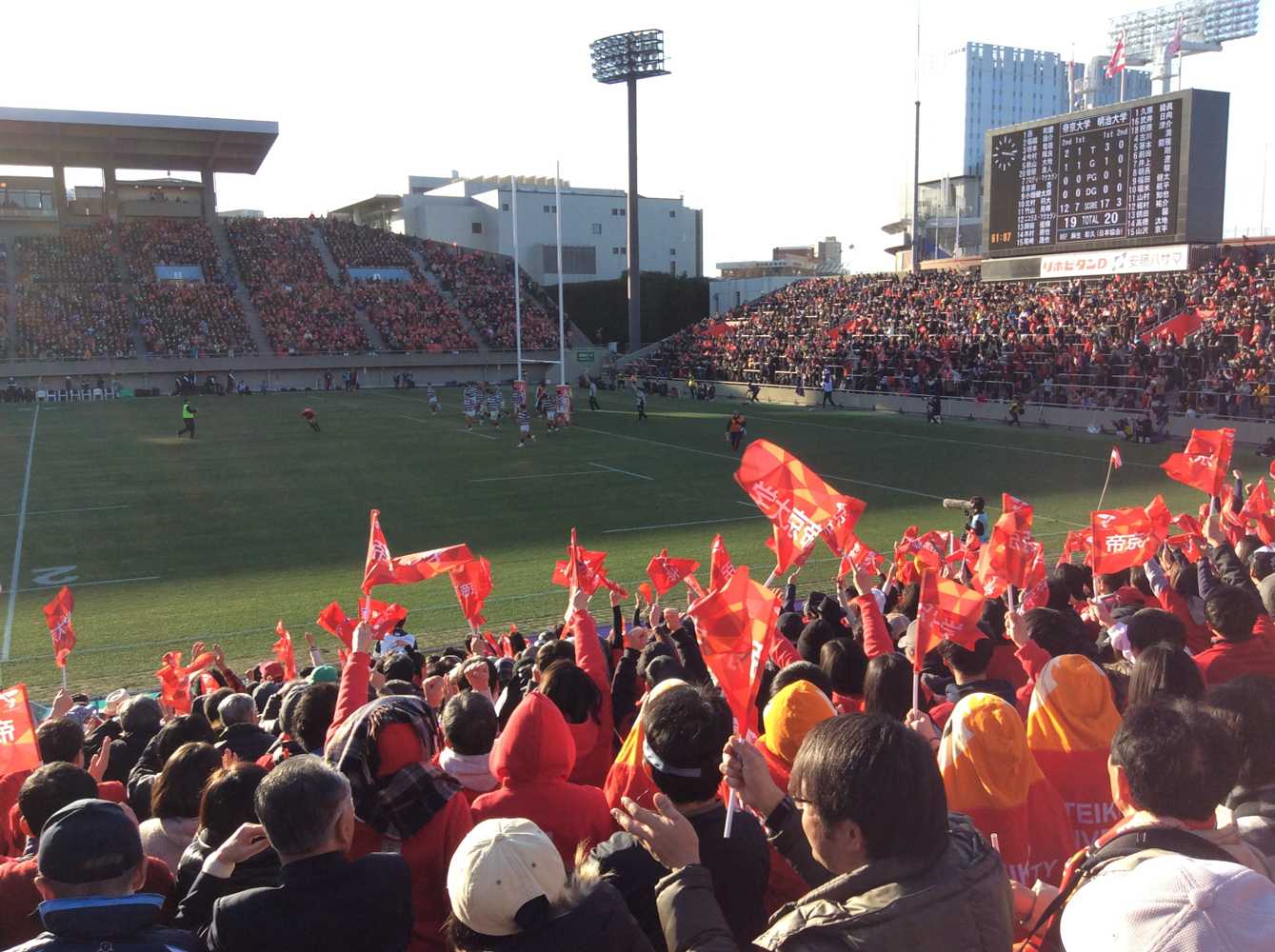
Chichibunomiya Rugby Stadium primarily hosted rugby matches, being one of the leading venues for the sport in Japan. The stadium held important domestic league games, as well as international fixtures, including many memorable matches such as Japan’s victory over Scotland in 1989.
In June 2009, the stadium hosted matches – including the final – of the Junior Rugby World Championship. It also served as a venue for the Tokyo Sevens tournament. However, it was not selected as a venue for the 2019 Rugby World Cup, which was hosted by Japan.
The stadium also hosted football matches during the 1964 Olympic Games, including one of the semifinals.
What is Chichibunomiya Rugby Stadium like?
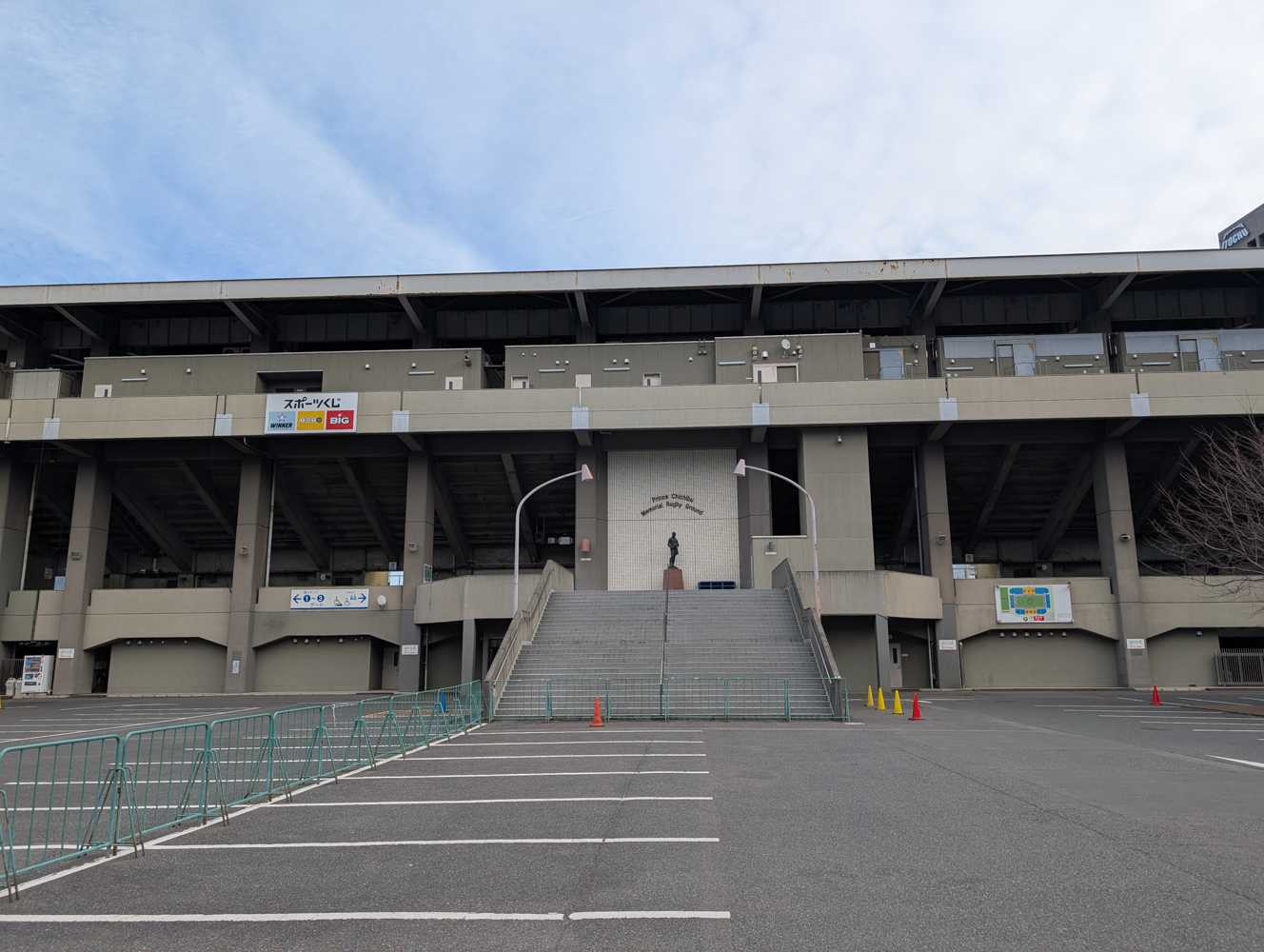
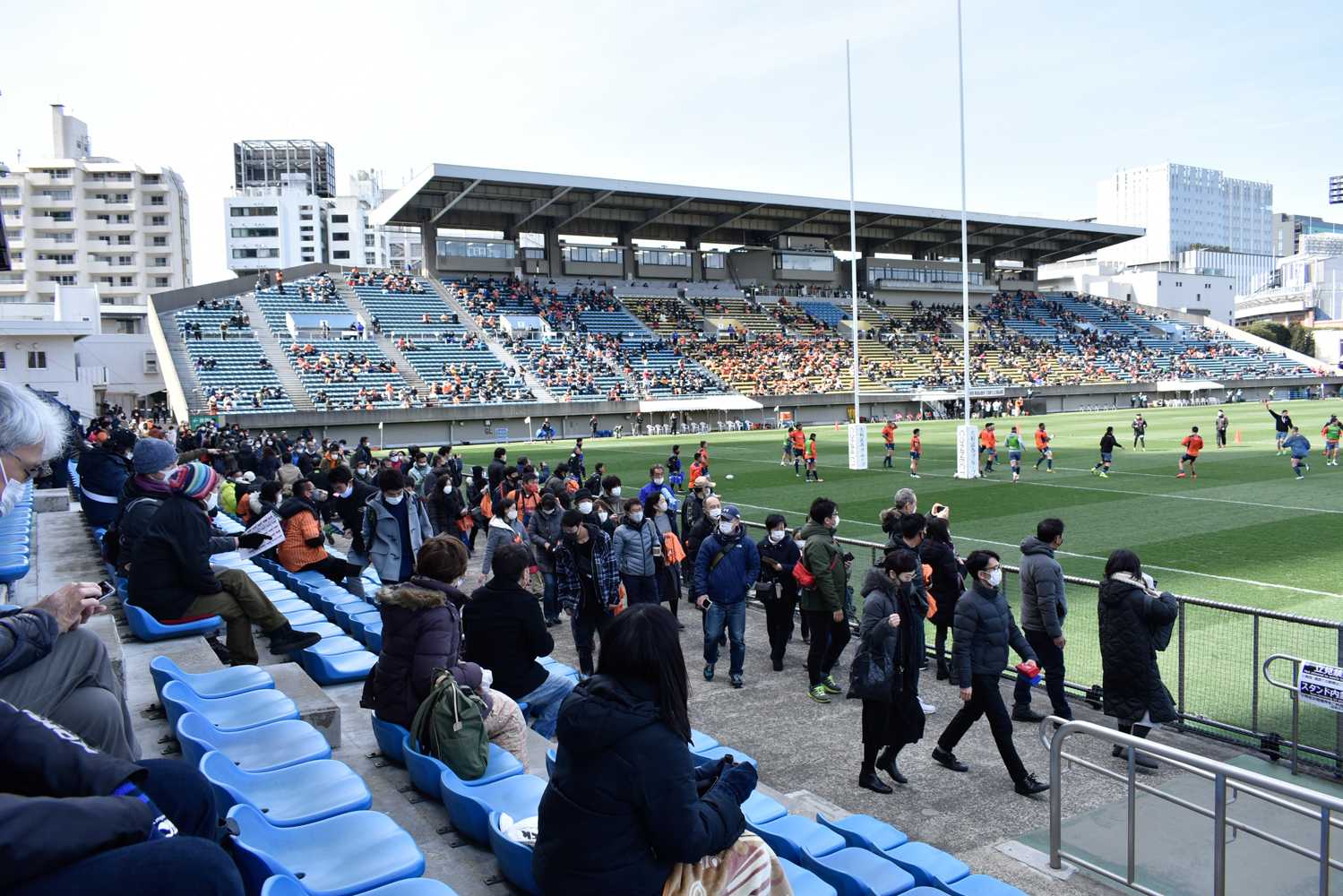
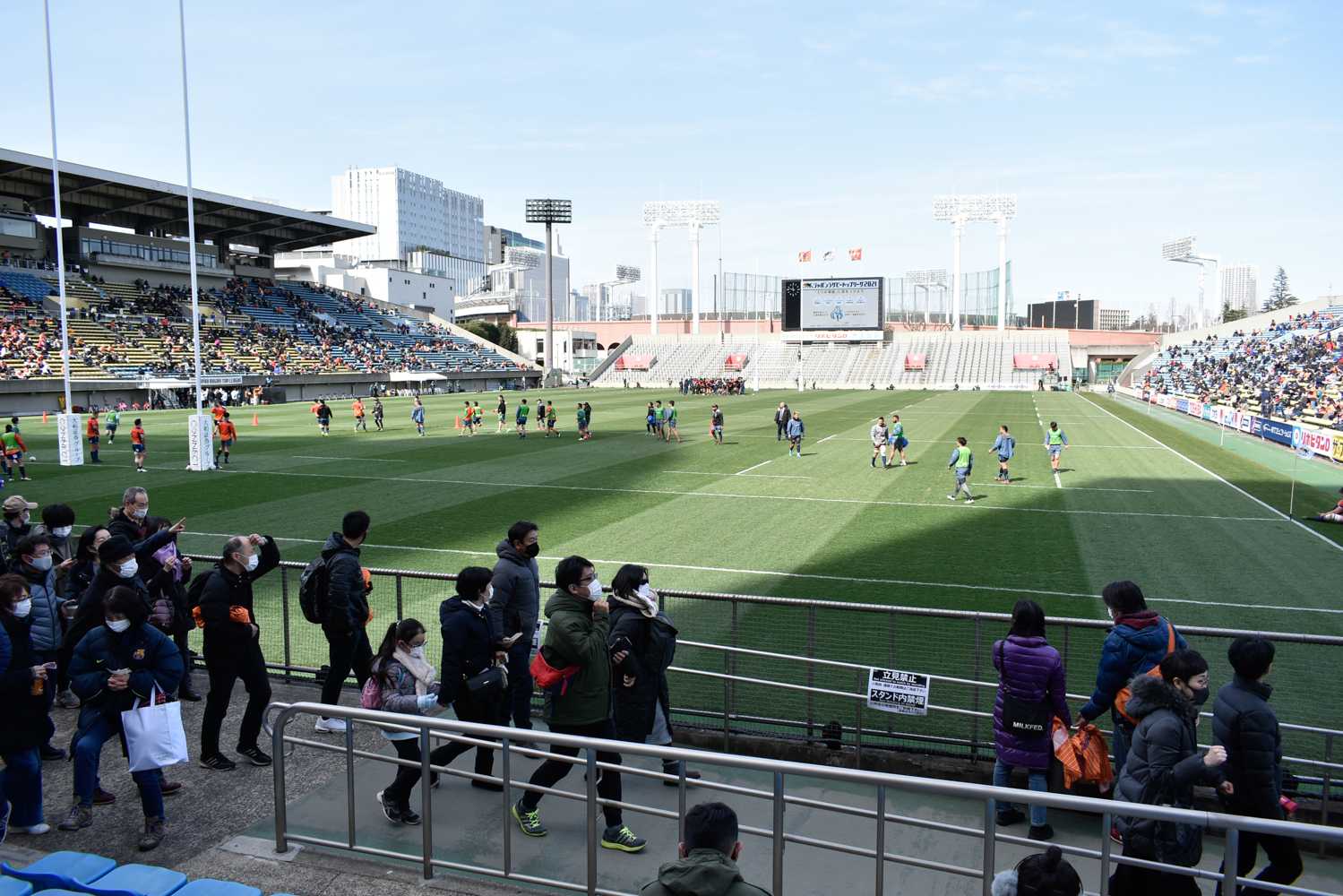
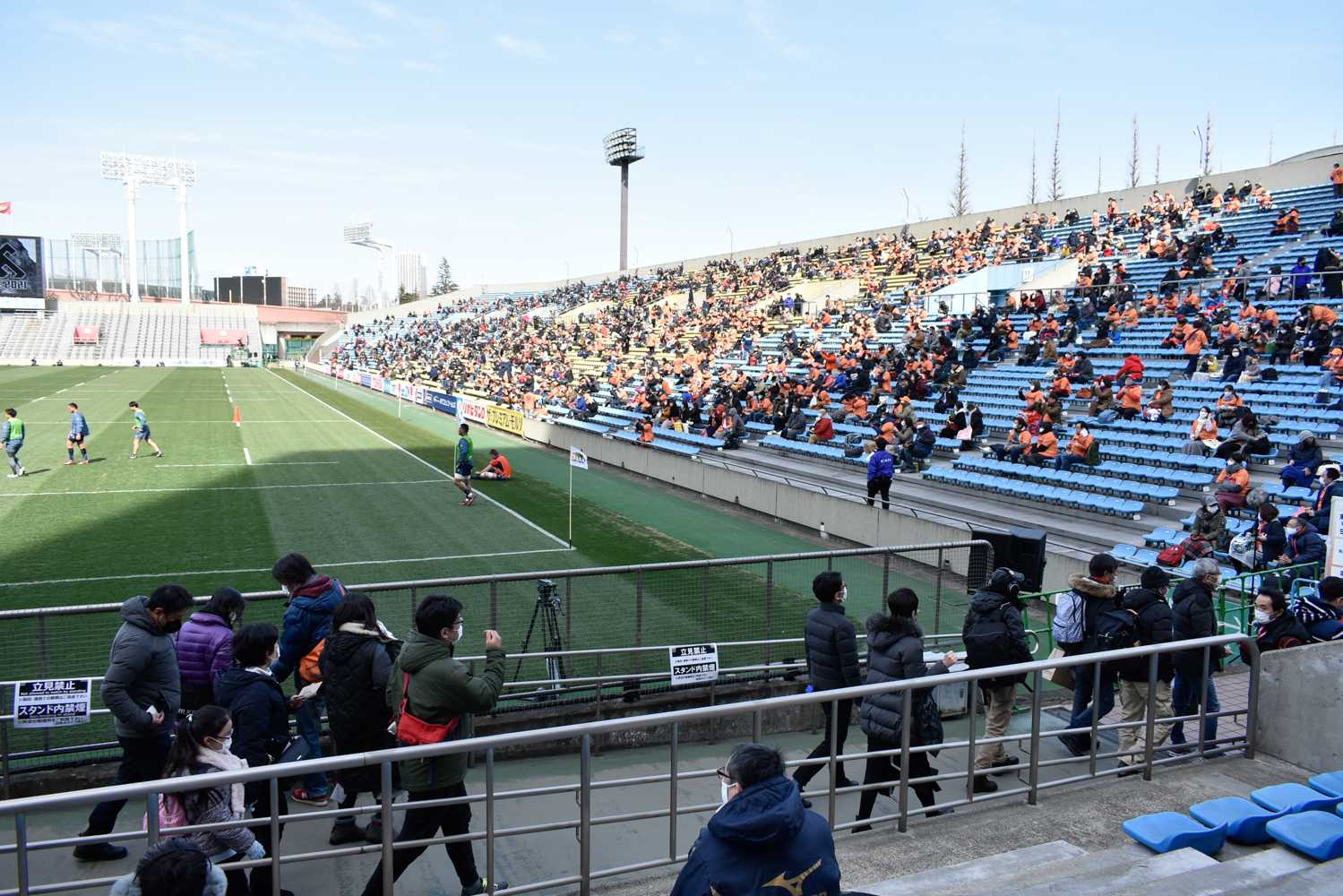
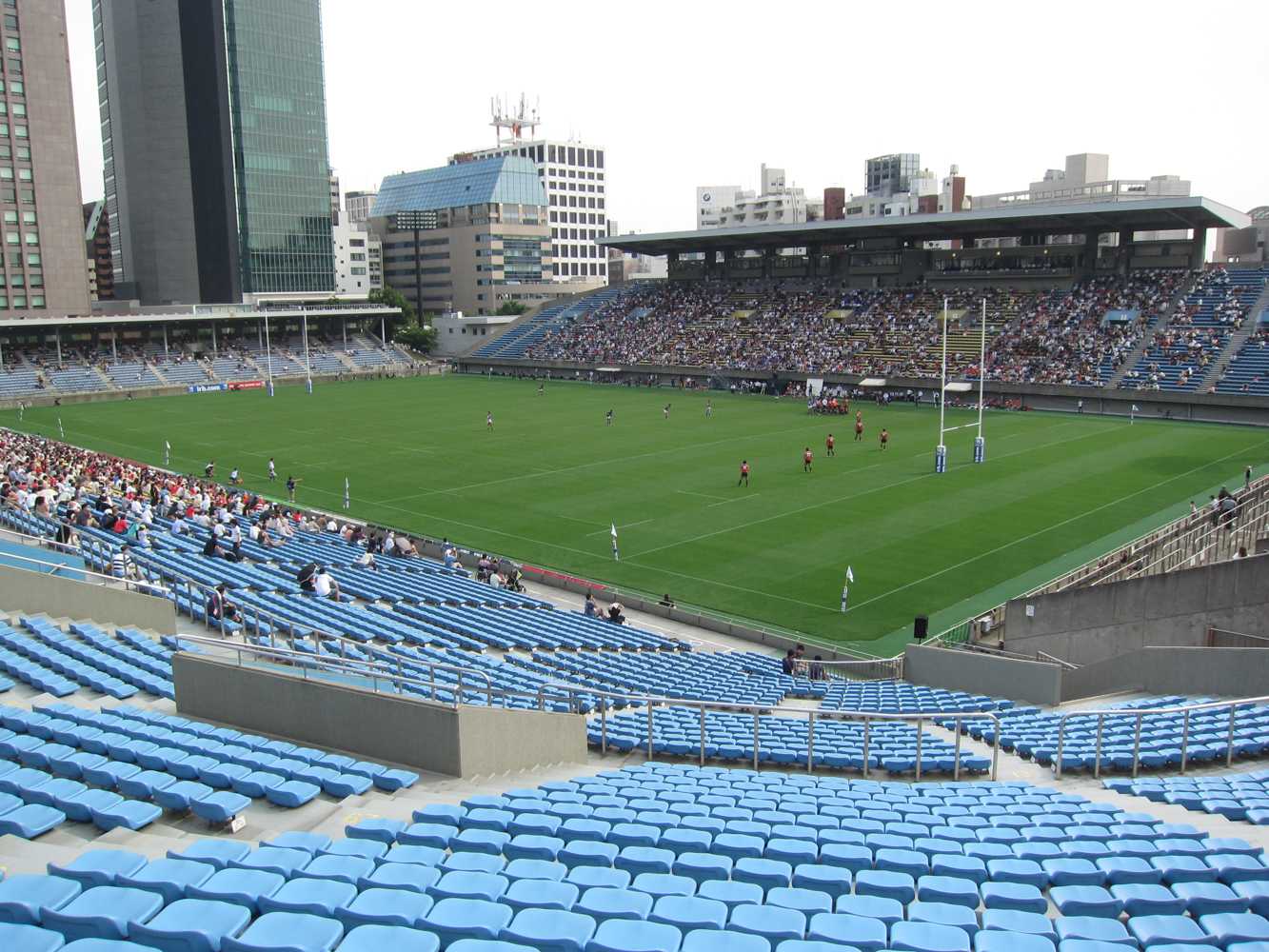
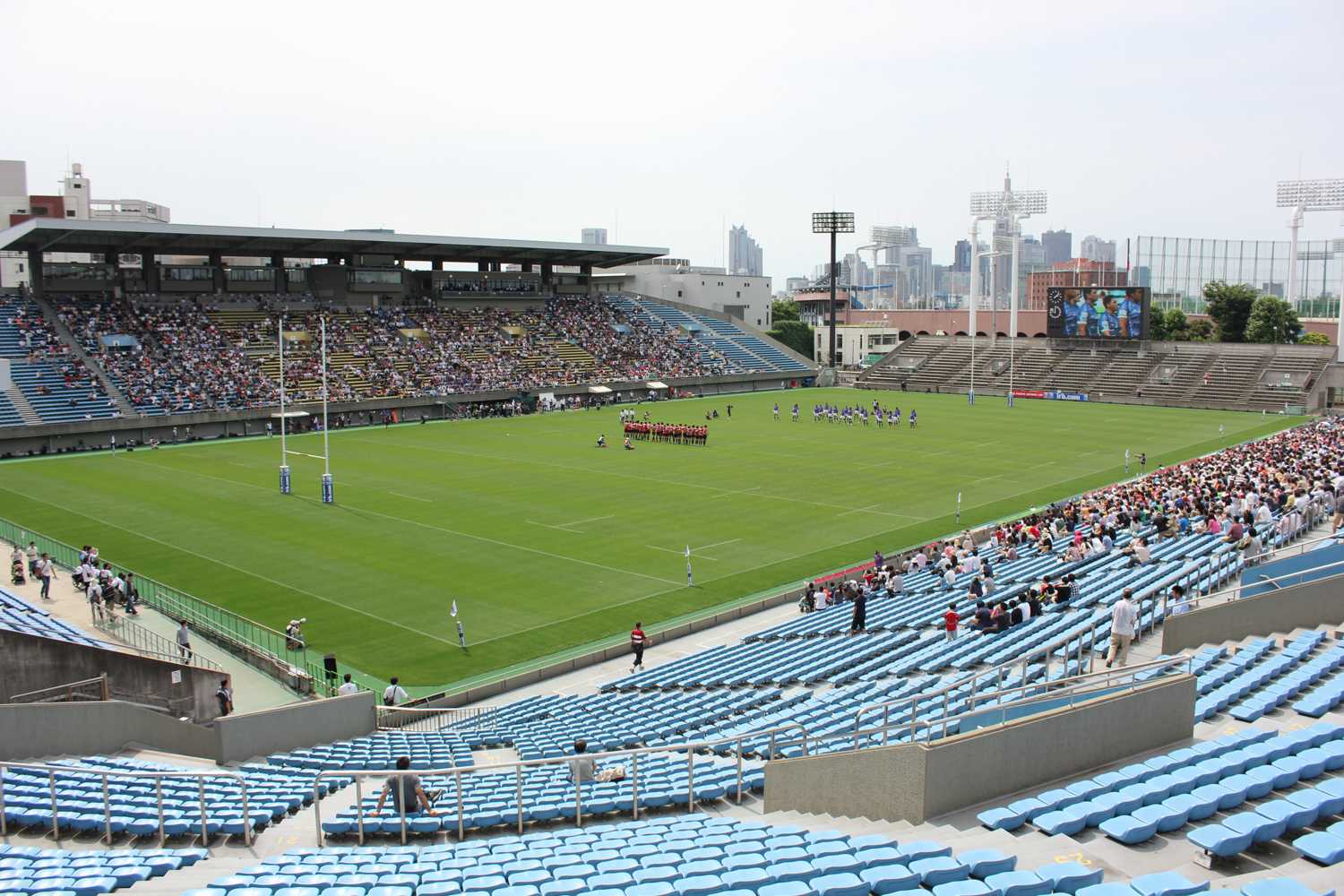
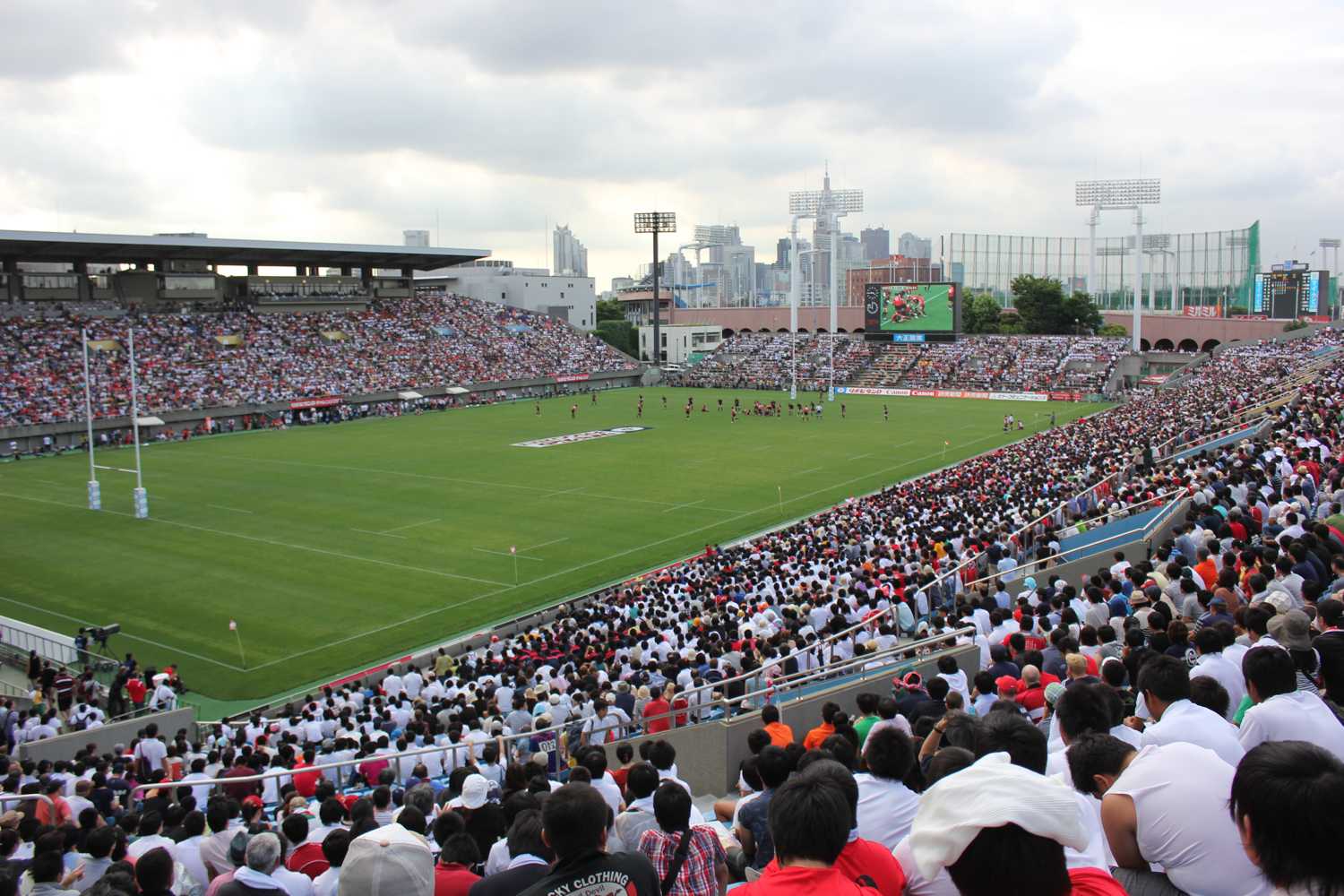
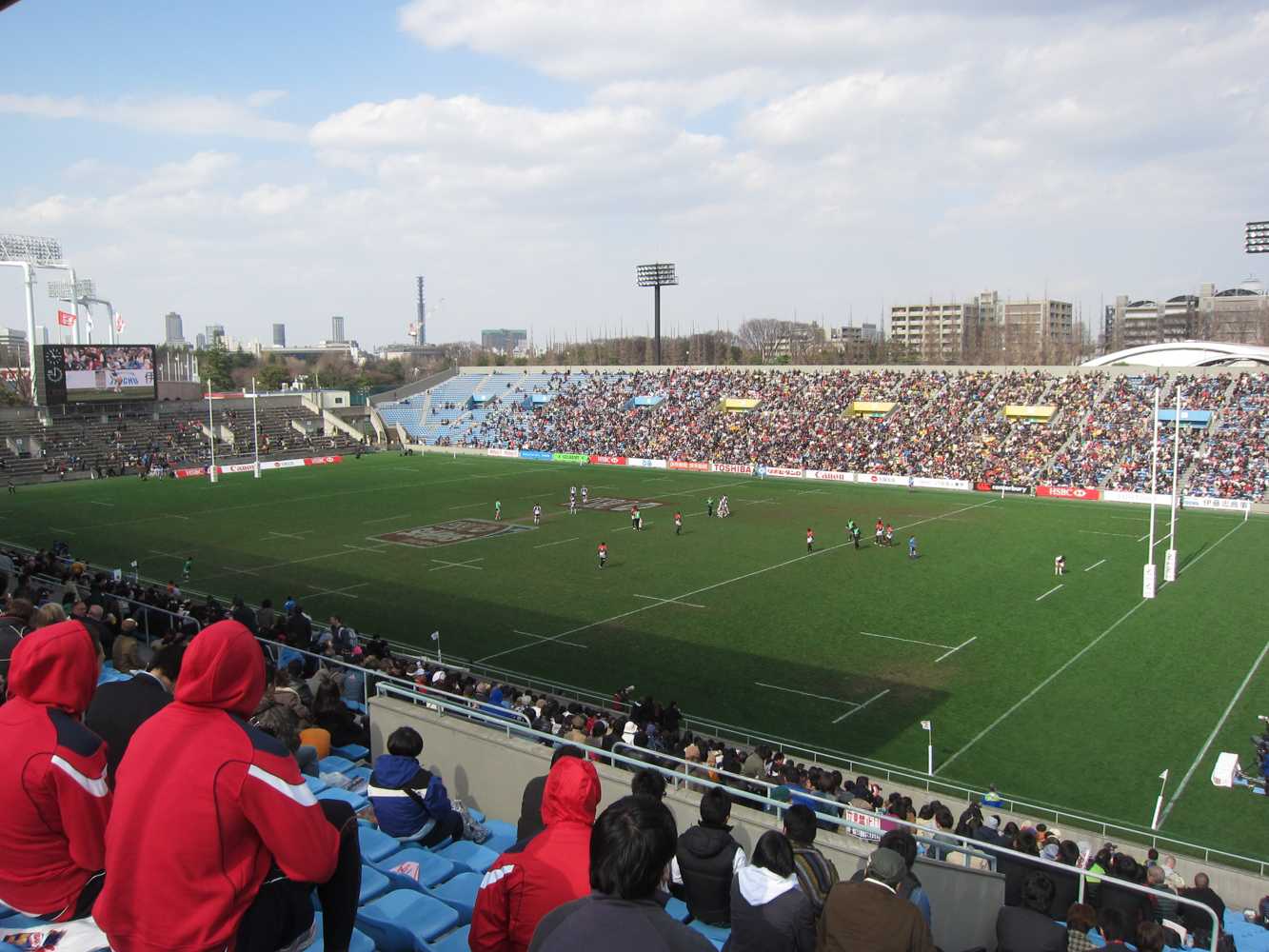
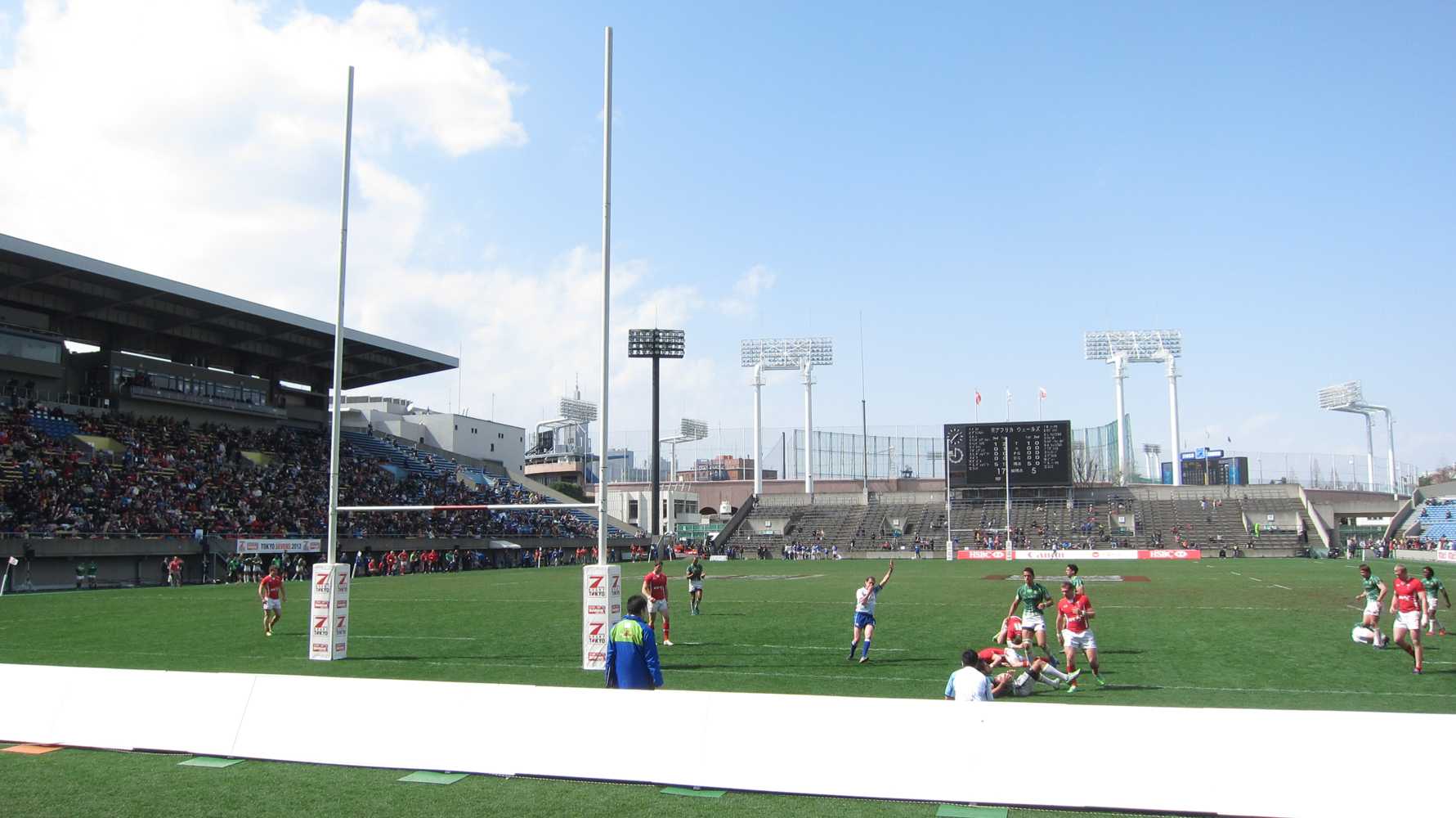
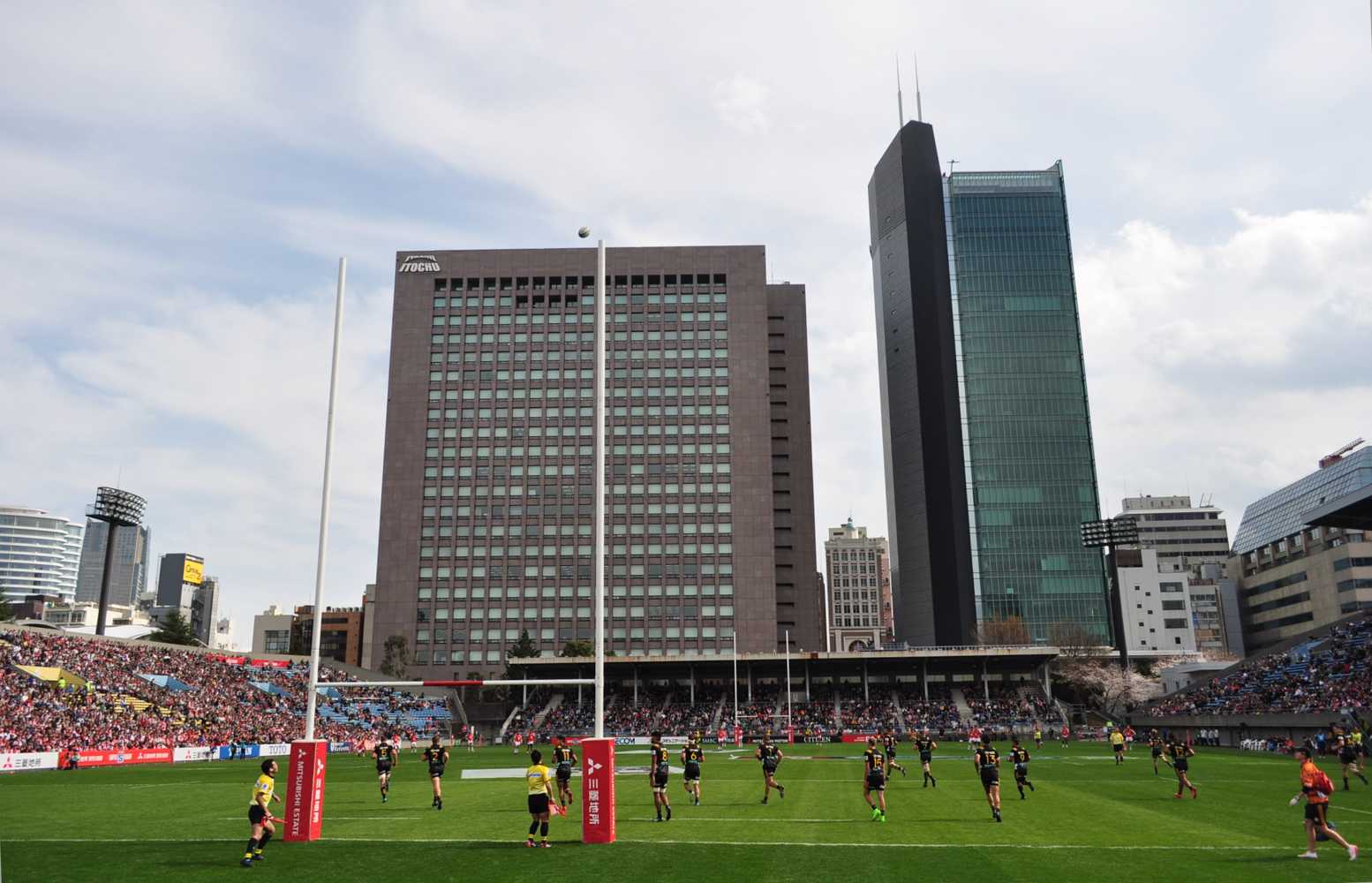
The stadium has a capacity of over 27,000 spectators, and its stands are designed to suit the dimensions of a rugby pitch. The main (west) stand and south stand have partial roofing, while a video screen is installed on the north stand. The stadium is also equipped with artificial lighting.
Where is Chichibunomiya Rugby Stadium located?
The stadium is located close to central Tokyo and is part of a larger sports complex, which also includes the National Stadium, the Meiji Jingu Stadium for baseball, the Tokyo Metropolitan Gymnasium, and several smaller facilities and fields.
The complex is dominated by the new National Stadium, built between 2016 and 2019 for the 2020 Olympic Games. The sports venues are adjacent to a park area, known as the Meiji Jingu Outer Gardens (Meiji Jingu Gaien).
What is the future of Chichibunomiya Rugby Stadium?
The two neighboring stadiums – Chichibunomiya Rugby Stadium and Meiji Jingu Stadium for baseball – have long been planned to be replaced with new venues, with the first plans announced in 2015.
The new Chichibunomiya Rugby Stadium will be built slightly north of the current stadium, on the site of a baseball training field, right next to the National Stadium.
Construction of the new rugby stadium began in February 2026 and is scheduled for completion in 2030. A key feature of the new stadium will be its full roof coverage, with stands for around 15,000 spectators.
Once the new stadium opens, the old Chichibunomiya Rugby Stadium will be demolished. Later, a new baseball stadium will be built on its site to replace the Meiji Jingu Stadium.
Advertisement
Pictures
22.02.2019 © 江戸村のとくぞう (CC BY-SA 4.0) 
19.01.2025 © Syced 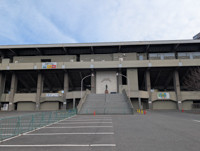
19.01.2025 © Syced 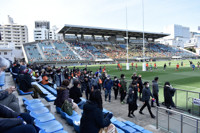
27.02.2021 © 江戸村のとくぞう (CC BY-SA 4.0) 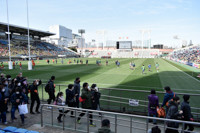
27.02.2021 © 江戸村のとくぞう (CC BY-SA 4.0) 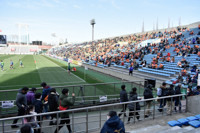
27.02.2021 © 江戸村のとくぞう (CC BY-SA 4.0) 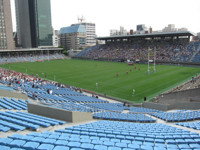
17.06.2012 © Waka77 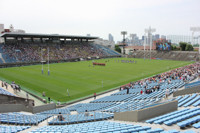
17.06.2012 © Waka77 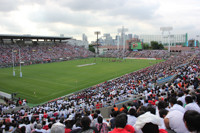
13.06.2013 © Waka77 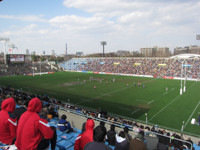
12.04.2012 © Waka77 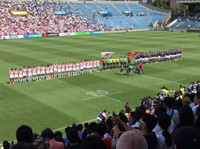
06.05.2017 © 江戸村のとくぞう (CC BY-SA 4.0) 
07.01.2018 © 江戸村のとくぞう (CC BY-SA 4.0) 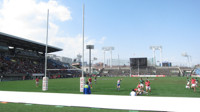
12.04.2012 © Waka77 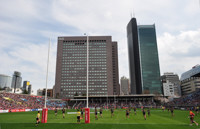
24.03.2018 © 江戸村のとくぞう (CC BY-SA 4.0)