 StadiumDB
Italy: Commercialisation, reduced capacity and conflict surrounding Stadio Luigi Ferraris
source: StadiumDB.com ; author: Paulina Skóra
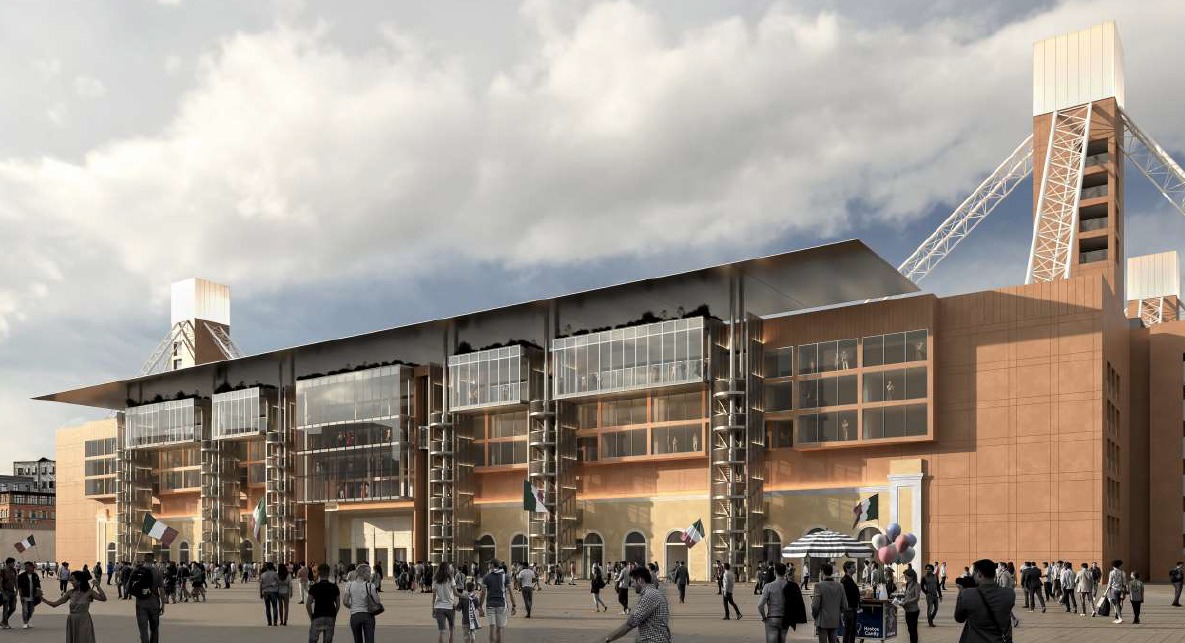 The redevelopment of Stadio Luigi Ferraris is entering a decisive phase — the project aims to modernize the stadium and prepare it for Euro 2032, but it is already sparking strong controversy. Reduced capacity, increasing commercialization, and a lack of dialogue with fans are turning the investment into a source of division in Genoa.
Advertisement
Stadio Luigi Ferraris modernisation project in Genoa
The new redevelopment concept for Stadio Luigi Ferraris combines the historic structure of the venue with modern architectural and functional solutions. The project, designed by Officina Architetti and architect Hembert Peñaranda, is based on the assumption that the stadium cannot be relocated or replaced elsewhere. As a result, the entire modernisation must be carried out within the existing urban fabric of the Marassi district in Genoa.
In practice, this means preserving the stadium’s characteristic layout while deeply transforming its functions. The plan includes new commercial spaces, VIP areas, expanded service facilities, and modernised stands. The investment is being developed by a company jointly created by Genoa CFC and UC Sampdoria, which is intended to ensure shared management of the venue and equal access to infrastructure for both clubs.
Modernisation of Stadio Ferraris and reduction of stadium capacity
One of the most controversial aspects of the Stadio Ferraris redevelopment is the change in capacity. After completion, the stadium is expected to hold 31,603 spectators, a slight decrease compared to the current capacity of around 33,205.
The reduction is driven by the need to comply with modern safety standards, improve visibility, and reorganise circulation routes and evacuation zones. Architect Hembert Peñaranda noted that reducing the stand width from 70 cm to 60 cm and improving viewing angles across sectors required a reduction in seating capacity.
The new design also includes 150 spaces for people with disabilities, including 65 wheelchair positions. City authorities and club representatives stress that such a reduction is unavoidable if the stadium is to meet UEFA standards and modern safety requirements.
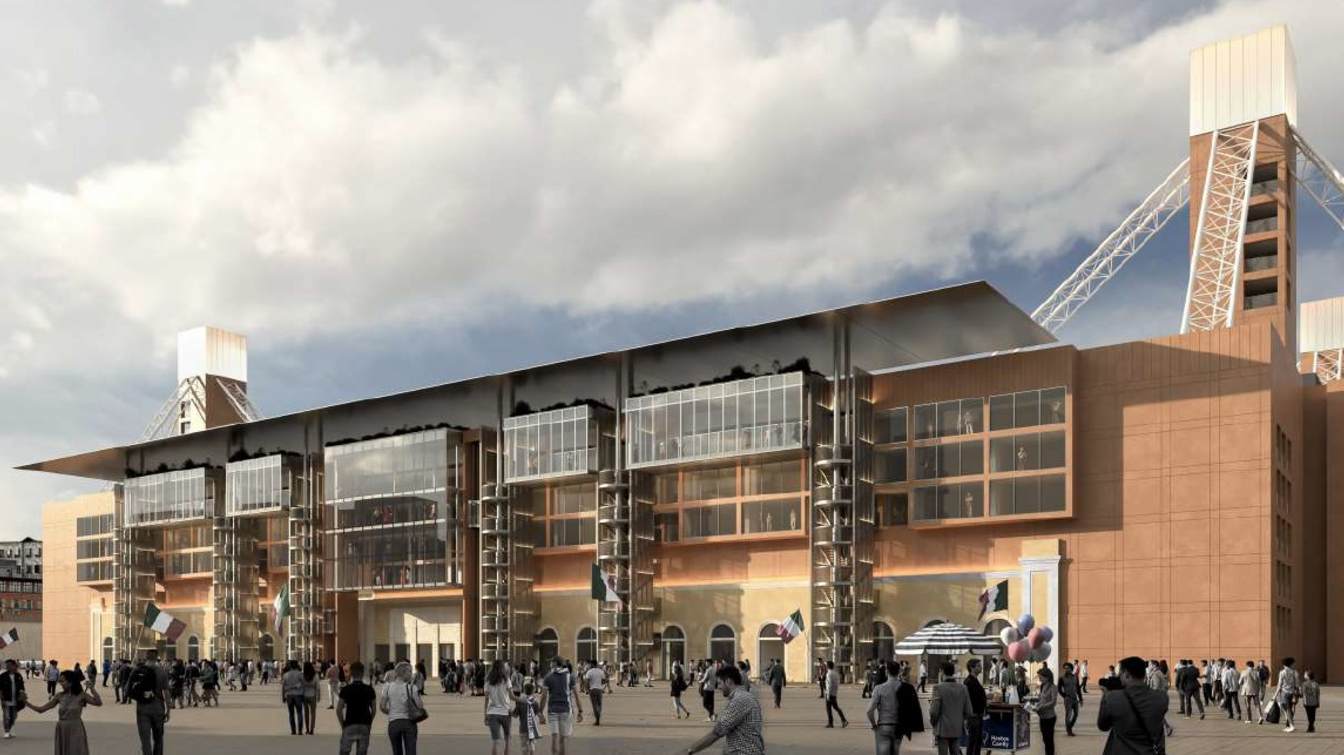 The redevelopment plan aims to preserve the historic structure while introducing new commercial areas and modernized stands.The redevelopment plan aims to preserve the historic structure while introducing new commercial areas and modernized stands.
Criticism from Genoa and Sampdoria supporters regarding the Ferraris redevelopment
The project has faced strong criticism from sections of both clubs’ supporter groups. They accuse city authorities and investors of a lack of genuine social dialogue and of excluding fans from the design process.
The main concerns include the loss of the stadium’s traditional atmosphere and a reduced role for the stands as a space for active support. Fans also point to insufficient inclusion of safe-standing solutions, which are increasingly used in modern European stadiums.
In public debate, criticism has also focused on the commercialisation of the venue. According to some supporters, the new design treats spectators more as consumers than as participants in the sporting experience. Examples are cited of European stadiums where fans were directly consulted during stand design, which is said to have positively influenced the final outcome.
Financing of Stadio Ferraris modernisation under the PPP model
The Stadio Ferraris redevelopment is based on a public–private partnership (PPP) model, in which Genoa CFC and UC Sampdoria play a central role as the main operators of the future stadium. The total cost is estimated at around €100 million, with a significant share to be covered by the clubs.
In return, they will receive a 99-year concession to manage the stadium, with no rent payments required for the first 50 years. The model is intended to enable the investment without directly burdening the city budget, while ensuring financial stability for the clubs and allowing them to generate revenue from commercial activity and non-sporting events.
The city of Genoa argues that earlier proposals involved selling the stadium for around €14.5 million while also exposing the public administration to costs of approximately €17 million. The new framework is therefore presented as reducing financial risk for the city and improving the project’s economic efficiency.
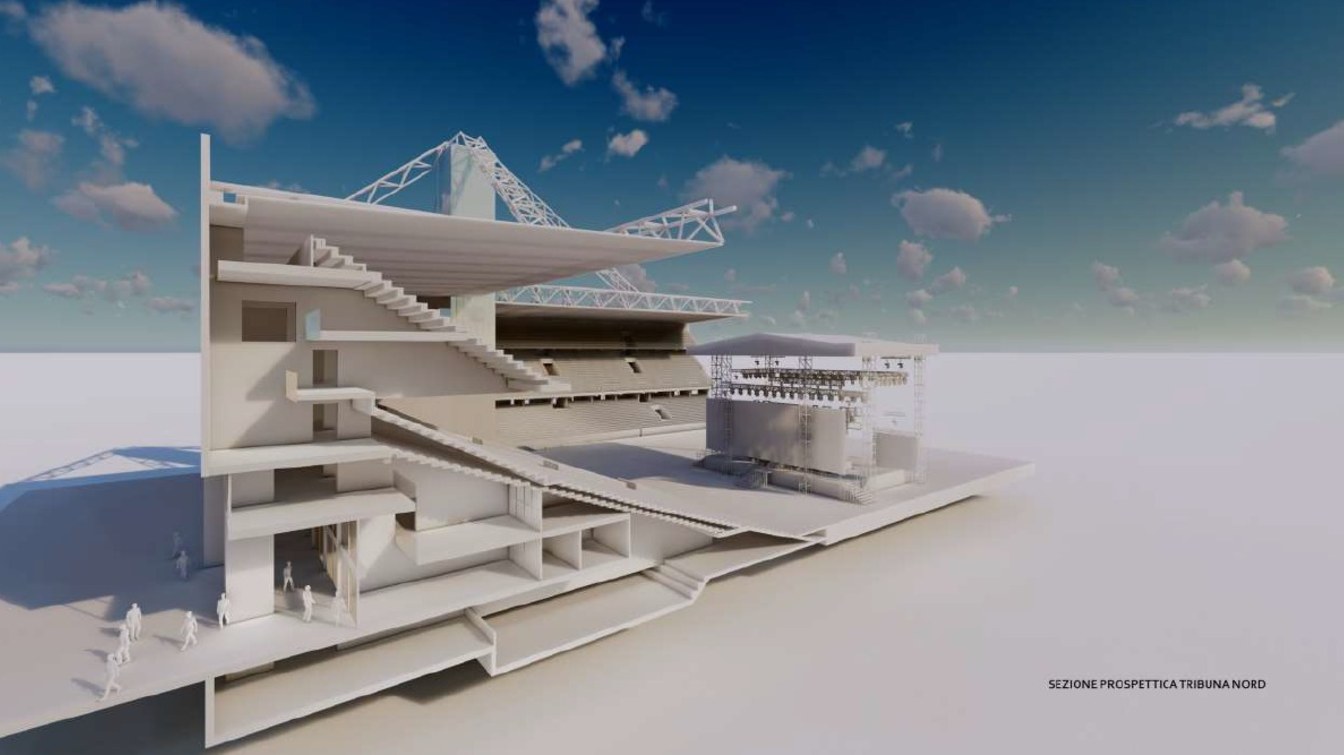 Capacity will drop to around 31,600 seats due to updated safety standards and improved sightlines.
Commercialisation of Stadio Ferraris and integration of Villa Piantelli
A key element of the redevelopment is the expansion of the stadium’s commercial functions. The venue is intended to operate as an active space throughout the week, not only on matchdays.
Plans include more than 10,000 square metres of commercial and service areas, including club shops, catering facilities, a club museum, and centres related to sport and sports medicine. At the same time, the development excludes traditional shopping malls, with commercial activity intended to remain closely linked to the stadium’s sporting identity.
The project also includes integration of the nearby Villa Piantelli, which is set to serve administrative and event functions on matchdays. It will be incorporated into the stadium structure and complement its offering with additional public and organisational spaces.
Construction schedule for Stadio Ferraris 2027–2029
The redevelopment of Stadio Luigi Ferraris is planned in phases between 2027 and 2029, allowing works to proceed without fully closing the stadium.
In January 2027, the first phase will begin with the Tribuna Ovest section. In September 2027, skyboxes are scheduled to be delivered, increasing the stadium’s commercial revenue potential. The next phase, planned for September 2028, includes the modernisation of Tribuna Est and Gradinata Sud, one of the main supporter stands. The final phase, scheduled for December 2029, includes redevelopment of Gradinata Nord, construction of stadium towers (Torri), and a new parking facility on Via Canevari.
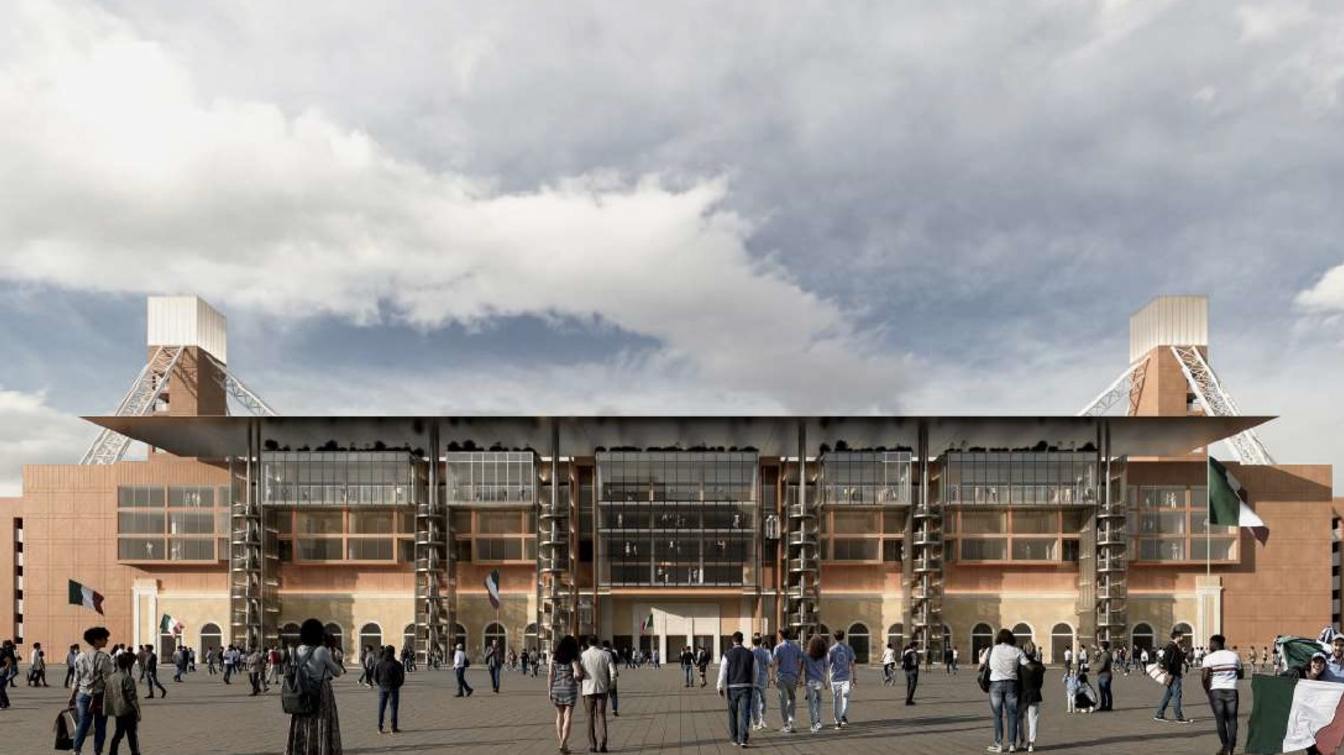 The project has sparked criticism from fans over increasing commercialization and the lack of meaningful consultation.
Modernisation of Stadio Ferraris and preparations for Euro 2032
The modernisation of Stadio Luigi Ferraris is part of Italy’s broader strategy for UEFA Euro 2032. Genoa authorities emphasise that the aim is to create a modern, multifunctional stadium meeting UEFA standards and capable of hosting international matches and major cultural events.
At the same time, the city remains the owner of the infrastructure despite the long-term concession. This is intended to ensure control over the stadium’s development direction and its impact on the urban environment of Marassi. The project is treated as part of a long-term urban strategy in which the stadium is expected to become one of the key economic and social drivers of the area.
Advertisement