 StadiumDB
WC 2026: “You can be small and compete.” Toronto’s underrated World Cup stadium
source: StadiumDB.com ; author: Paulina Skóra
 Does a World Cup really need 80,000- or 90,000-seat stadiums? Toronto suggests otherwise. The smallest venue of the 2026 World Cup has become a symbol of a more sustainable approach to hosting major tournaments, sparking debate over whether atmosphere and long-term usability matter more than record-breaking capacity.
Advertisement
Atmosphere more important than capacity?
When FIFA awarded the 2026 World Cup to the United States, Canada and Mexico, few expected that one of the most interesting topics related to the tournament would become the stadium in Toronto. Compared to the gigantic NFL arenas in the United States and the legendary Estadio Azteca in Mexico, the Canadian venue looks modest. Toronto Stadium will in fact be the smallest stadium used during the 2026 FIFA World Cup.
To meet FIFA requirements, the stadium underwent a renovation worth approximately 146 million Canadian dollars. The most visible element of the redevelopment was the addition of around 17,000 temporary seats, increasing capacity to the 45,000 spectators required by FIFA. Compared to other tournament venues, however, these numbers do not look particularly impressive. Dallas Stadium in Texas will hold around 94,000 fans, while the stadium in Mexico will host 83,000. Toronto will therefore remain one of the most intimate venues of the entire World Cup.
For some observers, however, this is not a disadvantage. Quite the opposite. Many experts emphasize that the stadium was designed primarily with football in mind, not American football or multi-purpose events. As a result, fans are much closer to the pitch than in most NFL stadiums used during the tournament.
Professor Paul Cohen from the University of Toronto, who specializes in the history of football, considers Toronto Stadium one of the best football stadiums in North America. In his view, the seating layout resembles classic British grounds, where supporters practically surround the pitch and the atmosphere is built through the proximity between fans and players.
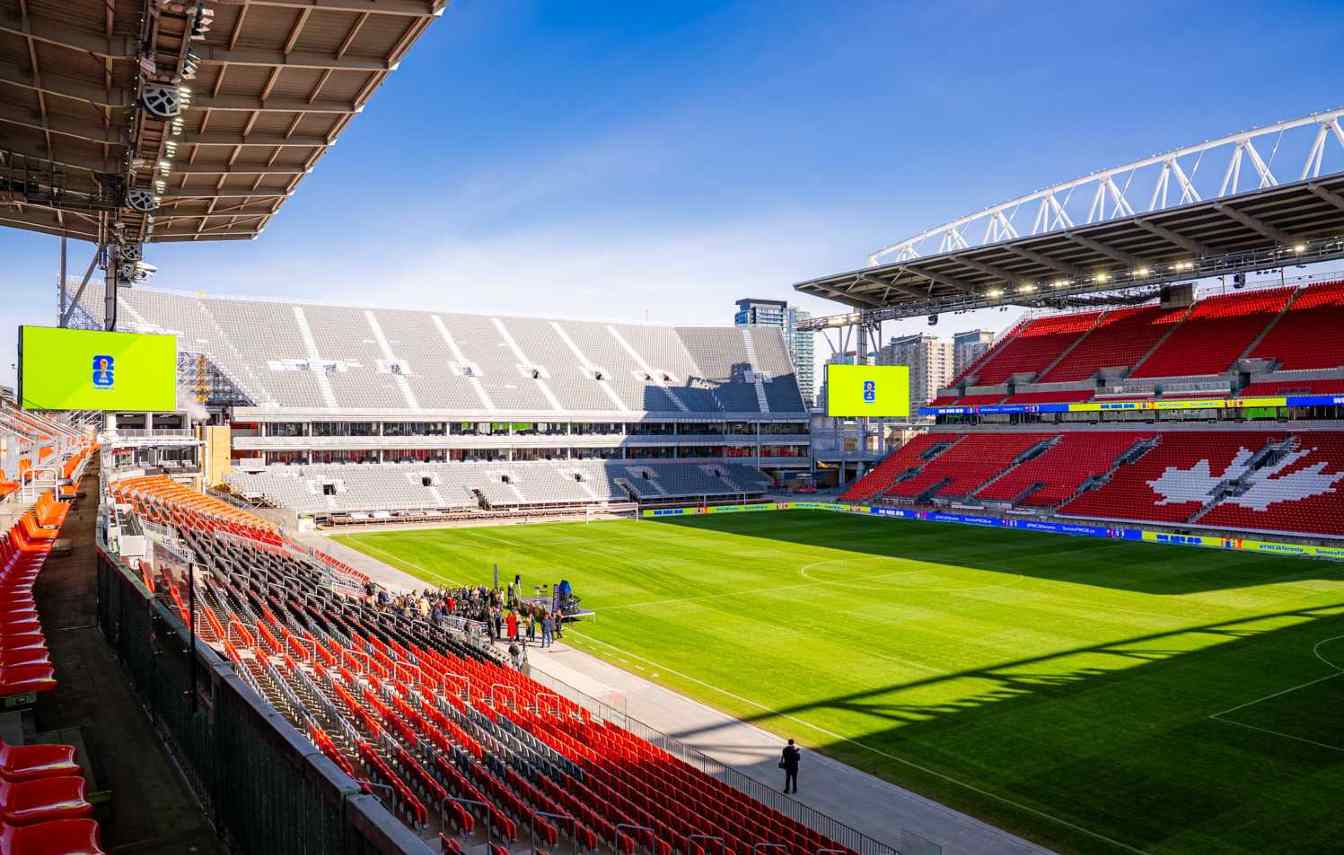 © City of Toronto | Toronto Stadium
Temporary stands at Toronto Stadium divide fans
However, the greatest emotions were not caused by the size of the stadium itself, but by the way it was expanded. Images of the temporary structures quickly spread across social media, where some fans began to question their aesthetics and the comfort of watching matches from the highest rows. Critics pointed out that the temporary stands look makeshift and do not match the scale of the world’s biggest football tournament. There were also questions regarding visibility quality and the experience of fans who will occupy the new sections.
Stadium representatives, however, responded that similar solutions have already been used many times during major sporting events held in Toronto. Additional stands were installed, among others, during the MLS Cup final, the Grey Cup and the NHL Centennial Classic. According to stadium officials, all structures meet the highest safety standards and visibility of the pitch will remain very good.
Smaller stadium, bigger sense? Toronto Stadium could change FIFA’s approach
The debate around Toronto Stadium quickly turned into a broader discussion about how major sporting events are organized. Some experts believe that Canada opted for a compromise solution and tried to limit the costs of hosting the tournament instead of building a new stadium fully compliant with FIFA requirements. On the other hand, the argument is increasingly raised that such an approach may be more financially responsible. The history of recent World Cups shows that building new stadiums does not always end in success.
One of the most well-known examples remains Arena Amazônia in Manaus, Brazil. The venue cost hundreds of millions of dollars and was built specifically for the 2014 World Cup. After the tournament ended, the stadium struggled for years to find appropriate use, and maintenance costs became a major burden for local authorities.
Similar questions also arose after the World Cup in Qatar, where some stadiums were designed specifically for the tournament. Although organizers presented ambitious plans for their future use, many experts questioned whether the scale of investment was justified.
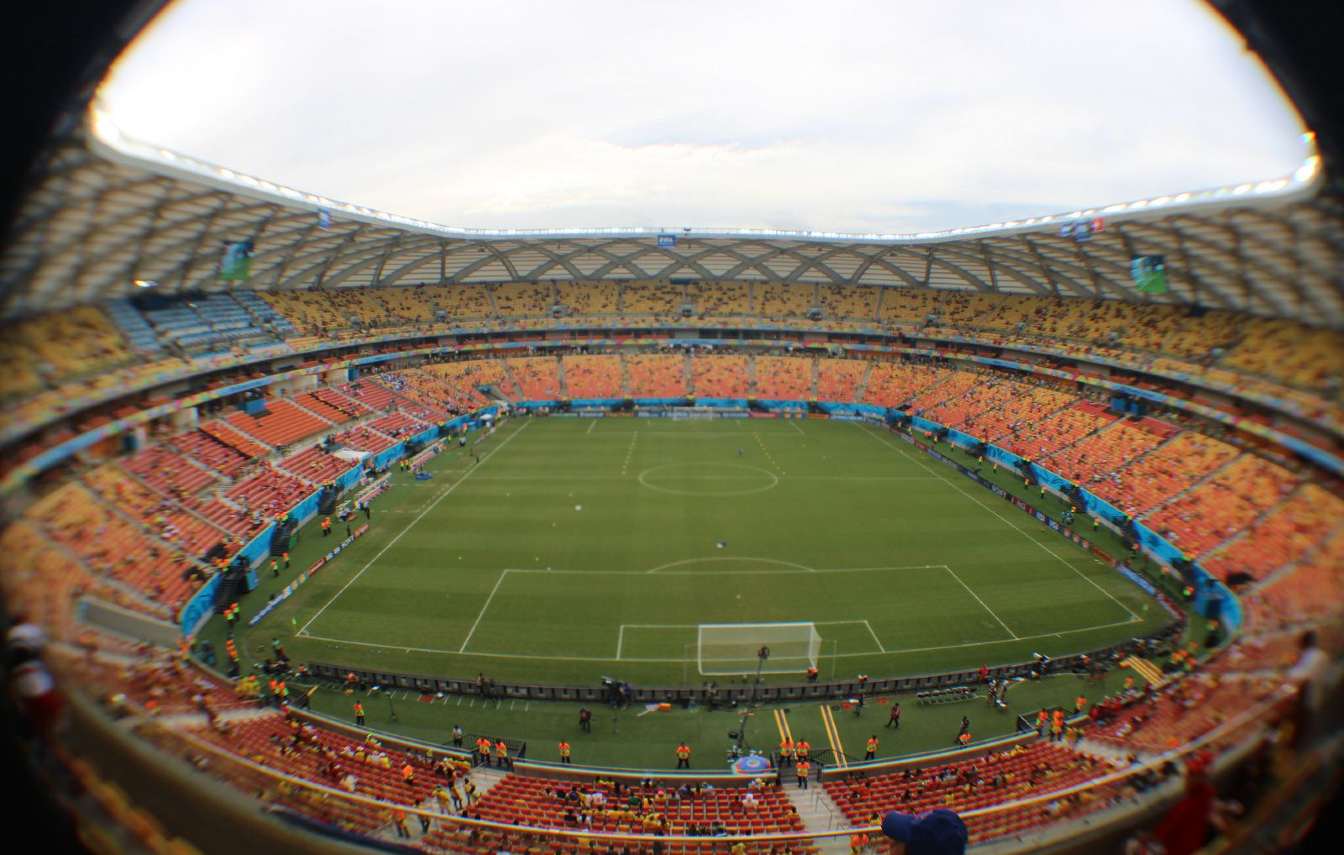 © Washington Lins | Arena Amazonia
Will Canada become a model for future World Cup hosts?
The discussion on the future of World Cup stadiums was further intensified by a recent ranking prepared by the sports magazine Sports Illustrated. In a list covering all 16 host cities of the 2026 FIFA World Cup, Vancouver was ranked first, but Toronto still achieved a very high third place.
Toronto was highly rated due to the stadium’s proximity to the city center and easy access to public transport. The ranking also highlighted the city’s highly multicultural character, which could create a unique atmosphere during the tournament. Organizers expect that for several weeks the entire downtown area will be dominated by World Cup fever, while fan zones and accompanying events will attract hundreds of thousands of supporters from around the world.
Importantly, Sports Illustrated considered Toronto Stadium’s relatively small capacity an advantage rather than a disadvantage. According to the authors, a more compact venue can provide a better atmosphere and closer contact between fans and the action on the pitch than huge arenas holding tens of thousands more spectators. This is another argument supporting the idea that the future of major tournaments does not necessarily have to rely on ever-larger stadiums.
A World Cup for fans or for sponsors? Toronto under scrutiny
Although Toronto is often presented as an example of a sensible and balanced approach to hosting the World Cup, the city has also faced controversy regarding tournament costs. In recent months, the metropolitan authorities have come under criticism after it was revealed that the city resells part of its FIFA-purchased tickets to business partners and sponsors at higher prices.
Mayor Olivia Chow’s office, however, argues that these measures help reduce the burden on taxpayers. FIFA allows all host cities to purchase around 1.5% of the local ticket allocation, which can then be used to create sponsorship packages, business initiatives and fundraising programs. According to Toronto authorities, this is precisely how the city is trying to secure additional funding for the tournament.
This is not a solution used exclusively in Toronto. Vancouver has adopted a similar strategy, planning to use a significant portion of its purchased tickets in sponsorship programs related to the World Cup. Canadian cities argue that with the steadily rising costs of hosting major events, any additional funding sources help reduce the share financed from public money.
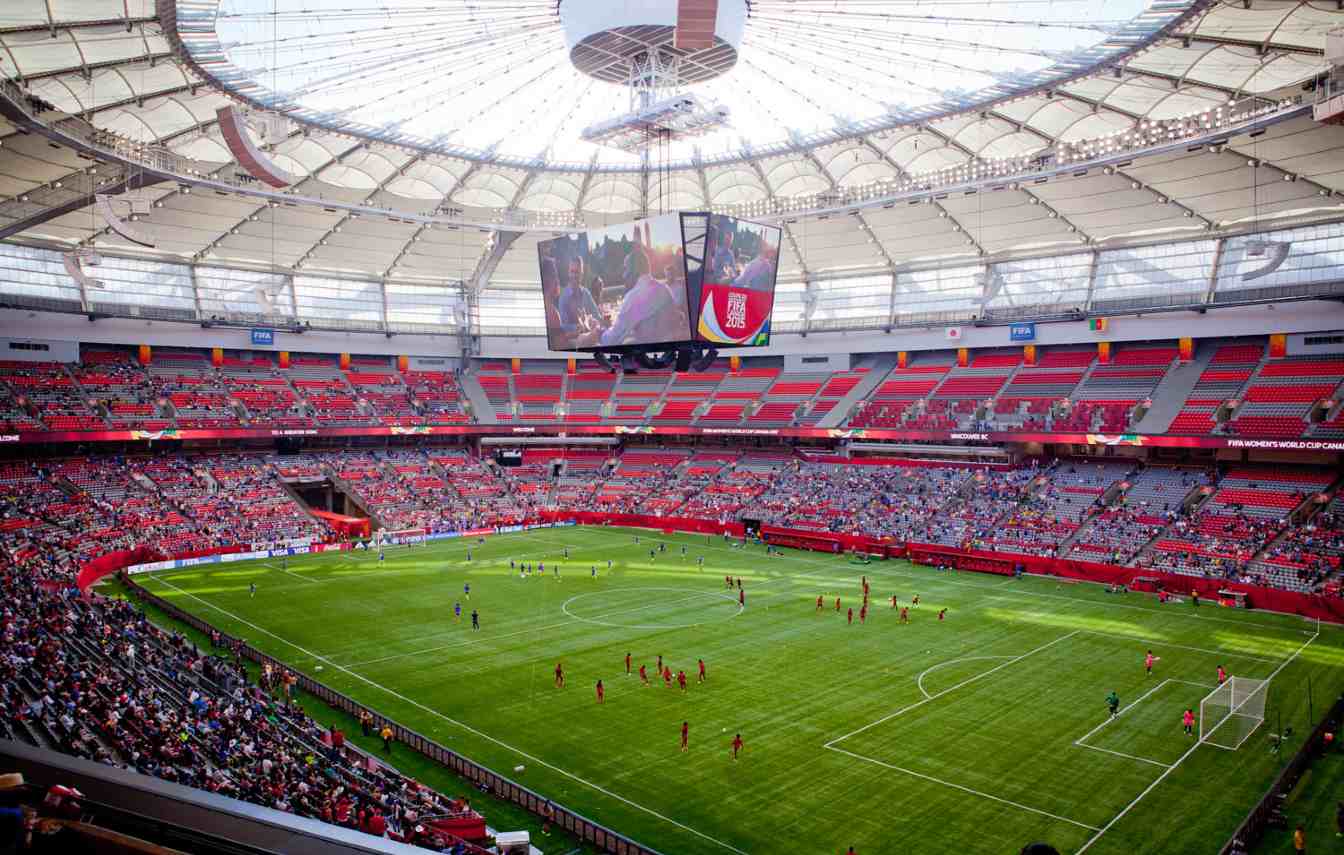 © GoToVan (CC BY 2.0) | BC Place Vancouver
For Toronto, however, the stakes are particularly high. The total cost of hosting World Cup matches is estimated at around 380 million Canadian dollars. Although a significant portion comes from the provincial government of Ontario and the federal government, the city still has to cover a substantial share of the costs. Mayor Olivia Chow has repeatedly emphasized that she does not want to finance the tournament solely through taxpayers’ money.
The decision to resell tickets to sponsors is part of a broader debate about the accessibility of the World Cup for ordinary fans. Similar controversy previously arose over Toronto’s fan zone plans. Initially, the city planned to charge a 10-dollar entry fee for events organized as part of the official Fan Festival. After public backlash, however, the idea was withdrawn and free access was reinstated.
Advertisement