 StadiumDB
WC 2026: Mexico welcomes the World Cup. Three stadiums and multi-million-dollar transformations
source: StadiumDB.com ; author: Paulina Skóra
 Before the start of the 2026 FIFA World Cup, three key venues in Mexico — Estadio Banorte in Mexico City, the stadium in Guadalupe, and Estadio Guadalajara in Zapopan — are fully ready to host the tournament. What has changed?
Advertisement
18 months of modernization of a legendary stadium
Estadio Banorte underwent one of the most comprehensive renovations among all World Cup venues in North America. The 18-month project covered both technological upgrades and structural interventions.
Inside the stadium, modern communication systems, expanded Wi-Fi, new LED lighting, upgraded sound systems, and advanced monitoring and broadcast infrastructure were installed. A key element remains the hybrid FIFA-standard pitch, designed to maintain stable playing conditions despite intense tournament usage.
The changes also affected the stands and the stadium’s functional layout. While the iconic structure was preserved, some seating sections were rebuilt to improve visibility, safety, and spectator comfort. Press areas, operational facilities, and technical spaces were also modernised, allowing the venue to host the World Cup opening match. Surrounding infrastructure was reorganised as well, including traffic management systems, buffer zones, and fan flow logistics.
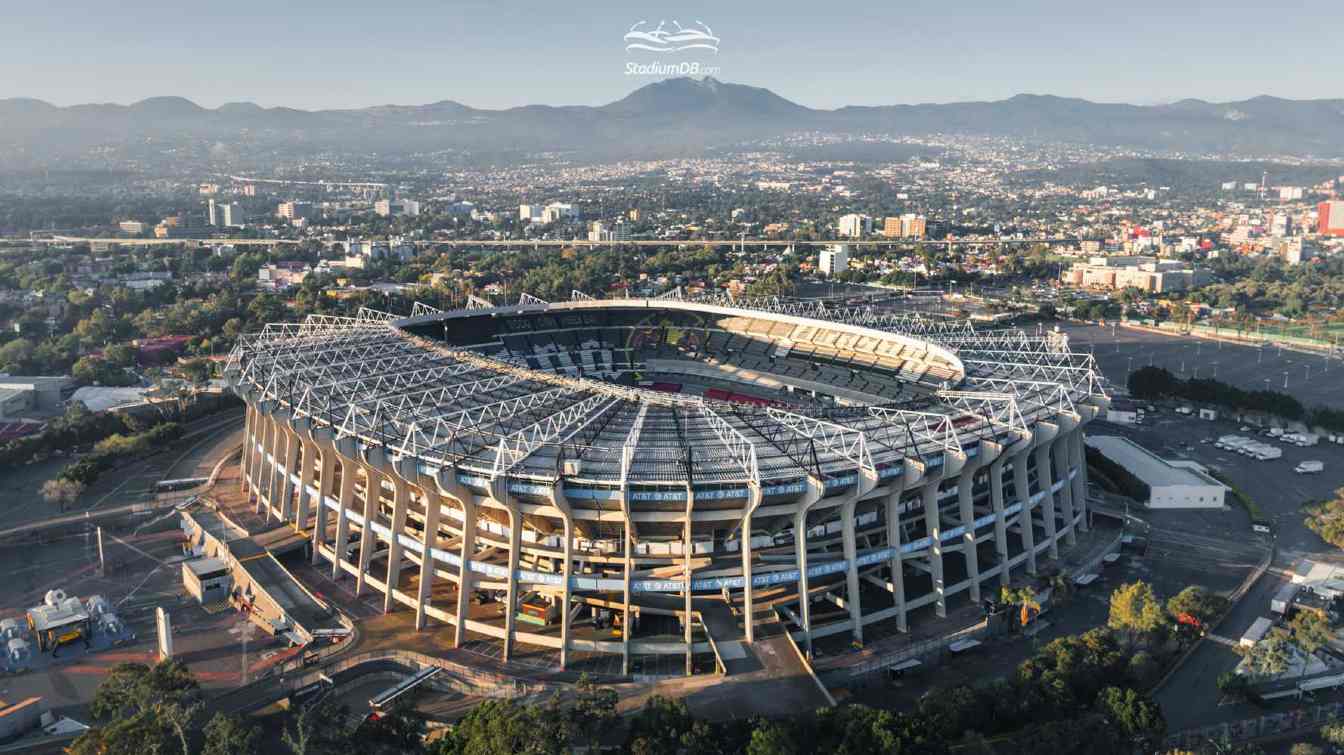 © Grzegorz Kaliciak | Mexico City Stadium
Intensive work in Guadalupe and Zapopan
In Guadalupe, the Estadio Monterrey (known as Gigante de Acero
) became one of the most technologically advanced venues of the tournament. Used by Rayados and Rayadas, it underwent upgrades covering both internal facilities and operational infrastructure. The pitch was adapted to FIFA standards, while team areas, media zones and VIP facilities were redesigned and expanded, including exclusive suites for international delegations.
Strong emphasis was placed on logistics and crowd management. Security systems and fan services are being finalised, while the stadium surroundings were redesigned to improve access and circulation. The venue will host group-stage matches and a round-of-16 fixture, increasing its importance in the tournament structure.
Meanwhile, Estadio Akron in Zapopan underwent one of the most extensive upgrades among Mexican stadiums. Owner Amaury Vergara emphasised that the investment covered infrastructure, technology and operations, with the goal of meeting FIFA requirements while leaving a lasting legacy. The stadium received a hybrid FIFA Quality Pro pitch, new LED screens, lighting and sound systems, and upgraded digital infrastructure.
VIP and hospitality areas were redesigned into modern premium spaces for sponsors, partners and delegations. Operational systems were also upgraded, including security and access control, alongside a new matchday traffic model that limits private vehicle access around the venue, relying instead on organised transport and designated entry points.
As a result, all three Mexican stadiums have been transformed into modern, fully integrated sports venues ready for a global-scale event. Mexico City will host the tournament opener, while Monterrey and Guadalajara will complete the group-stage and knockout schedule.
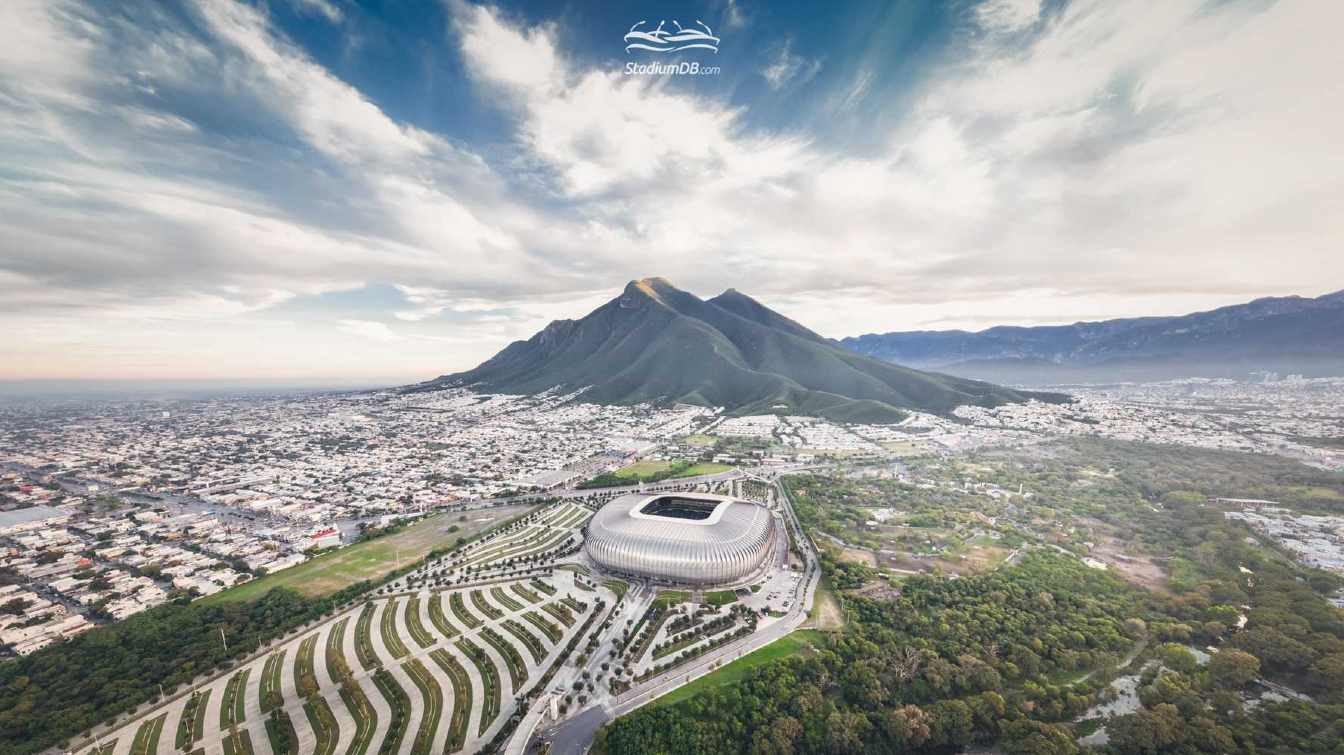 © Grzegorz Kaliciak | Estadio Monterrey
Pitch development the result of years of research
As in the United States and Canada, pitch preparation in Mexico has taken up to eight years. The turf has been treated not as a standard stadium element, but as an advanced engineering and agronomic project designed for extreme tournament demands.
According to BBC reporting, preparing pitches for the 2026 World Cup has become one of the most precise technological undertakings of the tournament. The grass is the result of long-term research, laboratory testing and detailed optimisation — from root structure to response under match stress. Because the tournament is played across 16 stadiums in three countries and multiple climate zones, FIFA requires consistent ball behaviour regardless of conditions.
For this reason, the federation worked with researchers from the University of Tennessee and Michigan State University, who have long developed natural turf systems for elite stadiums and training grounds. The result is a reinforced natural grass system designed for modular transport and installation, with extensive analysis of root behaviour and substrate stability. As a result, the 2026 World Cup pitch system has become one of the most advanced — and demanding to maintain — infrastructure components of the tournament.
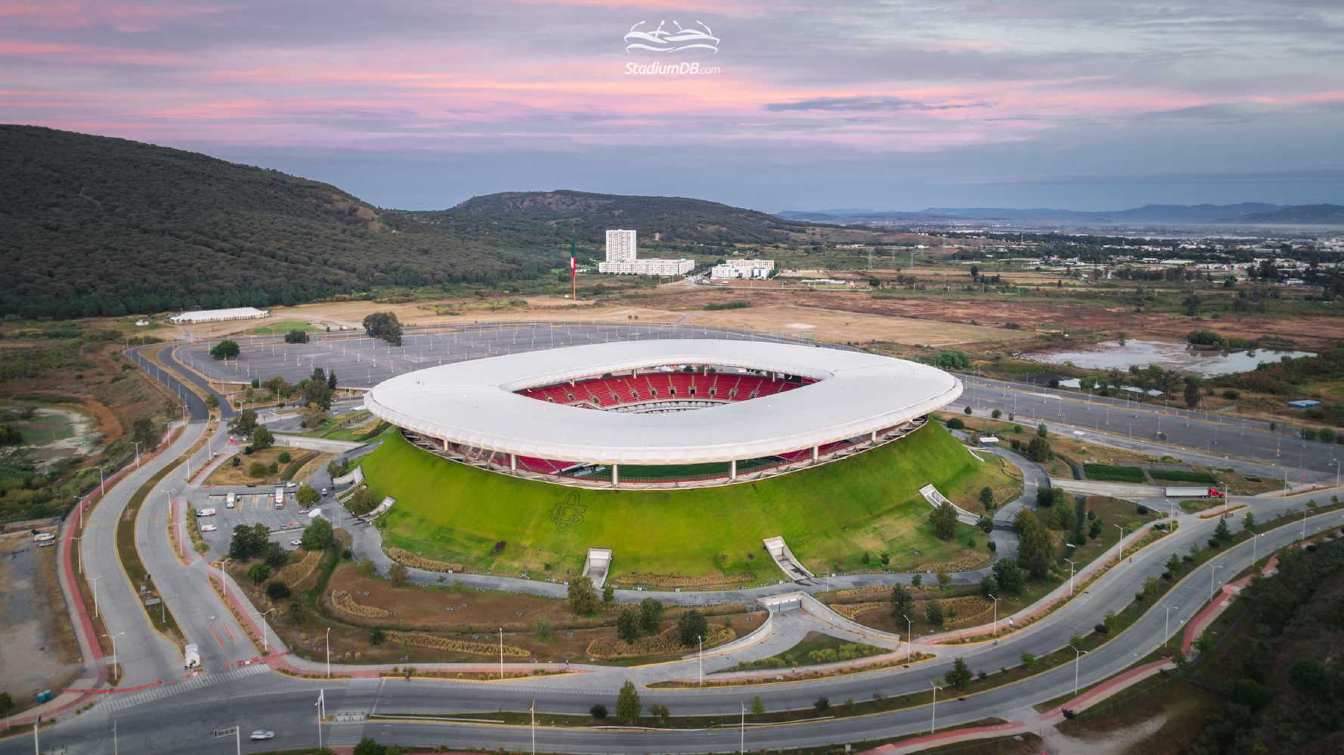 © Grzegorz Kaliciak | Estadio Guadalajara
Stadiums lose their names
One of the less visible but important elements of Mexico’s preparations is the temporary renaming of stadiums under FIFA regulations. All venues lose commercial names and operate under neutral geographic designations to ensure sponsor exclusivity and consistent branding.
In practice, Estadio Azteca — rebranded commercially as Estadio Banorte — will operate during the tournament as Mexico City Stadium.
Similar changes apply to Monterrey and Guadalajara, where stadium identities are standardised under geographic naming. This process covers not only names but also all branding elements — from advertising boards to VIP areas and broadcast visuals — creating a neutral marketing environment reserved exclusively for FIFA partners. After the tournament, all names and branding will return to normal, and the stadiums will resume their domestic football functions.
Advertisement