 StadiumDB
WC 2026: Countdown to the World Cup in Canada. How were the stadiums prepared for the tournament?
source: StadiumDB.com ; author: Paulina Skóra
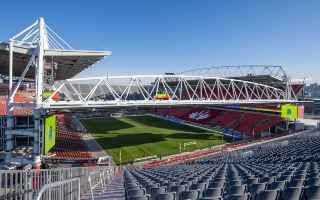 Canada’s preparations for the 2026 FIFA World Cup involved extensive upgrades to its two tournament venues — BC Place in Vancouver and the stadium in Toronto. Both facilities underwent comprehensive renovations aimed at meeting FIFA requirements and raising technical, operational and commercial standards.
Advertisement
BC Place ready one month before the first match
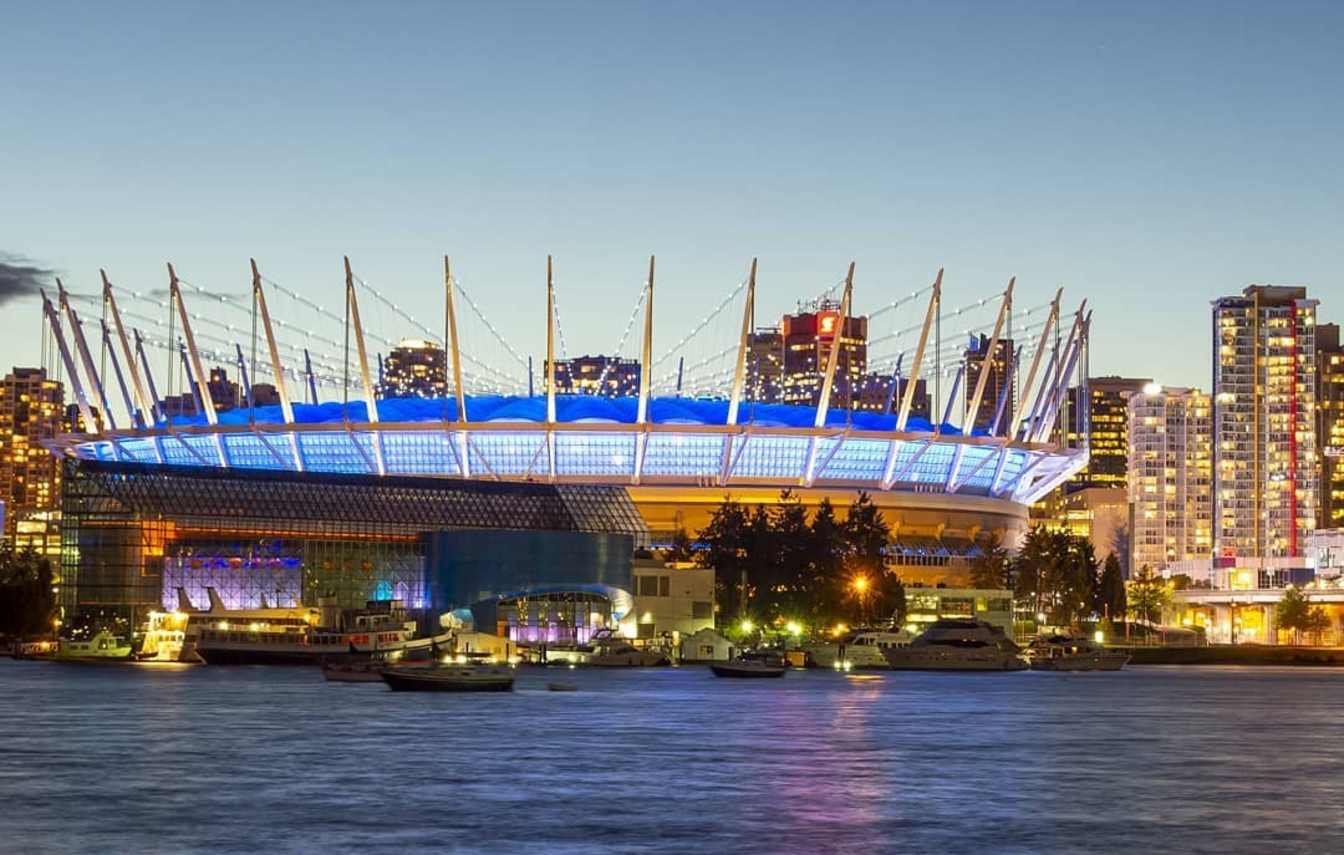
The final details of the completed BC Place renovation were presented on May 12, one month before the first World Cup match scheduled for June 13. The stadium will be one of the key tournament venues, hosting seven matches. One of the key investments was the replacement of the playing surface with a hybrid sod pitch, grown in the Fraser Valley region and specifically prepared for FIFA requirements.
At the same time, extensive upgrades were carried out across the stadium’s infrastructure. The venue was adapted to higher accessibility standards, including new passenger elevators, improved circulation routes and expanded public areas. Technological systems were also significantly upgraded — new high-resolution screens were installed, the central display system modernised and a faster Wi-Fi network deployed to improve the experience for fans, media and broadcasters.
Major changes also affected player and media facilities. Locker rooms, recovery areas and sanitary facilities were fully rebuilt, while the broadcast centre and media zones were equipped with modern technology. Hospitality areas were also expanded, introducing new premium spaces such as Corner Club, Field Club, Edgewater Lounge and upgraded The Tribune
suites.
 © Instagram: @inspirevancity | BC Place Vancouver
Toronto relies on temporary solutions
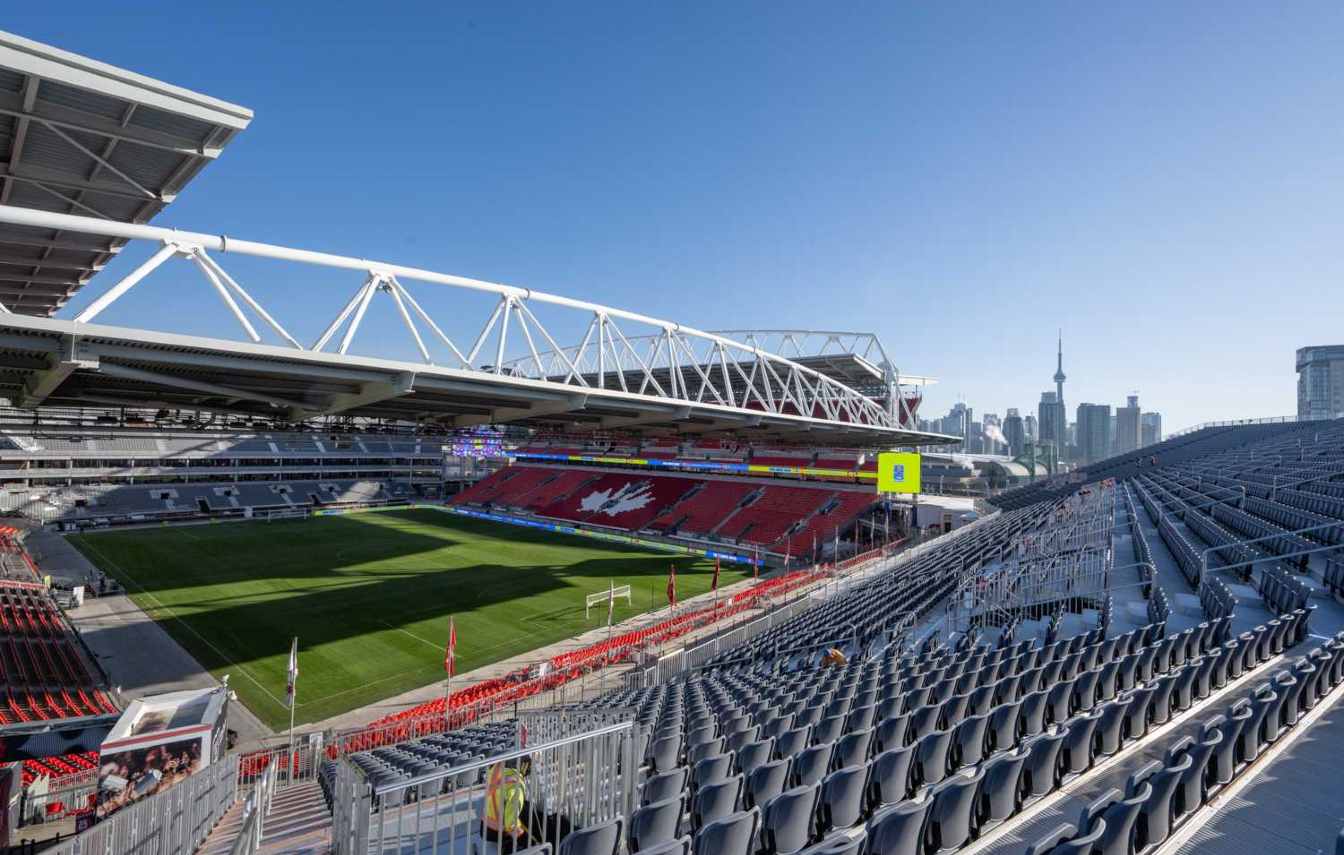
The renovation of Toronto Stadium was carried out in phases and represents one of the largest infrastructure investments in the venue’s history. The first phase, completed in 2025, focused on technological upgrades, including new screens, lighting and sound systems, as well as expanded food service areas, VIP zones and sponsor spaces. Accessibility and internal circulation were also improved.
The second phase was directly linked to FIFA requirements. The most visible change was the temporary expansion of capacity to around 45,000 seats through the installation of additional stands. The pitch area was also upgraded, the playing surface replaced, and team benches and technical areas around the field were adapted.
Team facilities — including locker rooms, recovery zones and staff areas — were also significantly renovated, along with media and broadcast infrastructure, which is essential for global television production. VIP and hospitality areas were further expanded with new premium spaces for partners and business guests.
Some elements, such as temporary stands, will be dismantled after the tournament, but most upgrades will remain a permanent part of the stadium. The total cost of the Toronto project amounted to approximately $157.9 million, funded mainly by the city budget with support from private partners and federal and provincial authorities.
 © City of Toronto | Toronto Stadium
Pitch development the result of long-term work
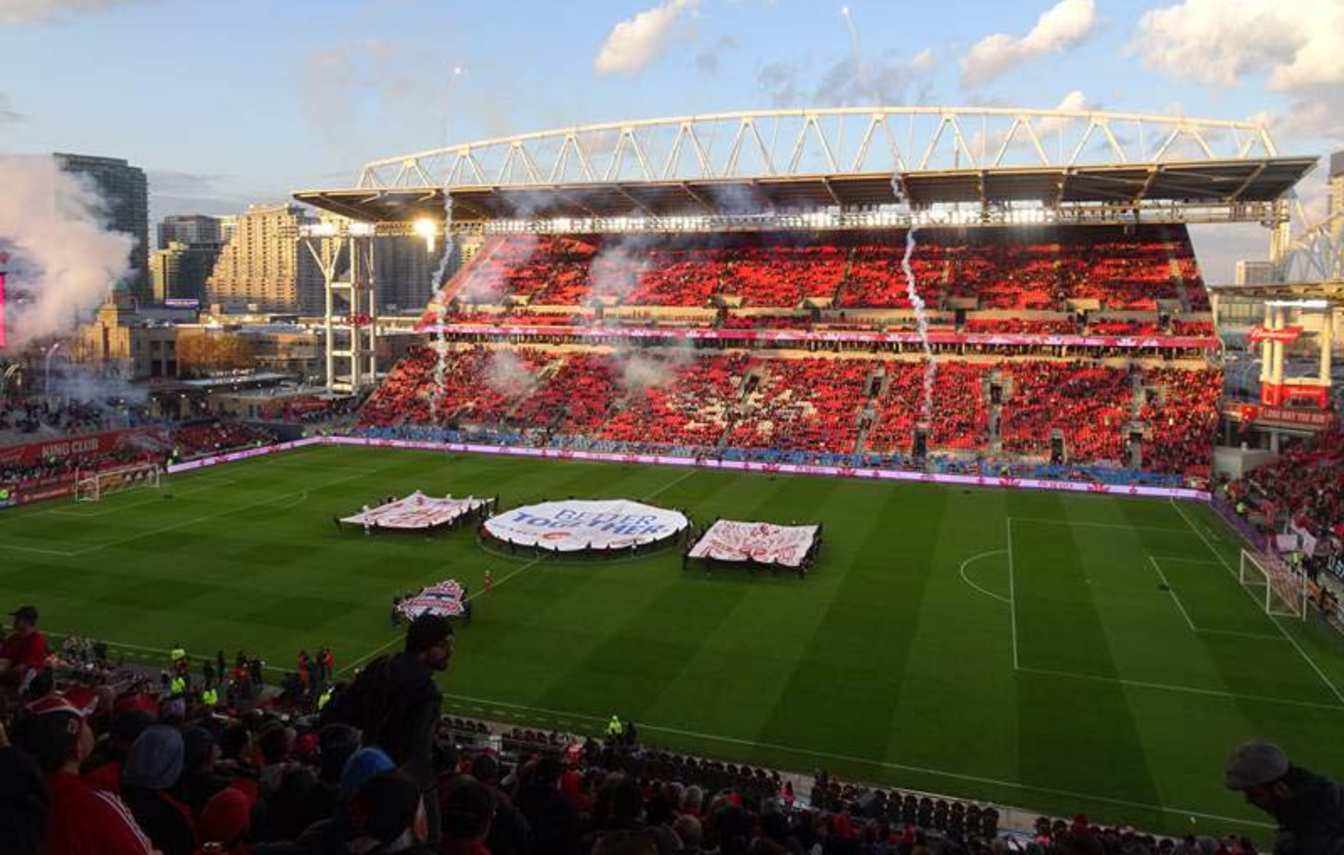
As in the United States and Mexico, pitch preparation in Canada has taken up to eight years, treating the playing surface not as a standard stadium feature but as an advanced engineering and agronomic project.
According to BBC reporting, preparing pitches for the 2026 FIFA World Cup has become one of the most precise technological projects of the tournament. The turf is the result of long-term research, laboratory testing and fine-tuning — from root structure to performance under heavy match loads.
FIFA requires the ball to behave consistently across all venues, regardless of climate or stadium type — whether under a closed roof, in heat or in cooler conditions. For this reason, the federation has involved researchers from the University of Tennessee and Michigan State University, who have developed natural pitch systems for elite venues. Their work includes not only match pitches but also training facilities, which must meet the same standards.
The solution is a reinforced natural grass system designed for modular transport and installation. Researchers analysed not only the turf itself but also root behaviour and substrate stability after relocation. As a result, the 2026 World Cup pitch system has become one of the most advanced — and at the same time one of the most unpredictable — infrastructure projects of the tournament.
 © Frank Jasperneite | Toronto Stadium
World Cup stadium names in Canada
One of the less visible but highly noticeable changes is the temporary renaming of stadiums under FIFA regulations. All commercial names are removed, and venues operate under neutral geographic designations.
In Toronto, this means replacing the existing name with Toronto Stadium.
All branding elements — from signage to internal graphics — are replaced with uniform World Cup visual identity. A similar process applies in Vancouver, where BC Place remains one of the few venues without a commercial naming-rights change. However, it has also been fully stripped of marketing elements and adapted to FIFA’s neutral branding system.
Advertisement