 StadiumDB
Vietnam: The world's largest stadium may be completed ahead of schedule
source: StadiumDB.com ; author: Paulina Skóra
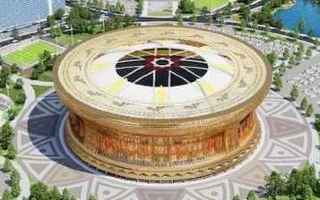 Hùng Vương Stadium near Hanoi could be completed a year earlier than originally planned. The 135,000-seat arena is set to become the largest stadium in the world and the centerpiece of a new sports city, although the scale of the project is already raising questions about its long-term use.
Advertisement
Work on Hùng Vương Stadium continues around the clock
The new stadium is taking shape approximately 25 kilometres south of central Hanoi and, according to the developer, will accommodate as many as 135,000 spectators. If that capacity remains unchanged upon completion, it will become the largest stadium in the world by seating capacity.
The venue is also expected to feature the world's largest fully retractable roof. The project is being developed by Vingroup, Vietnam's largest publicly listed company, which is simultaneously overseeing a number of major infrastructure ventures across the country, including railway, energy and residential developments.
Construction is progressing at an intense pace. Company representatives say that thousands of workers are operating on-site 24 hours a day. Vingroup recently announced that work on Hùng Vương Stadium is advancing faster than originally planned, with completion now targeted for July 2027. If achieved, that would bring the project to completion a full year earlier than initially projected when the stadium was unveiled at the end of 2025.
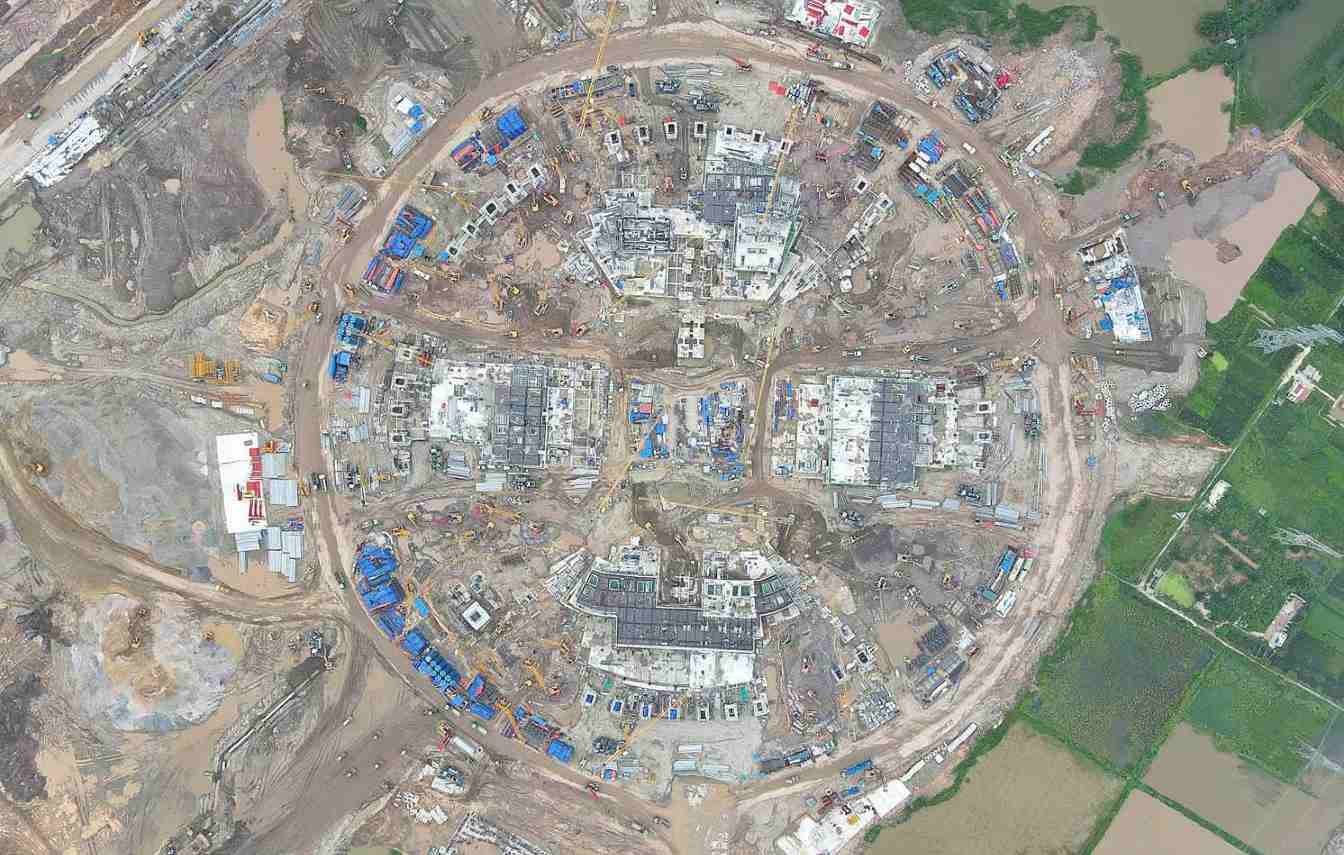 © Vietnam.vn | Hùng Vương Stadium near Hanoi could be completed as early as 2027, one year ahead of schedule. The 135,000-seat arena is set to become the world’s largest stadium and a symbol of Vietnam’s infrastructure ambitions.
Hùng Vương Stadium at the heart of a vast sports city
The stadium will serve as the centrepiece of an enormous development known as Olympic Sports City. The wider project covers more than 9,000 hectares on the outskirts of Hanoi and carries an estimated price tag of $35 billion.
The stadium's name is inspired by Vietnam's traditional bronze drums, one of the country's most recognizable cultural symbols. Developers envision the venue hosting not only football matches, but also major concerts, cultural events and international sporting competitions.
Experts question the viability of a stadium of this scale
The sheer size of the project has inevitably sparked debate about its long-term sustainability. Sports industry analysts point out that a venue of this magnitude is difficult to justify based solely on domestic football demand. According to figures cited by Deloitte, average attendance in Vietnam's top division, V.League 1, was below 6,000 spectators per match during the 2023/24 season. By comparison, most modern national stadiums currently being built around the world typically hold between 60,000 and 80,000 fans.
Vingroup, however, argues that the stadium should not be viewed as a standalone project. Instead, company representatives see it as a key component of a much larger urban development, where commercial activities and non-sporting events are expected to play a major role in ensuring long-term financial sustainability.
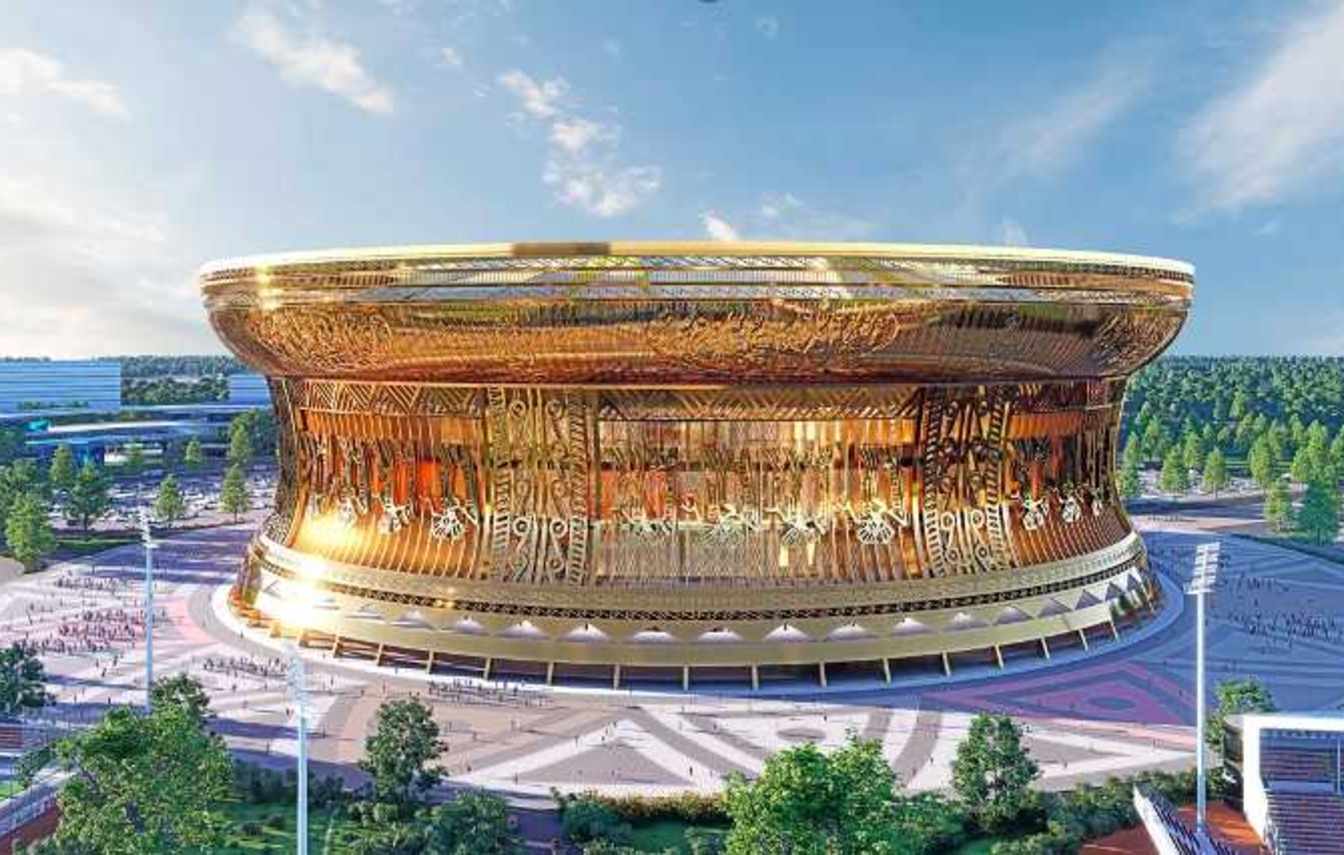 © Trong Dong Stadium | Vietnam is building a stadium bigger than any other in the world. Hùng Vương Stadium is planned as the centerpiece of a giant sports city near Hanoi, although the scale of the project already raises questions about its future use.
The project also aligns with Vietnam's broader modernization strategy. By 2030, the country plans to deliver hundreds of infrastructure projects worth an estimated $200 billion, including airports, seaports, bridges and railway networks. Some experts argue that in rapidly developing economies, infrastructure often needs to be built ahead of demand. Others caution that such projects carry risks, including underutilization and lengthy investment payback periods.
For both government officials and investors, Hùng Vương Stadium is intended to symbolize a modern Vietnam and strengthen the country's international profile. If successful, the venue could help Hanoi attract major sporting events and concerts while reinforcing its ambitions as a host city for globally significant events.
Advertisement