 StadiumDB
Mexico: World Cup vs fear? Mexico at the heart of the security discussion
source: StadiumDB.com ; author: Paulina Skóra
 Just days before the start of the 2026 World Cup, Mexico has found itself at the centre of a debate about security. Social protests, cartel activity and an unprecedented security operation mean the tournament will be not only a celebration of football, but also one of the biggest organisational and security tests in the country's history.
Advertisement
Estadio Azteca at the heart of World Cup 2026 preparations
Estadio Azteca, one of the most iconic stadiums in the world, has once again found itself at the centre of global attention just days before the opening of the 2026 FIFA World Cup. The venue, already deeply embedded in World Cup history, is now serving not only as a sporting arena but also as a key node in Mexico’s national security operation.
A multi-layered security system has been deployed around the stadium: concrete barriers, buffer zones, police checkpoints and traffic restrictions across the surrounding area. City authorities stress that the infrastructure has been adapted for an event of global magnitude, although in practice many of the measures are temporary and driven by time pressure. For that reason, officials refer more to an operational security upgrade
than to a traditional stadium redevelopment.
The preparations include the integration of surveillance systems, crowd recognition tools, entry control mechanisms and anti-drone technology. The stadium must handle not only tens of thousands of fans, but also international delegations, media teams and FIFA operational staff. Every element of infrastructure – from access gates to emergency communication systems – has been incorporated into a central crisis management framework.
Kukulkán Plan and Mexico’s security strategy
The Mexican government has introduced a dedicated security framework known as the Kukulkán Plan,
designed to coordinate operations throughout the tournament. It covers three main pillars: civilian protection, cybersecurity and counter-terrorism measures. Experts note that the plan was presented relatively late given the scale of the event, meaning that several components have been implemented under accelerated timelines, increasing pressure on institutions and services.
One of the key priorities is the protection of energy grids, water systems and telecommunications infrastructure. Authorities are concerned not only about physical threats, but also cyberattacks that could disrupt match broadcasts, transport systems or stadium operations.
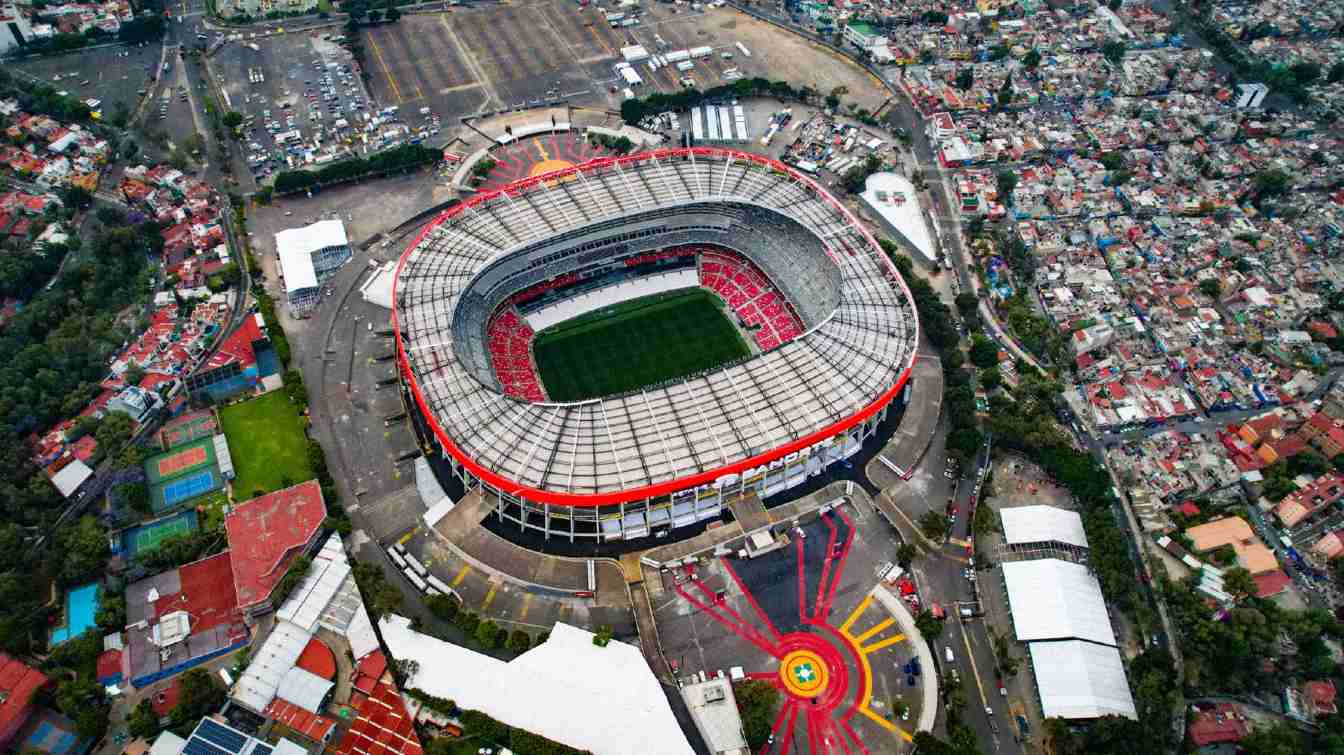 © ProtoplasmaKid (CC BY 4.0) | Just days before the opening of the 2026 World Cup, Estadio Azteca has become the center of one of the largest security operations in Mexican history. The sporting event is set against the backdrop of social protests, cybersecurity concerns, and a massive mobilization of security forces.
CNTE protests and social tensions ahead of the Estadio Azteca opener
Social protests are intensifying in Mexico, particularly from teachers’ unions affiliated with CNTE and families of missing persons. Demonstrations have concentrated near Estadio Azteca just over 48 hours before the World Cup opening ceremony. Protesters are demanding pension reforms, improved working conditions and greater political dialogue with the government.
The presence of protests so close to such a major international event creates a stark contrast between the celebration of football and the country’s underlying social challenges. For the government, this represents a test of its ability to maintain stability under intense media and political scrutiny.
As part of the preparations, authorities have announced the deployment of more than 100,000 personnel, including the army, police, gendarmerie and special services. The operation covers the three host cities: Mexico City, Guadalajara and Monterrey. Security tasks include crowd control, transport protection, fan zone security and real-time threat monitoring.
While the numbers are significant, experts highlight the challenge of dispersing forces across such a large territory. In crisis scenarios, rapid redeployment between cities could prove difficult, especially amid simultaneous protests and mass events.
FIFA’s role and USNORTHCOM coordination
FIFA is primarily responsible for security inside stadiums, including access control, crowd management and match-related operations. Broader coordination between host nations is handled through USNORTHCOM.
In practice, this represents an unprecedented model of cooperation between Mexico, the United States and Canada, based on intelligence sharing, joint exercises and coordinated operational planning. The system aims to improve response times and ensure consistency in crisis decision-making.
At the same time, this level of international involvement raises questions about Mexico’s autonomy in shaping its own security policy, particularly in an area traditionally considered a core element of national sovereignty.
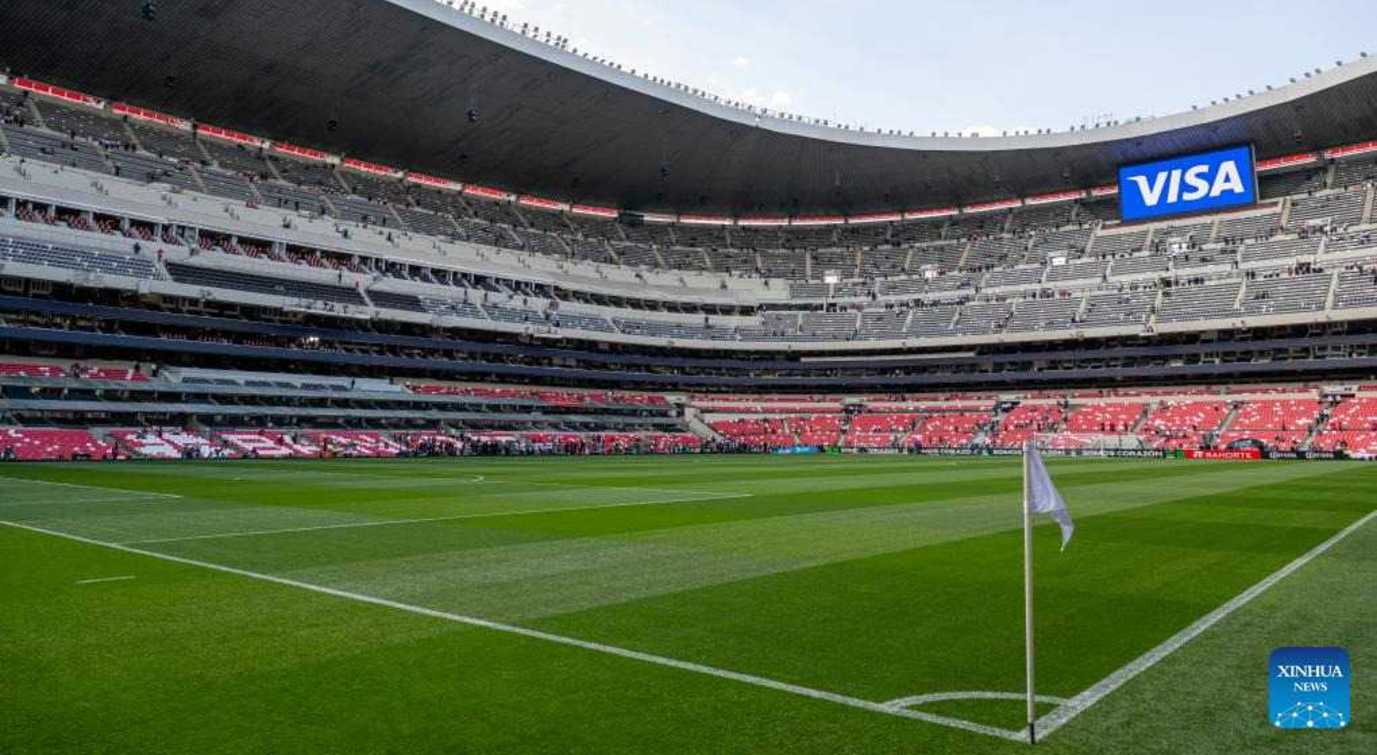 © Xinhua | The 2026 World Cup is not just about football for Mexico, but also a major security test. Extraordinary security measures have been implemented around Estadio Azteca, and organizers are simultaneously grappling with protests and social challenges.
Tourist safety as the top priority
Authorities insist that tourist zones and official tournament areas will be heavily protected. However, experts warn that the highest risks lie outside secured zones – in public transport, urban outskirts and areas not covered by the tournament security perimeter. Threats include theft, ticket fraud, illegal trade and potential incidents linked to protests. Inside FIFA-controlled zones, however, security levels are expected to be significantly higher than usual.
Mexico currently hosts more than 40 major criminal organisations, with cartel structures increasingly fragmented. Instead of a few dominant groups, the country now faces hundreds of smaller, decentralised networks. This fragmentation increases unpredictability and complicates enforcement efforts. The most influential groups remain the Jalisco New Generation Cartel and the Sinaloa Cartel, both operating extensive networks domestically and abroad. Experts stress that modern criminal organisations are less overtly violent in appearance and increasingly focused on low-visibility
operations: drug trafficking, extortion, kidnappings and cybercrime.
Mexico therefore faces a dual challenge: ensuring security for a global sporting event while managing one of the most complex criminal environments in the region. The 2026 World Cup becomes not only a sporting spectacle, but also a test of state capacity at an unprecedented scale.
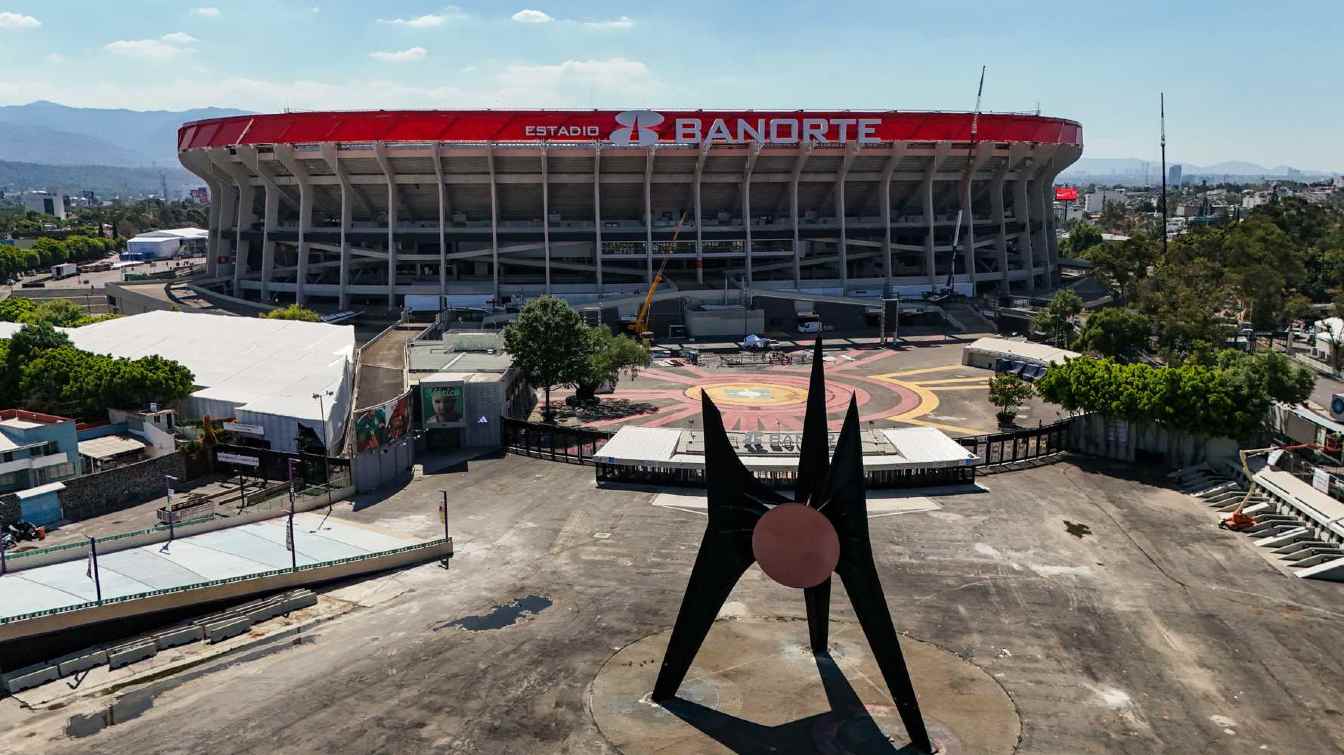 © ProtoplasmaKid (CC BY 4.0) | Over 100,000 officers, a special Kukulkán plan, and close international cooperation. Mexico is preparing for the start of the 2026 World Cup, trying to balance the sporting event with real security concerns.
Advertisement