 StadiumDB
Italy: Architects fear for the identity of Lazio’s new stadium. Is the project too modern?
source: StadiumDB.com ; author: Paulina Skóra
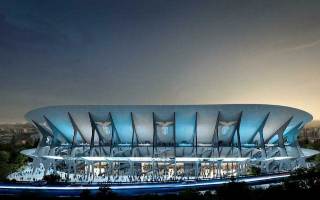 S.S. Lazio wants to transform Stadio Flaminio into a modern 50,000-seat stadium, but the project is sparking major controversy. Architects and preservation groups warn that the new structure could destroy the historic identity of one of Italy’s most important post-war stadiums.
Advertisement
Renovation of Stadio Flaminio would double Lazio’s stadium capacity
The centerpiece of the project is the construction of a new second tier of stands. The current Stadio Flaminio holds around 20,000 spectators, but after redevelopment the capacity would rise to 50,570 seats. The new structure would be supported by 46 steel columns and would effectively float
above the existing stadium.
Project architect Marco Casamonti described the concept as a stadium flying over the old stadium.
The new structure would more than double the height of the venue — from the current 17.6 metres to over 40 metres. According to Lazio, the new tier would remain structurally independent from Pier Luigi Nervi’s historic design and would not directly interfere with the original reinforced concrete framework. The club argues that the wider spacing between the new supports would preserve views of the historic facade and the stadium’s most recognisable architectural features.
Lazio’s project includes a commercial transformation of Stadio Flaminio
The redevelopment plan of Flaminio goes far beyond football. Lazio wants to turn the venue into a year-round sports and entertainment complex capable of generating revenue outside matchdays. The proposal includes a complete reorganisation of the stadium’s internal spaces. Existing sports halls, gyms and the semi-Olympic swimming pool would be replaced by VIP boxes, hospitality areas, restaurants, club stores and event spaces.
The club also plans to host concerts and large-scale music events, which are expected to become one of the key financial pillars of the project. According to the submitted documents, Lazio expects annual revenues of more than €37 million, with a large share coming from premium seating and non-football commercial activity. Club officials insist that the new stadium is meant to operate throughout the year and become one of Rome’s leading sports and entertainment destinations.
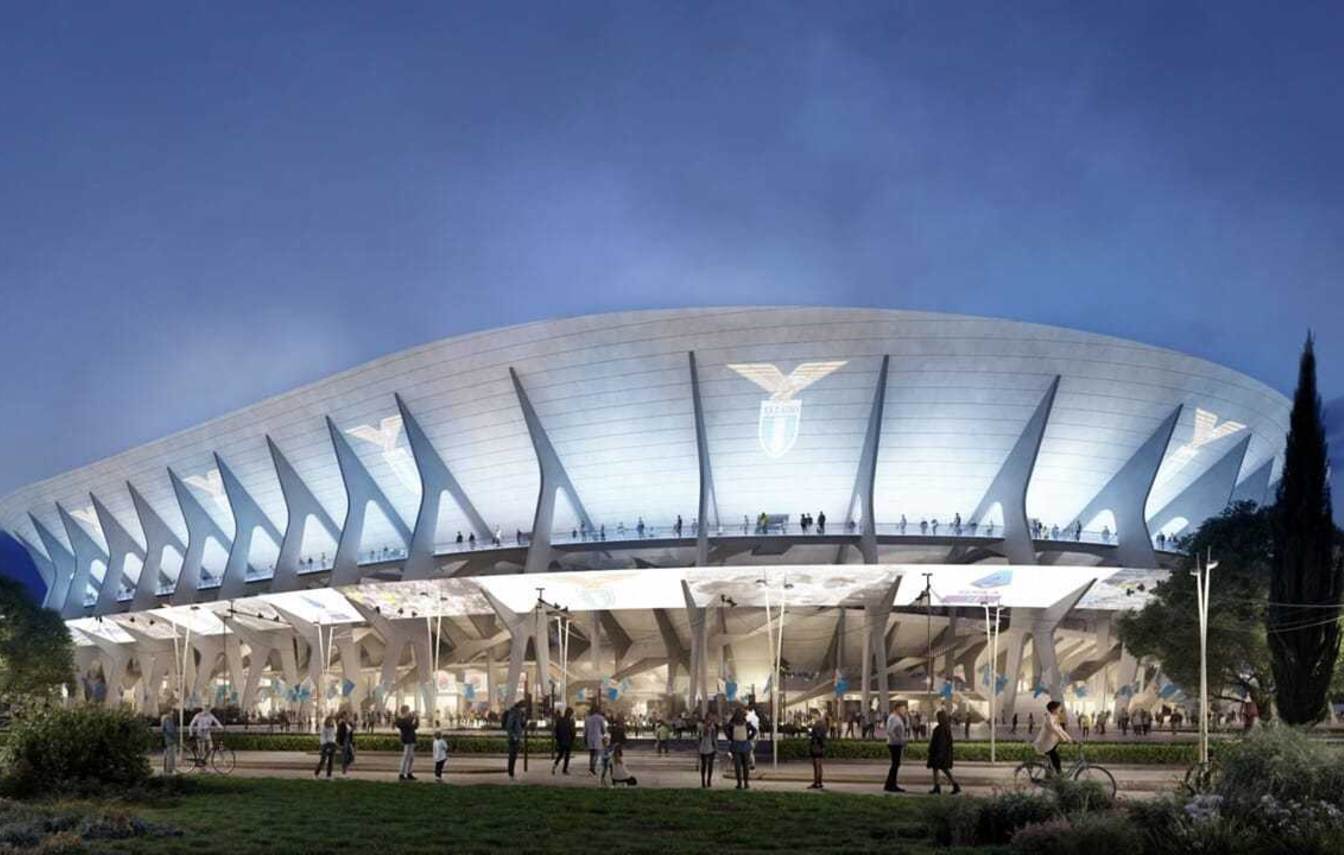 © S.S. Lazio S.S. | Lazio want to transform historic Stadio Flaminio into a futuristic 50,000-seat stadium, but architects warn the project could destroy one of Italy’s most important post-war sports landmarks.
Historic Stadio Flaminio under heritage protection
The biggest controversy stems from the fact that the stadium has been protected by the Italian Ministry of Culture since 2018. Designed by Pier Luigi Nervi for the 1960 Olympic Games, the venue is widely regarded as one of the icons of post-war sports architecture.
The Pier Luigi Nervi Foundation has openly opposed Lazio’s proposal, arguing that the redevelopment would destroy the stadium’s architectural identity. According to the foundation, the new steel structure would overshadow the historic form of the venue, disrupt the perception of Nervi’s original design and compromise the integrity of one of Italy’s most important post-war stadiums.
Particular criticism has been directed at plans to dismantle the famous roof over the west stand, which conservationists consider one of the most valuable structural elements of the stadium. Architectural organisations also argue that Flaminio should remain a smaller multi-purpose sports venue, without top-level football matches and without radical intervention in its historic form.
Claudio Lotito wants a modern Lazio stadium for Euro 2032
Lazio president Claudio Lotito sees the investment as a strategic project for the club’s future. In his vision, the new Stadio Flaminio would become Lazio’s home for decades and a candidate venue for UEFA Euro 2032. Lotito argues that the stadium’s current condition reflects years of neglect by the city. The venue has stood abandoned for more than a decade and continues to deteriorate despite being located in one of Rome’s most prestigious districts.
For Lazio, moving into a dedicated stadium would mean greater matchday revenues, full control over events and the opportunity to expand commercial infrastructure. The club believes a modern stadium is essential to improving Lazio’s sporting and financial competitiveness against Europe’s top clubs. Similar arguments are increasingly common across Italy, where several clubs are pushing stadium projects in an attempt to reduce the financial gap with teams from the Premier League and Bundesliga.
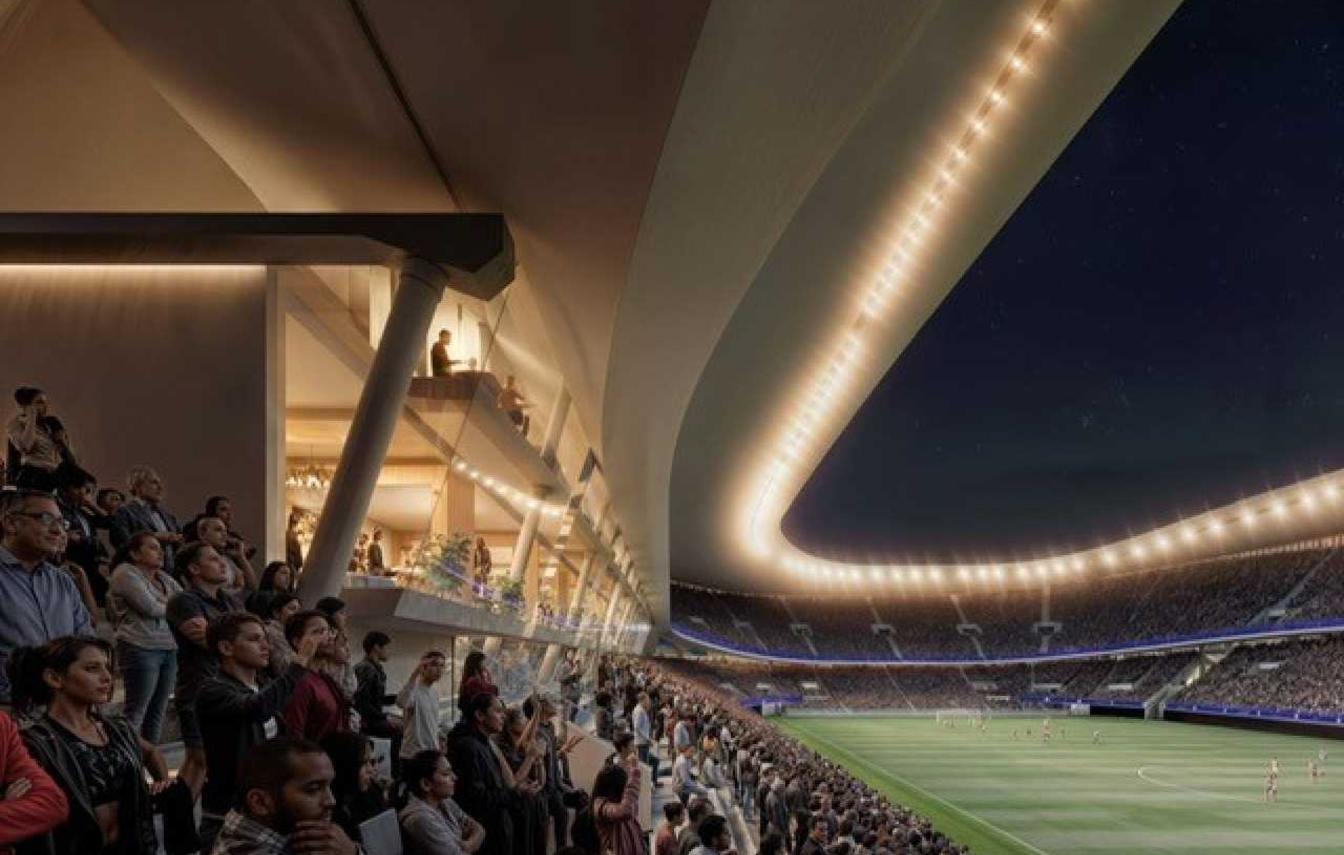 © S.S. Lazio | The proposed new stadium for S.S. Lazio has sparked huge controversy in Rome, as a massive steel structure would
 float
above historic Stadio Flaminio.
Transport concerns around Lazio’s new stadium worry residents
Transport infrastructure remains one of the biggest concerns. The Flaminio district already experiences heavy traffic generated by Stadio Olimpico, Foro Italico and several cultural venues in northern Rome. Residents and local committees warn that a stadium with more than 50,000 seats could paralyse the area on matchdays and during concerts.
Lazio’s plan relies mainly on existing infrastructure, including tram line 2, city buses and park-and-ride facilities outside the district. Critics argue that this is nowhere near sufficient for a venue of this scale. Particular concerns focus on the lack of new public transport lines and the limited number of parking spaces near the stadium.
The club has announced plans for new pedestrian routes, cycling infrastructure and additional peripheral parking areas, but many urban planners still consider those measures inadequate for such a major development.
Financing of Stadio Flaminio redevelopment still raises questions
The total cost of the project is estimated at around €480 million gross. Most of the funding is expected to come from bank loans and private investment. The plan also includes public funding for surrounding infrastructure works. In addition, Lazio is seeking a 90-year concession to operate the city-owned stadium.
Experts point out that the long-term viability of the project will largely depend on the success of its business model based on concerts, premium hospitality and commercial activity. Club officials, however, insist that the new stadium would not only become a modern home for Lazio, but also act as a catalyst for the wider regeneration of the Flaminio district.
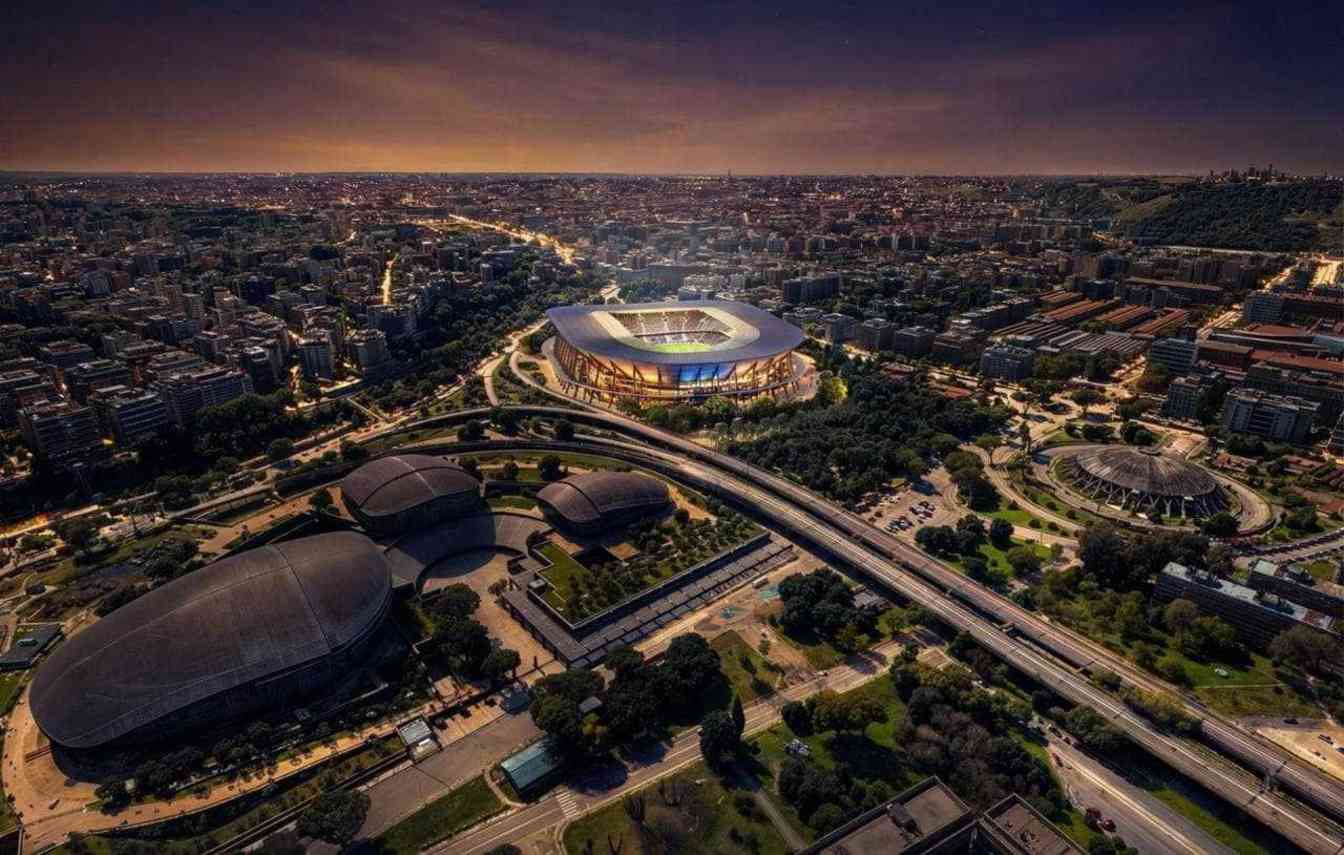 © S.S. Lazio | The redevelopment of Stadio Flaminio could become one of Italy’s most controversial stadium projects, with Lazio pushing for a Euro 2032 venue while conservationists fight to protect Pier Luigi Nervi’s architectural legacy.
The future of Stadio Flaminio now depends on the city of Rome
For now, the project remains under administrative review. The city of Rome has not yet launched the formal approval conference, as officials are still examining the documentation submitted by Lazio.
In the coming months, the positions of heritage authorities, urban planners, city officials and local residents will be decisive. Only then will it become clear whether Claudio Lotito’s ambitious vision marks the beginning of a new era for Lazio — or becomes stuck in a broader dispute over the future of one of the most significant stadiums in Italian architectural history.
Advertisement