 StadiumDB
WC 2026: Toronto Stadium renovation completed. Venue fully ready for the World Cup!
source: StadiumDB.com ; author: Paulina Skóra
 Toronto is completing its World Cup preparations, with its main stadium undergoing one of the most significant transformations in its history. The venue is set to meet global expectations and new standards. How has it changed ahead of the 2026 tournament?
Advertisement
Modernization of Toronto Stadium and capacity increase to 45,000 seats
The first phase of the renovation of Toronto Stadium, completed in 2025, included a wide range of technological and functional upgrades. The stadium was equipped with new video boards, lighting systems, and sound systems that meet the modern standards of the world’s top venues.
Food and beverage areas, VIP zones, and sponsor spaces were also expanded. An important part of the investment was improving accessibility and fan comfort – from better internal circulation to modern facilities for people with reduced mobility.
The second phase of the works focused on fully adapting the venue to FIFA requirements. The most important element was the temporary expansion of the stands, which increased the stadium’s capacity to around 45,000 spectators. Additionally, a new pitch and technical areas (team benches) were installed, and the player facilities were thoroughly modernized. New hospitality spaces were created, and broadcasting infrastructure was improved, which is crucial for global sporting events.
It is worth noting that part of the expansion – including the additional stands – will be dismantled after the tournament. However, most of the changes are permanent and will significantly raise the stadium’s standard for the future.
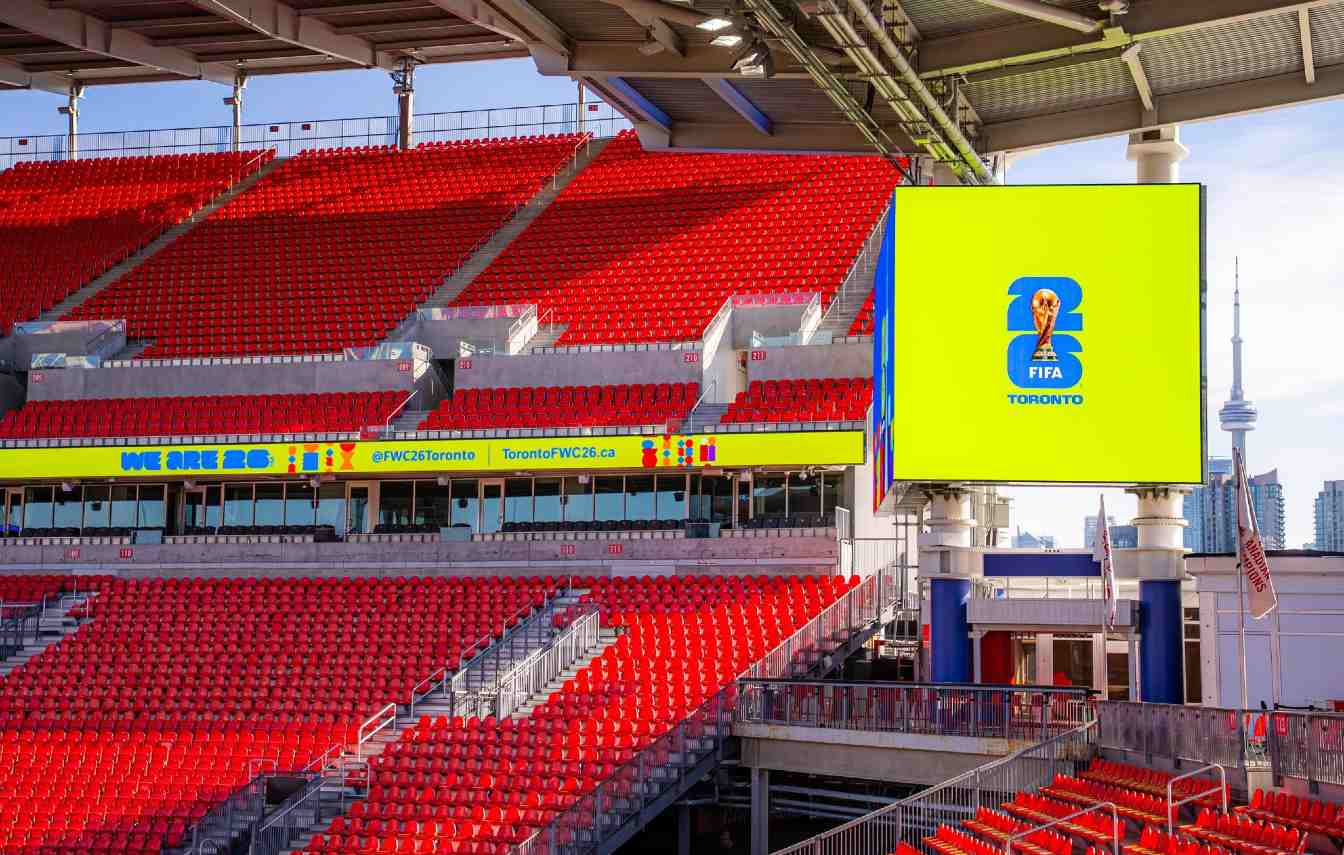 © FIFA World Cup 2026 Toronto | Toronto Stadium has been modernized to meet FIFA requirements, reaching a capacity of around 45,000 seats.
Financing of the construction and modernization of the home of clubs and Canada’s national teams
The total cost of the investment amounted to $157.9 million. The main funding was provided by the city of Toronto, which contributed $132.9 million, while Maple Leaf Sports & Entertainment added $25 million. The project is part of a long-term strategy to host major sporting and cultural events in the city. Support was also provided by federal and provincial governments, which are investing in infrastructure and logistics related to the World Cup.
On a daily basis, the stadium serves as the home venue for Toronto FC (MLS) and Toronto Argonauts (CFL). It also regularly hosts national team matches and international events. The modernization will make the venue even more versatile and attractive for organizers of sporting and entertainment events in the coming years.
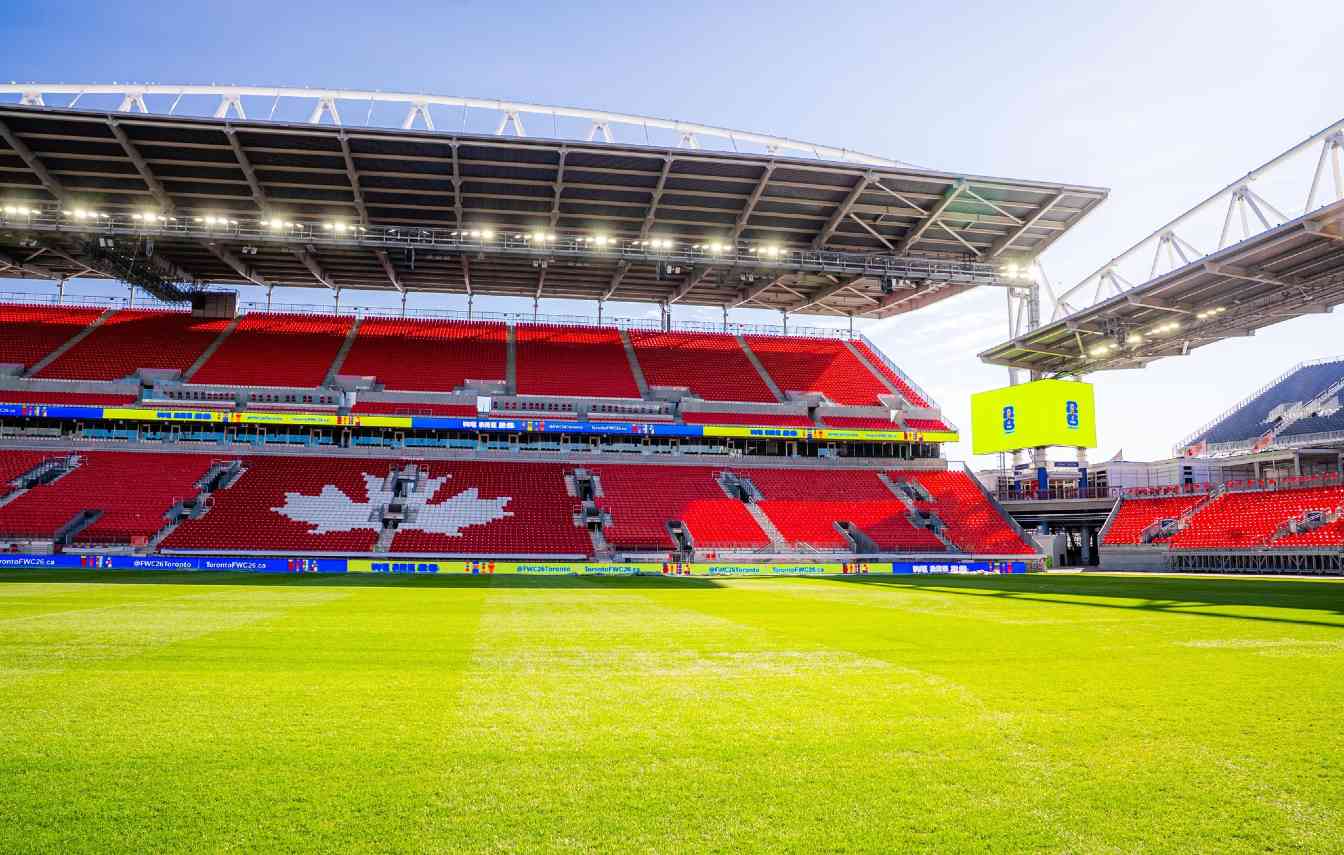 © FIFA World Cup 2026 Toronto | BMO Field, Toronto’s main stadium, underwent expansion including new stands, pitch, and player facilities.
Economic impact of the FIFA World Cup 2026 on Toronto
According to analyses prepared by Deloitte Canada, hosting the World Cup could generate up to $940 million in economic value for the Greater Toronto Area. This includes an estimated GDP increase of $520 million and the creation of more than 6,600 jobs between 2023 and 2026.
Additionally, the event will generate significant revenue from tourism, services, and commercial activities, strengthening Toronto’s position as one of the most important cities in North America.
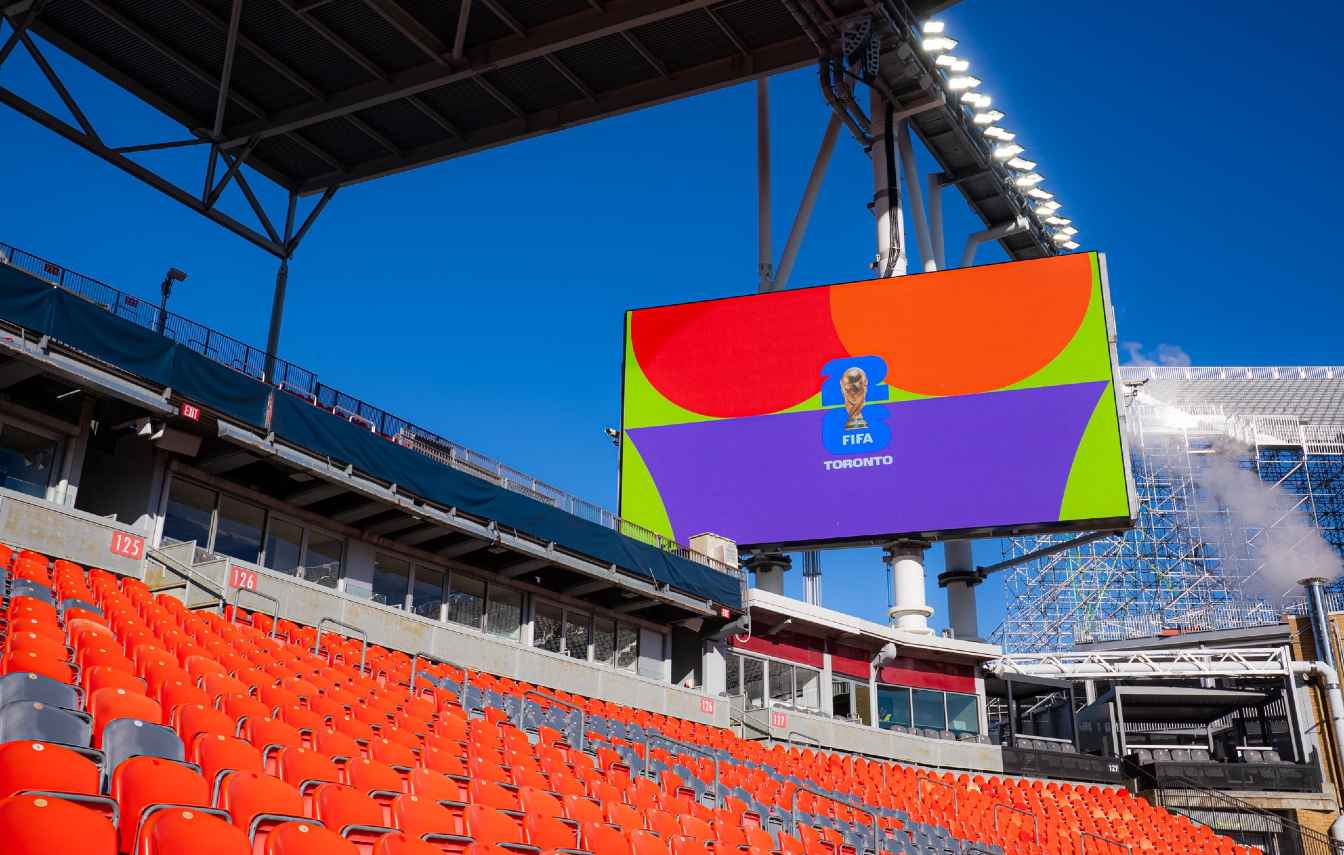 © FIFA World Cup 2026 Toronto | The total cost of the redevelopment was $157.9 million, with the majority funded by the City of Toronto.
Advertisement