 StadiumDB
USA: Rain exposed weaknesses of Hard Rock Stadium. Trouble during Miami Open
source: StadiumDB.com ; author: Jakub Ducki
 The Miami Open tournament was supposed to be a showcase of a modern approach to organizing major events. Instead, heavy rains showed that playing tennis in a football stadium brings immense technical problems, causing chaos.
Advertisement
Major relocation and price of flexibility
Since 1987, the Miami tournament had been associated with the charming Crandon Park on the island of Key Biscayne. However, that location had its issues, led by a single access road that generated massive traffic jams. Therefore, in 2018, Miami Dolphins owner Stephen Ross signed a thirty-year agreement, moving the event to his massive stadium. The venue first underwent a $500 million renovation, and then another $70 million was pumped into it to adapt it to tennis requirements.
The stadium is primarily used for NFL and soccer matches. And it is soccer that will be on everyone's lips during this year's World Cup. Supporting your team provides even more excitement when you can win something yourself. Because of this, a large number of fans use World Cup betting, getting the best offer for new players.
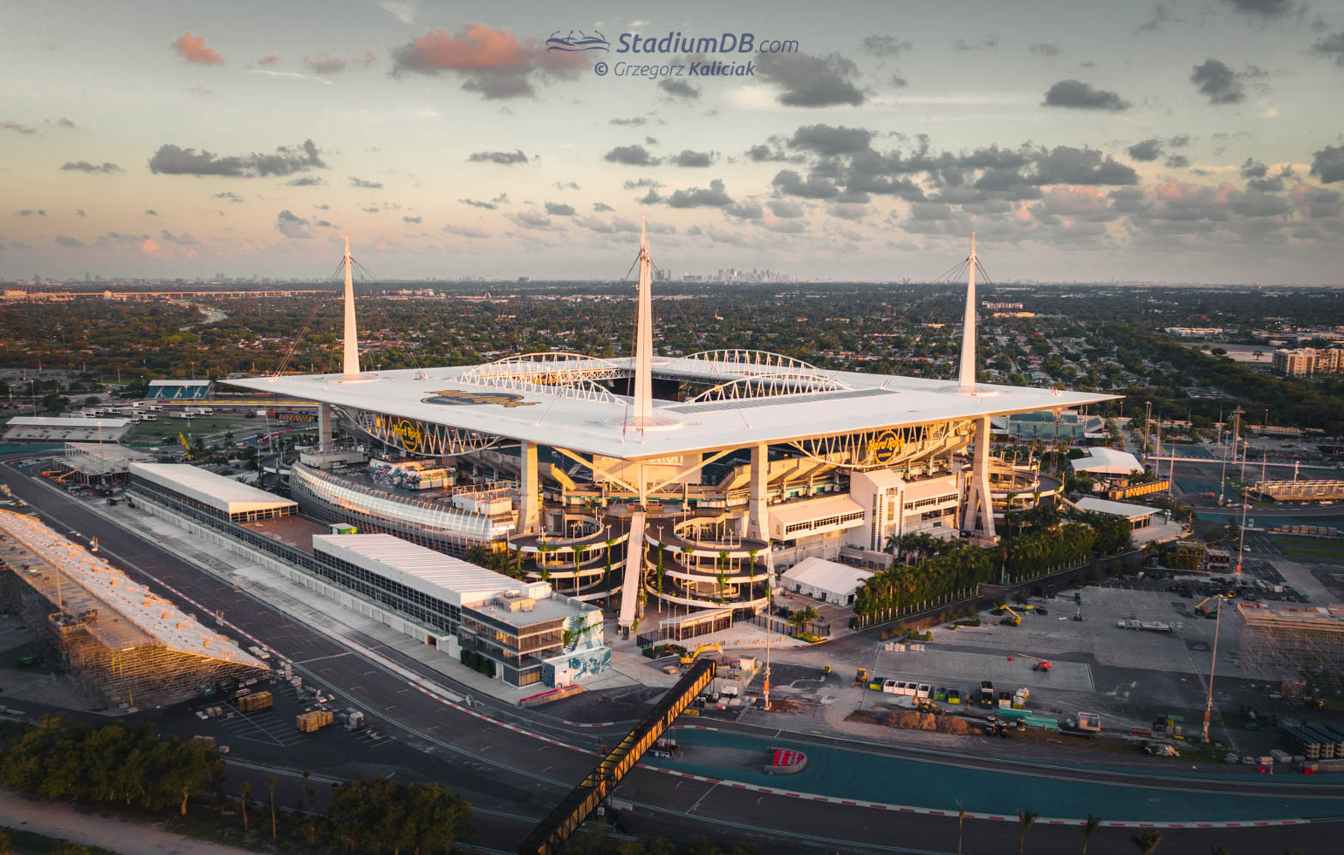
An impressive, permanent complex of side courts was built on the former parking lots. The biggest attraction, however, is the center court, temporarily erected in the very heart of Hard Rock Stadium. This solution makes a huge visual impact, but in the face of capricious Florida weather, it turned out to be an engineering trap this year.
 ©
© Weather paralyzes competition
The temporary court on the pitch has one massive flaw: a significantly worse water drainage system than venues built from scratch specifically for tennis. When heavy rains and a relentless drizzle rolled over Miami, the tournament came to a standstill. In just one day, organizers had to cancel 37 matches across ten different courts. Getting back to play after the rainfall took an eternity, because the artificial arena inside the stadium simply could not get rid of the water quickly.
The scheduling chaos forced drastic and somewhat controversial steps. Organizers had to move defending champion Aryna Sabalenka from the stadium court to a much smaller, third-largest venue to play her match against Ann Li. This was done to free up the main arena for the evening session featuring Carlos Alcaraz and Joao Fonseca. The Belarusian player did not hide her surprise at the press conference, directly suggesting that the men's matches could have simply been delayed instead of kicking her off the main court.
 ©
© Does big tennis need roofs?
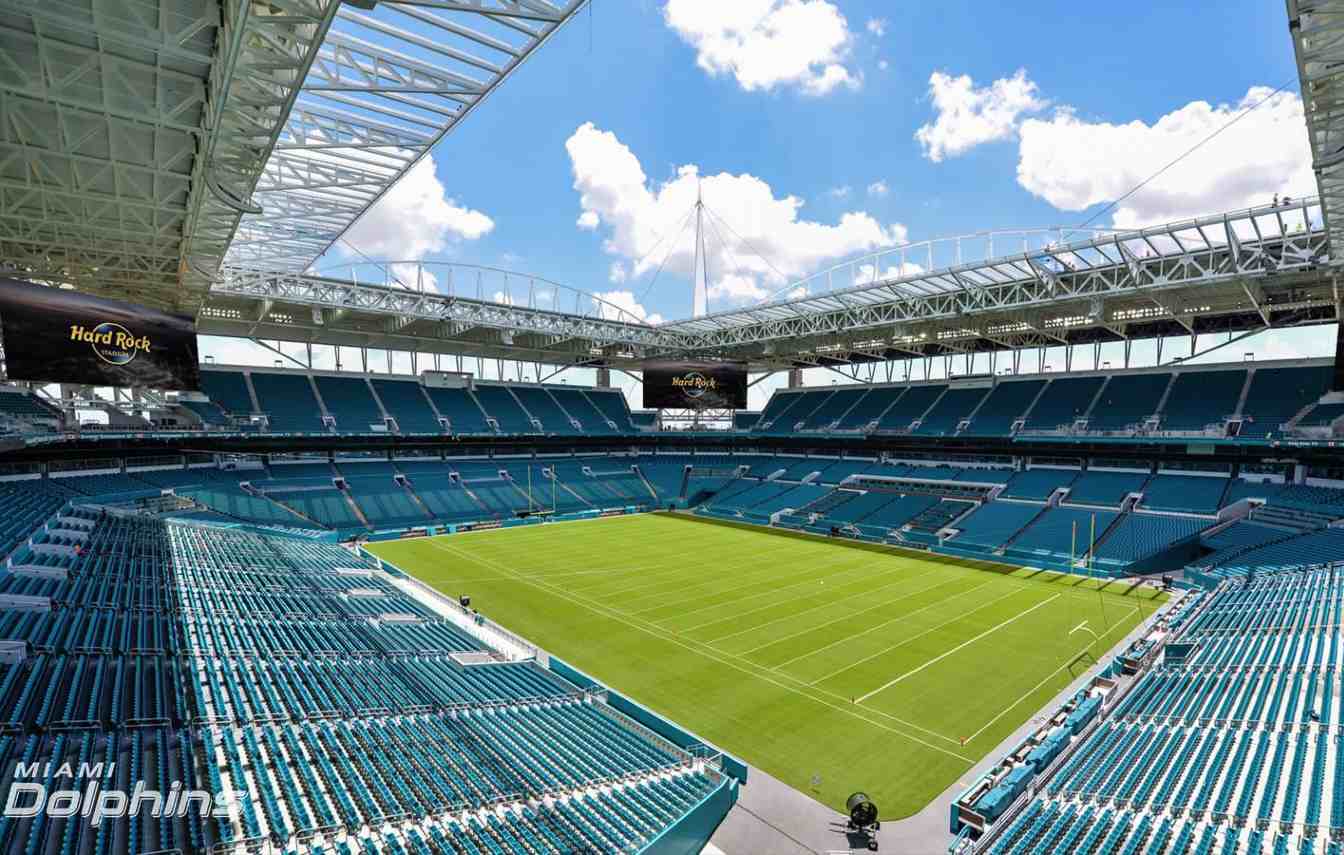
Interestingly, none of the four major Masters 1000 tournaments organized in North America has a fully retractable roof. The roof over the stands of Hard Rock Stadium protects fans from the sun but deliberately leaves the center open to maintain the raw, tropical climate of an NFL venue. Such a strategy is not uncommon in the world of American football. Even Jessica Pegula's family, who is currently building a new stadium for the Buffalo Bills in the snowy state of New York, opted out of a roof to maintain their open-field home advantage.
However, what works perfectly in football can sometimes be a nightmare for tennis. The open, rain-soaked center court of the Miami Open served as a painful reminder this week to fans and players alike of what this giant stadium was built for, and what it simply was not.
Advertisement