 StadiumDB
Spain: Betis cuts stadium costs – Villamarín to be built for under €270m
source: StadiumDB.com ; author: Paulina Skóra
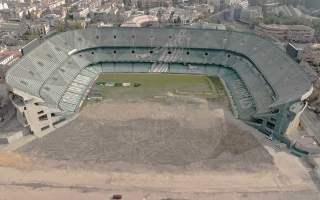 The redevelopment of Estadio Benito Villamarín was meant to be one of the largest stadium projects in Spain, but it quickly collided with the realities of the construction market. Real Betis had to rethink its approach to keep the project alive. How was a compromise finally reached?
Advertisement
Estadio Benito Villamarín project proves more expensive than expected
The original plan for the renovation and expansion of the Estadio Benito Villamarín included not only a new Preferencia stand, but also a multi-purpose venue and a full stadium roof. The total cost was initially estimated at around €160 million, but market conditions quickly challenged those assumptions.
In the first tender, the only bid came from FCC, which priced the project at around €270 million – more than €100 million above the initial budget. Other proposals also exceeded expectations: Sacyr offered around €240 million (without the roof), while FCC maintained its higher valuation. Faced with this situation, the club halted the process and opted for a full redesign of the project.
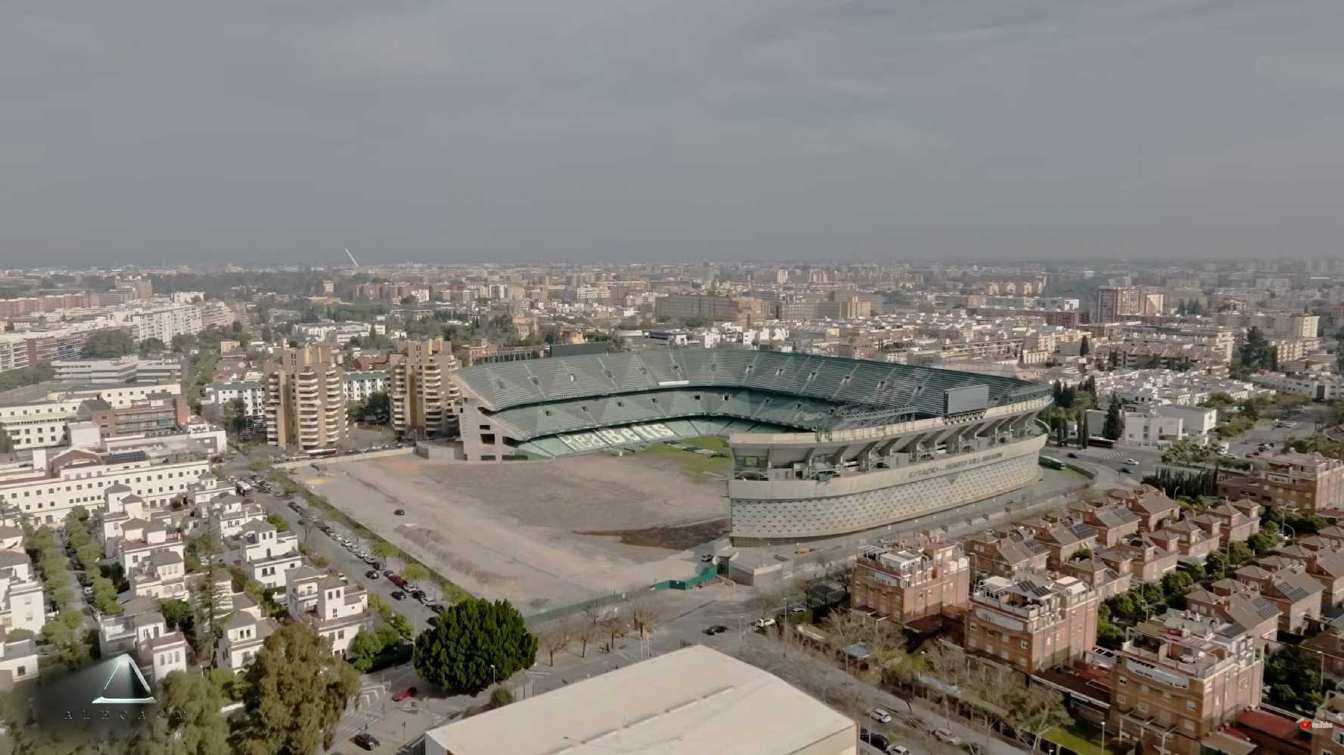 © Alecaom | The initial cost of redeveloping Estadio Benito Villamarín was around €160 million, but contractor bids reached up to €270 million.
Redesign without changing the visual concept
A turning point came with the involvement of Acciona, which presented the most realistic proposal and entered into a co-design process with the club. This model, widely used in Anglo-Saxon markets, allows the investor and contractor to jointly optimize the project, seeking cost reductions without altering its core concept.
This approach made it possible to realign the investment with the target budget. Importantly, the process remains open – both sides can continue to identify further efficiencies, potentially leading to additional savings during construction.
Despite structural changes, fans of Real Betis are unlikely to notice major visual differences. The club emphasizes that the architectural design by Rafael de la Hoz, developed in cooperation with Gensler, remains largely intact. Adjustments focus mainly on invisible
aspects such as construction methods and material selection. One key decision was to abandon the planned double-membrane roof, considered unnecessary from a functional standpoint.
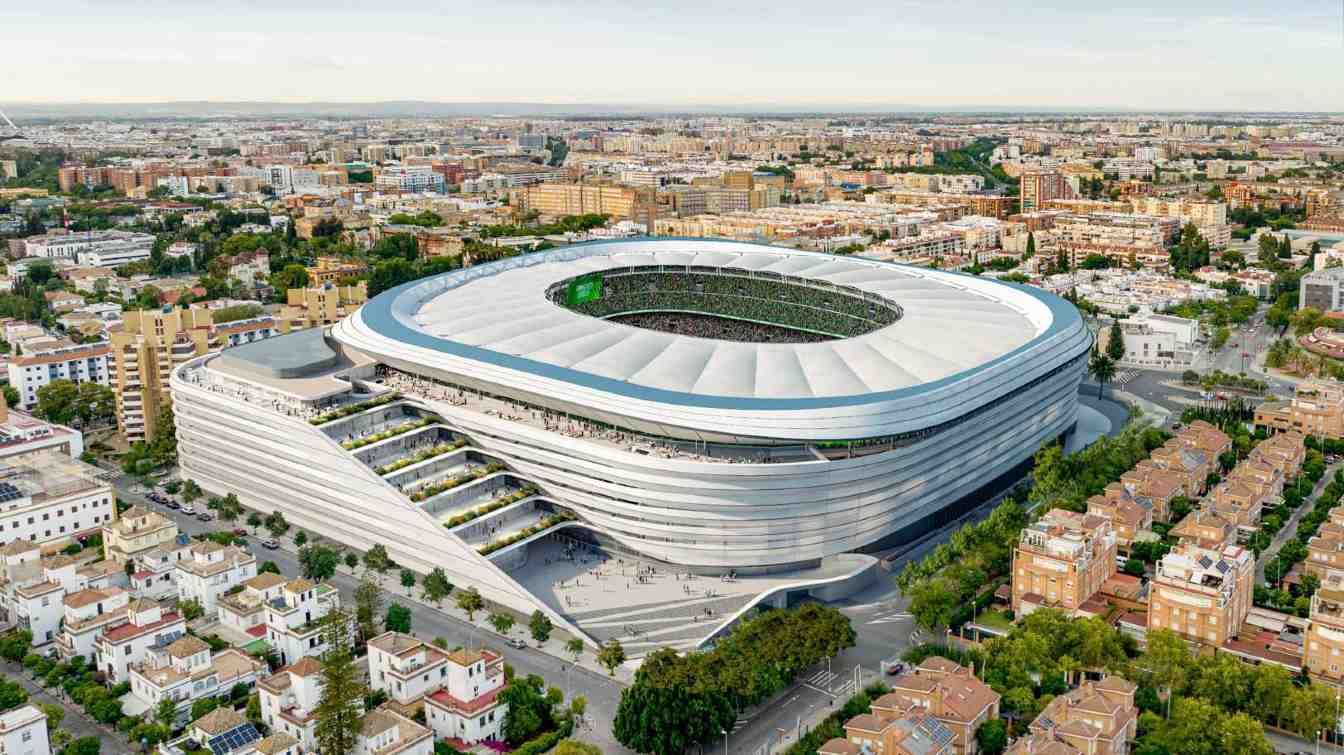 © Real Betis Balompié | Real Betis entered into cooperation with Acciona using a co-design model to adjust the project to the available budget.
Prefabrication and cost-efficient materials
A central element of the revised strategy is the use of prefabrication. Many structural components will be produced off-site and then transported and assembled at the stadium. This approach helps reduce costs and shorten construction time while maintaining quality standards. The club insists that savings will not come at the expense of the stadium’s overall standard.
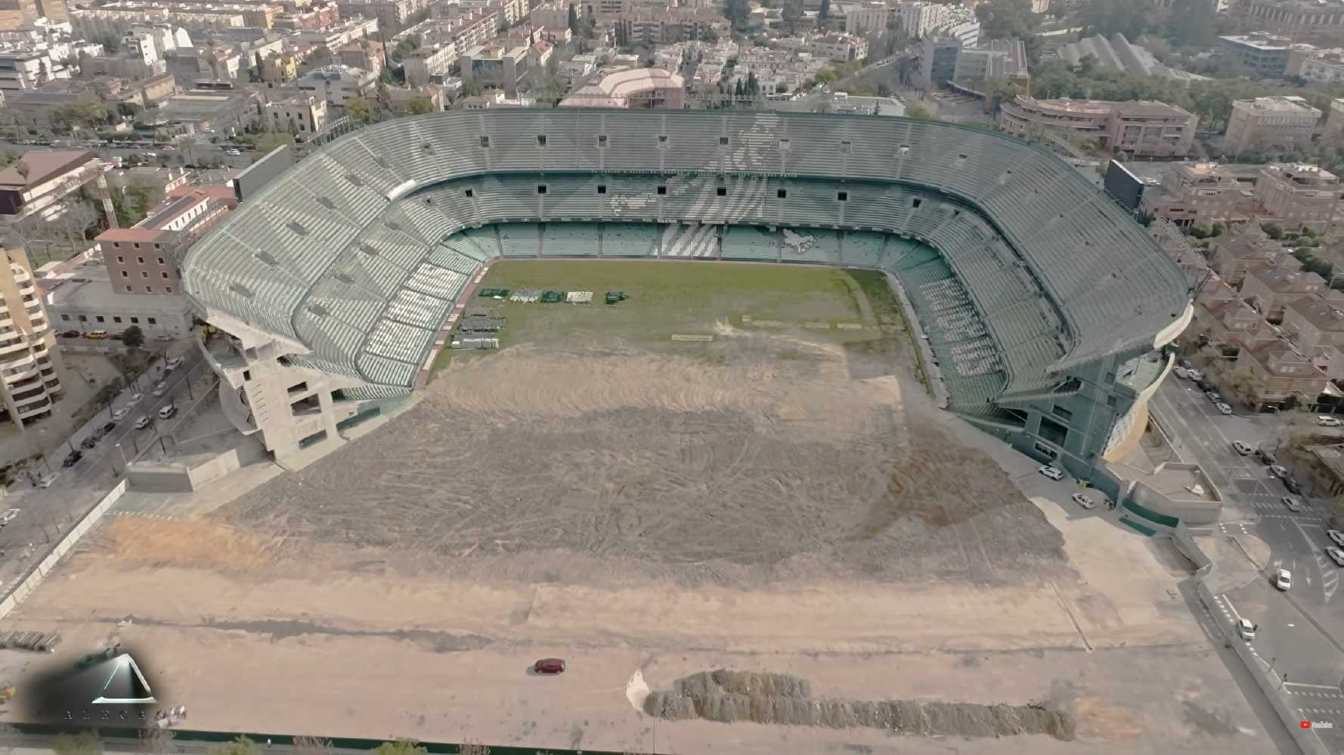 © Alecaom | Cost savings are to be achieved through prefabrication and changes in construction technologies and materials, without significant visual changes to the project.
Financing without increasing debt
Maintaining financial stability has been a priority for Real Betis throughout the project. The club had secured funding aligned with the original budget, partly through the CVC Capital Partners agreement, but was unwilling to significantly increase spending.
Had the original design been maintained, costs would have risen by more than €100 million, potentially putting pressure on the club’s finances. The revised plan allows Betis to avoid that scenario and retain control over the investment.
Advertisement