 StadiumDB
USA: Investment firm nets $20 million from Pawtucket soccer stadium refinancing deal
source: StadiumDB.com ; author: Paulina Skóra
 An investment firm has walked away with an estimated $20 million profit from the financing of Pawtucket’s new soccer stadium, following a refinancing deal that local and state officials argue will ultimately save taxpayers money. The firm, New York–based Rosemawr Management, specializes in high-risk municipal bonds. It realized its profit last month when the Pawtucket Redevelopment Agency bought back a $54 million bond that Rosemawr had originally purchased in early 2024.
Advertisement
A risky bet that paid off
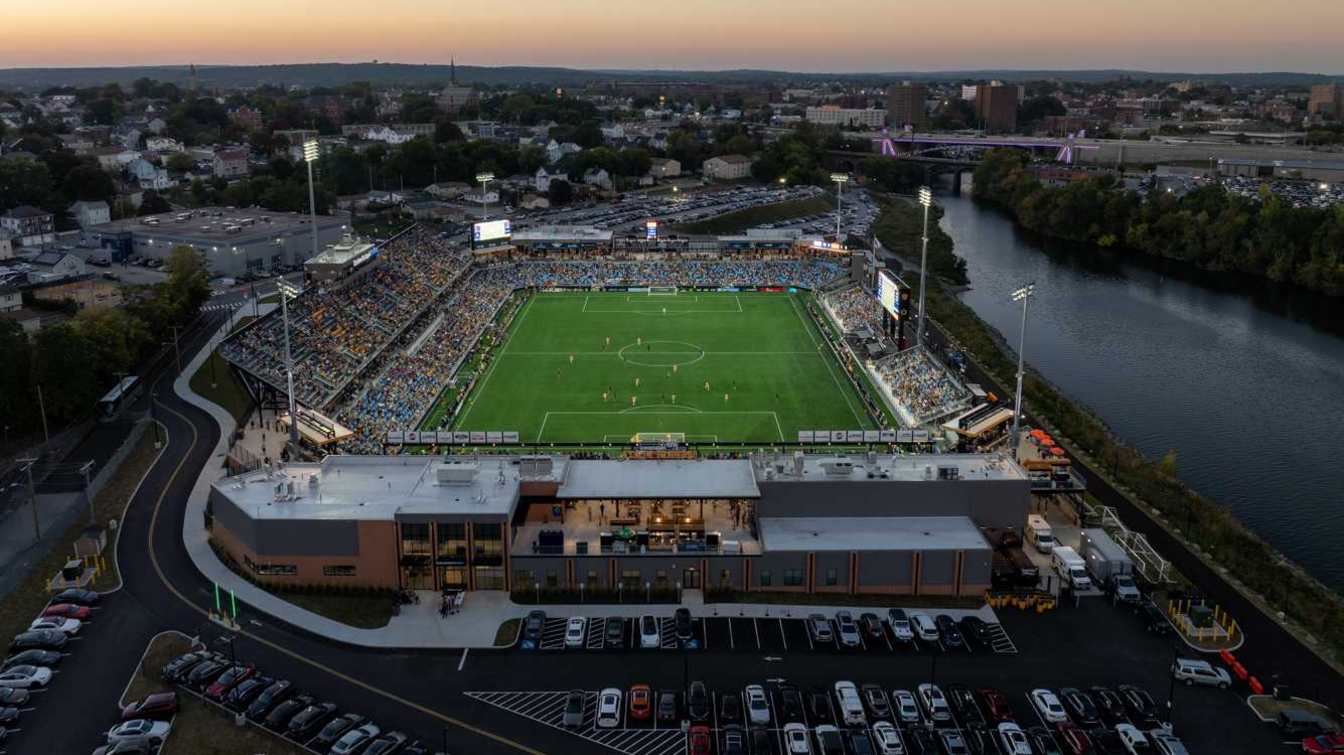
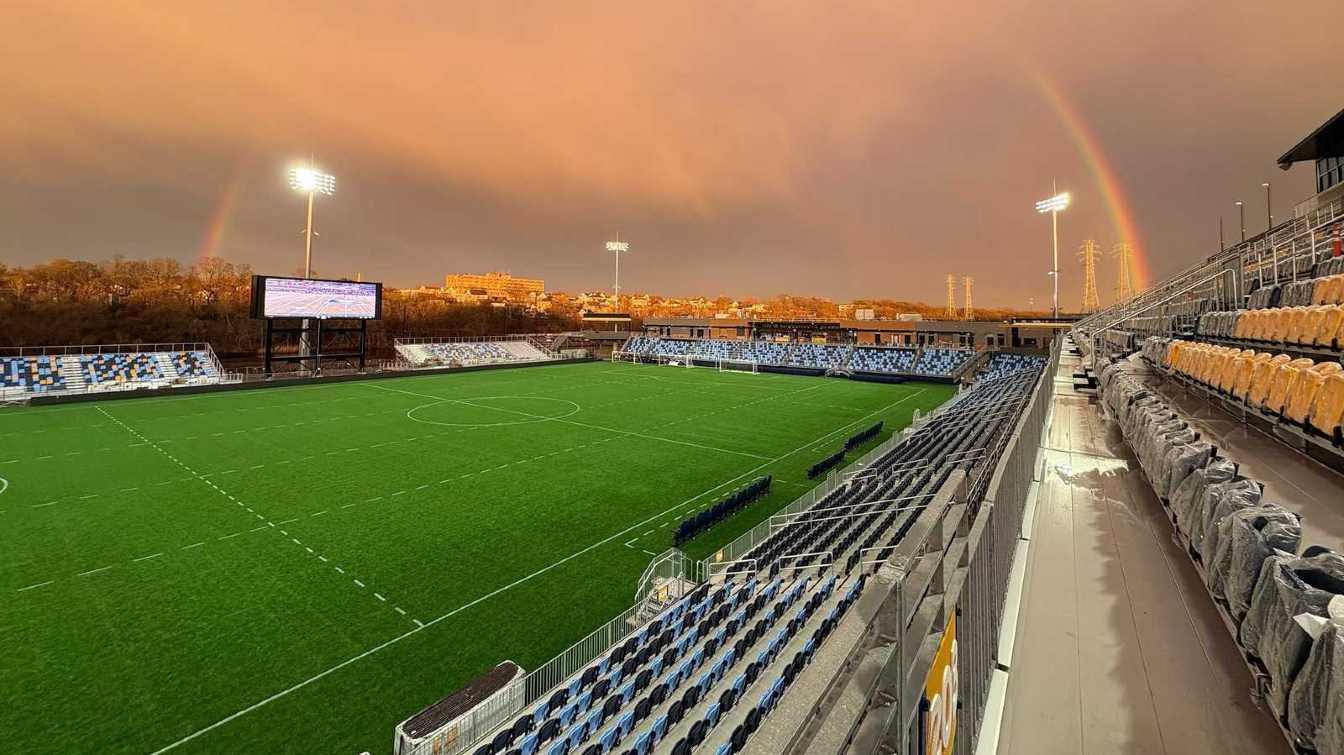
Rosemawr stepped in at a critical moment for the $130 million USL Championship soccer stadium being built along the Seekonk River. In late 2023, private financing for the project dried up and construction stalled, threatening the future of the development. Rosemawr purchased the bond at that stage, taking on a significant level of risk while the stadium was still unfinished.
That gamble proved lucrative. With the stadium now completed and operating as the home of Rhode Island FC, Rosemawr was able to exit the deal after just two years, securing a sizable return on its investment. Fans often look for other forms of entertainment that aren’t necessarily related to their favorite sport, and one of the most popular options is definitely casino games, such as those offered at sc casinos, where you can find a selection perfectly suited to your preferences.
 ©
© Why Pawtucket agreed to pay a premium
City and state budget officials defend the decision to buy back the bond at a premium, arguing that the long-term financial picture favors taxpayers. With the Centreville Bank Stadium now built and generating activity, the project is considered far less risky, allowing the city to refinance the debt at lower interest rates.
Mayor Donald Grebien proposed the refinancing plan, which was approved by the Pawtucket City Council last month. City officials say the higher upfront cost will be offset by reduced borrowing costs over time. The refinancing of the stadium bonds resulted in millions of dollars in savings to Rhode Island taxpayers,
Pawtucket spokesperson Jennifer Almeida said in a statement.
According to bond documents and a state financial analysis, the refinancing is expected to save taxpayers approximately $15 million over the bond’s nearly 30-year lifespan. Under the new terms, taxpayers are projected to spend about $114 million in total—covering principal, interest and other debt-service costs—to repay the $54 million bond through 2053. Under the previous arrangement, that figure would have reached roughly $132 million.
 ©
© Controversy over construction costs
Despite the projected savings, the financing structure has drawn criticism. Of the bond proceeds, only about $27 million was used directly for stadium construction. The remainder was initially intended to support housing development around the stadium site.
The project’s developer, Fortuitous Partners, originally said the housing component would be funded with those dollars. However, by spring 2022, the developer argued that inflation and rising construction costs had made the original plan unworkable. In a highly contentious move, Governor Dan McKee cast the deciding vote to redirect taxpayer-backed funding away from housing and toward covering escalating stadium costs, a decision that continues to spark debate among lawmakers and residents.
 ©
© How repayment will work
Repayment of the refinanced bond will begin in June, with taxpayers contributing roughly $1.4 million per year at first. Annual payments will then rise sharply to about $4.2 million from 2028 through 2053. To fund these payments, lawmakers in 2019 created a special tax district encompassing neighborhoods around the stadium—before it was even built. The idea was that increased economic activity tied to the stadium would generate additional tax revenue.
Taxes collected within the district, including sales taxes, personal income taxes and business corporate taxes, are earmarked for bond repayment. Each year, the Rhode Island General Assembly must formally appropriate the funds, and legislators retain the authority to cover any revenue shortfalls if collections fall short of projections.
The approach is designed to protect residents and businesses outside the district from bearing the cost of a stadium that primarily benefits Pawtucket. However, critics note that it also diverts tax revenue that could otherwise support statewide priorities such as education, road maintenance and bridge repairs. According to bond documents, the special tax district currently generates approximately $8.8 million annually, a figure officials say is sufficient to meet the stadium’s debt obligations—at least for now.
Advertisement