 StadiumDB
Spain: Time is running out and Spotify Camp Nou capacity remains unchanged
source: StadiumDB.com ; author: Paulina Skóra
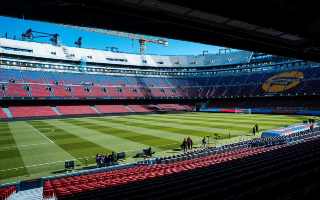 Time is running out for FC Barcelona, yet Spotify Camp Nou’s capacity remains unchanged. The long-awaited expansion to 62,000 seats is still pending administrative approval, while technical setbacks and licensing issues continue to delay the next phase of reopening. With key matches approaching, pressure is mounting on both the club and city authorities to resolve the situation quickly.
Advertisement
Spotify Camp Nou capacity still limited
One of FC Barcelona’s key objectives is to increase the stadium’s capacity to 62,000 seats as part of the third reopening phase. However, that step requires obtaining the 1C licence, which depends on meeting a series of technical and safety requirements. According to local media reports, the city authorities will not grant approval either for the match against Levante (22 February) or for the fixture with Villarreal (28 February).
Part of the delay is linked to technical issues related to the ongoing renovation of Spotify Camp Nou. In recent weeks, there has been widespread discussion about the unfinished VIP area installation and infrastructure shortcomings exposed during heavy rainfall. During one match, sections of the stands were flooded, creating organisational disruption and an image problem for the club.
In addition, videos circulating on social media have highlighted shortcomings in cleanliness and security arrangements inside the stadium. At a time when Barcelona is pursuing the 2030 World Cup final and the 2029 Champions League final, such images complicate discussions with city officials.
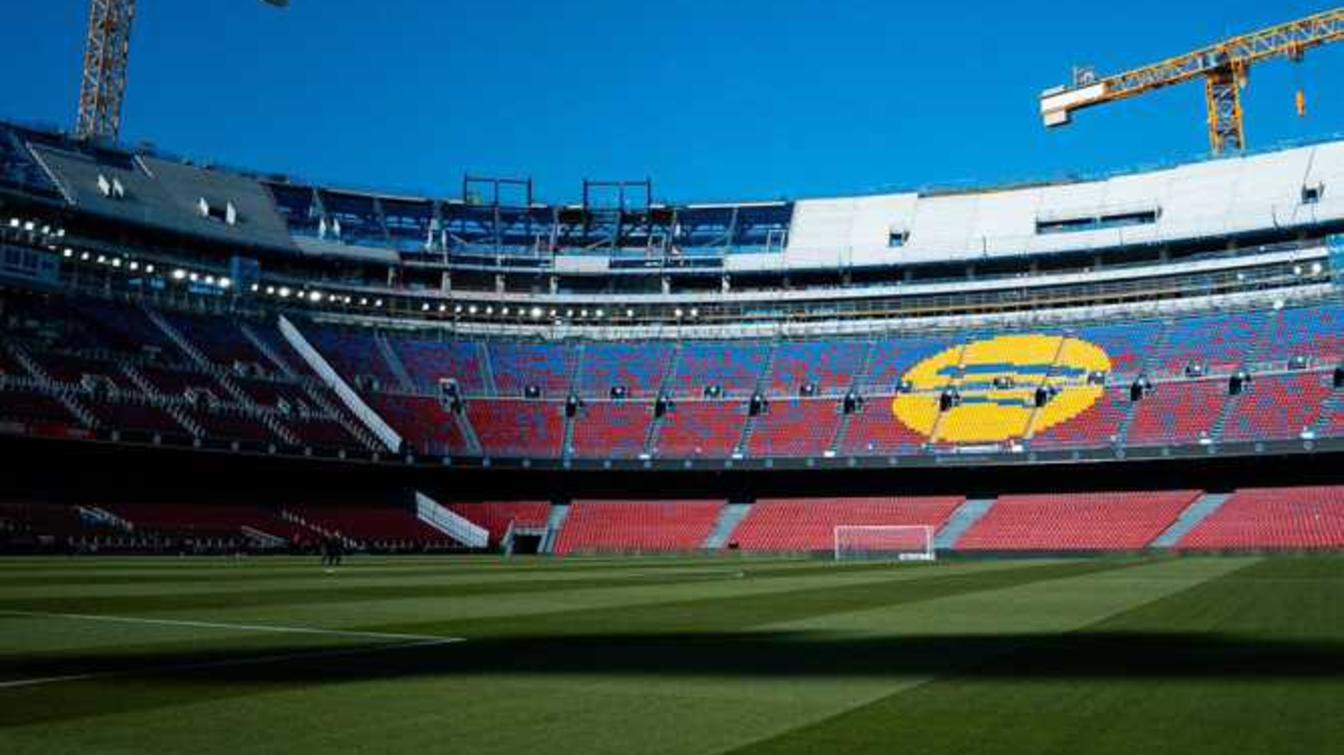 © RCD Mallorca | The wait for the Camp Nou capacity to be increased is reminiscent of a prolonged return to the stadium, which was only successfully completed in November 2025.
Bureaucracy and paperwork slow next phase of works at Camp Nou
Special attention is on the Copa del Rey second leg against Atlético de Madrid, scheduled for 3 March. After a heavy 0–4 defeat in the first match, the team will need full backing from the stands to attempt a comeback. Expanding capacity by an additional 17,000 seats — mainly in the Gol Norte stand — could significantly affect the atmosphere. At present, that section remains closed, clearly visible during broadcasts and impacting the overall perception of the spectacle.
One of the main obstacles is the lack of complete documentation required for the 1C licence. The procedure demands approval from municipal technicians, the fire brigade, civil protection services and the police. Media reports also point to misunderstandings concerning the organisation of emergency exits. Questions were raised over whether all gates needed to be physically open or merely unlocked. Although the issue has reportedly been clarified, it revealed a lack of full coordination between the club and the authorities.
Camp Nou renovation and elections at FC Barcelona
The delays in expanding stadium capacity coincide with the club’s pre-election period. President Joan Laporta has publicly expressed frustration with the prolonged process, stating that the licence should have been granted at the beginning of January.
For the club’s leadership, securing approval for 62,000 spectators is not only a sporting matter but also one of image and finances. In a decisive stage of the season, every detail — from the atmosphere in the stands to matchday revenue — could influence the broader Espai Barça project, scheduled for completion in 2032.
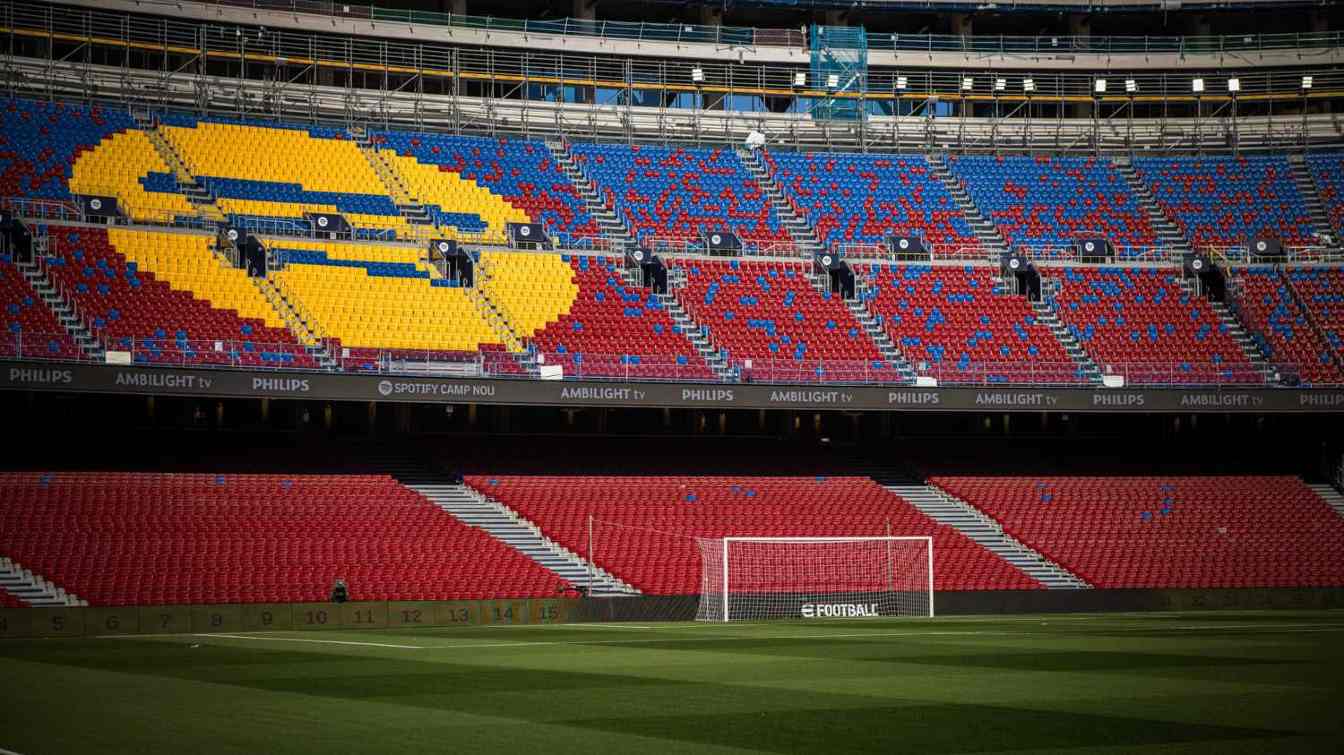 © RCD Mallorca | FC Barcelona hopes to welcome over 60,000 fans for the Copa del Rey second leg against Atletico Madrid.
Advertisement