 StadiumDB
Morocco: Rabat as the capital of sports – from AFCON 2025 to the 2030 World Cup
source: StadiumDB.com; author: Paulina Skóra
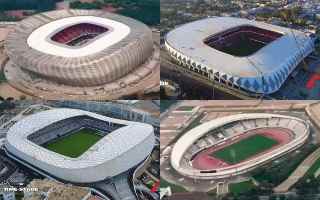 Morocco is experiencing a true infrastructure boom due to hosting major tournaments. Rabat, the country’s capital, has become the epicenter of these preparations — here are four modern stadiums that will play a key role not only during the Africa Cup of Nations (AFCON) 2025 but also in the 2030 World Cup.
Advertisement
A first-ever tournament at this time
AFCON 2025 will be the 35th edition of the African Cup of Nations organized by the Confederation of African Football (CAF). It will be the second time Morocco hosts it, after 1988. Due to the expansion of the FIFA Club World Cup to 32 teams, scheduled for June and July 2025, this edition of the tournament will take place from December 21, 2025, to January 18, 2026. For the first time, the tournament will occur during the Christmas and New Year period. AFCON 2025 matches will be held at nine venues across six cities.
Rabat’s gem – Stade Prince Moulay Abdellah
The most spectacular venue in Rabat is undoubtedly Stade Prince Moulay Abdellah, which was fully renovated and inaugurated on September 4. On that day, the crown prince, Moulay Hassan, officially opened the stadium alongside the project staff. The following day, the stadium was officially inaugurated with a match between Morocco and Niger. Tickets for the match sold out instantly.
Stade Prince Moulay Abdellah, one of the largest stadiums in the tournament, can accommodate over 68,000 spectators. It exemplifies Morocco’s philosophy of combining modernity with tradition. Built on the site of the old 1983 stadium, the modern version was designed according to strict FIFA standards and includes architectural elements reflecting local identity. The stadium is the centerpiece of a larger sports complex that also houses an indoor arena, an Olympic swimming pool, and extensive training and technical facilities. After the renovation, the stadium now has modern stands, a hybrid pitch, and improved communication solutions. During AFCON 2025, it will host the opening match, two additional group matches, a Round of 16 game, a quarter-final, a semi-final, and the grand final.
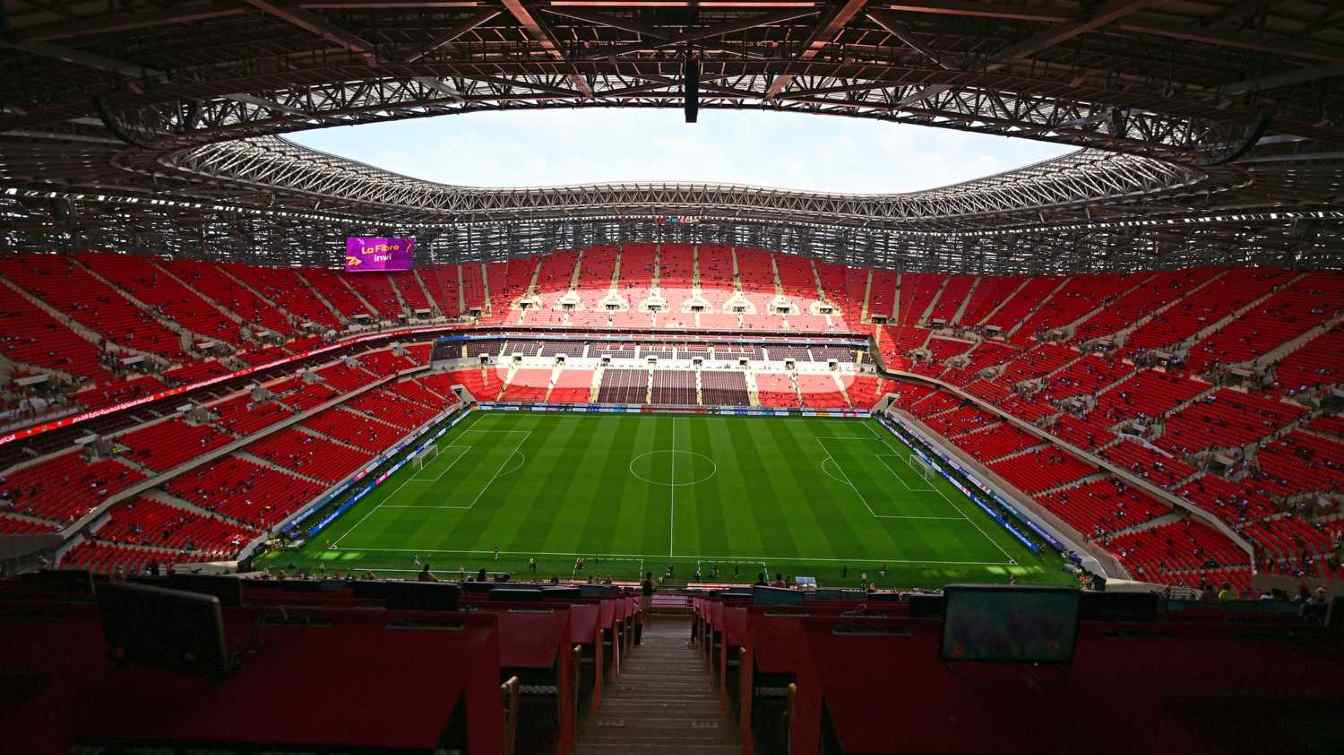 © TotalEnergies Africa Cup of Nations | Stade Prince Moulay Abdellah
Three smaller but equally important venues
Adjacent to the main stadium is Stade Olympique de Rabat, a modern venue with 21,000 seats, forming part of the Moulay Abdellah complex. Built in just nine months, it opened on May 25 during the prestigious Meeting International Mohammed VI. Designed as a multifunctional stadium, it meets international athletics standards while providing full football infrastructure. AFCON 2025 will host three group stage matches here, and the stadium will also serve for youth tournaments, academic events, and women’s competitions — demonstrating its role beyond the tournament itself.
Rabat also has two yet crucial stadiums — Moulay El Hassan and Al Barid — complementing the AFCON 2025 infrastructure. Stade Moulay El Hassan, located in the city center and home to FUS Rabat, accommodates 22,000 spectators. Though smaller than the monumental Moulay Abdellah, it has long hosted international youth and women’s matches. Its renovated version is officially included in FIFA’s certified stadium network. During AFCON 2025, it will host three group stage matches and one Round of 16 game.
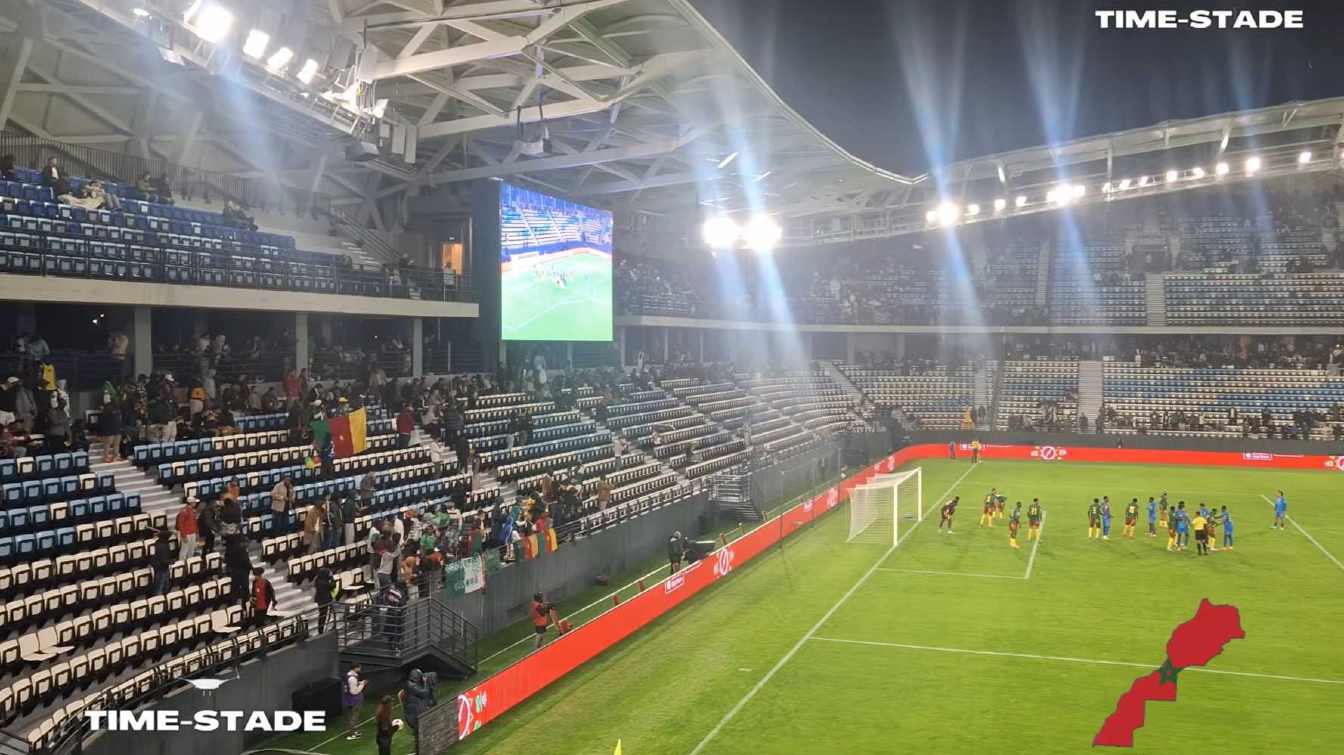
Al Barid Stadium, located in the Touarga district, combines infrastructure modernization with urban renewal. Built on the site of the former Union Touarga Sports stadium, its new version has a capacity of 18,000 and serves both clubs and national teams during international tournaments. It is one of Rabat’s four AFCON 2025 venues, hosting three group stage matches and one Round of 16 game.
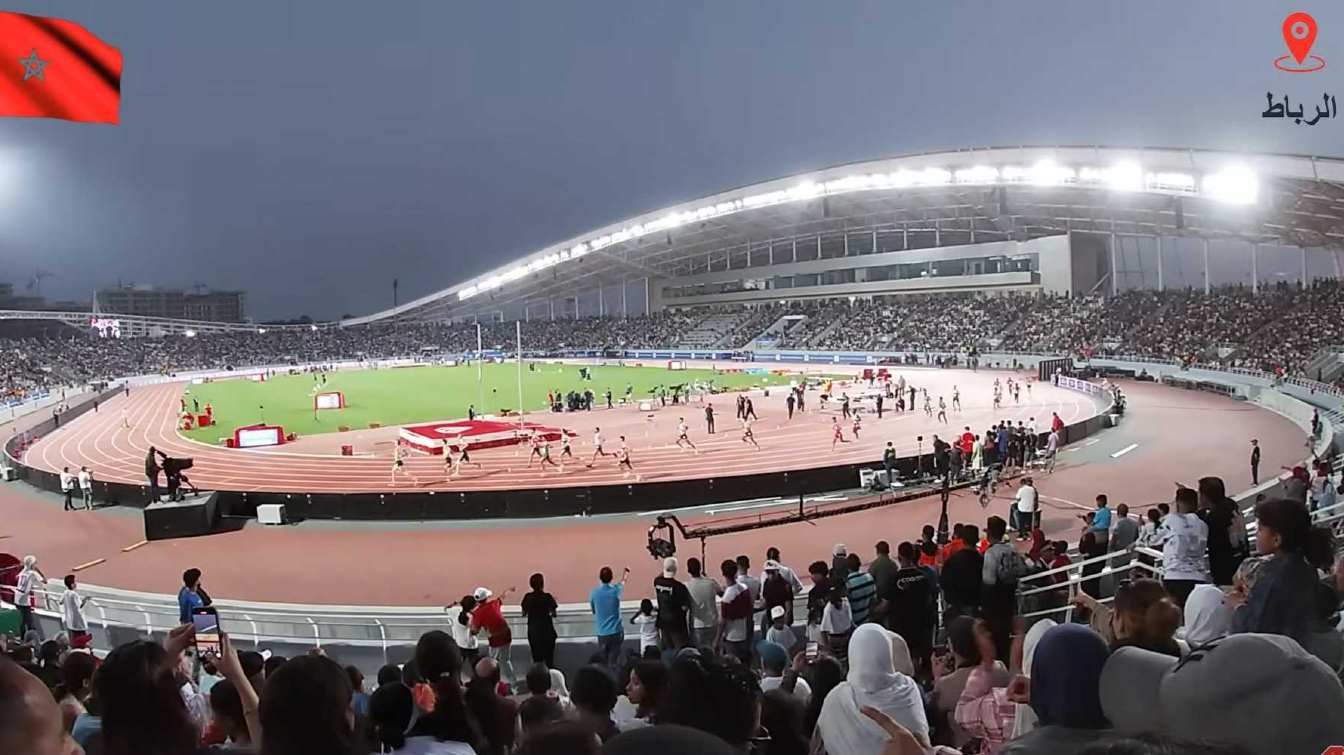 © قف | Stade Olympique de Rabat
Both Moulay El Hassan and Al Barid were officially inaugurated on November 13 during the African qualifiers for the 2026 World Cup, highlighting the event’s significance. Two high-stakes matches were played: Nigeria vs. Gabon at Moulay El Hassan and Cameroon vs. Democratic Republic of the Congo at Al Barid. This provided an ideal opportunity to showcase the fully renovated, modern stadiums in action with full attendance and the competitive atmosphere of World Cup qualifiers. Thanks to this, Rabat has strengthened its position as one of Morocco’s and Africa’s key sports hubs, with infrastructure ready for AFCON and future global events, including the 2030 World Cup.
Rabat preparing for the most important event in its history
For the 2030 World Cup, Rabat will be one of the key host cities. Morocco, jointly hosting the tournament with Spain and Portugal, treats its World Cup participation as the culmination of a long-term investment strategy. The FRMF federation and government authorities emphasize that Rabat will serve not only as a match venue but also as the operational, media, and logistical center. The city already hosts or has renovated management structures to oversee FIFA standards through the Maroc 2030 Foundation, coordinating projects and maintaining infrastructure.
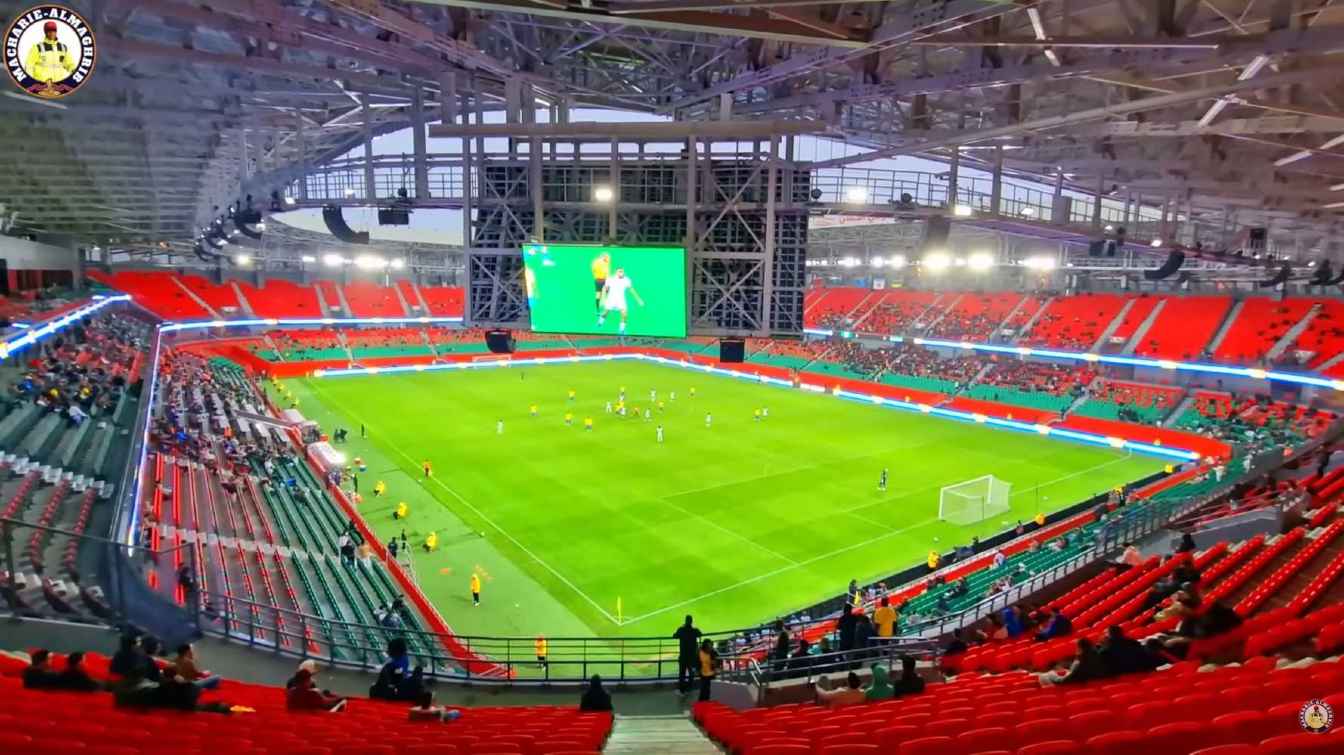 © MACHARIE-ALMAGHRIB | Stade Moulay El Hassan
Among Rabat’s stadiums, Stade Prince Moulay Abdellah plays the leading role — it is approved as one of the main tournament venues, hosting knockout phase matches. Its capacity, technical facilities, and previous experience with top-level events meet FIFA’s strict requirements. Alongside Casablanca, Marrakech, Agadir, and Tangier, Rabat forms the core of Morocco’s World Cup 2030 segment. Investments in the capital — stadium, transport, hotels, and security — aim to ensure readiness for tens of thousands of fans.
Not only Stade Prince Moulay Abdellah
Rabat Olympic Stadium, as well as the renovated Moulay El Hassan and Al Barid venues, will likely serve important complementary roles during the World Cup. Although they are not among the main match venues for the 2030 World Cup, according to FRMF announcements, they will serve as training facilities for the teams participating in the tournament and as support infrastructure for the organizers. Official team training, tactical sessions, and media events will take place there. Their multifunctionality and modern facilities were highly evaluated by FIFA inspectors during 2024–2025 inspections.
Thus, Rabat is becoming a city deeply involved in the 2030 World Cup — from match organization and logistics to training infrastructure, media operations, and tourism. The campaign Maroc, Terre de Football,
officially launched in Rabat, symbolically confirms the city’s new identity as the heart of Moroccan football and one of the pillars of the tournament. The 2030 World Cup will be a generational event for Morocco and a moment when Rabat will combine its role as political capital with that of a global sports hub.
 © TIME-STADE | Stade Al Medina
Advertisement