 StadiumDB
One New Zealand Stadium (Te Kaha)
| Capacity | 30 000 |
|---|---|
| 25 000 (Permanent seating) | |
| 5000 (Temporary seating) | |
| Country | New Zealand |
| City | Christchurch |
| Clubs | Crusaders |
| Inauguration | 27/03/2026 |
| Construction | 2022–2026 |
| Cost | NZ$683 M ($403 M) |
| Design | Populous, Warren and Mahoney |
| Contractor | BESIX Watpac |
| Address | 218 Madras Street, Christchurch Central City, Christchurch |
Advertisement
One New Zealand Stadium – stadium description
What is One New Zealand Stadium in brief?
Following the catastrophic earthquakes that struck Christchurch in 2010 and 2011, a city-wide reconstruction plan was developed, which also included the construction of a new stadium to replace the destroyed Lancaster Park.
However, construction of the new arena only began in 2022, with the opening taking place in spring 2026. The investment was jointly funded by the city authorities and the Government of New Zealand.
The modern venue became only the second stadium in the country to feature a fully roofed design. The stands were configured to accommodate both rugby and football pitch dimensions, and the stadium was also designed with concerts and other events in mind. The main tenant is the Crusaders rugby team.
The two-tier seating bowl offers 25,000 permanent seats, with the possibility of installing temporary stands at the northern end, increasing capacity to 30,000. When not used as temporary seating, the space can be utilised for a stage setup.
The stadium features design motifs inspired by Māori mythology and the local landscapes of the Canterbury region. In response to the experience of the devastating earthquakes, the architects also ensured enhanced resistance to seismic activity.
How did One New Zealand Stadium come into being?
In September 2010 and February 2011, Christchurch was hit by two catastrophic earthquakes, which led to the demolition of many buildings in the city. The main stadium, Lancaster Park, suffered a similar fate; after the second earthquake in 2011 it was taken out of use and was eventually demolished in 2019, although its repair had initially still been considered.
To replace the destroyed venue, a temporary 18,000-seat stadium was opened in Addington district in March 2012. However, it was intended only as a short-term solution. In July 2012, the Christchurch rebuild plan was published, which also included a new stadium, initially proposed to have a capacity of 35,000 seats.
The stadium was planned for the central area of Christchurch, between Hereford, Barbadoes, Tuam, and Madras Streets, close to the site of the former Lancaster Park. As part of the project, the city began acquiring land and demolishing existing buildings.
The new stadium was designed with a fully roofed bowl. Capacity was later set at 30,000 spectators, with consideration at one stage even given to reducing it to 25,000 seats. The possibility of a retractable playing surface extending outside the stadium was also considered.
By 2017, an initial feasibility study had been completed, examining various design options. In 2018, geotechnical investigations of the site began.
The project was to be co-funded by the government and the city budget. A final agreement, under which the government committed NZD 220 million to the project, was signed in October 2020. The state also allocated an additional NZD 10 million for land decontamination.
When was One New Zealand Stadium built?
In March 2021, the Kōtui consortium was selected as the main contractor, also responsible for developing the stadium design. Prior to signing the final agreement, the project design and cost estimate were to be prepared.
The Kōtui consortium, led by BESIX Watpac, included local construction companies Southbase Construction and Fulton Hogan, structural engineering firm Lewis Bradford, architectural practices Warren and Mahoney and Populous, as well as consulting company Mott MacDonald.
A ceremonial groundbreaking took place on 8 April 2022, marking the start of site preparation works. However, the commencement of main construction works was still pending final project approval by the city.
Rising inflation and increasing costs of materials and construction services led to the project budget rising from an initial NZ$473 million to NZ$683 million. In July 2022, the city council voted to increase the funding envelope, allowing the contract with the main contractor to be signed. The stadium was scheduled for completion in April 2026.
Construction progressed according to plan, and the venue was completed in spring 2026. A modest opening ceremony took place on 27 March 2026, during which the ribbon was cut by Christchurch Mayor Phil Mauger and New Zealand Prime Minister Christopher Luxon.
The first sporting event at the new stadium (the 2026 Super Rugby Pacific Super Round) was scheduled for the weekend of 24–26 April 2026.
The design and construction progress of One New Zealand Stadium are presented on separate subpages
What name was given to the new stadium in Christchurch?
The project was initially referred to as the Canterbury Multi-Use Arena. In 2021, the area designated for the stadium was given the Māori name “Te Kaharoa” (“enduring strength”) by the local Ngāi Tūāhuriri iwi.
In January 2022, the city council approved the official name for the planned stadium – “Te Kaha” (“strength”), a shortened form of “Te Kaharoa”.
In July 2024, it was announced that the stadium had secured a naming rights sponsor, telecommunications company One New Zealand, resulting in the commercial name One New Zealand Stadium.
What does One New Zealand Stadium look like?
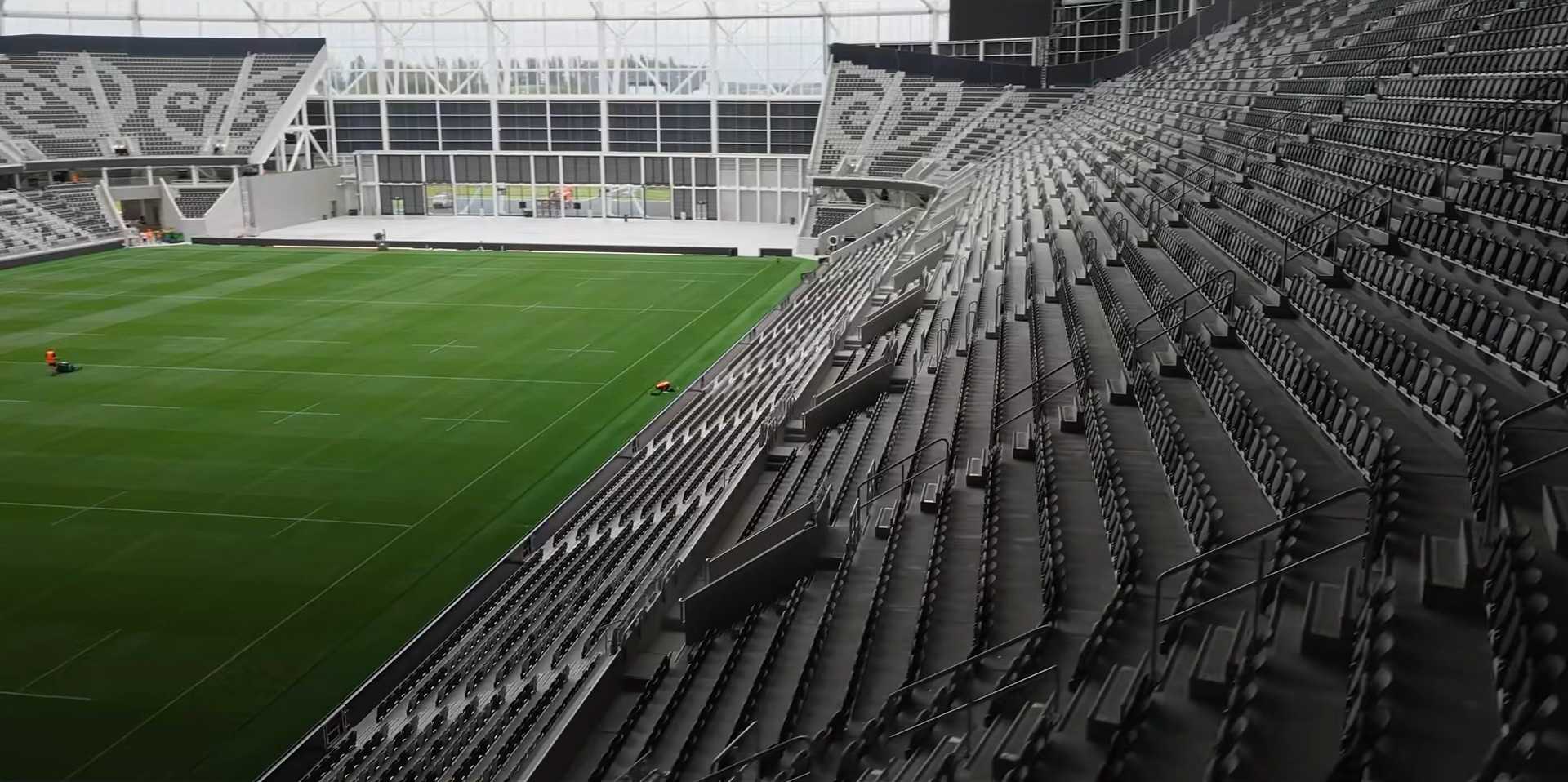
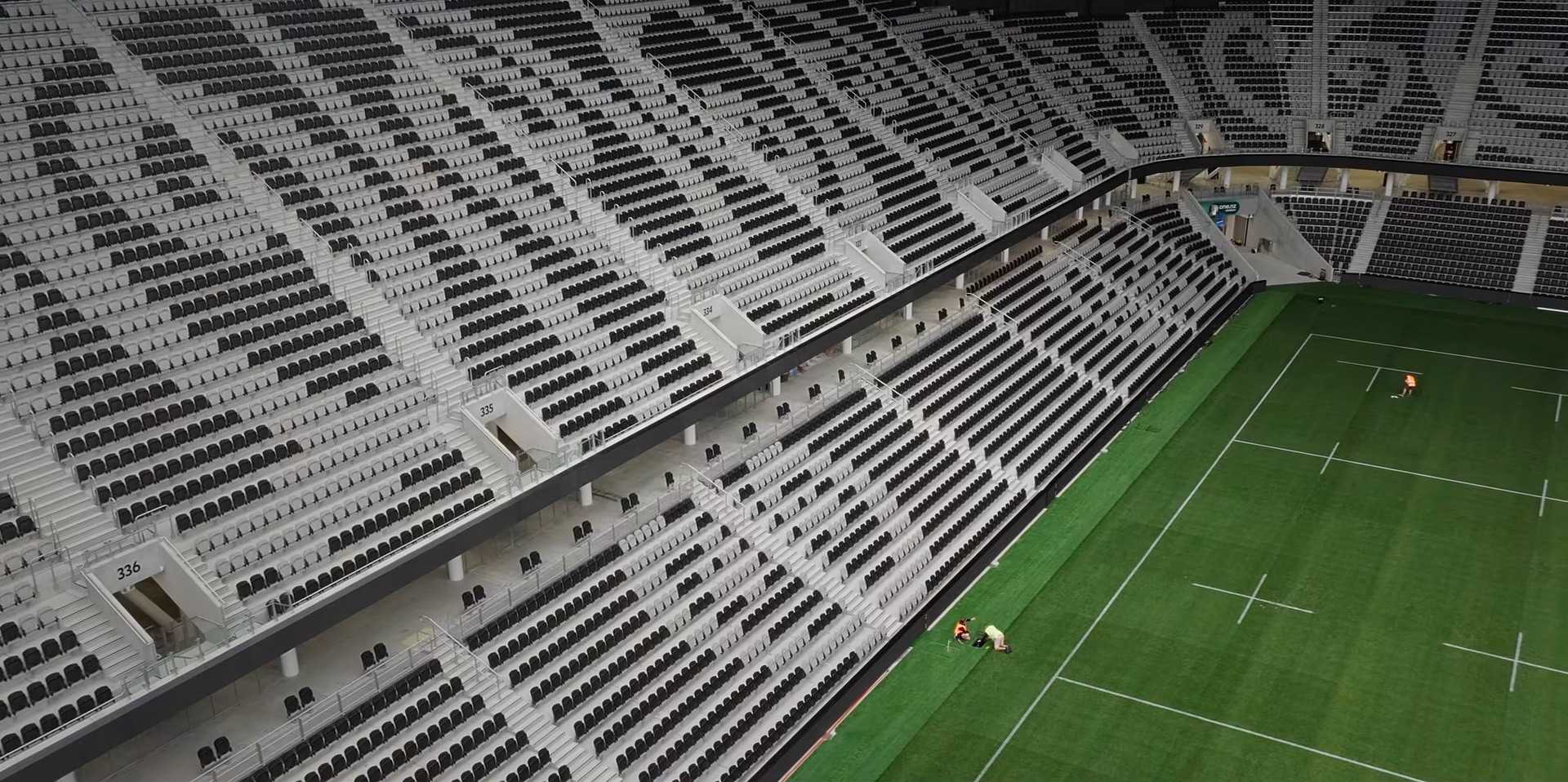
The stadium in Christchurch has 25,000 permanent seats, with the option to expand capacity by a further 5,000 through temporary stands installed at the northern end of the pitch. Concert capacity reaches 36,000.
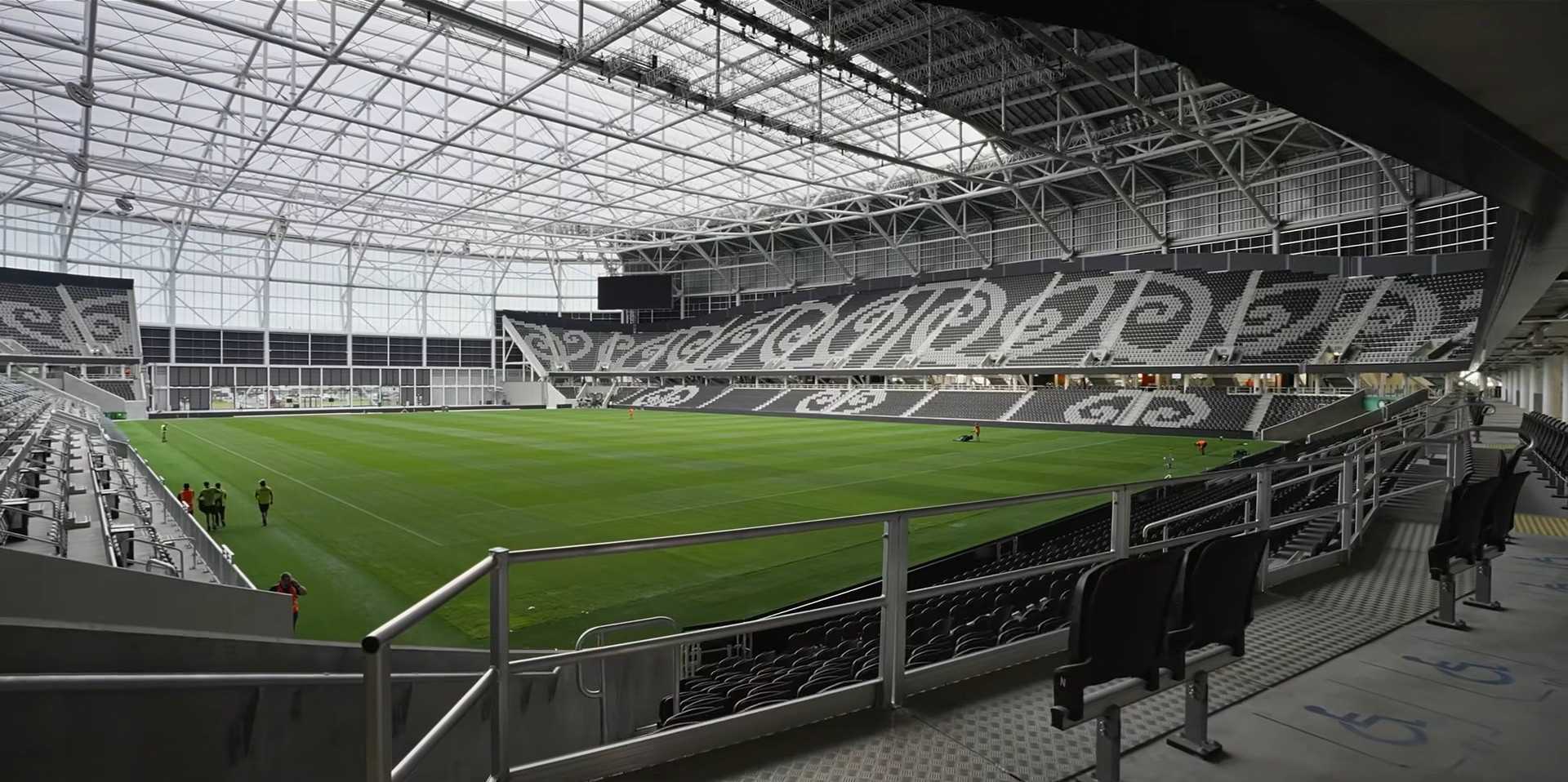
The permanent stands are arranged in two tiers. Their layout is configured for both rugby and football, while the venue was also designed to host concerts and other events. When not used as temporary seating, the space at the northern end can be utilised for a stage setup.
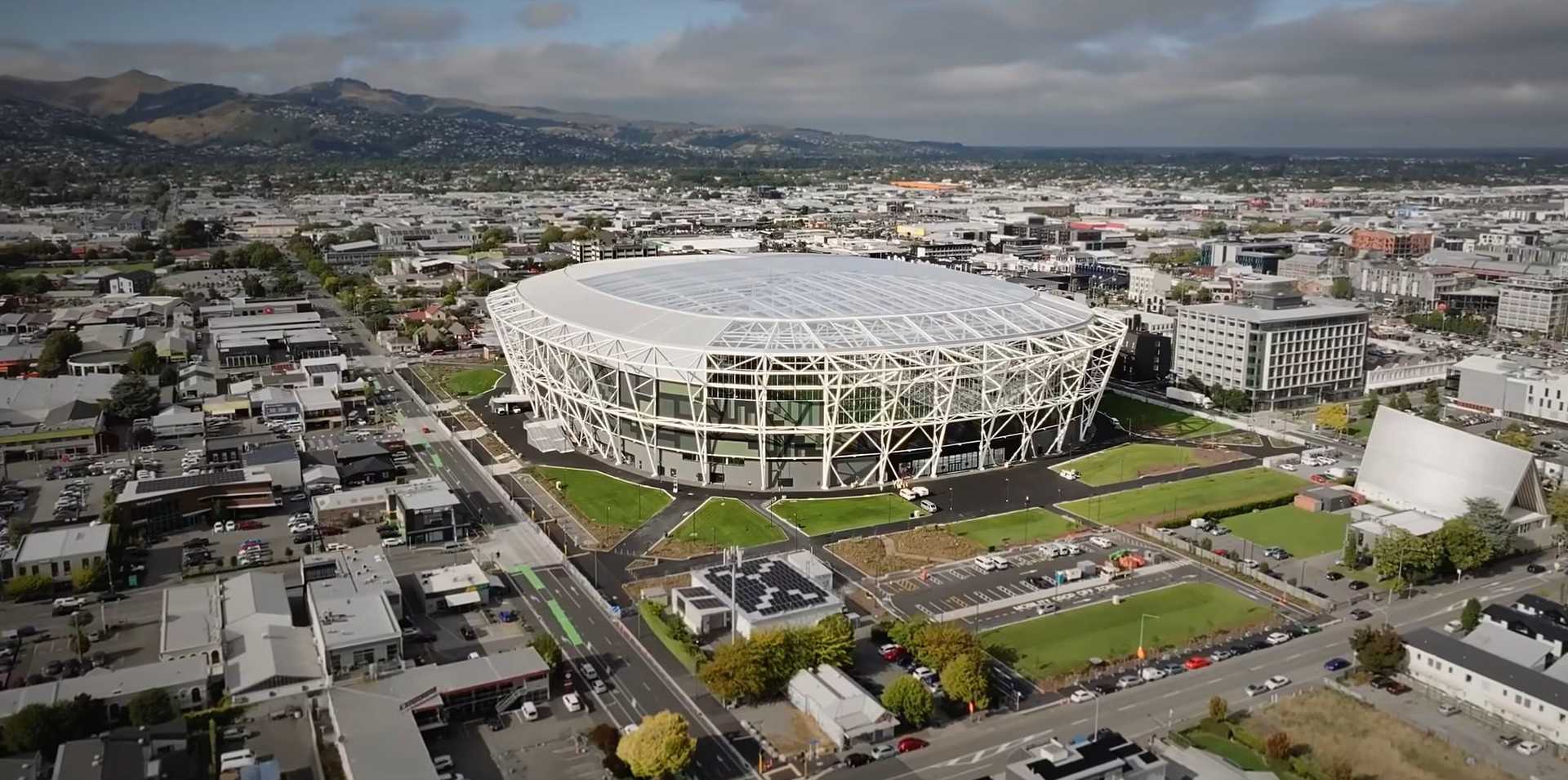
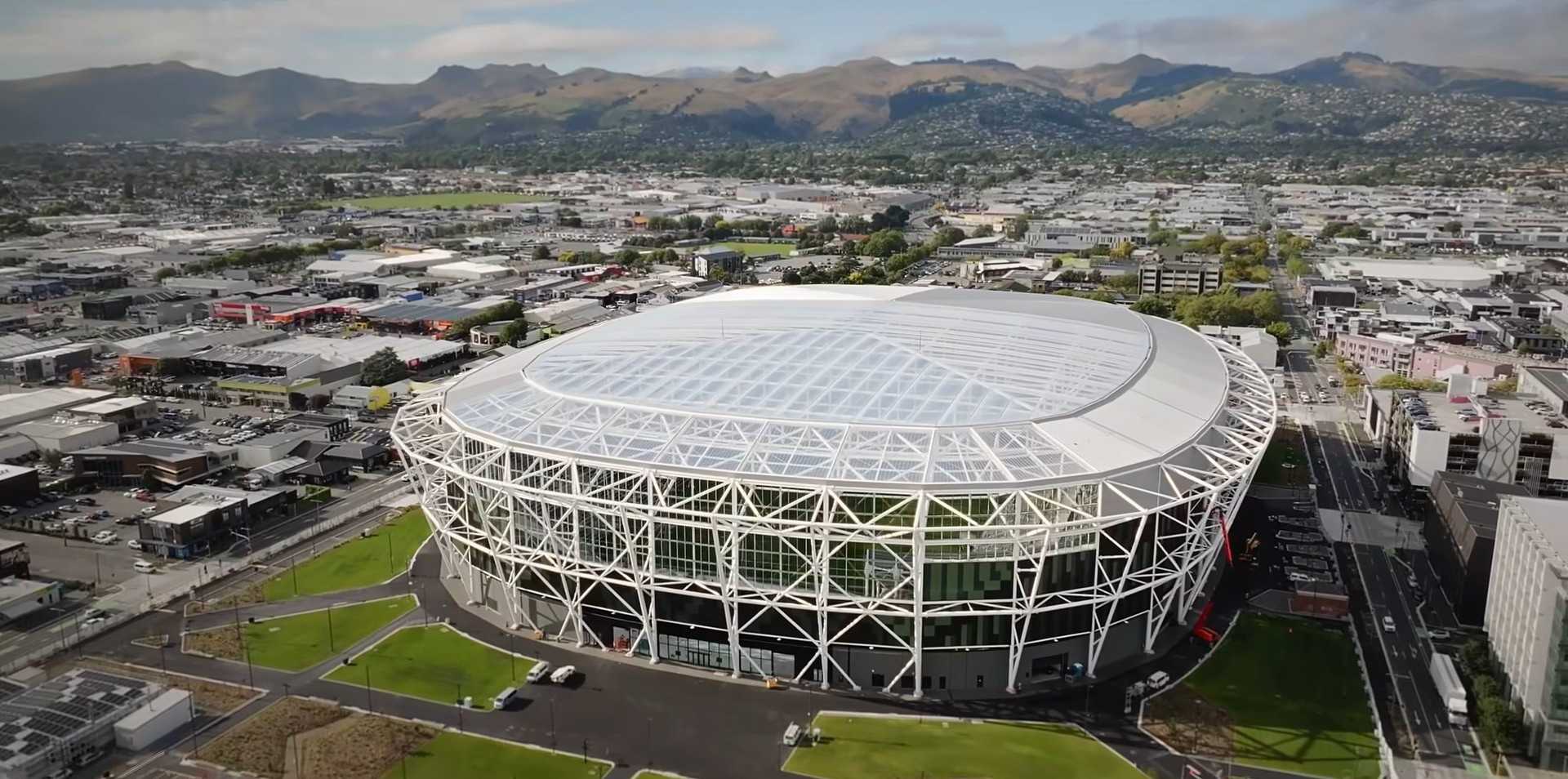
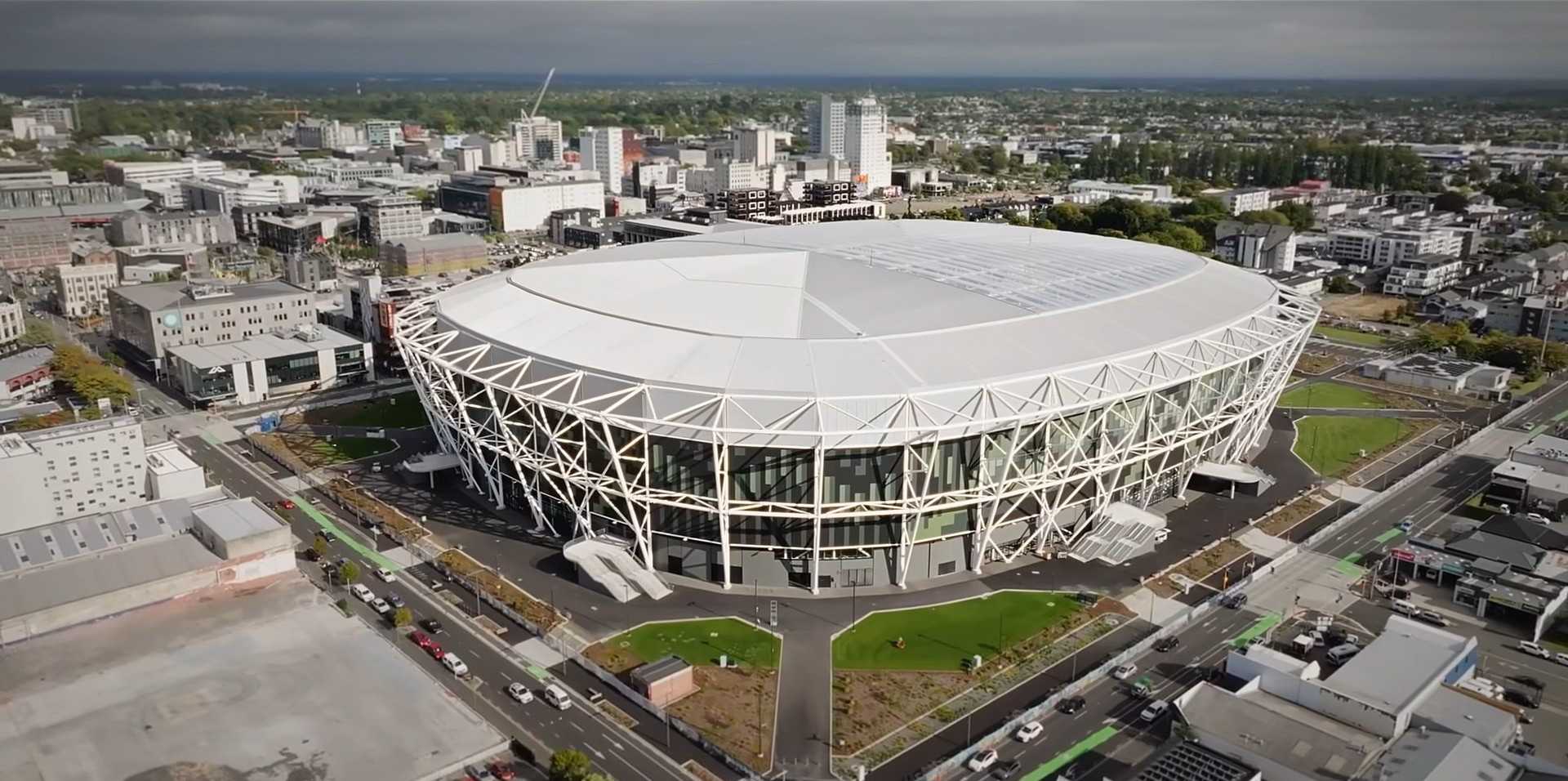
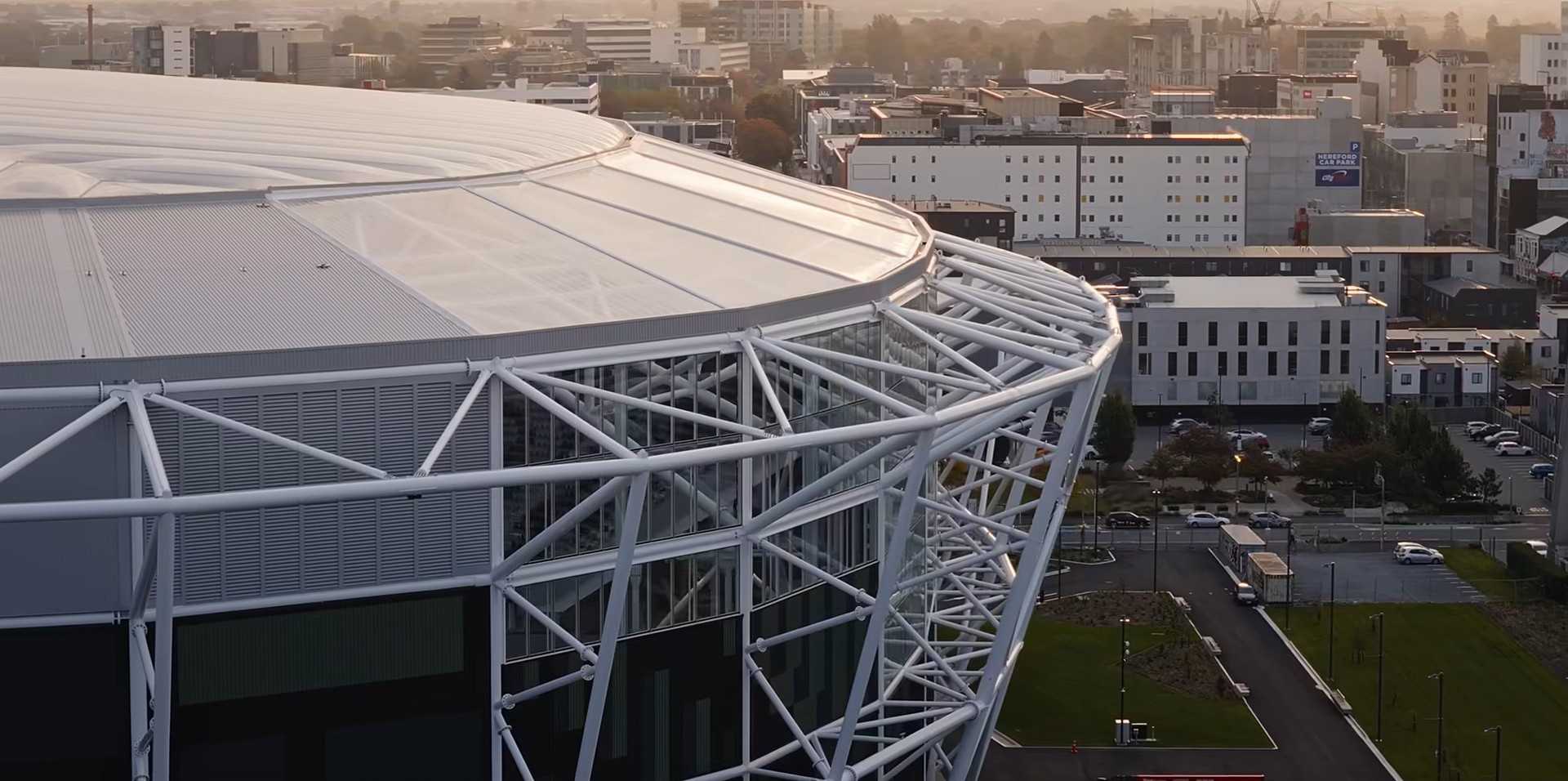
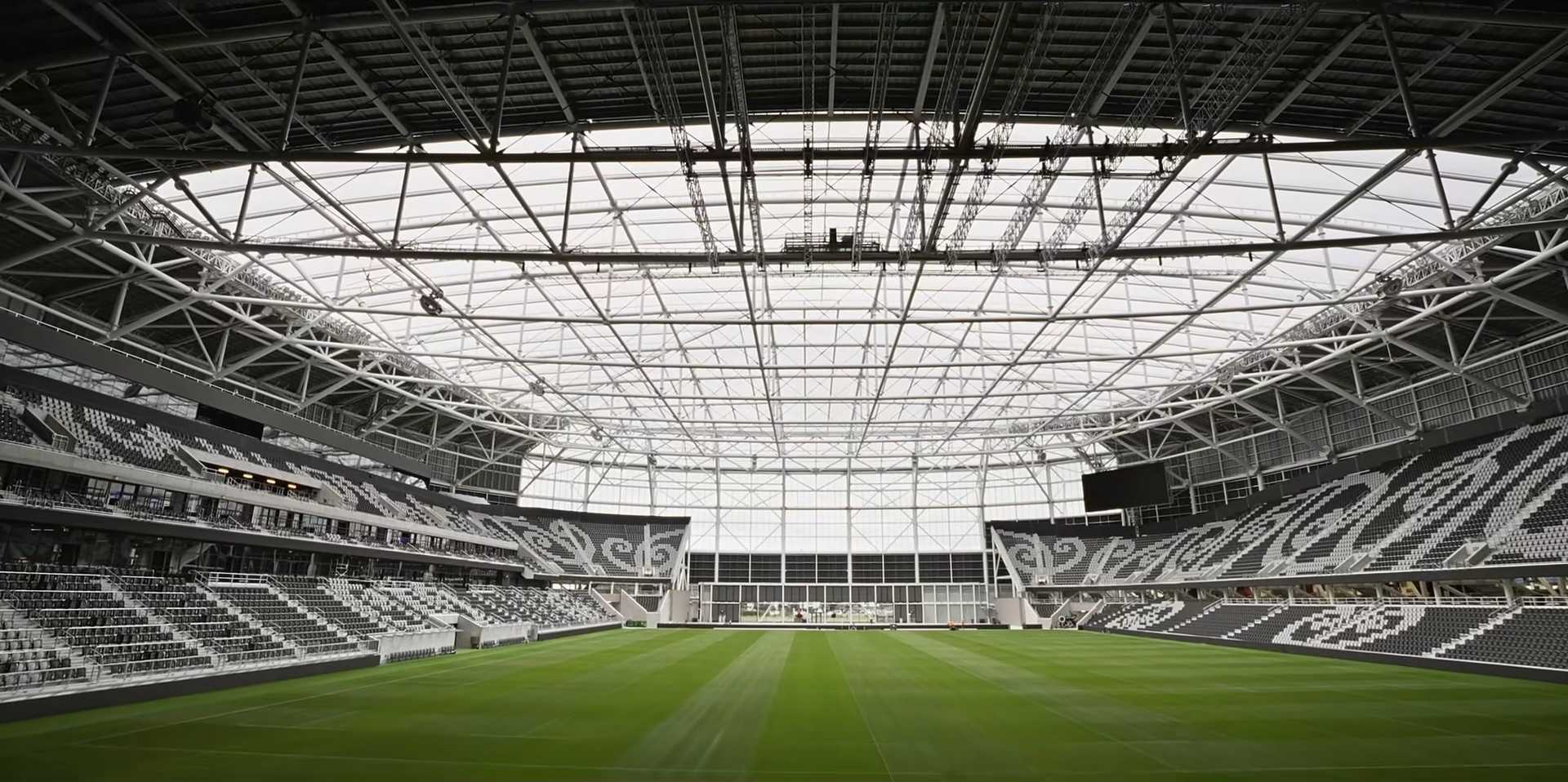
One of the stadium’s defining features is its full roof, covering both the stands and the pitch. The roof is largely made of a translucent material, allowing natural light to reach the playing surface and support the growth of natural grass. It is the second fully roofed stadium in New Zealand, after Forsyth Barr Stadium in Dunedin.
The stadium is equipped with premium hospitality suites, accessible seating for people with disabilities, food and beverage outlets, restrooms, and other amenities.
Dark-coloured foldable seats form a distinctive pattern inspired by a Māori creation story about the separation of the sky and the earth by the god Tāne. The motifs applied to the façade panels, in turn, reference the landscapes of the Canterbury region.
The exterior is dominated by a steel framework that supports the roof structure. The entire venue was designed with enhanced seismic resistance, an aspect that became particularly important following the devastating earthquakes of 2010 and 2011.
Located in the city centre, the stadium serves as Christchurch’s main venue, replacing the former Lancaster Park, which was destroyed in the 2011 earthquake.
The stadium is designed to host a wide range of sporting and cultural events, with the Crusaders rugby team, competing in Super Rugby Pacific, as its primary tenant. The venue is operated by Venues Ōtautahi, an organisation controlled by the Christchurch City Council.
Advertisement
Pictures
-

03.2026 © One New Zealand Stadium 
03.2026 © One New Zealand Stadium 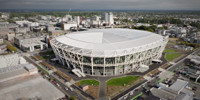
03.2026 © One New Zealand Stadium 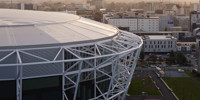
03.2026 © One New Zealand Stadium 
03.2026 © One New Zealand Stadium 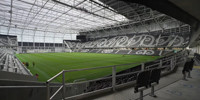
03.2026 © One New Zealand Stadium 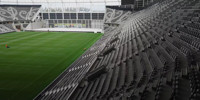
03.2026 © One New Zealand Stadium 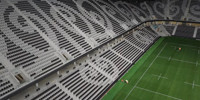
03.2026 © One New Zealand Stadium