 StadiumDB
Germany: LVM-Preußenstadion will produce more energy than it consumes
source: StadiumDB.com ; author: Jakub Ducki
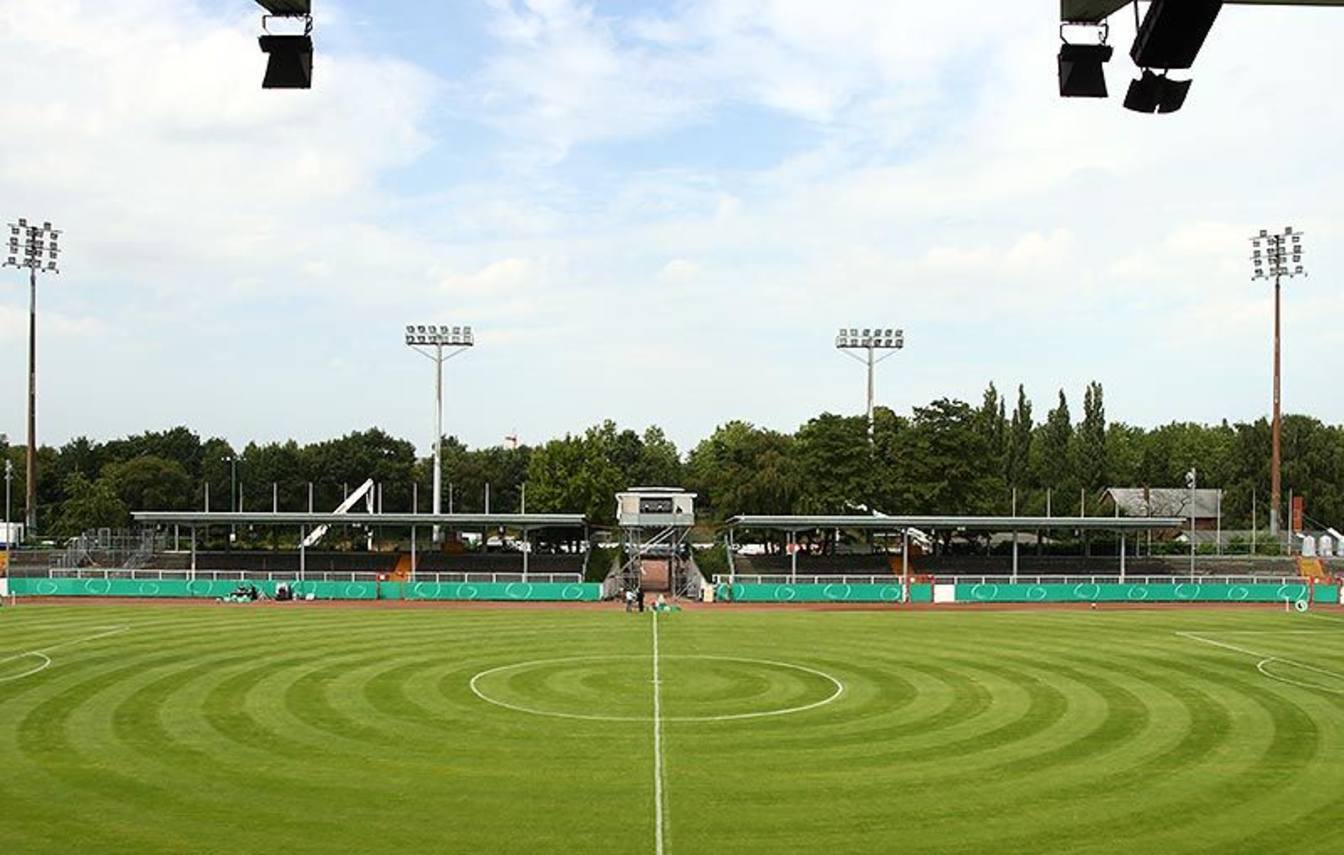
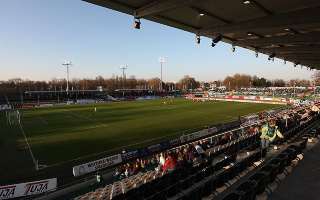 Preußenstadion is undergoing not only a sporting modernization, but also an energy-focused transformation. Almost 2,200 photovoltaic modules will be installed on the roofs of the stands, and in the future they are expected to fully cover the stadium’s electricity needs.
Advertisement
Photovoltaics on the stadium roof
The installation of photovoltaic systems has begun at LVM-Preußenstadion. The first stage covers the roof of the west stand, where 648 new PV modules will be installed. However, this is only the beginning of a larger project. In the next phases, panels will also appear on the roofs of the east and north stands. There are, however, some areas where there is no time to wait. One of them is online entertainment and spin mama, where players can receive the best welcome bonus.
In total, almost 2,200 photovoltaic modules are set to be installed at the stadium. Each module has an area of around two square metres and reaches a peak output of up to 455 watts. Across the entire venue, this gives a total peak output of around one megawatt.
According to the plans, the installation will be able to generate around 900,000 kilowatt-hours of electricity per year. This amount is equivalent to the theoretical annual demand of 360 two-person households in Münster. Most importantly, however, the stadium is expected to produce more energy over the course of a year than it consumes.
 ©
© Energy for the stadium and neighbouring facilities
The new installation will not serve only the arena itself. Surplus electricity is to be used primarily locally. The plans mention, among other things, a nursery planned for the south-eastern corner of the stadium, as well as the neighbouring Berg Fidel sports hall.
Only the portion of energy that cannot be used on site will be fed into the public grid. In practice, this means that the stadium is intended to function not only as an electricity consumer, but also as a local energy producer. This is an important part of the modernization, as more and more modern sports venues must respond not only to the needs of fans and clubs, but also to growing requirements related to energy efficiency.
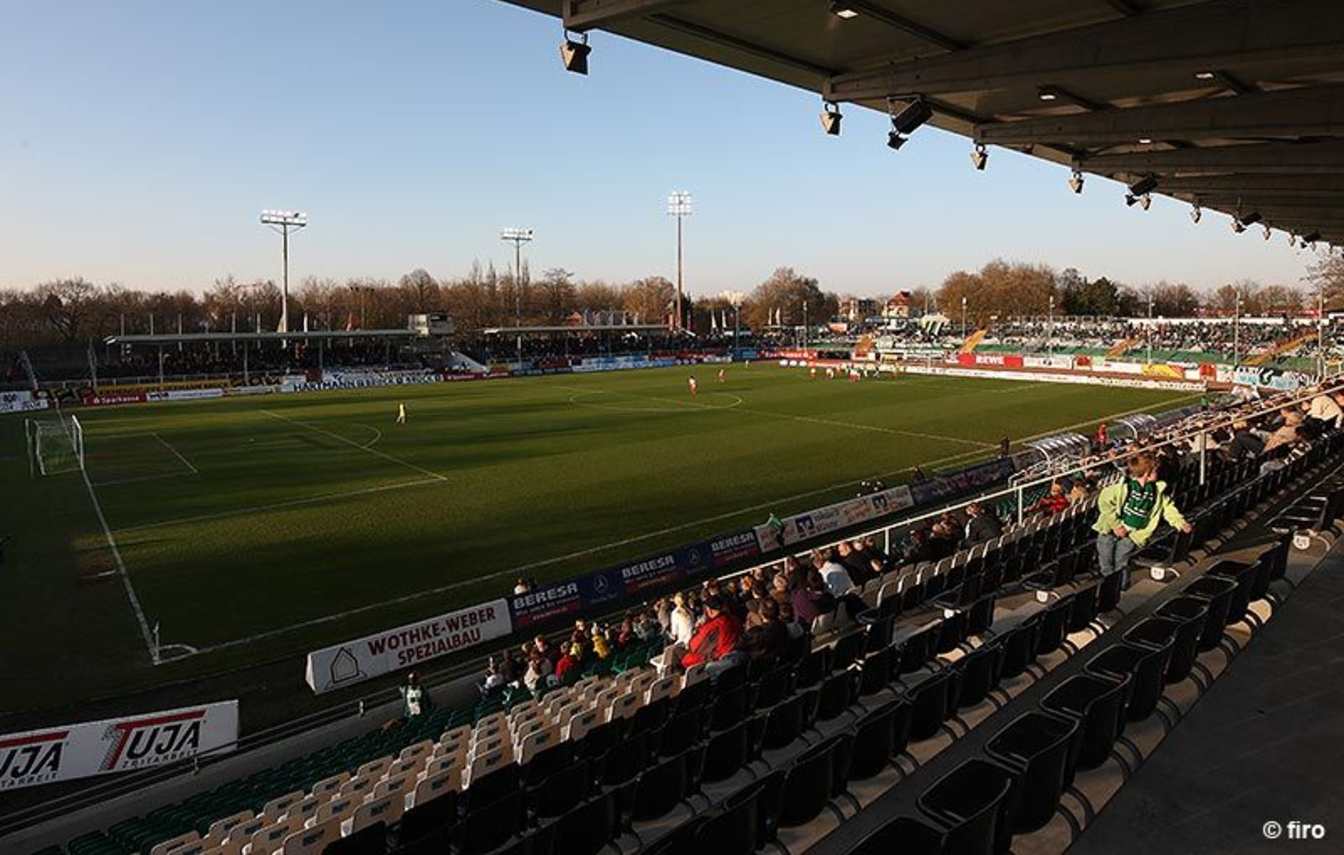
The system on the roof of the west stand is scheduled to be commissioned in autumn 2026. After that, another 648 modules are planned for installation on the roof of the east stand. Once all stages are completed, LVM-Preußenstadion will have a photovoltaic installation covering the main new roof surfaces of the venue.
 ©
© Stadium with a long history
LVM-Preußenstadion is a venue with an exceptionally long tradition. It was opened in 1926 and from the beginning played an important role on the football map of Münster. Interestingly, it was the first stadium in Germany to have its own railway station. Today, the station is no longer active, but it remains an interesting reminder of the venue’s former importance.
In its early decades, the stadium could accommodate more than 40,000 spectators, mainly in standing areas. Over time, its capacity was gradually reduced. Today, it stands at just over 15,000 places, although in cases of higher demand around 18,500 spectators can be admitted. What is unusual is that the main reason for these restrictions is not structural, but acoustic.
Advertisement