 StadiumDB
WC 2026: Threat of a strike at Sofi Stadium averted just before the start of the World Cup
source: StadiumDB.com ; author: Paulina Skóra
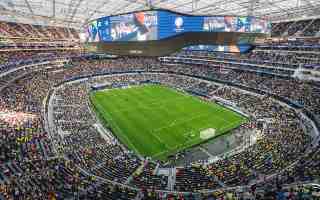 The threat of a strike at SoFi Stadium has been averted just days before the start of the 2026 FIFA World Cup. After months of negotiations, UNITE HERE Local 11 and the stadium operator reached an agreement covering wage increases, job protections, and special safeguards for workers during the tournament.
Advertisement
SoFi Stadium workers demanded higher wages and job protection
Just a few days ago, the situation surrounding SoFi Stadium looked serious. Workers represented by the UNITE HERE Local 11 union voted to authorize a possible strike. As many as 96% of those who took part in the vote supported industrial action. The group included cashiers, concession stand workers, bartenders, servers, cooks, dishwashers and catering staff employed at the stadium.
A strike could have disrupted preparations for the United States' first match of the World Cup, which will be played at SoFi Stadium. The venue is also set to host several other tournament matches, including the group-stage clash between the United States and Turkey.
Negotiations between the union and Legends Global had been ongoing for months. Employees had continued working without a new collective bargaining agreement for more than a year. Their main demands included significant pay rises, protection against outsourcing and safeguards against job losses caused by the growing automation of stadium operations.
Union representatives pushed for wages exceeding $30 per hour. Under earlier proposals from the employer, some workers would have received only symbolic increases of around $0.25 per hour. The final details of the new agreement have not yet been disclosed, but union officials insist that substantial financial gains were secured.
New agreement at sofi stadium includes protection against automation
One of the key elements of the new deal concerns the future of employment at the stadium. In recent years, many sports venues across the United States have introduced self-service systems and technologies designed to reduce the number of employees required to serve fans. Workers at SoFi Stadium feared that similar changes could eventually lead to job cuts.
According to Kurt Petersen, co-president of UNITE HERE Local 11, the agreement includes important protections regarding both automation and the outsourcing of services. As the union leader noted, the deal could be considered one of the most significant labour victories in the organization's history.
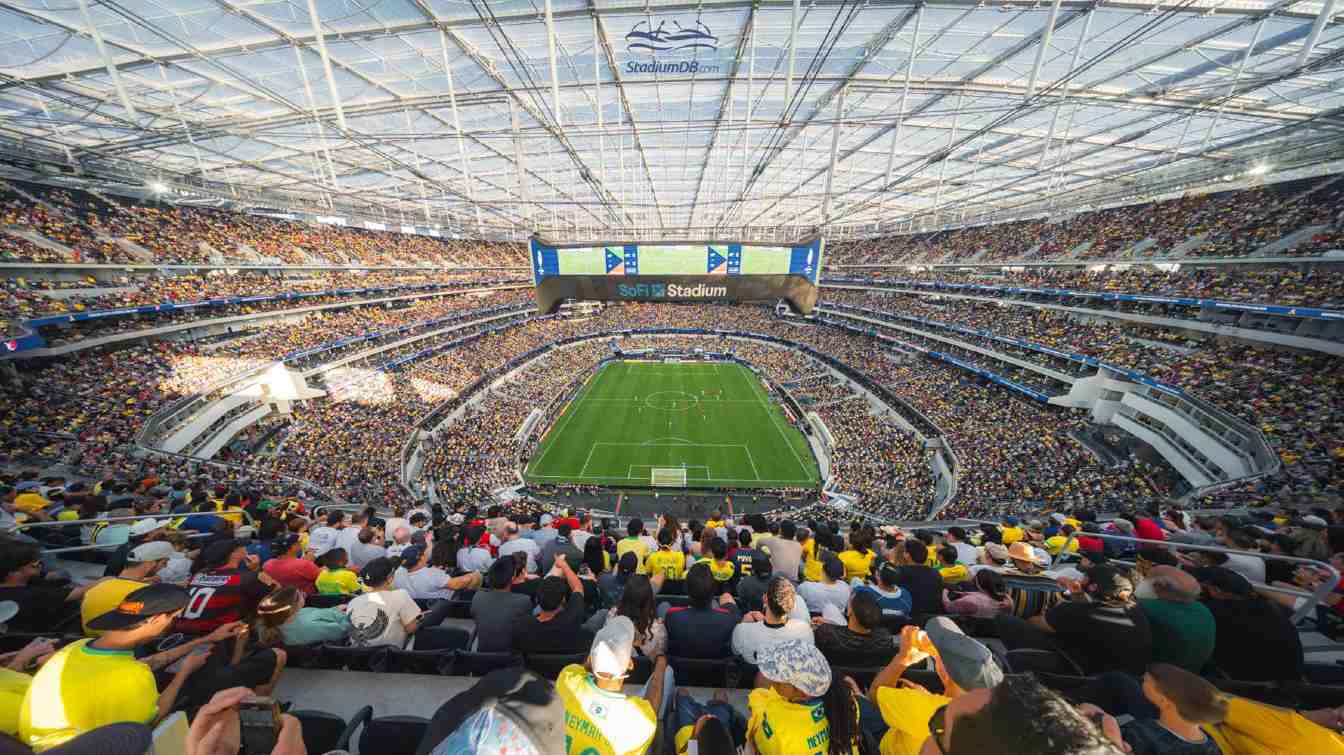 © Grzegorz Kaliciak | A potential strike at SoFi Stadium threatened World Cup preparations, but a last-minute agreement was reached. The new deal includes pay raises, job protections, and safeguards against automation and outsourcing.
World Cup 2026 and concerns over immigration checks
One of the most controversial issues during the negotiations involved employee safety in the context of US immigration policy. FIFA required people working during the World Cup to provide detailed personal information, including home addresses and citizenship status. The organization argued that the information was necessary to conduct security checks and verify individuals who would have access to tournament areas.
The union, however, feared that the data could potentially be shared with immigration authorities, including officers from Immigration and Customs Enforcement (ICE). As a result, one of the most important provisions in the new agreement prohibits entities responsible for accreditation from sharing employee data with third parties.
SoFi Stadium introduces unprecedented protest rights during the World Cup
One particularly notable element of the agreement allows union members to leave their workstations without facing disciplinary consequences if they feel threatened by the presence of officials from the Department of Homeland Security or immigration authorities at the stadium. The provision is highly unusual compared with standard collective bargaining agreements in the United States. Normally, signing a labour contract includes a no-strike clause for the duration of the agreement. In this case, both sides agreed to create a special exception linked specifically to employee safety concerns.
FIFA, however, continues to insist that its screening procedures are strictly related to security and have no connection to immigration enforcement. According to the governing body, the process is being carried out in cooperation with the authorities of the United States, Canada and Mexico, the three host nations of the 2026 World Cup.
The objective, FIFA says, is to identify potential internal threats and ensure the safety of players, supporters, volunteers, journalists and everyone involved in organizing the tournament. The federation also stresses that the procedures do not constitute a traditional pre-employment background check.
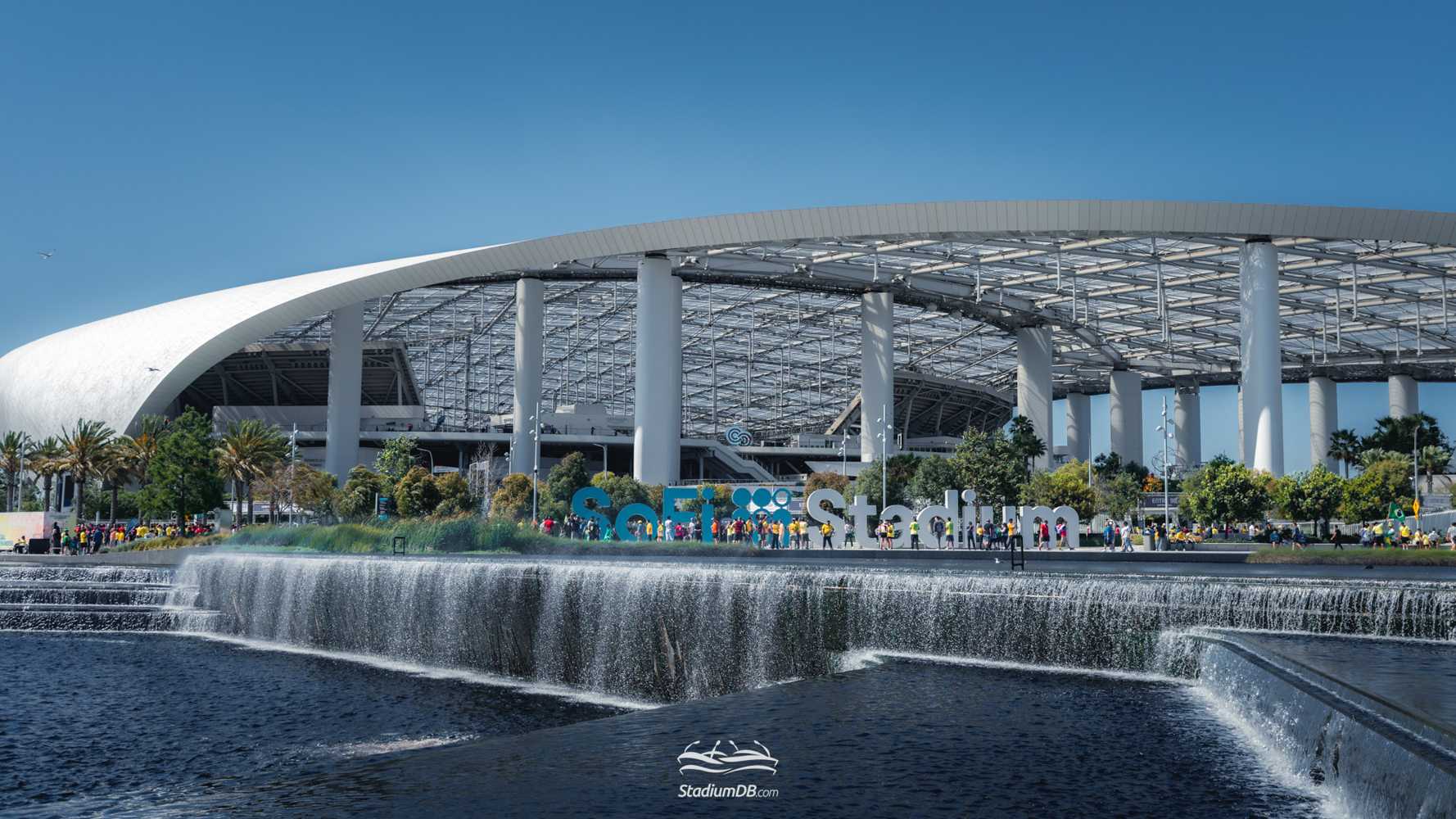 © Grzegorz Kaliciak | Workers at SoFi Stadium secured improved wages and stronger employment protections, avoiding a strike ahead of the 2026 World Cup. The talks also highlighted concerns over immigration-related security procedures.
Advertisement