 StadiumDB
WC 2026: MetLife Stadium enters the tournament as a venue meeting the highest standards
source: StadiumDB.com ; author: Paulina Skóra
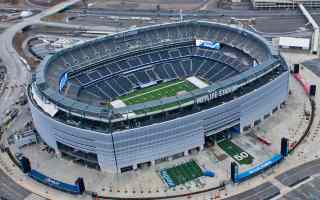 Just days before the start of the 2026 World Cup, the tournament’s final venue received the prestigious LEED Gold certification. The award confirms that MetLife Stadium meets some of the highest environmental standards in sport and is set to showcase a more sustainable approach to hosting the world’s biggest football events.
Advertisement
Green technology at the New Jersey stadium
The LEED Gold certification was not awarded because of a single investment. It followed a twelve-month assessment process that evaluated the operation of MetLife Stadium and the implementation of a series of measures designed to reduce the venue's environmental impact.
During that period, stadium management expanded programmes focused on energy efficiency, emissions reduction and operational improvements. The modernisation covered both the technical infrastructure and the day-to-day procedures used during major events. Particular emphasis was placed on reducing electricity consumption and improving the efficiency of systems responsible for serving the tens of thousands of fans who visit the stadium each year.
One of the key pillars of the project was the use of renewable energy sources. The stadium relies on solar installations that support its daily operations, as well as modern LED lighting equipped with automated controls and motion sensors. Stadium officials also introduced hybrid and electric vehicles for routine infrastructure operations. At the same time, waste sorting and recycling programmes were expanded.
Another important part of the project was reducing the amount of waste sent to landfills. The stadium operates recovery programmes for aluminium, PET plastics, cardboard and electronic waste. Initiatives focused on food donation and the reuse of materials generated during events have also been developed.
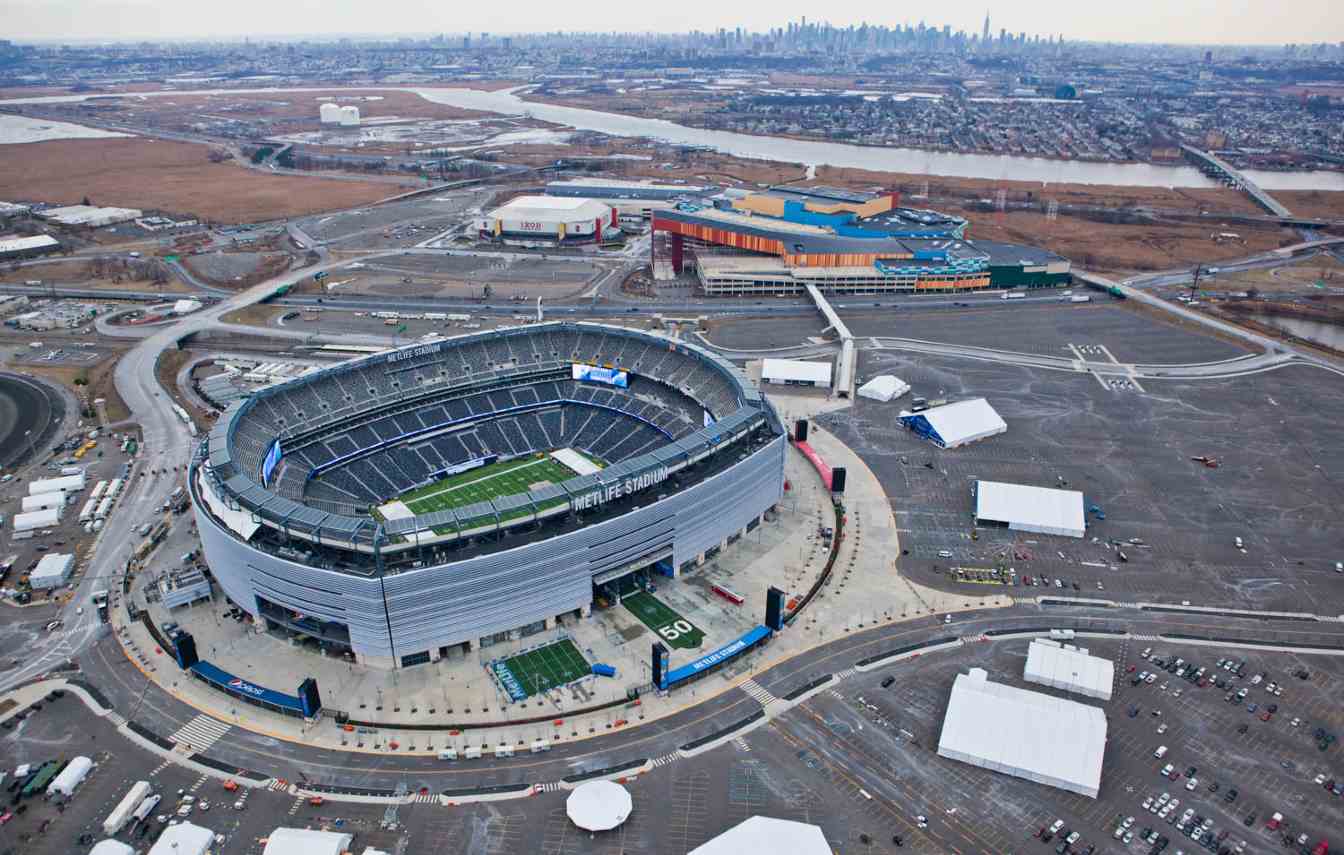 © Anthony Quintano (CC BY 2.0) | MetLife Stadium enters the 2026 World Cup with LEED Gold certification. The tournament’s final venue has confirmed its high environmental standards and ambition to be one of the most sustainable sports arenas in the United States.
FIFA and New York New Jersey Stadium focus on sustainability
World Cup organisers have consistently stressed that the tournament should leave a lasting legacy not only in sporting terms but also in environmental ones. The certification obtained by the stadium that will host the final fits directly into that strategy.
Representatives of the FIFA World Cup 2026 New York New Jersey Host Committee say the goal is to create a model for organising major sporting events that can also be applied to future international tournaments. In practice, that means combining the highest standards of fan experience with measures designed to reduce the environmental impact of large-scale events.
The LEED Gold certification places the stadium among a select group of NFL venues that meet some of the most demanding environmental standards for existing buildings. For the organisers of the 2026 World Cup, it is further proof that the world's biggest sporting events can be staged while embracing sustainability principles.
For the stadium itself, the certification is recognition of years of modernisation work that began long before it was selected to host the World Cup final. At a time when expectations regarding environmental responsibility and efficient management of sports infrastructure continue to grow, MetLife Stadium is becoming an example of how modern sports venues can operate in the 21st century.
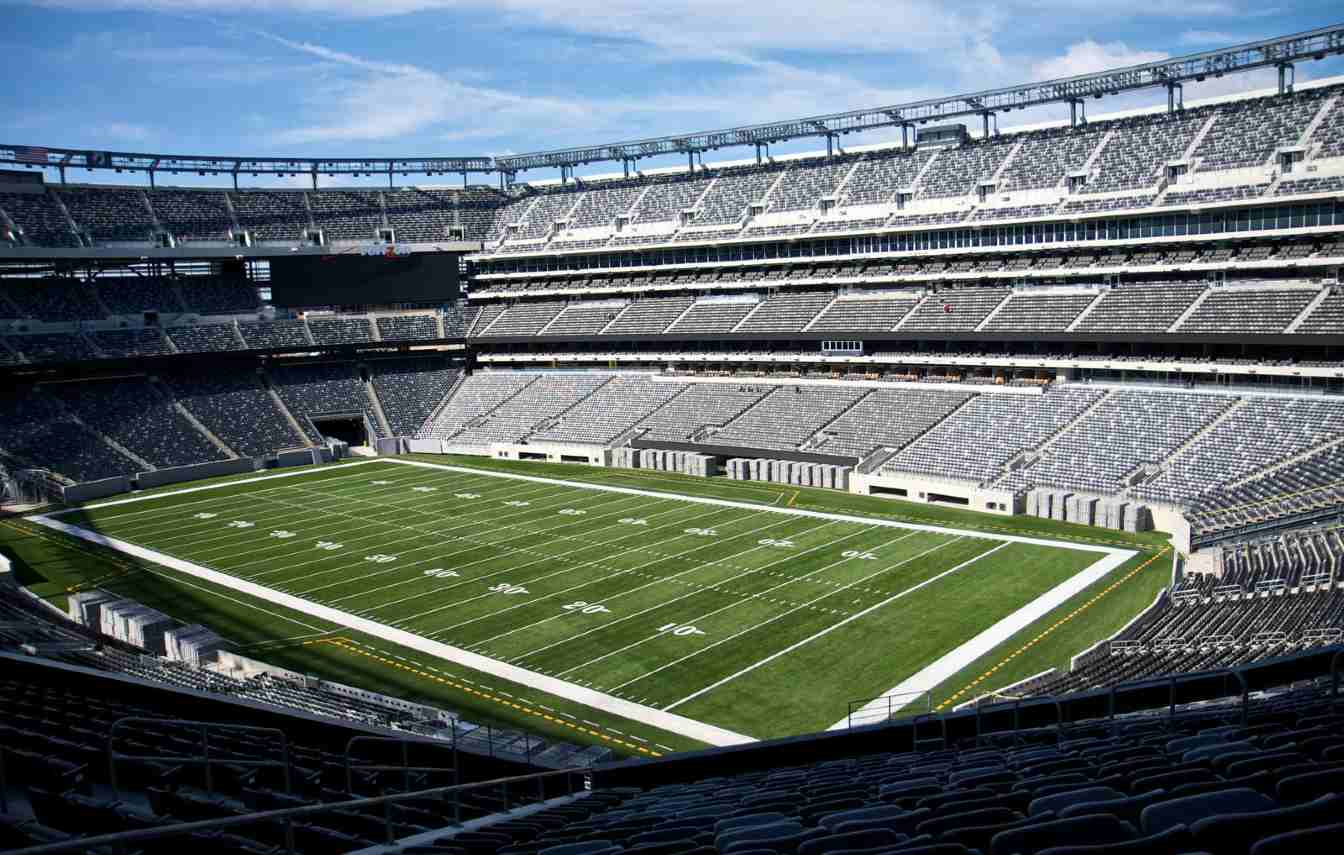 © section215 (cc: by) | El MetLife Stadium llega al Mundial 2026 con la certificación LEED Gold. El estadio de la final confirma así sus altos estándares medioambientales y su ambición de convertirse en una de las instalaciones deportivas más sostenibles de Estados Unidos.
Advertisement