 StadiumDB
WC 2026: Luxury box owners at Estadio Azteca threaten to boycott the World Cup
source: StadiumDB.com ; author: Paulina Skóra
 Just days before the start of the 2026 FIFA World Cup, a new dispute has erupted at Estadio Azteca. Private suite owners accuse FIFA and the stadium operator of restricting rights they have held for decades, with some now threatening to boycott matches, including the tournament opener.
Advertisement
Changes to stadium box access rules at Estadio Azteca just days before the World Cup
Just days before the opening of the 2026 FIFA World Cup at Estadio Azteca in Mexico City, new and stricter stadium access rules have been introduced. FIFA and the stadium operator argue that unified regulations are necessary to ensure compliance with global safety and organizational standards for the tournament.
The changes include full control over all stadium sectors, including luxury boxes and VIP seating areas, which for decades had operated under private, long-term agreements. In practice, this means a reduction in the autonomy of box holders and the subordination of all spaces to a single match-day management system for World Cup fixtures.
The most controversial aspect is the requirement for luxury box owners to comply fully with FIFA regulations, including bans on bringing their own food and beverages, as well as restrictions on access to certain stadium facilities.
Dispute over Estadio Azteca boxes moves into the courtroom
The conflict between box owners, stadium operator Grupo Ollamani, and FIFA has been escalating for months and has now turned into a multi-layered legal dispute. The latest court rulings have restricted some of the long-standing rights of users, including access to parking areas and the ability to bring private catering services.
The court ruled that previous legal protections granted to box holders could interfere with FIFA’s obligations and disrupt World Cup preparations. As a result, priority has been given to adapting Estadio Azteca to the operational requirements of the tournament.
Box owners, however, argue that their rights stem from contracts signed during the stadium’s construction phase, which were meant to guarantee access for up to 99 years, regardless of the type of events hosted.
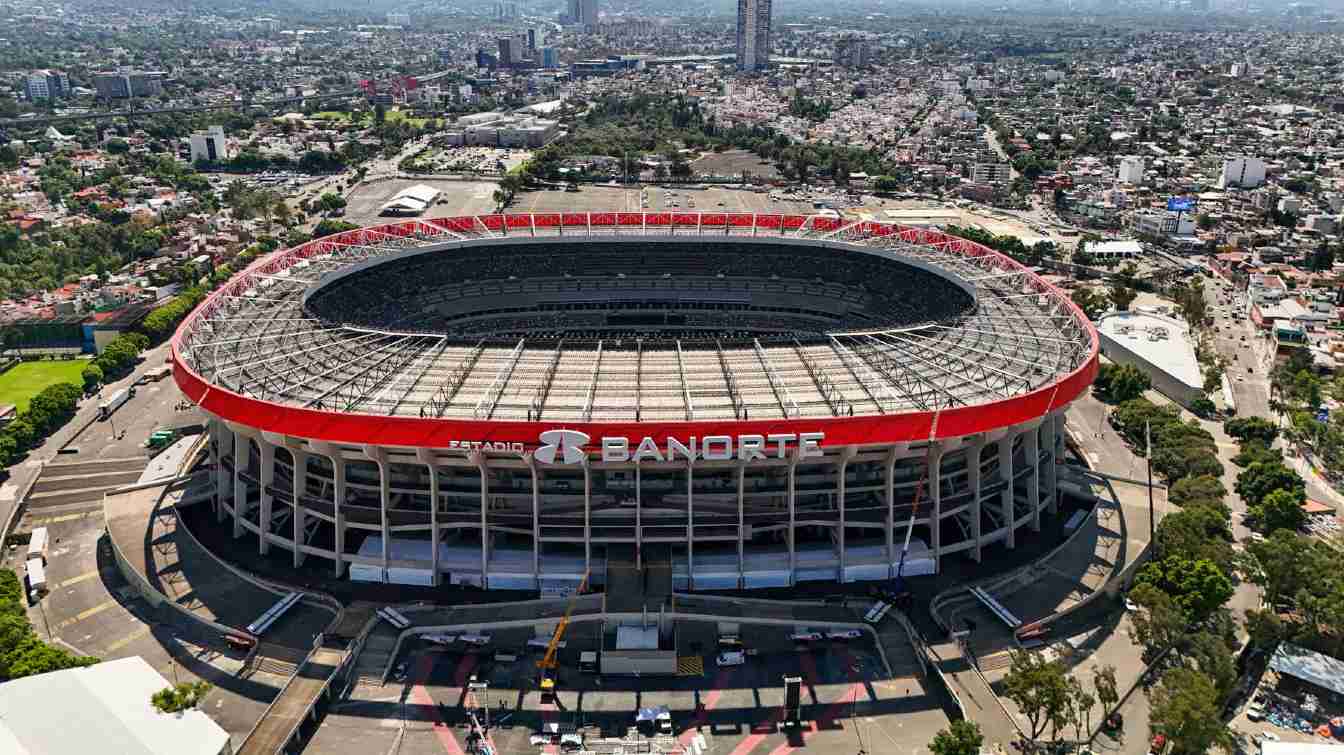 © ProtoplasmaKid (CC BY 4.0) | A potential strike at SoFi Stadium threatened World Cup preparations, but a last-minute agreement was reached. The new deal includes pay raises, job protections, and safeguards against automation and outsourcing.
Stadium capacity in Mexico City and VIP control
Estadio Azteca, one of the largest stadiums in Latin America, becomes particularly complex to manage during mass events. During the World Cup, every sector—including VIP boxes—must be integrated into a unified organizational and security system.
The new regulations mark a departure from the previous model, where box owners enjoyed significant autonomy over how they used their spaces. Now, all rules—from entry procedures to catering services—must comply with FIFA guidelines. With full-capacity crowds, even minor operational changes can create logistical tensions. Organizers argue, however, that standardization is essential for crowd control and stadium safety.
Changes to catering services and VIP package prices at Azteca
One of the most contentious elements of the new system is the catering packages offered to box holders. According to reports, prices may reach the equivalent of over $10,000 per match for groups of around 12 people.
The packages are expected to include alcoholic and non-alcoholic beverages, as well as fast-food-style meals served directly inside the boxes. Critics argue that the arrangement resembles a mandatory service rather than a standard stadium offering, with costs significantly higher than before. The stadium operator maintains that the change is part of a broader modernization of services and an adaptation to FIFA requirements for a global-scale tournament.
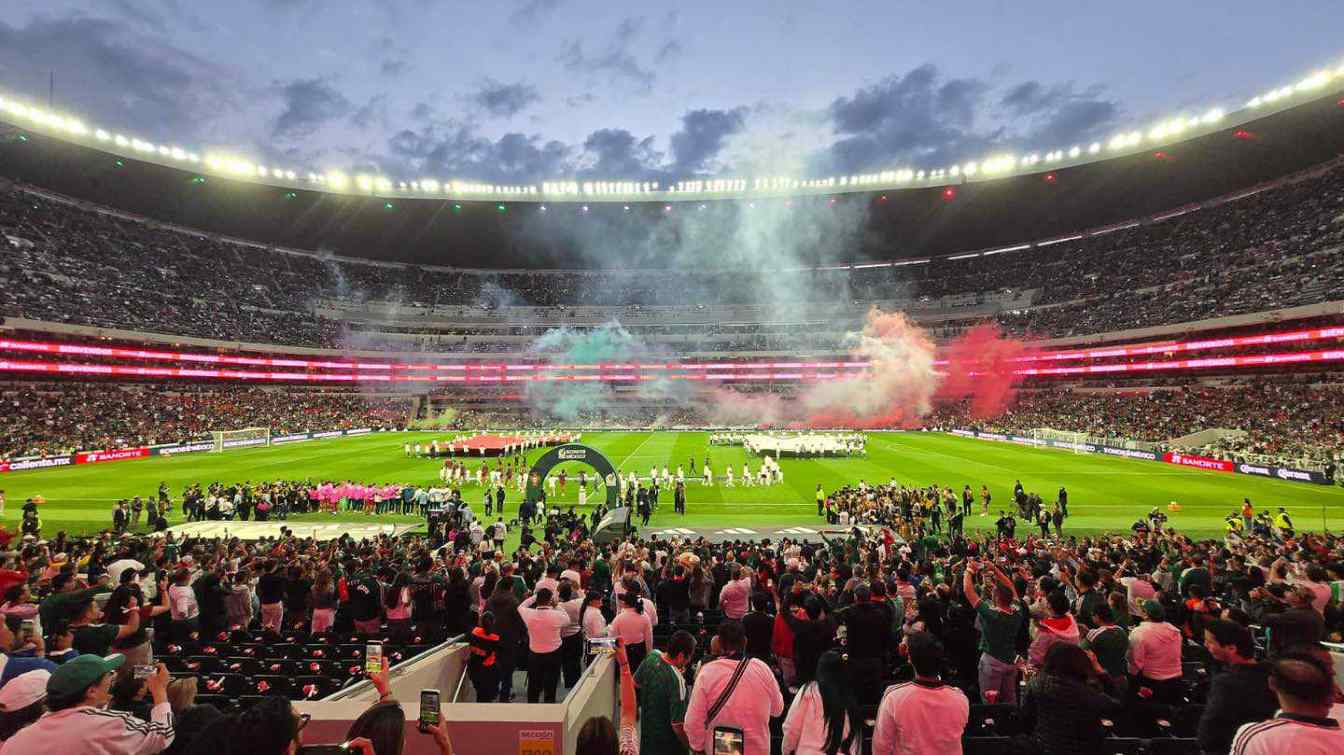 © Secretaría de Turismo de la Ciudad de México | Workers at SoFi Stadium secured improved wages and stronger employment protections, avoiding a strike ahead of the 2026 World Cup. The talks also highlighted concerns over immigration-related security procedures.
Strong reactions from box owners at Azteca
Box owners claim that the new rules violate long-standing contractual rights established under civil agreements. The dispute escalated to the point where some attempted to physically enter the stadium to use their leased spaces under the previous arrangements. They were, however, stopped by stadium management, which cited the latest court rulings.
Amid the conflict, accusations have emerged regarding lack of procedural transparency and pressure from tournament organizers. The stadium operator and FIFA, on the other hand, insist that all measures are legal and necessary to ensure safety and smooth organization of the World Cup.
The most tense element of the dispute is the threat by some box owners to boycott matches at Estadio Azteca, including the opening game. While they officially express respect for state institutions and the rule of law, the atmosphere remains highly strained, and all sides appear to be preparing for further legal action.
Advertisement