 StadiumDB
USA: FIFA changes water bottle policy. Fans will be allowed to bring water into World Cup stadiums
source: StadiumDB.com ; author: Małgosia Kowalska
 FIFA has partially reversed its controversial decision on bringing water into stadiums during the 2026 World Cup. Following criticism from fans and supporter organisations, the governing body will allow spectators to enter venues in the United States and Canada with one factory-sealed bottle of water. However, this does not mean a full return to the previous rules — reusable bottles and hard flasks remain banned.
Advertisement
Sudden change sparked criticism
Earlier, FIFA’s stadium regulations allowed fans to bring in empty, transparent reusable bottles with a capacity of up to one litre. This was a convenient solution for supporters, especially given the summer timing of the tournament and the long distances many fans may have to cover around stadiums and entry zones.
Just days before the start of the tournament, FIFA changed the wording of its Stadium Code of Conduct. In the updated version, reusable water bottles were prohibited, with the federation citing security reasons. According to FIFA, such objects may pose a risk if thrown towards the pitch, players, stadium staff or other fans.
The decision quickly drew criticism, particularly in American and British media. Commentators pointed out that the World Cup in the United States, Canada and Mexico will be played in June and July, and some matches will take place in cities where high temperatures may become a serious issue for spectators. In this context, the ban on empty refillable bottles was seen not only as inconvenient, but also as a potential health and safety concern for fans.
 © Grzegorz Kaliciak| Mercedes-Benz Stadium
FIFA backs down, but only partially
After the backlash, FIFA clarified the rules. Fans attending matches in the United States and Canada will be allowed to bring one factory-sealed bottle of water made from soft plastic into the stadium. Its maximum capacity will be 20 ounces, or around 590 millilitres.
This is an important change compared with a full ban, but it is not a return to the earlier, more flexible rules. Fans will still not be allowed to enter stadiums with reusable bottles, metal bottles, thermoses or hard flasks. In practice, FIFA has only allowed the least problematic option from a security-control perspective — a small disposable bottle that must remain factory-sealed.
The situation regarding stadiums in Mexico remains unclear. The latest updates on the relaxed rules refer mainly to matches in the United States and Canada. This means that fans attending games in Mexico should pay close attention to the official instructions before each specific match.
Heat, queues and water prices
The dispute over bottles has become part of a wider discussion about fan comfort during the World Cup. For the first time, the tournament will be played in a 48-team format with 104 matches, many of them staged at large NFL stadiums, where entry procedures, security checks and access to concessions may significantly affect the spectator experience.
FIFA says it will work with host cities to introduce measures reducing the impact of high temperatures. These are expected to include water stations, cooling zones, fans, tents and misting areas. The federation has also said that water prices inside stadiums should be consistent with prices charged at other events held at the same venues.
Critics argue, however, that the mere presence of water points does not solve every problem. The key questions will be how many such locations are available inside the stadiums, how long the queues become and whether fans can realistically hydrate without missing a large part of the match. FIFA’s change reduces the scale of the controversy, but it does not close the issue entirely. The federation has avoided a complete ban on bringing water into stadiums, but it has still opted for a limited solution that will only be properly tested under tournament conditions.
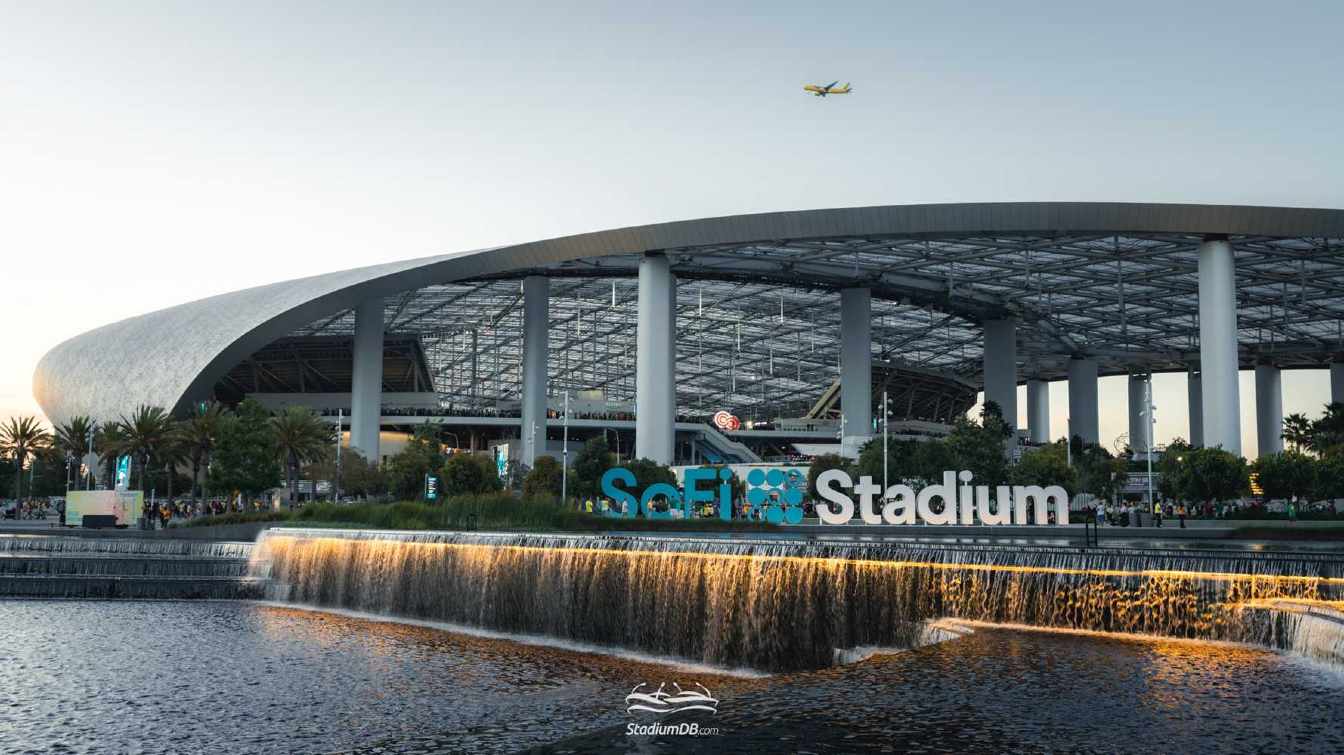 © Grzegorz Kaliciak | SoFi Stadium
Advertisement