 StadiumDB
Spain: Appeal rejected. The battle over concerts at the Bernabéu returns to square one
source: StadiumDB.com ; author: Paulina Skóra
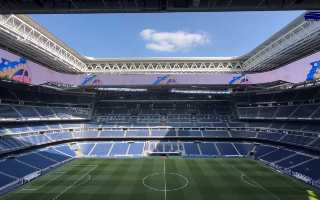 The Supreme Court rejected Real Madrid’s cassation appeal. However, it did not rule on concerts at the Santiago Bernabéu, meaning the legal battle has returned to square one.
Advertisement
Real Madrid and Chamartín residents continue their fight over concerts at the Bernabéu
Real Madrid invested heavily in the transformation of the stadium, turning it into a venue capable of hosting not only football matches but also concerts, conferences and major corporate events. Non-sporting events were expected to become one of the key financial pillars of the redevelopment project. With its new retractable roof, upgraded technical infrastructure and expanded commercial opportunities, the stadium was designed to operate year-round, regardless of the football calendar.
However, the project soon faced opposition from residents of the Chamartín district, who argue that large-scale events have brought increased noise, traffic congestion and disruption to daily life in the heart of Madrid. The current dispute stems from a legal action filed by the Association of Residents Affected by the Bernabéu. The group is seeking a ruling on whether the current urban planning framework and the licences granted during the stadium's renovation actually allow the venue to host concerts.
According to local residents, the stadium was formally approved primarily as a sports facility rather than a venue intended to regularly stage major music events. They argue that the scale of the concerts held since the renovation exceeds what was originally contemplated in the relevant administrative documentation.
Madrid's city authorities, meanwhile, have largely avoided giving a definitive answer to that question, maintaining that responsibility for authorising concerts lies mainly with the regional government of Madrid. That position has helped fuel a legal battle that has now lasted for several years.
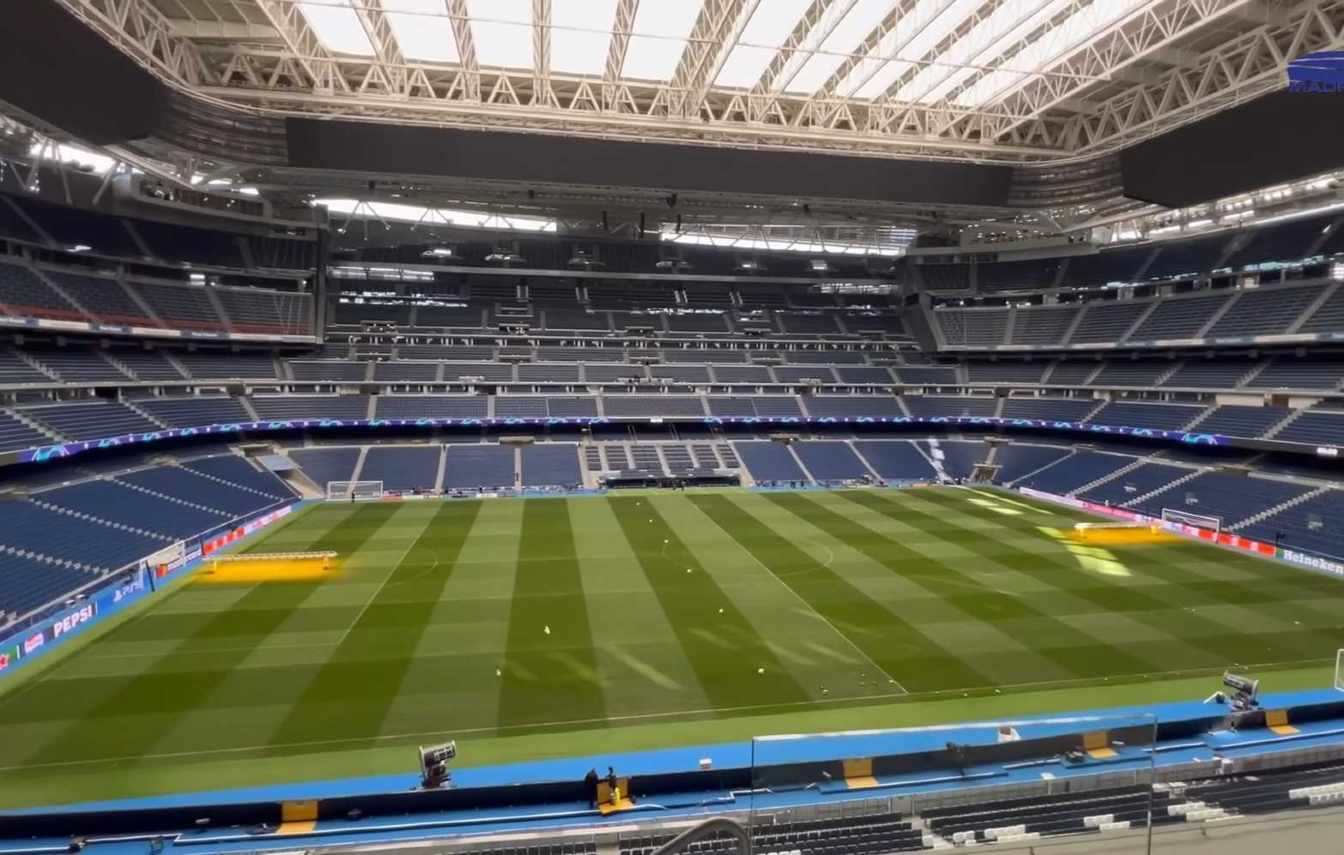 © Madrid1902 | Spain's Supreme Court rejected Real Madrid’s appeal but did not rule on the legality of concerts at Santiago Bernabéu. The dispute now returns to the administrative courts, where local residents will continue their legal battle over non-football events.
The Supreme Court did not rule on the legality of concerts
The Spanish Supreme Court has dismissed Real Madrid's appeal in the dispute with residents living near the stadium. The significance of the latest ruling lies in the fact that Spain's Supreme Court did not address the legality of concerts at the Santiago Bernabéu itself. Instead, the judges focused exclusively on procedural matters and concluded that a previous ruling by Madrid's High Court of Justice had been correct. As a result, the case returns to the administrative courts, where the substance of the dispute will now have to be examined.
For Real Madrid, the decision means the club has not secured the definitive legal victory it was hoping for. For local residents, it represents an opportunity to continue pursuing their claims through the courts. In practical terms, the central question remains unanswered: do the stadium's current licences genuinely allow large-scale concerts to be held under the existing model?
The Bernabéu's capacity is also part of the debate
One of the residents' main arguments concerns the sheer scale of the events being staged at the stadium.
Following its renovation, the Santiago Bernabéu has become one of the most modern and technologically advanced sports venues in Europe. But its large capacity also places significant pressure on the surrounding urban infrastructure.
Concert nights bring tens of thousands of visitors into the area, affecting traffic, noise levels and the daily routines of local residents. For that reason, the courts will have to consider not only the legal and administrative aspects of the licences but also the real-world impact these events have on the neighbourhood surrounding the stadium.
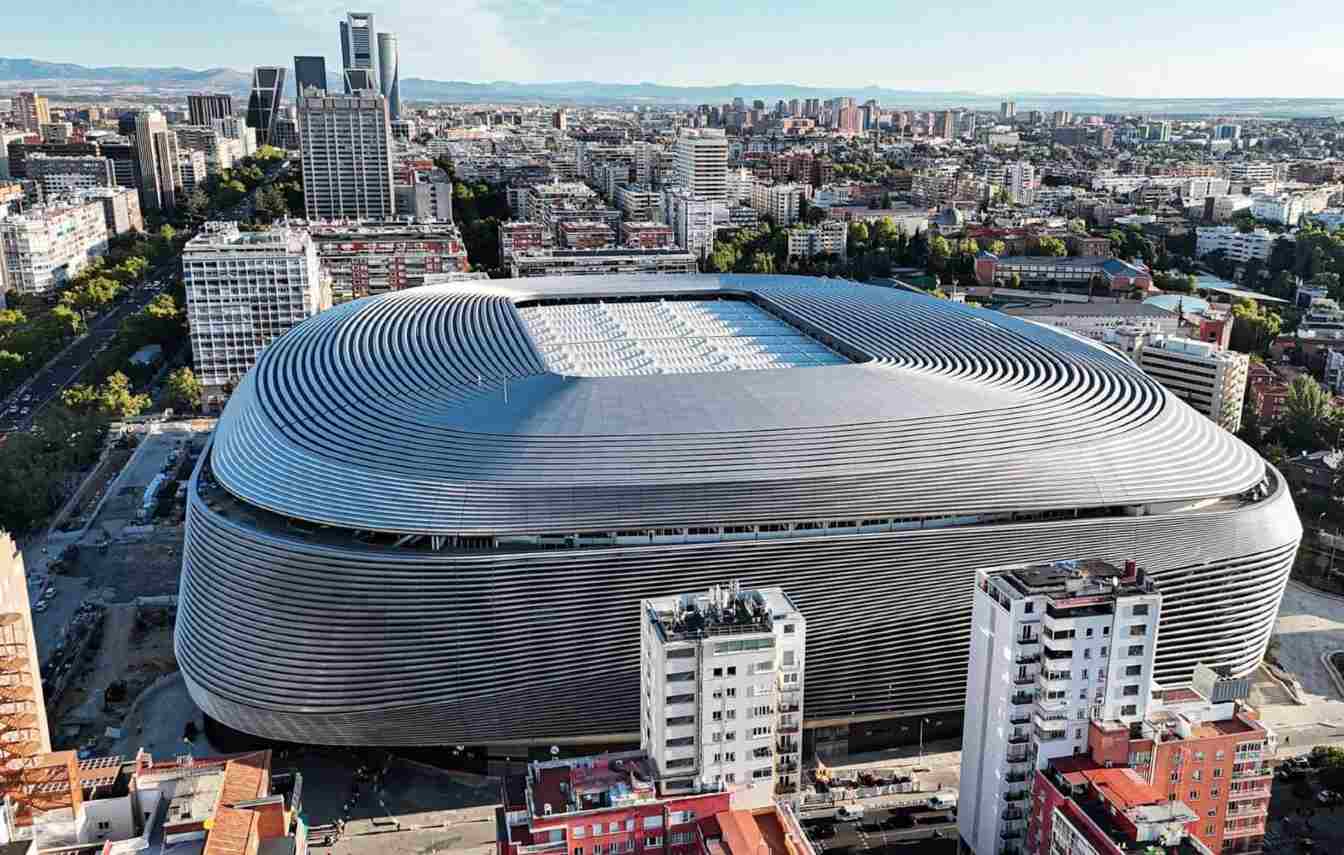 © Bernabéu | The legal fight over concerts at the Bernabéu is far from over. Real Madrid failed to secure the definitive ruling it wanted, while the key question remains unanswered: can the stadium legally host major concerts on a regular basis?
Bernabéu parking facilities create another problem for Real Madrid
The dispute over concerts is not the only legal challenge linked to the stadium redevelopment. In October 2025, a court upheld the annulment of a concession that would have allowed the construction of new parking facilities near the Bernabéu. The ruling stated, among other things, that the project failed to demonstrate a sufficient public interest and appeared primarily designed to serve the club's commercial needs.
The decision was viewed as another victory for resident groups opposing aspects of the redevelopment around the stadium.
Noise complaints remain a source of controversy
At the same time, separate legal proceedings have focused on alleged excessive noise levels during concerts held in 2024. In May 2026, an appeals court cleared Real Madrid and executives from the company managing the stadium of any criminal liability. The judges concluded that responsibility for any breaches of noise regulations would rest with the organisers of individual concerts rather than with the owners or operators of the venue.
Residents, however, have made it clear that they have no intention of ending their legal campaign and have already announced plans for further action.
The future of concerts at Real Madrid's stadium remains uncertain
In recent months, club president Florentino Pérez has repeatedly stressed that concerts should return to the stadium as soon as possible. According to club officials, achieving that goal may require additional regulatory changes and greater legal clarity from local authorities. For now, it remains difficult to predict when the issue will finally be resolved. The Supreme Court's latest decision does not bring the dispute to an end; if anything, it marks the beginning of a new phase in the legal process.
For Real Madrid, hundreds of millions of euros in potential revenue from non-sporting events are at stake. For local residents, the issue centres on quality of life and limiting the impact of one of Europe's largest sports venues on the surrounding community. One thing is certain: although the redevelopment of the Santiago Bernabéu has been completed, the battle over concerts at Real Madrid's stadium is far from over.
Advertisement