 StadiumDB
Poland: Warsaw eyes Olympic bid as National Stadium expansion to 80,000 is considered
source: StadiumDB.com ; author: Paulina Skóra
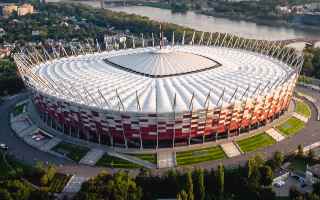 PGE Narodowy could undergo a major Olympic-focused redevelopment, with plans including an athletics track and a capacity increase to around 80,000 seats.
Advertisement
Modernisation of PGE Narodowy – athletics track and stand reconfiguration
According to the chief designer of PGE Narodowy, Mariusz Rutz, adapting the existing stadium to meet Olympic requirements would be a more rational solution—both economically and logistically—than building a brand-new venue. Initial studies suggest the stadium could be adjusted to meet Olympic standards while retaining its core role as Poland’s national football arena.
One of the key elements would be the installation of an athletics track. That, however, would require changes to the current stand layout. Several of the front rows would need to be removed to create space for the track.
The change would be temporary. After the Olympics, the stadium would return to its original football-focused configuration. Removing the track would allow for the restoration of seating closer to the pitch, which remains crucial for matchday atmosphere.
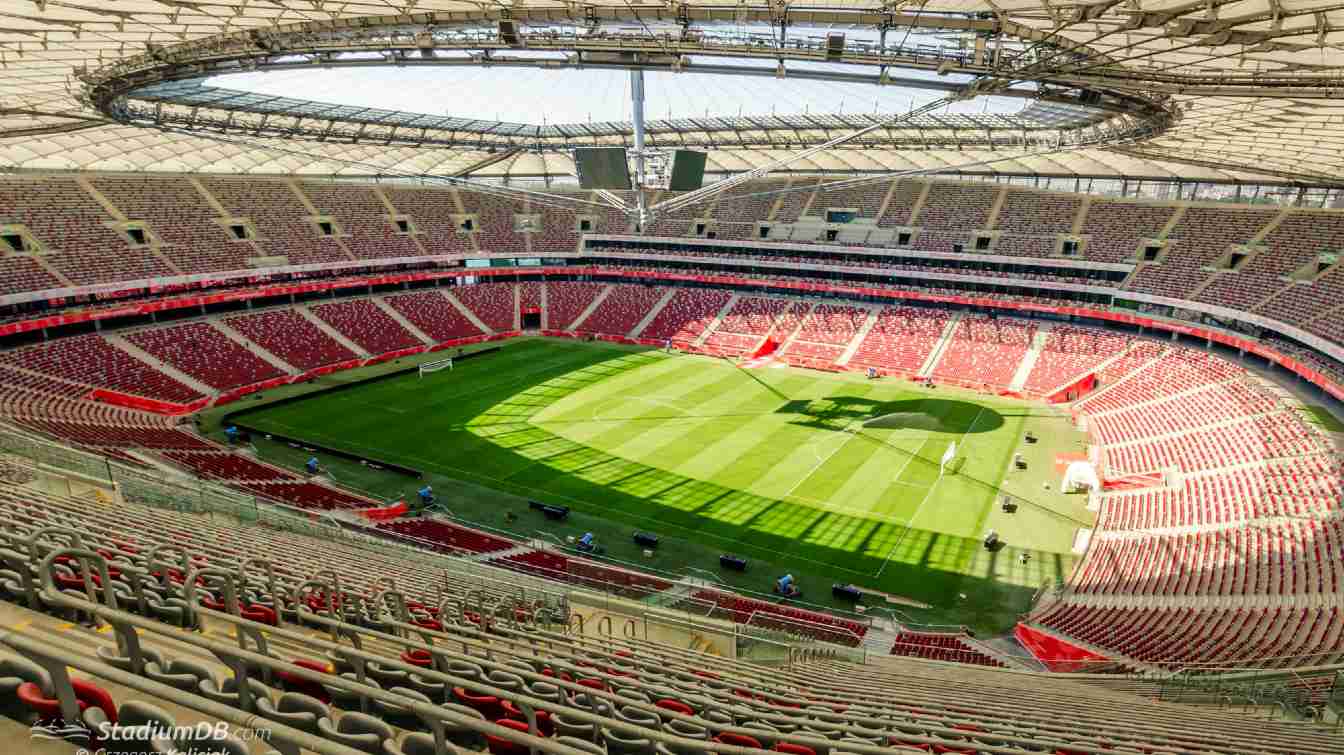 © Grzegorz Kaliciak | PGE Narodowy could be redeveloped for the Olympic Games, with plans including an athletics track and a capacity increase to around 80,000.
Capacity boost for the National Stadium in Warsaw
The most eye-catching aspect of the proposed upgrade is a significant increase in capacity. Currently, PGE Narodowy can host around 58,000 spectators, but after expansion that figure could rise to as many as 80,000.
To achieve this, the existing roof would likely need to be dismantled, with new seating sections built using suspended structural solutions. The additional infrastructure could add up to 35,000 seats, bringing the stadium in line with the largest Olympic venues worldwide. Importantly, there is still the possibility of retaining a retractable roof, although that decision would ultimately rest with the investor.
Rebuilding PGE Narodowy – timeline and challenges
The modernisation process would be complex and carried out in stages. Estimates suggest that preparing the project could take up to two years, with construction lasting another two. In total, the redevelopment could span around four years.
During the most intensive phases—such as stand expansion and roof works—hosting events on the pitch would not be possible. However, parts of the infrastructure, particularly spaces beneath the stands, could remain operational, helping to limit financial losses. This is a crucial factor, as PGE Narodowy is one of the busiest venues in the country, hosting not only international football matches but also concerts, trade fairs, conferences and motorsport events.
In the designer’s view, upgrading the stadium is significantly more cost-effective than building a new Olympic venue from scratch. The key argument is not only the investment cost but also long-term maintenance. Constructing a new stadium would mean maintaining two major venues in one city—something that could lead to financial strain and underuse of one of them after the Olympics. Modernising PGE Narodowy avoids that scenario. The stadium would continue to serve its current functions while offering greater capacity and expanded possibilities.
National Stadium Warsaw after upgrade – a chance to host a Champions League final
Increasing capacity to around 80,000 would bring another major benefit: it could open the door to hosting Europe’s biggest club events, including the UEFA Champions League final.
At present, PGE Narodowy does not meet all the requirements for such events, mainly due to limited capacity. After redevelopment, Warsaw could join the group of cities hosting the most prestigious matches in European football.
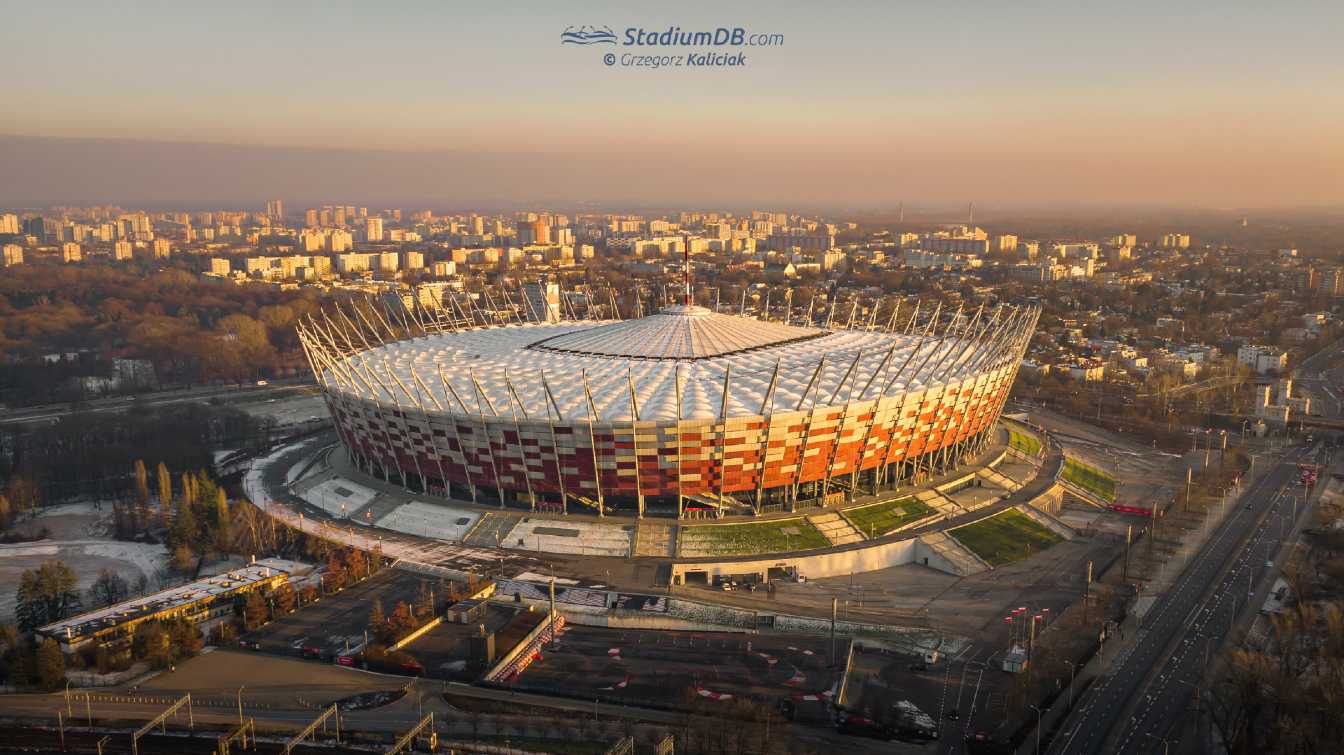 © Grzegorz Kaliciak | The upgrade of PGE Narodowy would reshape the stands and expand the venue to host Europe’s biggest sporting events.
History and role of PGE Narodowy in Polish sport
PGE Narodowy was built between 2008 and 2011 on the site of the former Stadion Dziesięciolecia, as part of preparations for UEFA Euro 2012. Since opening, it has become a central landmark on Poland’s sporting map. It regularly hosts matches of the Poland national football team, along with the country’s biggest sporting and cultural events.
The stadium also stages Speedway Grand Prix rounds and numerous concerts by global artists. A modernisation of the venue could further strengthen its position as one of the leading stadiums in Central and Eastern Europe.
Advertisement