 StadiumDB
Mexico: Estadio Azteca ahead of the 2026 World Cup. Construction flaws and safety concerns
source: StadiumDB.com ; author: Paulina Skóra
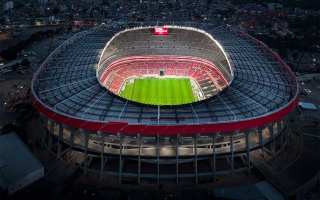 Estadio Azteca was supposed to symbolize Mexico’s readiness for the 2026 World Cup, but after reopening the stadium has become the center of growing controversy. Fans have complained about unfinished works, poor sightlines and organizational chaos, while concerns are also rising over structural safety and ground subsidence beneath the stadium.
Advertisement
Problems at Estadio Azteca after the stadium reopening
Although the official reopening of Estadio Azteca after renovation took place on March 28, 2026, the stadium still resembles a construction site. Fans attending Mexico national team matches and Liga MX games pointed out numerous flaws that should not appear at a venue preparing to host the FIFA World Cup.
The biggest criticism concerned the new pitchside seats. Spectators sitting in the front rows complained that advertising boards and photographers significantly blocked their view of the field. The issue became so serious that some of the most expensive seats were removed from use after the very first matches. In addition, parts of the seating installation were still unfinished despite the stadium officially reopening.
Fans also highlighted limited visibility in the upper sections of the stadium. Some seats are obstructed by concrete structures and safety railings, triggering a wave of criticism on social media. Many supporters argued that such problems are unacceptable considering ticket prices exceeding the equivalent of $100.
Modern stadium project in Mexico still unfinished
The condition of the sanitary infrastructure also sparked controversy. Fans shared photos of unfinished restrooms, missing equipment, and visible damage beneath the stands. During one Liga MX match, fragments of concrete reportedly fell from beneath several seats, raising concerns about structural safety.
Experts point to time pressure as one of the main reasons behind the problems. Mexico has known since 2018 that it would co-host the World Cup alongside the United States and Canada, yet actual renovation work only began six years later. As a result, contractors were forced to complete the modernization under intense deadlines.
Architects from Populous, responsible for the project, argued that the stadium needed to reflect modern trends combining sports and entertainment. In practice, however, most changes were limited to replacing seats, installing LED screens, upgrading lighting systems, and improving VIP areas. Many observers believe the stadium still falls behind Europe’s most modern arenas and even newer stadiums in Monterrey and Guadalajara.
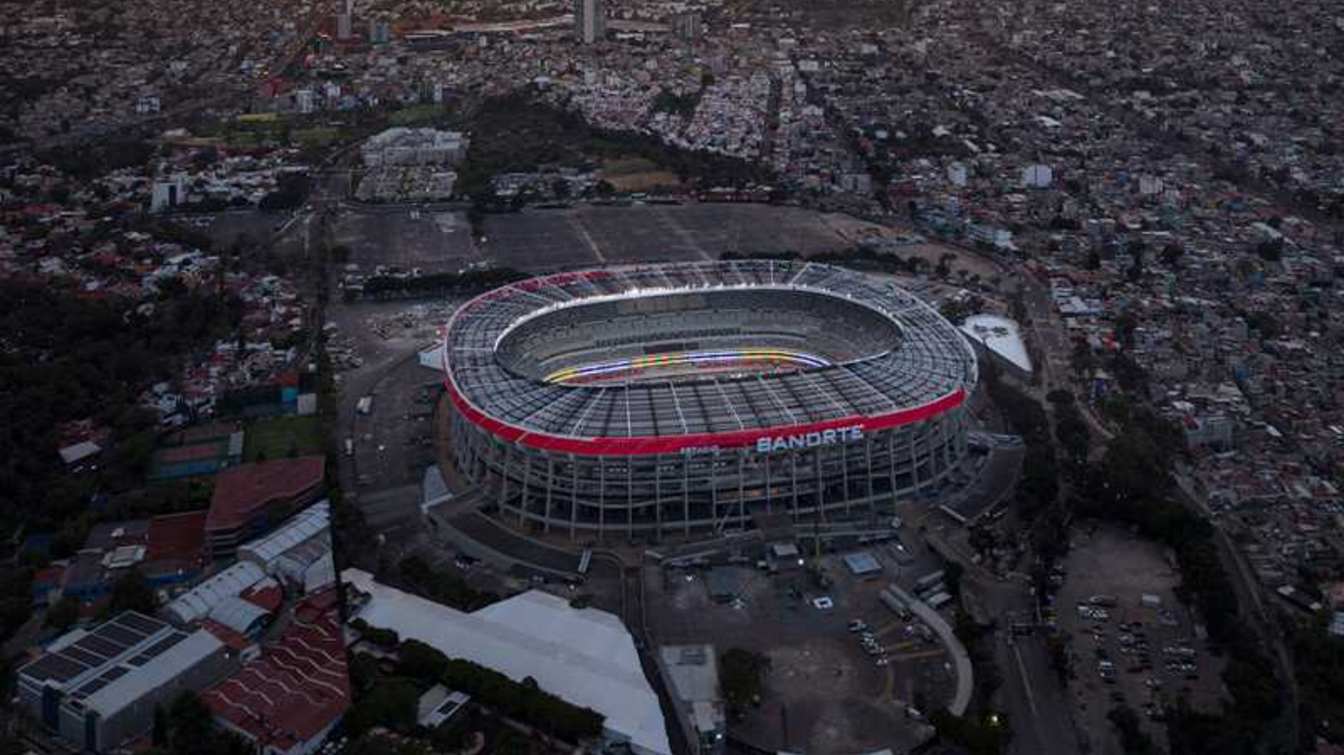 © Selección Nacional de México | Estadio Azteca was supposed to symbolize Mexico’s readiness for the 2026 World Cup, but after reopening the stadium has come under heavy criticism over unfinished works, poor sightlines and safety concerns.
Estadio Azteca capacity and premium areas for the 2026 World Cup
One of the primary goals of the renovation was the creation of new hospitality zones for wealthy fans and FIFA sponsors. Luxury suites and exclusive premium areas were added throughout the stadium. At the same time, a major controversy emerged regarding the historic private boxes inside Azteca.
Back in the 1960s, private investors helped finance the stadium in exchange for 99-year rights to use suites during all events hosted at the venue. However, FIFA requires full control over premium seating during the World Cup, leading to a lengthy legal dispute.
Eventually, Grupo Ollamani was forced to compensate suite owners with payments exceeding $62 million. The conflict highlighted the complicated ownership structure surrounding one of the world’s most iconic stadiums.
Technological problems at Estadio Azteca before the World Cup
The modernization was also supposed to significantly improve the stadium’s technological infrastructure. The venue received new Wi-Fi systems, upgraded surveillance technology, and digital entry systems without traditional turnstiles. In theory, the stadium was meant to match the standards of Europe’s best arenas.
However, the first events after reopening revealed major operational problems. According to reports, media representatives and FIFA officials complained about overloaded internet networks, issues with scanning digital tickets, and chaotic entry procedures. For World Cup organizers, this represented a serious embarrassment, as reliable digital systems are now considered essential for safety during major sporting events. FIFA officials reportedly demanded immediate improvements to the stadium’s internet infrastructure and increased network capacity before the tournament begins.
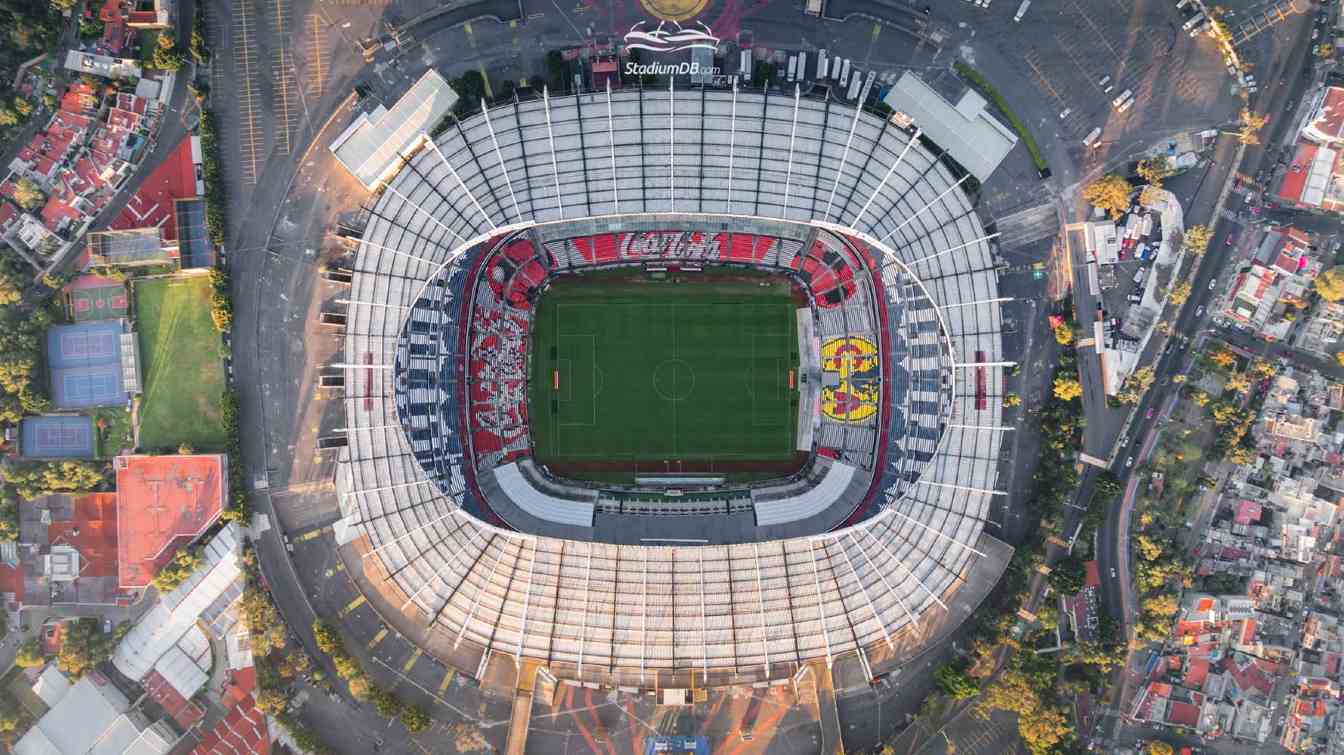 © Grzegorz Kaliciak | Organisational chaos, falling concrete elements and technology failures — Estadio Azteca is facing growing controversy less than a year before the 2026 World Cup, despite being set to host its historic third FIFA tournament.
Estadio Azteca structure raises concerns among NASA scientists
The biggest concerns, however, involve not the appearance of the stadium, but its structural safety. According to media reports, scientists using NASA satellite technology are monitoring the situation closely.
The issue is linked to the gradual sinking of the ground beneath Mexico City, caused by decades of groundwater extraction. Experts are analyzing tiny movements in the soil that could potentially affect the stability of the stadium structure.
Visible concrete damage and falling fragments of infrastructure have increased concerns among both fans and specialists. Although there is currently no indication of an imminent structural catastrophe, the subject has become extremely sensitive ahead of the World Cup.
Transport improvements around Estadio Azteca before the World Cup
Authorities in Mexico City have also launched major transportation preparations around the stadium. A dedicated Metrobús line is expected to play a key role during the tournament by transporting fans directly to the venue.
The new service will operate between the Perisur and Cañaverales stations, with buses stopping near Avenida Renato Leduc close to Gate 8 of the stadium. Officials hope the system will help prevent the massive traffic jams that regularly paralyze the southern part of the city during major events. The payment system will be fully cashless. Fans will be able to use payment cards, smartphones, and NFC-enabled smartwatches, further reinforcing the modern image of the 2026 World Cup.
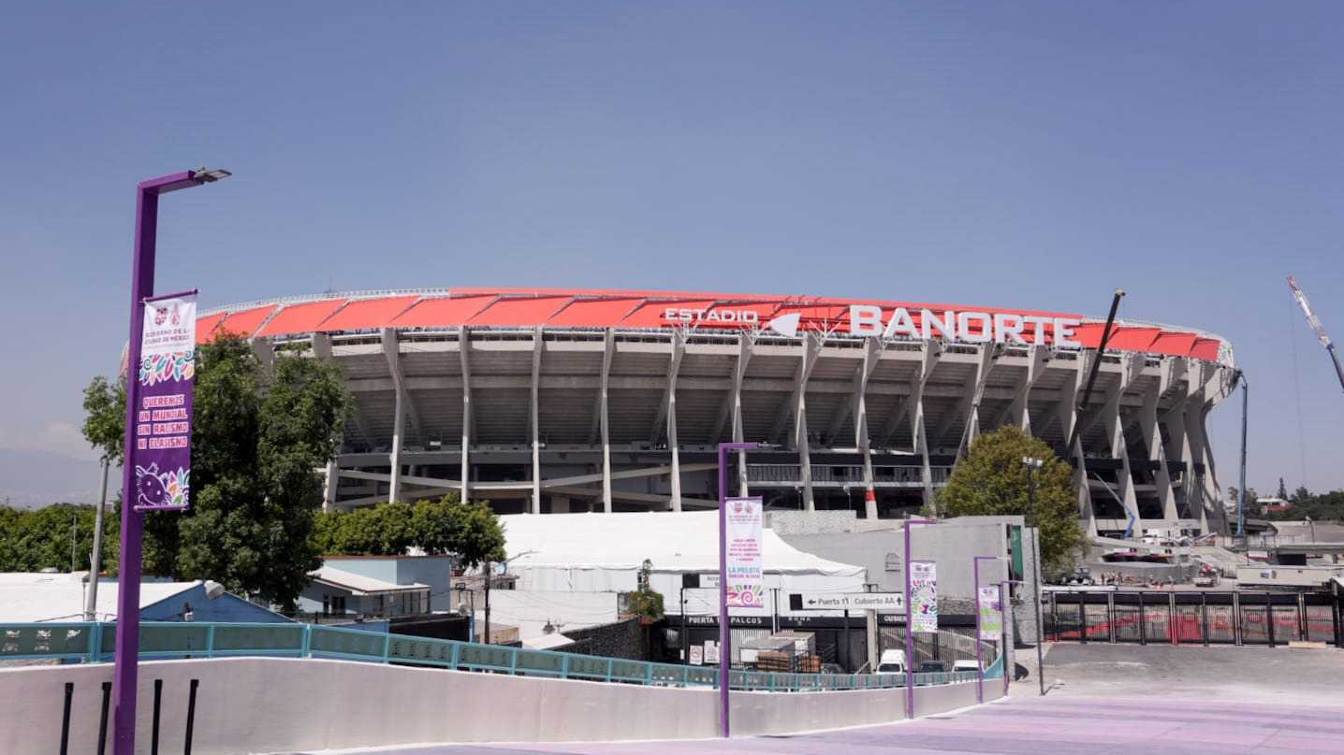 © Ciudad de Mexico | The renovation of Estadio Azteca was meant to create a modern World Cup-ready stadium, yet fans and experts continue to raise concerns about unfinished infrastructure and ground subsidence beneath the venue.
2026 World Cup opening ceremony at Estadio Azteca full of stars and Mexican symbolism
The 2026 FIFA World Cup will begin in Mexico City with a spectacular opening ceremony designed not only as a sporting celebration, but also as a global showcase of Mexican culture. FIFA announced that the ceremony will begin 90 minutes before the opening match between Mexico and South Africa on June 11. As a result, the legendary stadium will become the first venue in history to host matches during three different FIFA World Cups.
Organizers are preparing a large-scale production combining music, dance, contemporary folklore, and performances representing Mexico’s indigenous cultures. FIFA confirmed that performers will include Alejandro Fernández, Belinda, Danny Ocean, J Balvin, Lila Downs, Los Ángeles Azules, Maná, and Tyla.
The visual identity of the ceremony will be inspired by traditional Mexican papel picado decorations associated with local festivals and folk culture. FIFA and Balich Wonder Studio aim to highlight Mexico’s unique cultural identity and create one of the most memorable World Cup opening ceremonies in history.
Advertisement