 StadiumDB
England: New chapter for Maidenhead United. Club reveals first renderings
source: StadiumDB.com ; author: Jakub Ducki
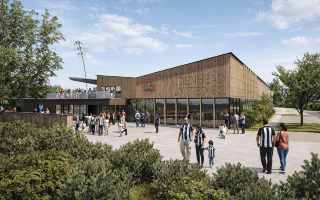 Football club Maidenhead United has for the first time presented images and plans for its future stadium. The project is intended to facilitate a move away from the club's legendary home at York Road and open up new opportunities for development.
Advertisement
Move gets closer
The Maidenhead-based football club has officially revealed, for the first time, what its new home could look like. The project envisions a stadium being built at Braywick Park, but before work can begin, the council must first approve the sale of six acres of public land — the very plot that would make the entire venture possible.
Maidenhead United's chief executive Jon Adams makes no secret of the club's determination. After years of searching for a new location, the ambitions are clear: if the formalities are concluded successfully, the move could happen within two seasons. It's a very tight timeline, but the club stresses that further delays would only deepen the constraints it already faces. As discussions around the project continue, supporters are closely following every update surrounding the future stadium, from accessibility and facilities to the broader matchday experience. Many fans also stay engaged with the wider football landscape through resources such as the best sports betting apps, where fixtures, odds, and analysis have become part of the modern conversation around the game.
Larger stadium and new opportunities
The new facility is set to significantly surpass the current York Road ground in terms of capacity and standard. The plan provides for 5,000 spectators, including 2,000 seated. By comparison, the existing stadium offers just 500 seats — making the change enormously significant not only for fan comfort but also for the club's sporting future.
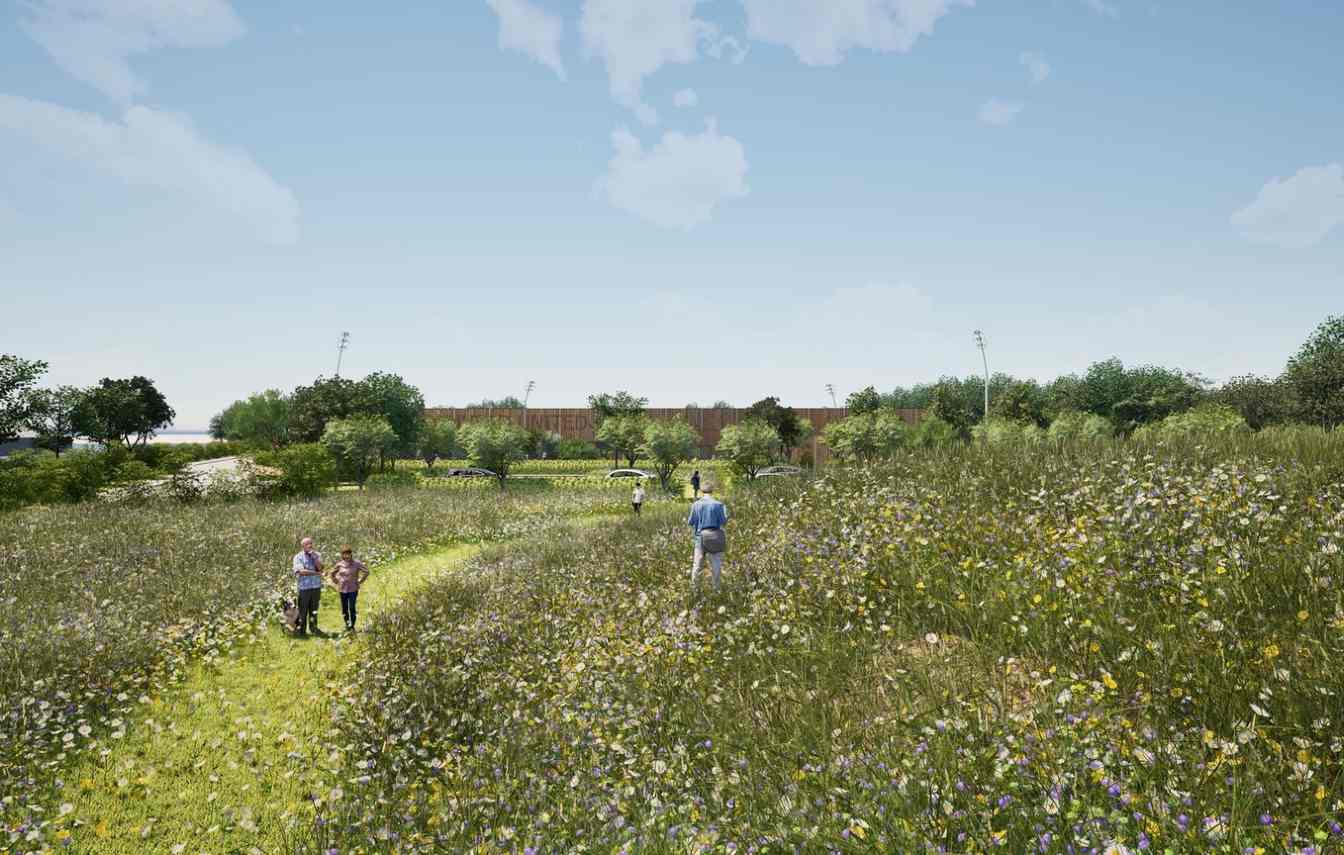
It is precisely these parameters that would allow Maidenhead United to meet EFL requirements, which in practice would open the door to growth at a higher organisational and competitive level. The planned site is located behind the Braywick leisure centre, the tennis courts, and Forest Bridge School. Today it is an open green space situated south of Vicus Way and a waste collection point, between the Braywick Park nature reserve and a cluster of sports facilities.
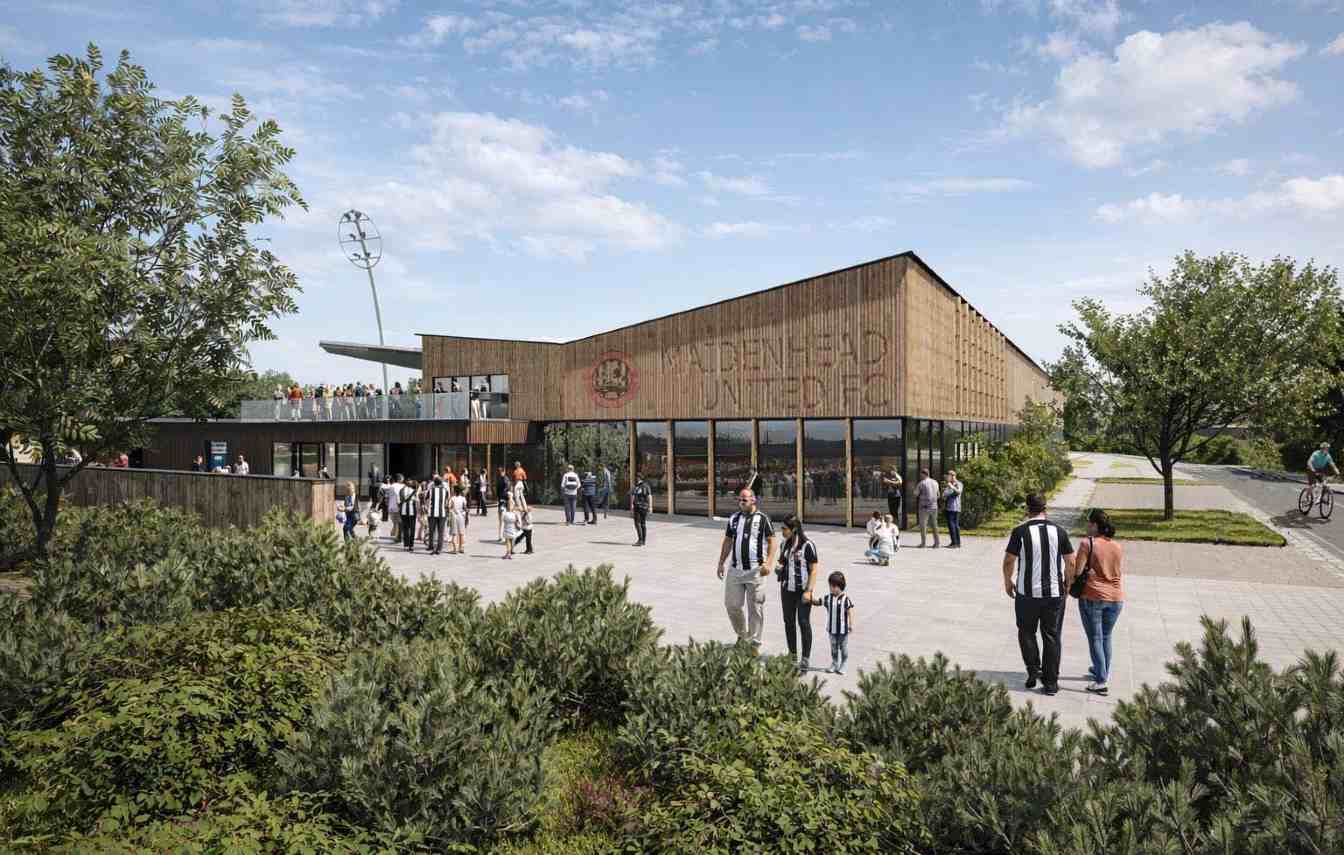
The new stadium would be built behind the athletics track and the Padel Maidenhead club pavilion. The main clubhouse is planned at the front of the plot, with car parks on either side of the pitch — though their availability would be restricted, particularly on matchdays.
 ©
© Stadium with its own character
One of the project's central principles is preserving a distinct character for the venue. The club argues it has listened to its supporters and has no intention of building a generic, identity-free stadium. One big piece of feedback that we got from supporters was that they didn’t really want the ground to be sort of this homogeneous, ‘everything feels the same’ ground,
said Jon.
They wanted to have a sense of design and uniqueness – a reflection of the heritage of the club at York Road, where everything’s a little bit different,
Adams added. For this reason, the architects retained terracing behind the goals, which was one of the fans' key expectations.
The clubhouse itself is designed to combine a contemporary aesthetic with sensitivity to its parkland surroundings. Rather than necessarily having a big brash Maidenhead United sign, we’re talking about sympathetic designs that give us the identity but fit within the context,
said Jon. The facade is set to be dominated by timber cladding and louvres to soften the building's mass. Inside, facilities will include a club shop and a bar. This could be an area which is opened as a ‘park-type’ community café, suitable for dog walkers, cyclists, runners, all of those sorts of things, so it’s open seven days a week,
said Jon.
Fewer concerns, more functions
In response to earlier objections regarding the scale of the development, the club scaled the project back from three storeys to two. According to Maidenhead United representatives, the planned building will be no taller than the nearby Braywick leisure centre or the padel club.
The plans also include an expanded path network and the creation of three main concourses, designed to help manage supporter flow and provide space for gathering outside the stands. On matchdays, the stadium car parks will be reserved primarily for players, staff, and disabled visitors, while the Vicus Way car park is intended to serve away supporters.
 ©
© Advertisement