 StadiumDB
Australia: Environmental department approves Victoria Park Stadium project
source: StadiumDB.com ; author: Jakub Ducki
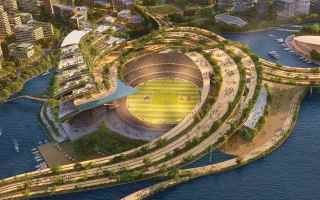 Brisbane’s controversial Olympic stadium project has cleared one of its biggest hurdles. Australia’s federal environmental department approved the planned Victoria Park Stadium, opening the door for preparatory works ahead of the 2032 Olympic Games and future large-scale redevelopment.
Advertisement
Federal approval clears major hurdle for Brisbane’s Olympic stadium
The Australian federal environmental department has officially approved the construction of the new 63,000-seat Olympic stadium planned for Victoria Park in Brisbane. The project, which will become the centrepiece of the 2032 Olympic and Paralympic Games, was classified as a not controlled action,
meaning authorities concluded it is unlikely to significantly impact nationally protected environmental matters.
The decision also covers the planned National Aquatic Centre in nearby Spring Hill. According to the Queensland government, preparatory works are expected to begin once control of the land is formally transferred to the Games Independent Infrastructure and Coordination Authority (GIICA) on June 1.
The future stadium at Victoria Park — also known by its Indigenous name Barrambin — is planned as Brisbane’s main venue for the 2032 Olympics. It is expected to host the opening and closing ceremonies as well as athletics competitions before later becoming the home of cricket and Australian football events. Excitement for the Olympics is already growing, but for now Australians — and football fans around the world — are even more focused on the World Cup. Many supporters are already checking Football world cup 2026 betting odds, which offer some of the best bonuses for players ahead of the upcoming major tournament.
 ©
© New renderings reveal broader vision for the precinct
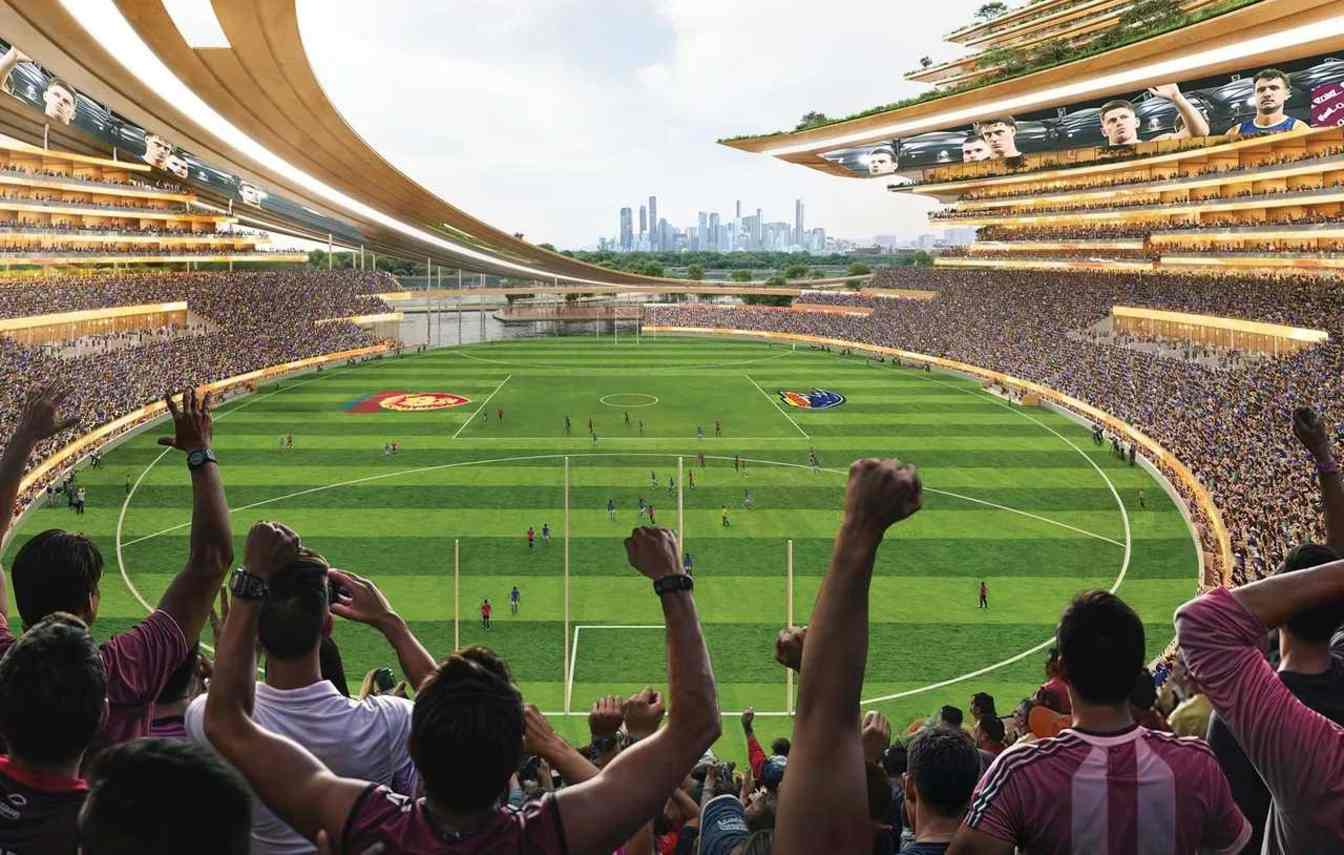
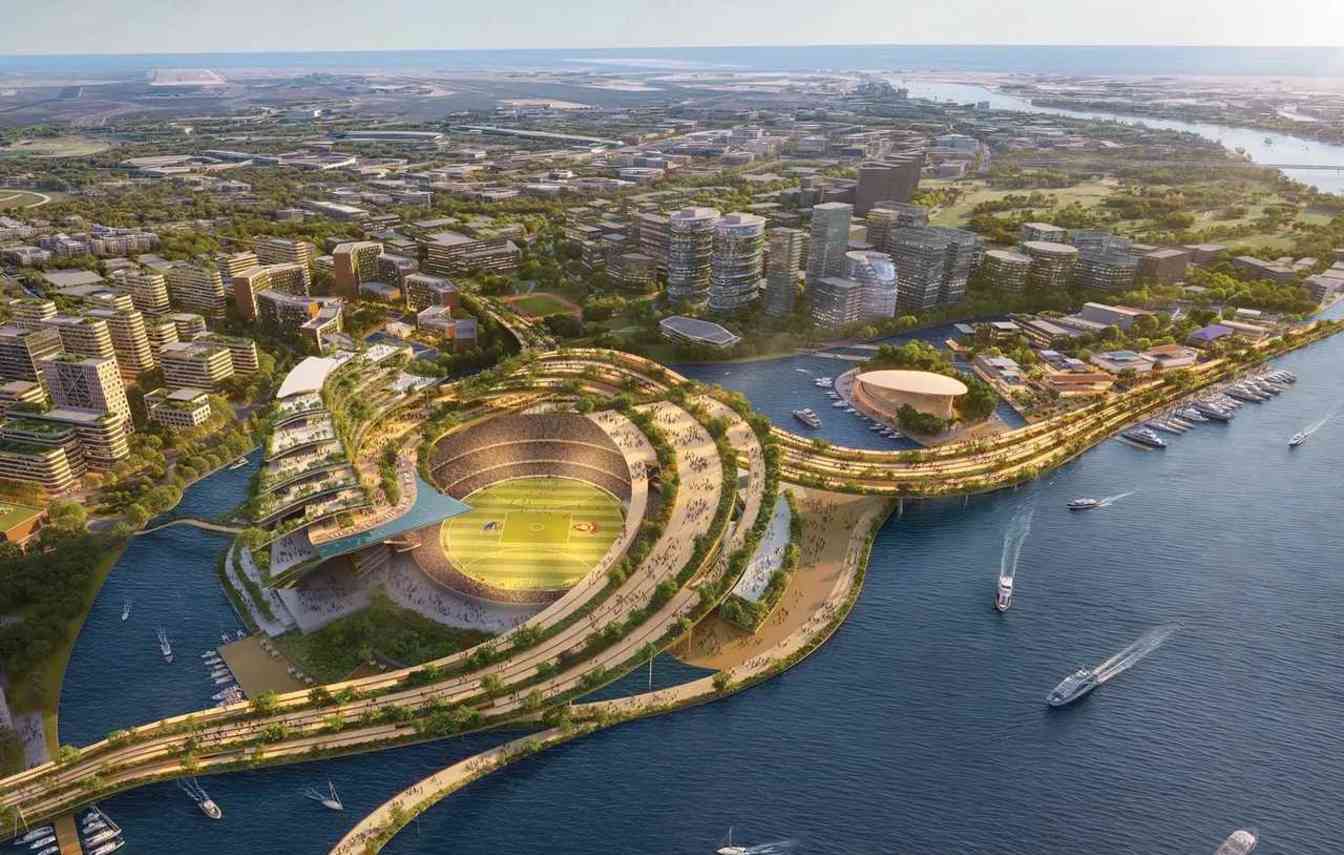
In recent weeks, Australian media have published additional details and renderings showing how the wider Victoria Park precinct could look after redevelopment. The masterplan envisions large areas of new parkland, wetlands, walking paths and recreational zones surrounding the stadium. Designers from COX Architecture, Hassell and Japanese firm Azusa Sekkei aim to integrate the venue into the landscape rather than create a standalone concrete complex.
The stadium itself could also become a year-round tourist attraction. Current concepts reportedly include rooftop walks, elevated viewing platforms, museums and public spaces inspired by experiences already operating at venues such as Adelaide Oval and Optus Stadium.
Queensland authorities emphasize that the venue is intended to leave a long-term legacy beyond the Games, serving both sport and tourism while transforming one of Brisbane’s largest inner-city green areas.
 ©
© Opposition and cultural concerns remain
Despite the environmental approval, the project continues to face criticism from local groups, heritage advocates and Indigenous organizations. Victoria Park is a heritage-listed site with deep historical significance for First Nations communities, and several applications seeking federal cultural protection for the area remain under review.
Groups opposing the project argue that the stadium will permanently alter one of Brisbane’s most important public green spaces. Critics also point to concerns about environmental impacts, cultural heritage and the overall cost of Olympic infrastructure.
Even so, the approval marks one of the biggest breakthroughs so far for Brisbane 2032 preparations. After months of political debate and uncertainty surrounding the future Olympic venue strategy, the Victoria Park project can now move into the next phase of development.
Advertisement