 StadiumDB
WC 2026: Metlife Stadium without parking – a transport revolution during World Cup
source: StadiumDB.com ; author: Paulina Skóra
 The 2026 World Cup will introduce unusual changes around MetLife Stadium that could surprise even seasoned fans. The traditional way of getting to matches will give way to a completely new model. What will this logistical experiment look like?
Advertisement
Ban on parking at Metlife Stadium during the 2026 World Cup
One of the most surprising decisions by the organizers is a complete ban on parking at MetLife Stadium during World Cup matches. This means fans will not be able to arrive by their own cars or take part in the traditional NFL tailgating culture, i.e. pre-game grilling and gatherings in parking lots. The decision stems from the fact that parking areas around the stadium will be repurposed for other uses, including fan zones and security infrastructure. Organizers emphasize that limiting car traffic is also intended to improve transport flow and reduce the risk of traffic chaos.
Instead of individual transport, organizers are focusing on an expanded public transportation system. A key role will be played by NJ Transit, which will provide increased rail and bus services. The stadium will be served by special train lines and dedicated buses operating, among others, from New York. A park-and-ride system will also be introduced, allowing fans to leave their cars on the outskirts of the metropolitan area and continue their journey via public transport. Additionally, special bus lanes are planned, which are expected to significantly shorten travel times and improve the reliability of the entire system.
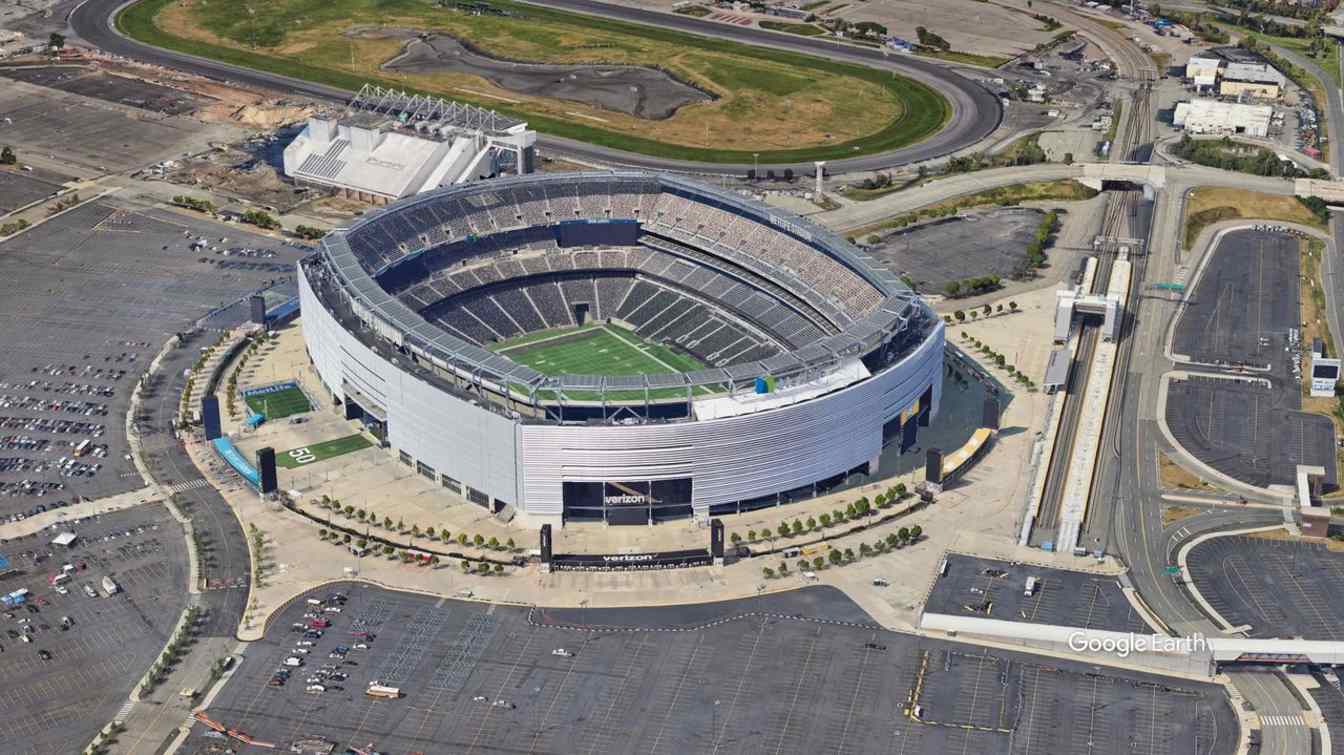 © Google Earth | During the 2026 World Cup, parking at MetLife Stadium will be completely banned, eliminating traditional tailgating.
Experience from Taylor Swift concerts and major events at Metlife Stadium
The transport plan for the World Cup was not created in a vacuum, but is based on experience from previous large-scale events held at MetLife Stadium. Particularly important were Taylor Swift’s concerts as part of The Eras Tour in 2023, during which tens of thousands of attendees were transported efficiently.
However, traffic analysis showed that the lack of adequate park-and-ride solutions led to significant congestion on nearby routes such as Route 3 and Route 17. Lessons learned from these events have been incorporated into the transport system design for the 2026 World Cup, which is intended to be more balanced and less dependent on private cars.
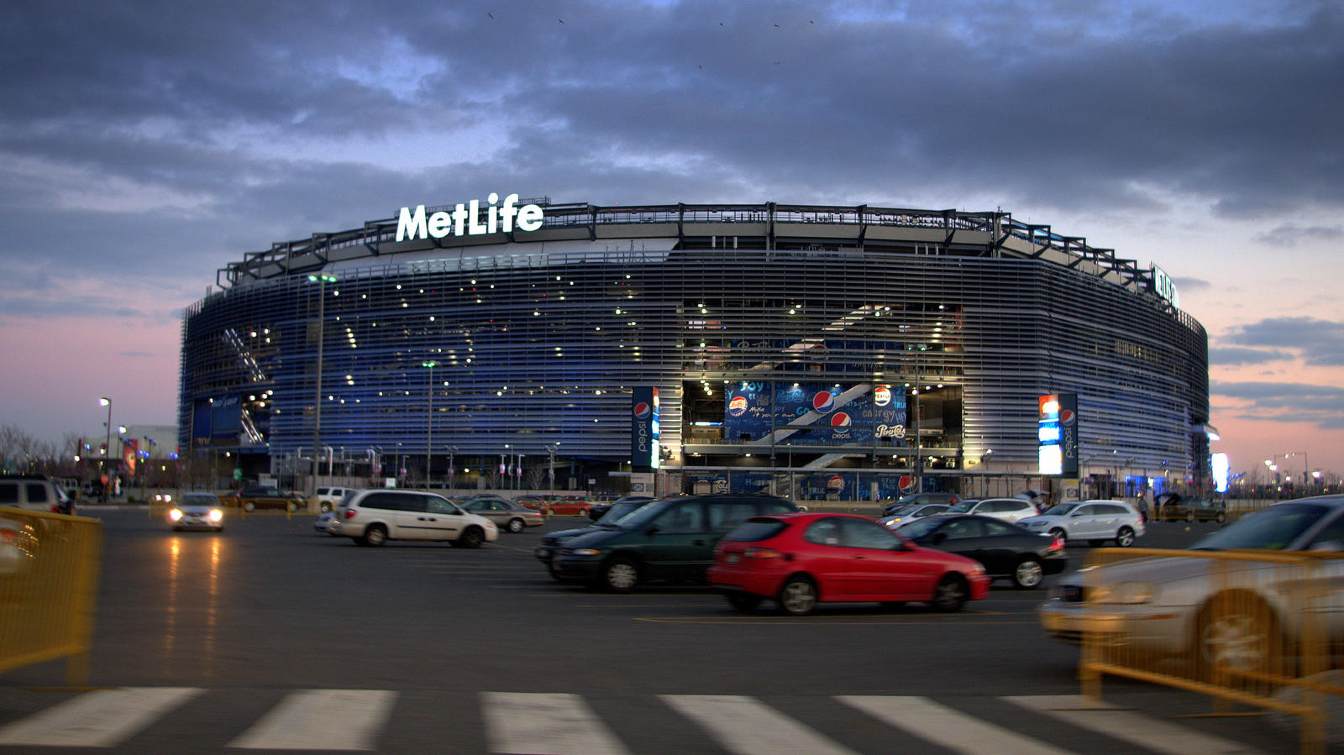 © Schen Photography (cc: by) | Fan transport will rely mainly on public transit, including expanded NJ Transit services and a park-and-ride system.
Modern logistics and fan transport during the 2026 World Cup
As part of preparations for the tournament, modern traffic management technologies are also being implemented, including intelligent transport systems and electronic information boards. In addition, NJ Transit has secured a fleet of additional buses to be used during periods of increased demand.
Organizers are also planning dedicated solutions for people with disabilities, including accessible rail and bus transport as well as stadium infrastructure. A detailed mobility plan is expected to be fully presented before the start of the tournament, but it is already clear that this will be one of the most comprehensive transport operations in the history of sporting events in the New York and New Jersey region.
Advertisement