 StadiumDB
USA: Two locations, one problem. Taxes complicate the Chicago Bears decision
source: StadiumDB.com ; author: Paulina Skóra
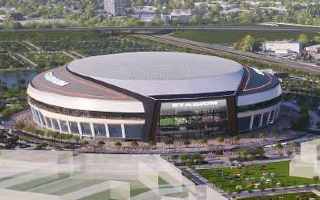 The decision is fast approaching. Chicago Bears are facing a choice that will shape the franchise for decades — stay in Illinois or move to Indiana. But behind this battle, it’s not just about a stadium — it’s about billions of dollars and a growing political conflict over taxes.
Advertisement
Chicago Bears and a new stadium: key meeting in Hammond
In recent days, representatives of the Chicago Bears have taken another meaningful step in choosing the site for a new stadium. Chairman George McCaskey and president Kevin Warren met with officials from Hammond directly at the proposed development area near Lost Marsh Golf Club. The visit went beyond a courtesy call—it formed part of detailed technical and financial due diligence.
Talks focused on the practical feasibility of building a modern venue at this location, which—if selected—would become the club’s new home. Hammond’s authorities have signaled clear willingness to cooperate, and the meeting was widely read as a political and investment signal that this option is gaining traction.
Chicago Bears stadium race: Arlington Heights or Hammond
The decision process is unfolding along two parallel tracks. On one side, the club is considering a project in Arlington Heights, where it already controls more than 300 acres of land. On the other, momentum is building in Hammond, where local officials have prepared concrete legislative and financial tools to attract the investment.
The Arlington Heights concept includes a domed stadium and a broader mixed-use development designed to generate year-round revenue. However, the plan faces hurdles tied to taxation and the role of public funding—issues that have elevated the Indiana alternative from backup to credible contender.
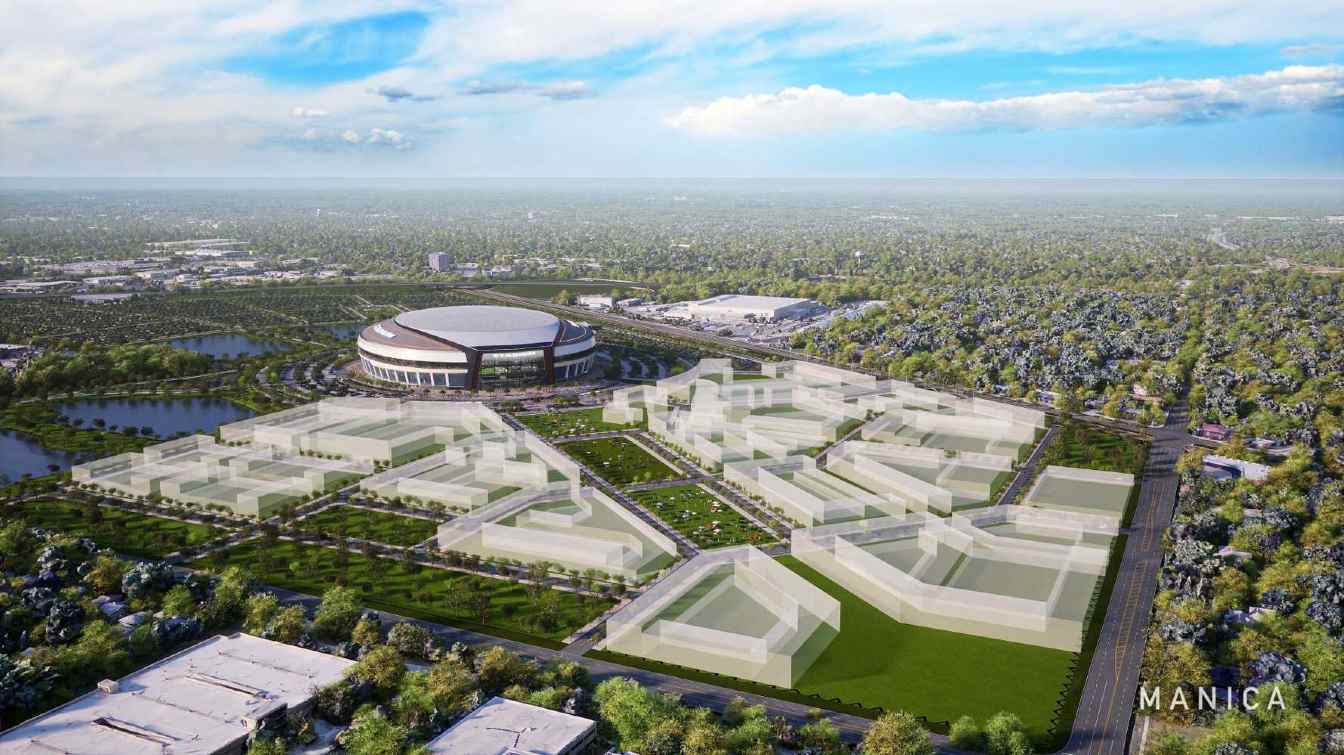 © MANICA | Arlington Heights remains the leading option, with the Bears owning the land and planning a domed stadium alongside a major commercial development.
Financing the Chicago Bears stadium and the public money debate
Financing remains central. In Indiana, a dedicated body—the Northwest Indiana Stadium Authority—would issue bonds to fund construction. The model предполагаes significant public participation, to be repaid in part through rent paid by the club.
In Illinois, lawmakers are working on a PILOT-style mechanism that would freeze property taxes and replace them with negotiated payments to local authorities. The approach is critical for the viability of Arlington Heights, but it has become politically and socially contentious.
Teachers push back as education concerns enter the debate
An often underplayed thread is opposition from education groups. Organizations such as the Illinois Federation of Teachers argue that tax concessions for a multibillion-dollar project could undermine school funding.
From their perspective, the PILOT mechanism risks shifting the tax burden onto residents and reducing revenues for local school districts. That raises concerns about the long-term stability of education financing. Lawmakers are attempting to address these issues through amendments, but the topic remains one of the most divisive aspects of the plan.
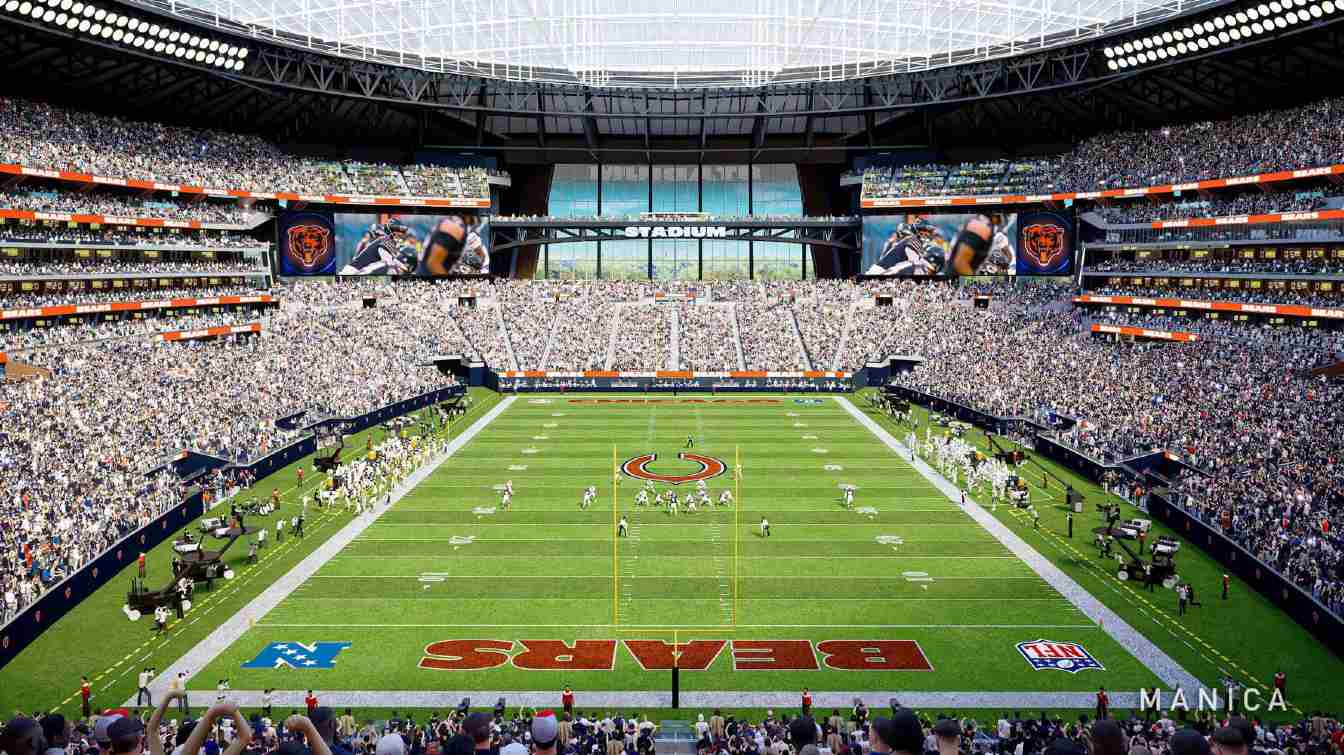 © MANICA | However, the project depends on tax reforms such as the PILOT law, which faces political resistance and concerns over school funding.
The broader debate has evolved into a political balancing act. Authorities in Illinois are trying to keep the team in-state while justifying the use of public funds for a privately operated sports venue. Some policymakers insist any support must deliver wider regional benefits, including redevelopment around Soldier Field, and potentially additional investment in public infrastructure.
Timeline and the future of the Chicago Bears stadium
Time pressure is mounting. The National Football League is expecting clearer commitments on location, and an upcoming league stadium committee meeting is set to review progress, adding urgency to the process.
Club officials indicate a final decision could come by late spring or early summer. The aim is to begin construction within the next few years and open the venue around 2030. Regardless of location, the project is expected to deliver a modern, multi-use facility capable of generating revenue beyond game days.
Future of Soldier Field after a potential move
Alongside plans for a new stadium, questions remain about the future of Soldier Field. If the Bears relocate, the venue could be repositioned as a concert and events space, maintaining its role in the city.
The proposal envisions an investment of hundreds of millions of dollars to adapt the stadium for continued use as a key public and tourism asset. At the same time, the club could face compensation costs tied to an early lease termination—another financial layer in an already complex project.
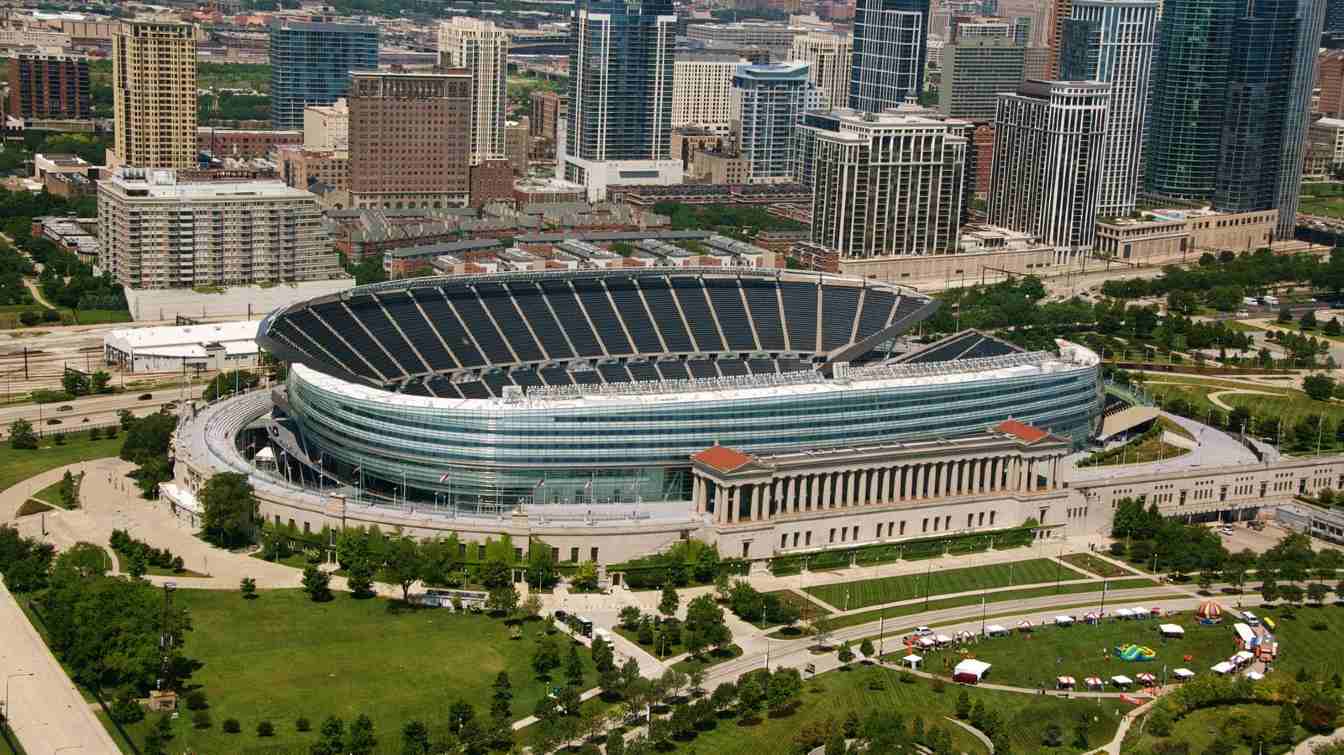 © Julie | If the Bears leave, Soldier Field is expected to be repurposed into a concert and events venue, maintaining its role in the city.
Advertisement