 StadiumDB
USA: Controversy over the construction and public financing of the Tampa Bay Rays stadium
source: StadiumDB.com ; author: Paulina Skóra
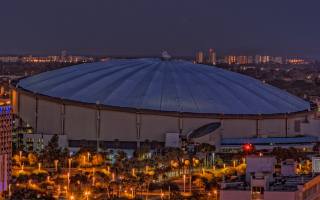 The Tampa Bay Rays stadium project is sparking growing controversy, with its financing becoming the subject of intense public debate. The large-scale investment is dividing residents and policymakers. Will a compromise be found?
Advertisement
Tampa Bay Rays and the $2.3 billion stadium project
The authorities of the city of Tampa and the management of the Tampa Bay Rays have begun formal proceedings on one of the largest infrastructure projects in the region’s history, with a total budget of approximately $2.3 billion. A key document in this matter is the Memorandum of Understanding (MOU) presented by the club, which outlines the preliminary cost-sharing structure between the private and public sectors.
A significant issue raised by local authorities is the fact that the MOU was prepared by the Rays organization and has not yet undergone full legal review by public institutions. According to information provided by county legal counsel Julia Mandell, the document was not consulted across all branches of the administration, raising questions about its credibility and feasibility. Council member Lynn Hurtak emphasized that the document may serve as a starting point for further discussions, but noted that many key issues remain unresolved.
According to the assumptions, the Rays are expected to cover around $1.235 billion of stadium construction costs and any potential budget overruns, while the remaining portion would come from public funds. This includes $750 million from Hillsborough County, $251 million from the city of Tampa, and an additional $64 million from other public sources. The project assumes no need for new taxes, which is intended to ease residents’ concerns.
One of the foundations of the agreement is the do no harm
principle, which states that stadium financing must not negatively affect key public services such as police, fire departments, or emergency management. In practice, however, many council members and residents remain skeptical, pointing to the lack of detailed mechanisms protecting the city budget.
Tampa and financial controversies over the Rays stadium
One of the most disputed elements of the project is the use of public funds, including the Community Investment Tax (CIT), Tourist Development Tax (TDT), and Community Redevelopment Area (CRA) resources. Some council members believe these funds should primarily be allocated to education, transportation, and public safety.
Supporters of the project argue, however, that the stadium investment could bring long-term economic benefits, increase job creation, and attract tourists. The dispute over budget priorities remains one of the central points of the entire debate.
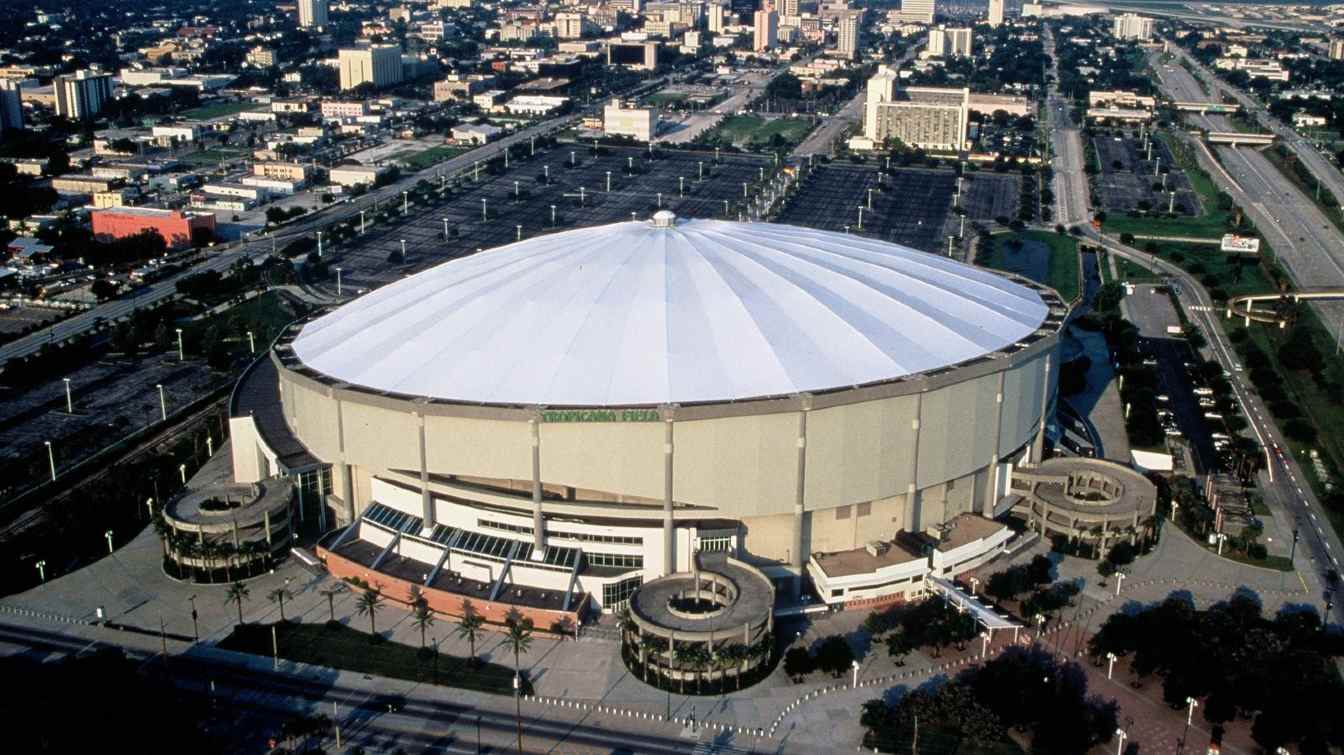 © CityofStPete (cc: by-nc) | The $2.3 billion Tampa Bay Rays stadium project involves a mix of private and public funding, sparking major controversy.
Tampa and the opening of Rays stadium consultations
The Tampa City Council approved a motion to begin broad public consultations regarding the financing of the Tampa Bay Rays stadium project. This decision means that before final agreements are reached, residents will be able to express their views on the scale of public funding involvement. Council member Bill Carlson emphasized that the key issue will not only be gathering public opinion but also discussing the detailed terms of the agreement. He stated that the current stage is only the beginning of a long negotiation process.
Independent public opinion polls indicate that a clear majority of residents oppose allocating CIT tax revenues to the construction of a baseball stadium. Only a small percentage of respondents support such spending priorities. These results strengthen the arguments of project opponents, who emphasize that social priorities differ from multibillion-dollar sports investments.
The key public meeting regarding the Rays stadium project is scheduled for May 5 at the Tampa Convention Center. The event will be attended by representatives of the city, county, and the club, and its purpose will be to discuss the details of the MOU and gather residents’ opinions. The City Council also approved a request for a report from the Tampa Sports Authority, which will include recommendations for further steps regarding the project.
Tampa and the impact of the Rays stadium construction on education
As part of the stadium project, upgrades to educational infrastructure in the Hillsborough College Dale Mabry Campus area are also planned. The plan includes the creation of temporary educational facilities that will allow classes to continue during stadium construction. The The Nest
project aims to transform the campus and better integrate it with the new sports and commercial district. University officials emphasize that the priority is to maintain educational continuity and minimize disruptions for students.
Although the investment is expected to bring long-term benefits, concerns have been raised about short-term disruptions. Temporary relocation of classes and construction site organization may affect the comfort of students and staff, despite assurances of minimized negative impact.
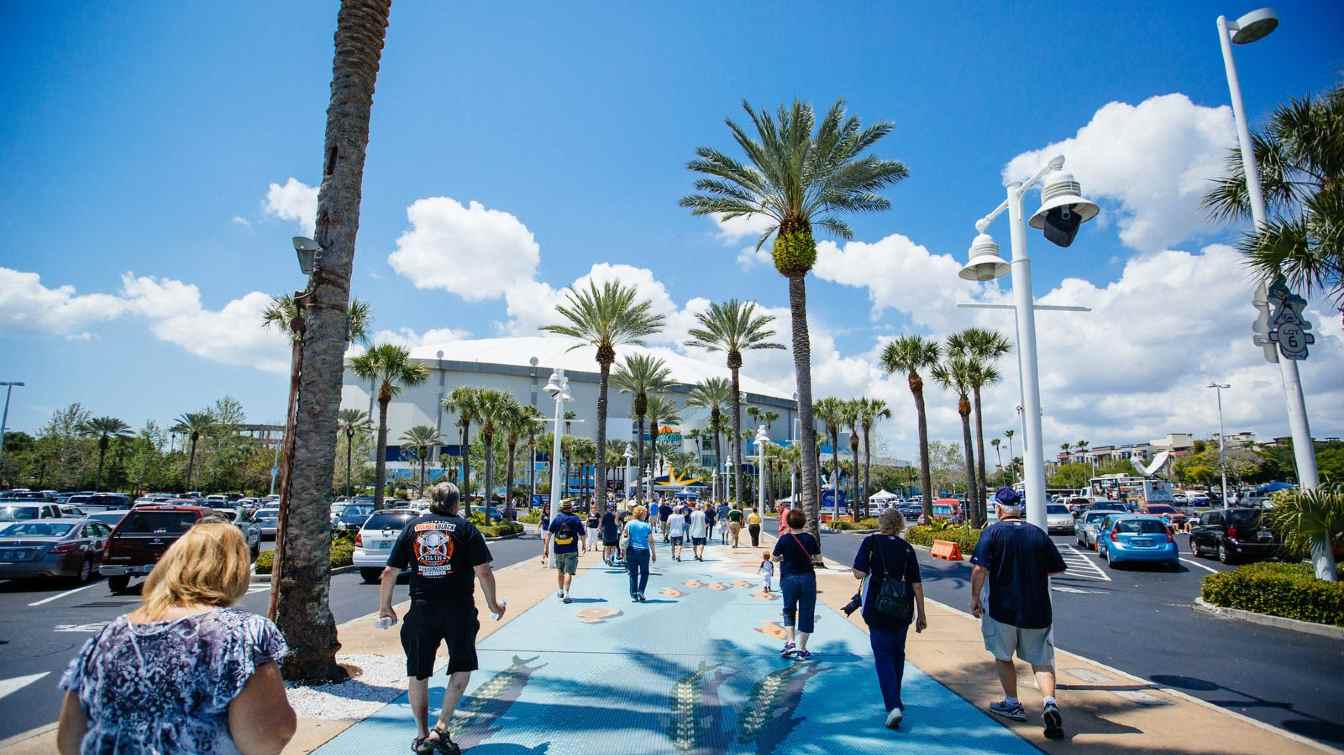 © CityofStPete (cc: by-nc) | Some officials and residents oppose using public funds, arguing they should be prioritized for education and public safety.
Tampa Bay Rays and stadium capacity
The new Tampa Bay Rays stadium is designed as a modern multi-purpose facility that will replace the current Tropicana Field. Although exact capacity figures have not yet been officially released, it is assumed that a high seating capacity will be maintained while significantly increasing spectator comfort. The project also includes expanded premium, VIP, and commercial areas, which are expected to generate significant revenue regardless of sporting events.
The new facility is intended to serve as a year-round entertainment center, including restaurants, shops, and event spaces. This model is designed to make the stadium independent of baseball seasonality and increase its profitability.
Tampa and risks of Rays stadium construction
The implementation of the stadium project involves numerous administrative and legal risks. Each of these elements may significantly affect the project timeline, which already assumes a multi-year implementation period.
The plan includes a 35-year lease agreement with an option to extend for another 15 years, intended to ensure the long-term presence of the Rays in the Tampa Bay region. Additionally, a clause prohibiting club relocation is being considered. However, experts point out that even long-term agreements do not always guarantee stability if economic or political conditions change.
 © CityofStPete (cc: by-nc) | The Tampa City Council has launched public consultations, with final decisions depending on further analysis and community feedback.
Advertisement