 StadiumDB
Spain: New parking at the Bernabéu – construction plans and urban mobility
source: StadiumDB.com ; author: Paulina Skóra
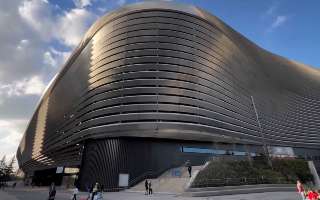 A new phase, same challenges. Madrid authorities are revisiting the parking project near Santiago Bernabéu Stadium—this time with a more balanced proposal. The plan aims to improve mobility around the stadium, but its future still depends on residents and legal hurdles.
Advertisement
A new approach by city authorities to parking at the Bernabéu
The original concept envisaged the construction of two parking facilities on both sides of the Bernabéu, but it was blocked by the courts following objections from residents. Now, the city council is proposing a more balanced project, one that stands a better chance of moving forward. The key shift lies in the approach—rather than pushing the investment through, the city aims to reach a compromise with the local community.
Unlike the previous attempt, officials have launched broad consultations with residents of the Chamartín district. Early discussions suggest that part of the community is open to the project, provided it is not tied to controversial events such as concerts at the stadium. Residents stress that improved parking availability is needed, especially on matchdays and during major sporting events. At the same time, concerns remain about whether the project could negatively affect quality of life in the area.
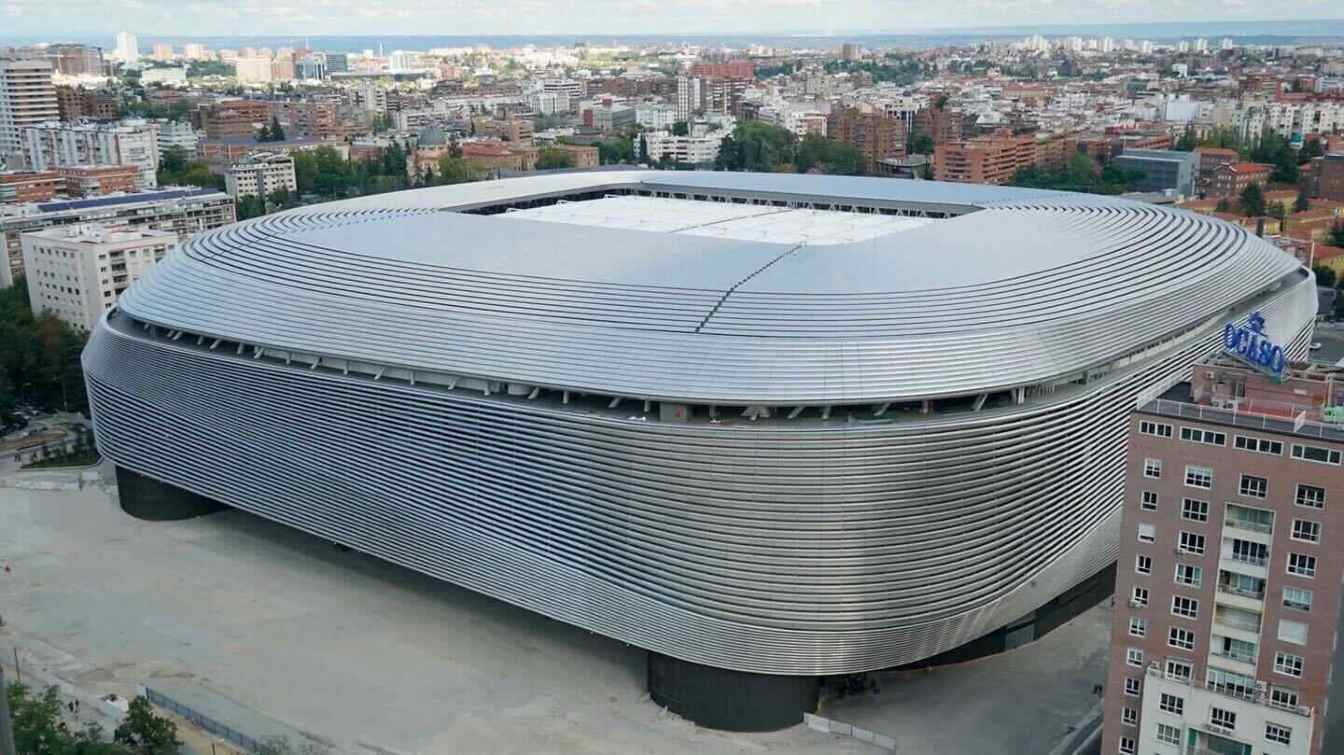 © Real Madrid | Madrid is revisiting plans for a parking facility near the Bernabéu, proposing a smaller and more balanced project after the previous one was blocked by court.
Modern parking infrastructure at Real Madrid’s stadium
The new facility is expected to offer more than 1,000 parking spaces, significantly improving availability for residents, employees, and customers of local businesses. The plan also includes preferential pricing, with a monthly fee of around €100—roughly half the market rate in this part of the city.
The project goes beyond traditional parking, aiming to create a comprehensive mobility hub. This would include car-sharing zones, spaces for electric scooters and motorcycles, charging stations for electric vehicles, and cycling infrastructure, including a public bike station. These solutions align with Madrid’s broader strategy for sustainable transport.
The new parking facility is also part of a wider urban concept referred to as the 360 mobility strategy.
Its goal is to reduce surface-level car traffic and improve the quality of public space around the stadium. Similar solutions have already been implemented in other parts of the city, such as Plaza de España and the Colón area, where integrating different modes of transport has led to reduced congestion and improved accessibility.
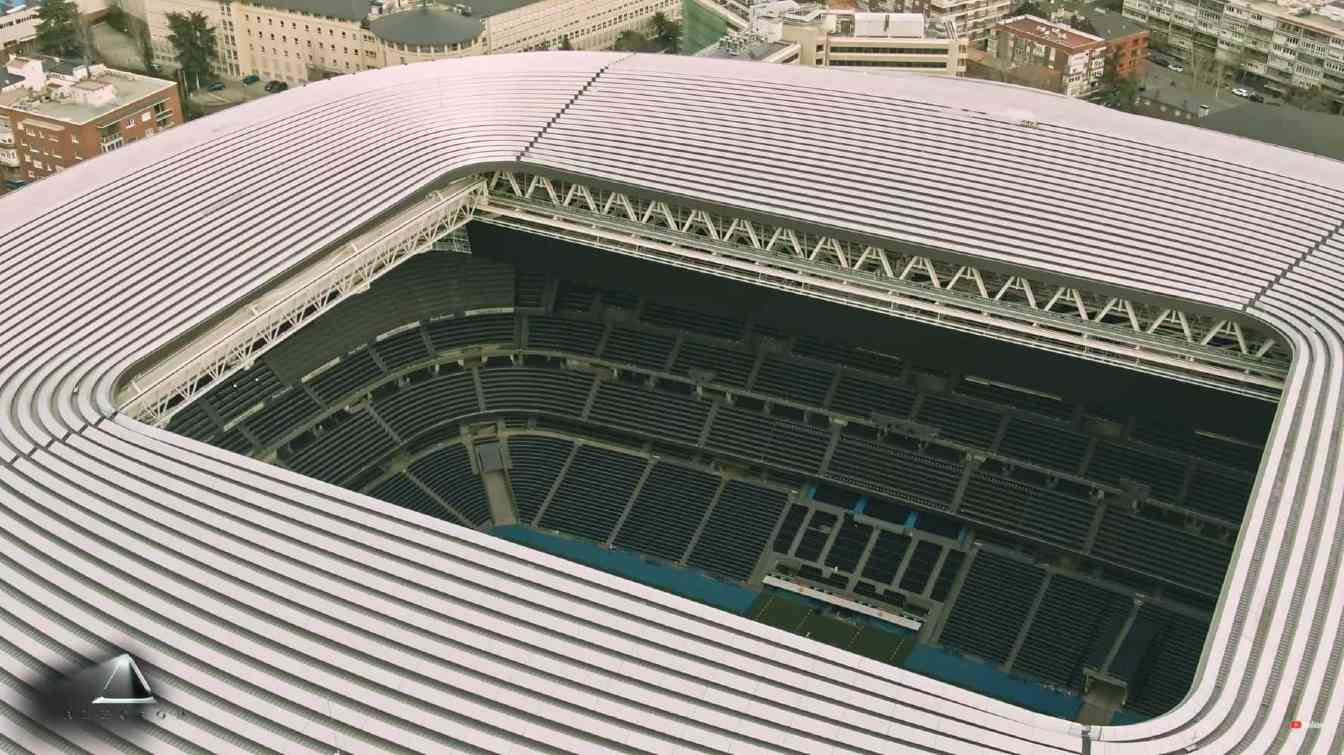 © Alecaom | The new facility would offer over 1,000 spaces and act as a mobility hub, although its future depends on residents and legal conditions.
Legal challenges and the Bernabéu parking project
One of the biggest challenges remains the legal framework. The previous project was blocked by a court ruling, forcing the city to redesign. Officials now emphasize a more cautious approach in preparing documentation to avoid further disputes. An additional factor is financial pressure—if the project were completely abandoned, the city could be required to pay compensation to Real Madrid, estimated at up to €15 million.
The project is currently around 40% complete in its planning phase, but its future depends on the outcome of public consultations and compliance with legal requirements. City authorities hope that this time the investment can be carried through, although the actual construction timeline may extend into the next municipal term.
Advertisement