 StadiumDB
Malta: Original island stadium. Malta to build a 5,000-seat venue
source: StadiumDB.com ; author: Małgosia Kowalska
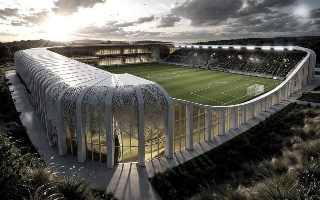 Malta is opting for a smaller, more tailored stadium. The new 5,000-seat venue in Marsa is expected to reshape how league matches are organized, although it is already raising questions about its impact on local infrastructure.
Advertisement
New stadium in Marsa
The project involves the construction of a compact stadium designed to meet the current needs of Maltese football. The venue will be built in Marsa and primarily used for league matches, serving as an alternative to the larger stadiums currently in use.
The investment is led by the Malta Premier League, which has officially announced the project. The new stadium is intended to be part of a broader strategy for developing competitions and infrastructure, with completion planned in the coming years, with a target date set for the end of the decade.
 © Malta Premier League | A new stadium with a capacity of around 5,000 is planned in Marsa, primarily to host league matches.
Inspiration and functionality of the venue
The planned stadium is expected to stand out for its modern design approach, inspired by smaller, functional venues from other European countries. The concept emphasizes atmosphere and the proximity of stands to the pitch, aiming to enhance the matchday experience for fans.
The venue will be tailored to host league matches at an appropriate level, offering conditions better suited to the realities of Maltese football. The project follows the trend of building compact stadiums, focusing on fan experience rather than large capacity.
 © Malta Premier League | The plan envisions a compact, functional stadium, although concerns about its impact on local sports infrastructure have already emerged.
Controversies and impact on local infrastructure
The stadium project in Marsa has also sparked discussion at the local level. There are concerns that the investment could affect the availability of sports infrastructure for other disciplines, particularly in the context of existing facilities in the area.
Critics point to potential consequences for other users of sports spaces and the need to maintain balance between different disciplines. The project will therefore undergo further analysis and planning procedures, which will determine its final shape and implementation.
Advertisement