 StadiumDB
Italy: San Siro under investigation. Controversy over the sale and tender process
source: StadiumDB.com ; author: Jakub Ducki
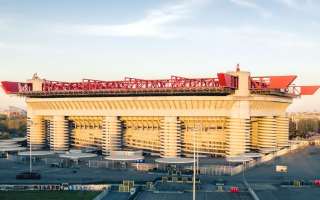 San Siro has become the focus of an investigation that questions the planned sale of the stadium. Prosecutors are examining whether tender procedures and city decisions were shaped to favor specific parties, casting doubt over one of Italy’s key stadium projects.
Advertisement
Searches and the dispute over digital archive
In March 2026, the Financial Police (Guardia di Finanza) knocked on the doors of the Milan City Hall, the M-I Stadio company, and the private homes of people involved in the operation. Investigators are largely relying on messages from phones previously secured as part of a separate investigation concerning municipal urban planning. One of the nine main suspects is the city's general director, Christian Malangone.
He found himself at the center of a legal dispute after filing an appeal with the Court of Appeal, objecting to the overly broad form of searching his devices. The official's defense, represented by lawyer Domenico Aiello, claims that the prosecution's use of over 140 keywords makes it in fact a completely comprehensive seizure
that would cover 98% of Malangone's archive from the last seven years.
The legal team proposed a counter-solution: providing three folders containing contracts and correspondence with the clubs and narrowing the search period to 12 months. Such a step would secure over 400 relevant emails and save nearly 386,000 private and professional messages unrelated to the case from an unjustified seizure. According to the defense, focusing only on the name, surname, and email address would capture 97% of relevant correspondence, while the remaining criteria are redundant.
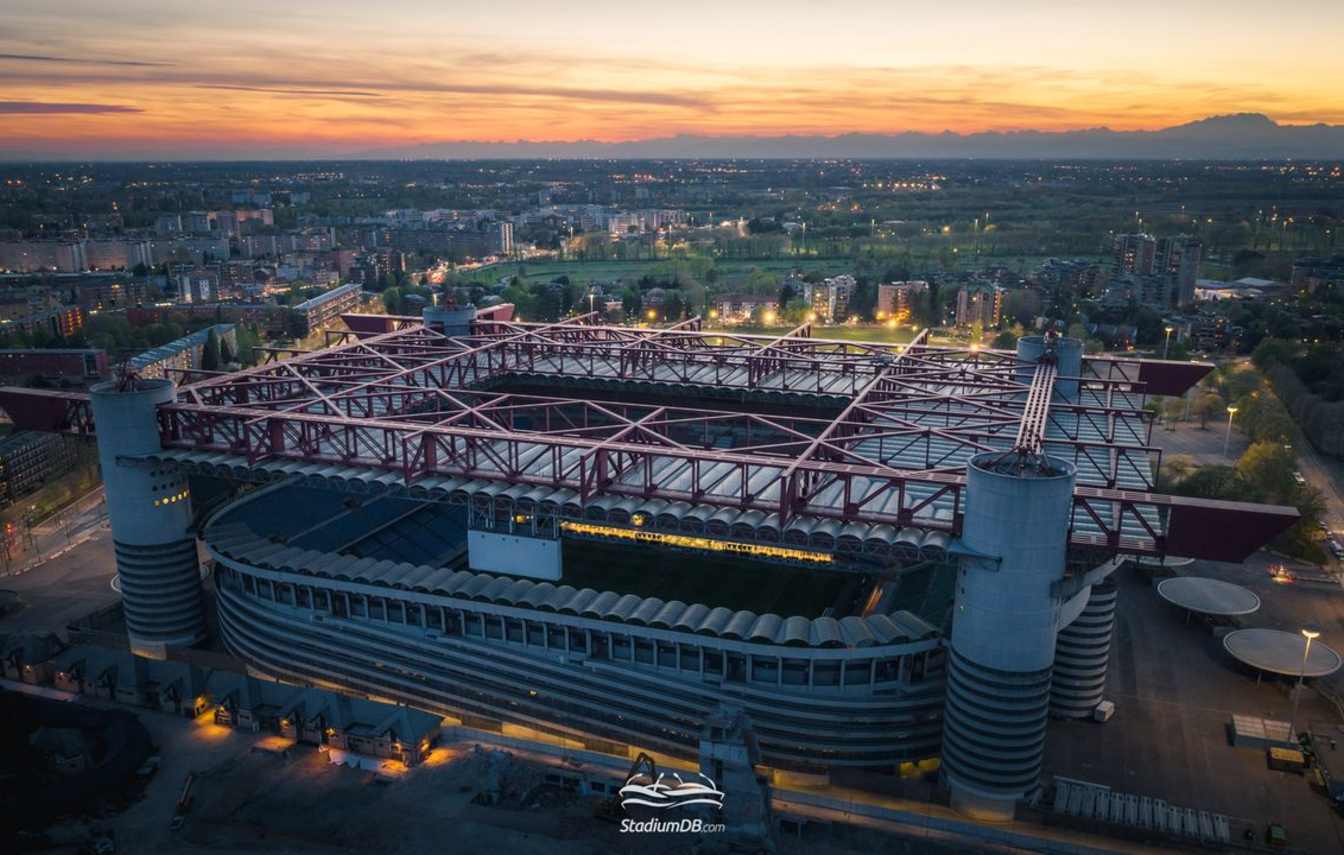 © Grzegorz Kaliciak | San Siro is at the centre of an investigation into its planned sale, with prosecutors examining whether the tender process may have favoured specific parties.
Ignored renovation projects and a rigged tender
Investigators suspect that the city's public announcement collecting declarations of interest in purchasing the stadium was deliberately structured to discourage other potential investors, leaving only Milan and Inter on the battlefield. This was allegedly facilitated by simplified regulations resulting from the so-called stadium law.
Stefano Nespor, a lawyer for the Gruppo Verde San Siro and representative of nearly 300 residents, argues that the municipal authorities leaned towards the clubs' wishes from the beginning, instead of looking after the public interest.
This is purportedly evidenced by the chronology of events from 2024. In January, the company Arco, and in July, Webuild, presented free San Siro modernization designs that allowed the work to be carried out within three years without interfering with club matches. However, the clubs considered it impossible to adapt the facility to FIFA and UEFA requirements. On October 14, 2024, after in-depth discussions with the teams, the municipality finally abandoned the renovation plans, informing the Revenue Agency that it should only estimate the property's sale value. The final valuation of October 30, 2024, amounted to a relatively modest €72.9 million – which corresponds to the equivalent of just seven years of stadium rental fees paid by the clubs.
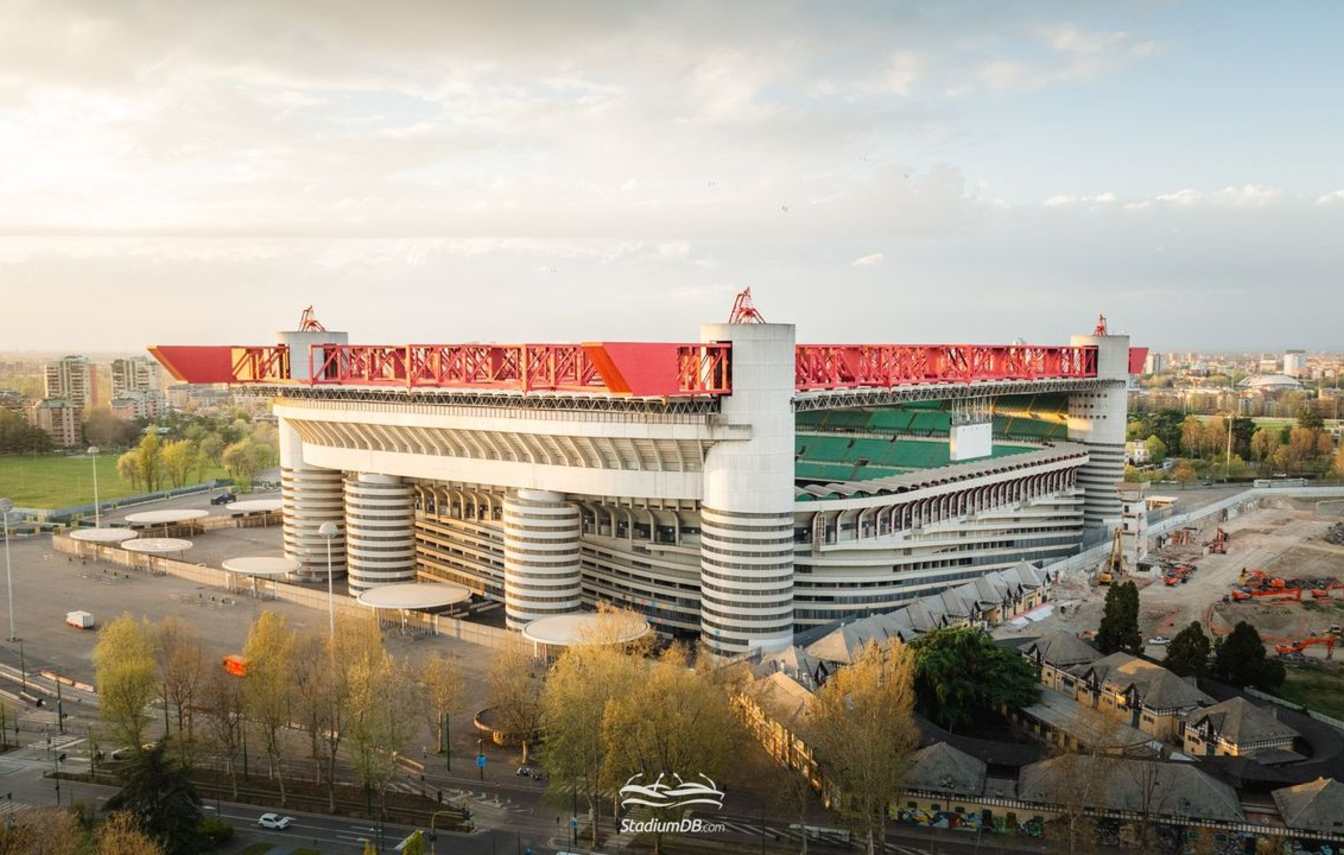 © Grzegorz Kaliciak | Authorities are also looking into the rejection of renovation proposals and the timing of the sale just before heritage protection measures took effect, raising serious concerns.
Suspicious messages and escaping the conservator
Recovered text messages may count against the involved officials. In August 2024, Inter's then-general director notified a club advisor of a conversation during which Mayor Giuseppe Sala had once again exerted pressure to receive an expression of interest
in purchasing the facility. Other intercepted conversations reveal that the mayor himself feared an economic disaster, writing outright that if the clubs moved out of Milan, the city would be left with a gigantic and expensive-to-maintain problem.
The haste in finalizing the transaction also seems highly suspicious to the prosecution. The Italian Regional Commission for Cultural Heritage recognized the historical value of the stadium's characteristic spiral ramps of the second tier. This decision, involving strict conservator protection, was ultimately set to come into force on November 10, 2025, which would have prevented the demolition of San Siro. The municipality and the clubs finalized the signing of the notarial deed exactly on November 5, 2025, beating the imposition of restrictions by just five days. For the investigators, this is not a coincidence, but a deliberate action.
Additional suspicions are raised by the issue of an independent expert opinion. To support the Revenue Agency's valuation, two lecturers from Bocconi University and the Polytechnic were appointed. Officially, they approved the proposed rate, but the Financial Police found their older, draft version from June 2025. Between the draft and the final version, investigators noticed at least three key modifications which – in the prosecution's interpretation – were intended to artificially align the experts' conclusions with the value expected by the office and the clubs. Although the legal liability of the suspects will be decided in courtrooms, the case exposes the intricacies of administrative procedures that often encourage decision-makers and developers to take risky shortcuts.
Advertisement