 StadiumDB
Germany: Frankenstadion to be redeveloped. Freiberg ready for professional football
source: StadiumDB.com ; author: Jakub Ducki
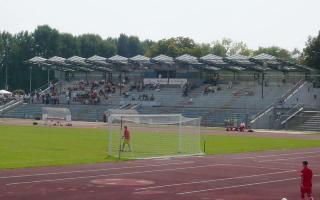 Heilbronn city council has made a landmark decision to expand Frankenstadion, paving the way for SGV Freiberg to move to the city. The approved plan is intended to prepare the venue to meet the strict requirements of professional competition in the 3. Liga.
Advertisement
Green light from councillors and multi-million investment
The city council’s decision, passed with only three votes against, officially approved the relocation of the team from the Ludwigsburg area, which will now play under the name SGV Heilbronn-Freiberg. As the regional-league club’s chairman Emir Cerkez admitted with relief: I really wasn’t sure how this would end. That makes me all the happier that Heilbronn city council made a brave decision with a clear majority.
It is much easier to make decisions when entertainment is being considered. And since online activity is also bringing more and more enjoyment, some of these options are thriving precisely there. One such option are uk slots, offering the best welcome bonuses and convenient payment methods.
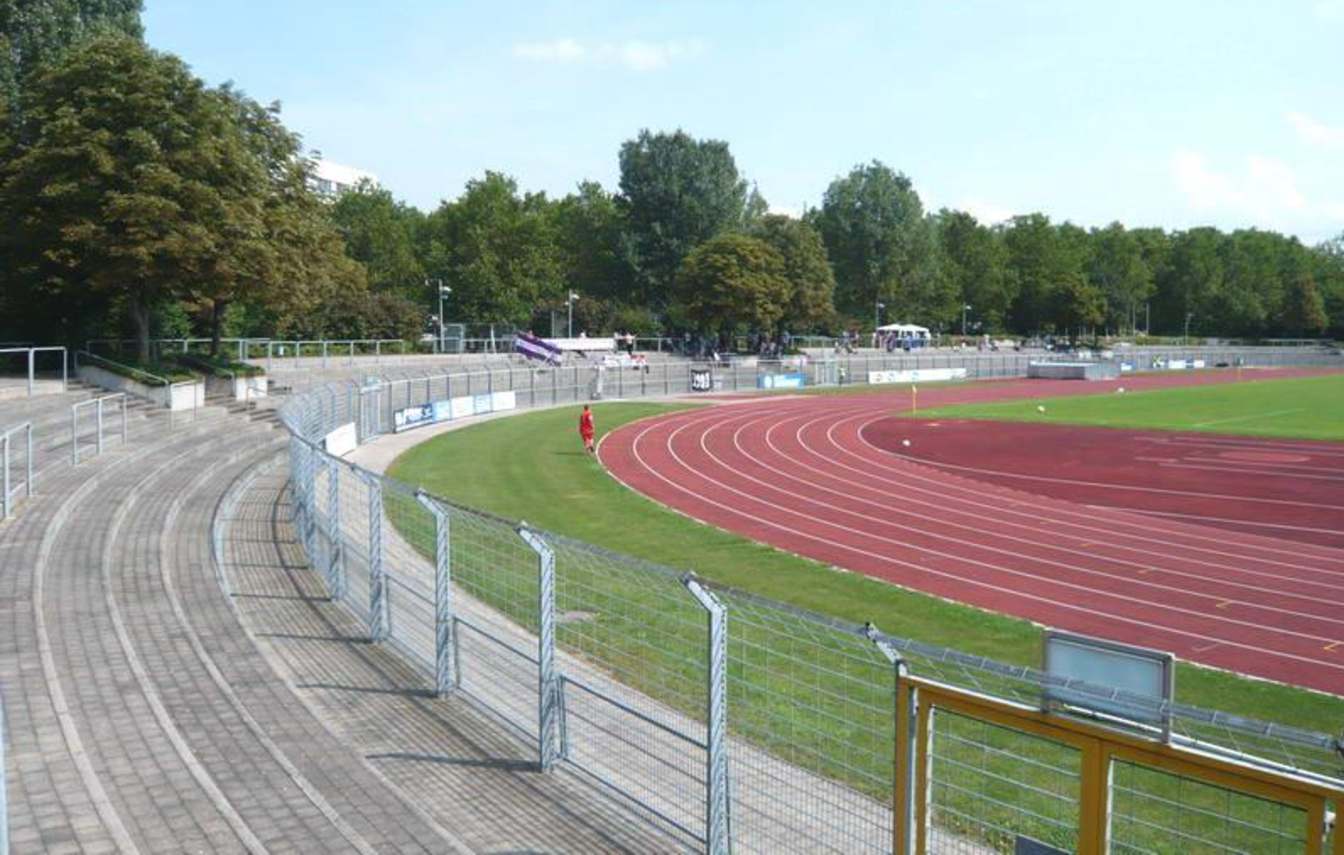
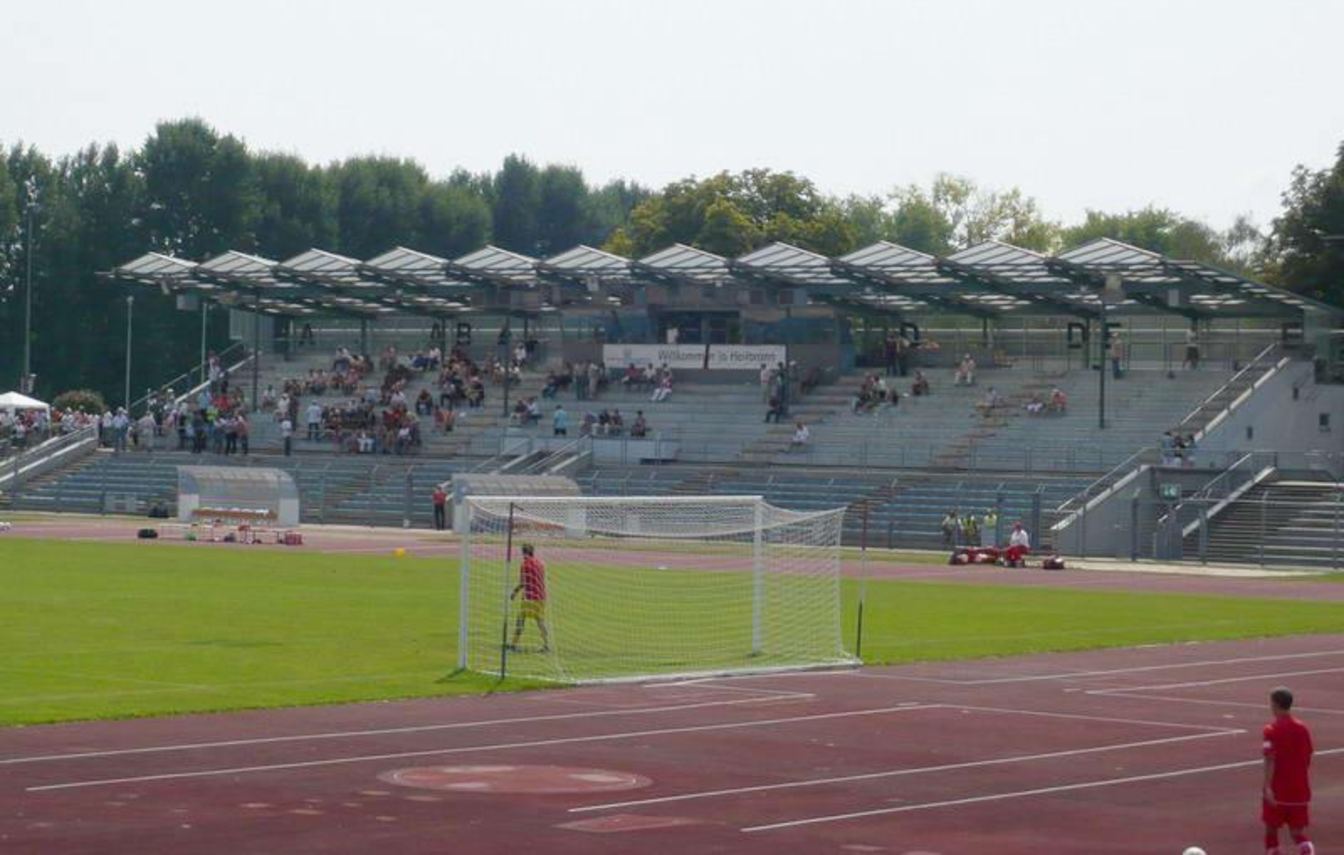
The total cost of the planned modernization has been estimated at €4.3 million. The project includes, among other things, the installation of new floodlights and an under-pitch heating system, each costing €1.5 million. In addition, a new tubular-steel stand worth €600,000 will be built, increasing the number of seats to the required minimum of 2,000. A significant share of the funding is expected to come from the federal program Renovation of Urban Sports Facilities,
although the exact amount of support is not yet known. Mayor Harry Mergel did not hide his satisfaction, emphasizing: This is a huge gain for the sporting city of Heilbronn.
 ©
© Multi-purpose use and infrastructure challenges
To secure such strong political backing, the city had to guarantee the upkeep and renovation of the athletics track at least until the end of 2027. Councillor Christoph Troßbach explained that the compromise rested on two pillars: There were two things at stake: preserving our Frankenstadion as a multi-purpose stadium while at the same time creating the necessary infrastructure for professional football. Investments in lighting, stands and infrastructure will ultimately benefit everyone.
Even so, there were skeptical voices. Rainer Hinderer of the SPD stressed: The spark of enthusiasm hasn’t ignited in me yet.
He also expressed concern about the city’s priorities, adding: If a construction turbo can be launched for the stadium, then that should also be possible for school toilets.
In response, Mayor Agnes Christner assured councillors that the sports investment would not negatively affect educational facilities: The Frankenstadion project will not delay any school renovations.
The implementation of the works has been entrusted to the municipal company WTZ GmbH, and the entire formal process has been combined in order to save time given the tight schedule, with the new season beginning in early August.
Beyond the core modernization works, the stadium still requires a range of further upgrades, such as a scoreboard, a VIP tent, an additional entrance for visiting supporters, food and drink outlets, and container-based office solutions for SGV’s full-time staff. According to the mayor, the associated risks are known, plannable and manageable.
 ©
© Capacity adjusted to DFB requirements
The redevelopment of the stadium also involves adapting its capacity to the current standards of the German Football Association (DFB). The historical figure of 17,000 spectators from the 1980s is no longer achievable because of requirements relating to buffer zones and restricted sightlines. Under the new, lowered licensing rules for the third tier, the stadium must hold at least 5,001 spectators, including 2,000 seats.
The city authorities, together with the club, have submitted exactly that capacity to the DFB, which would make Frankenstadion the smallest venue in the league in the event of promotion. Although the current average attendance of the Regionalliga Südwest leaders stands at just 644, matches against more established opponents could dramatically increase demand for tickets. That is why officials are already planning a gradual expansion of the stands.
As head of the sports department Karin Schüttler announced: According to the current plans, around 800 additional seats will be added, partly on the opposite stand and partly on one of the long-side stands
. She also noted that conceptual work is still ongoing and that the final distribution of the seats is currently being determined.
Councillor Ferdi Filiz summed up the whole initiative by calling it a truly win-win situation for all stadium users.
Advertisement