 StadiumDB
France: Paris reopens talks with PSG over stadium future. Will the club stay at Parc des Princes?
source: StadiumDB.com ; author: Paulina Skóra
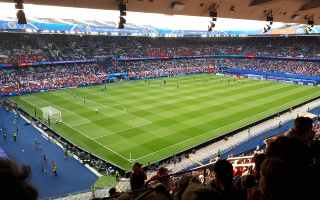 The future of Parc des Princes is back in question. Paris has reopened talks with PSG, with the outcome potentially leading either to a major redevelopment – or a complete move out of the city.
Advertisement
Parc des Princes back at the centre of negotiations
After the change in city leadership in Paris, the future of Parc des Princes has returned to the top of the agenda. The new mayor, Emmanuel Grégoire, has made the potential sale of the stadium one of the key issues of his term. On April 14, the City Council formally approved the launch of negotiations with PSG over the stadium’s future. While most political groups backed the move, some councillors—particularly from green circles—remained cautious, pointing to concerns about the impact on the urban fabric and the character of the neighbourhood.
Paris Saint-Germain reacted with measured optimism. The club confirmed its willingness to resume talks, while stressing the need for detailed economic and technical assessments. For PSG, ownership would mean full control over the stadium’s development, including upgrades, expanded functionality and adaptation to growing business and sporting demands.
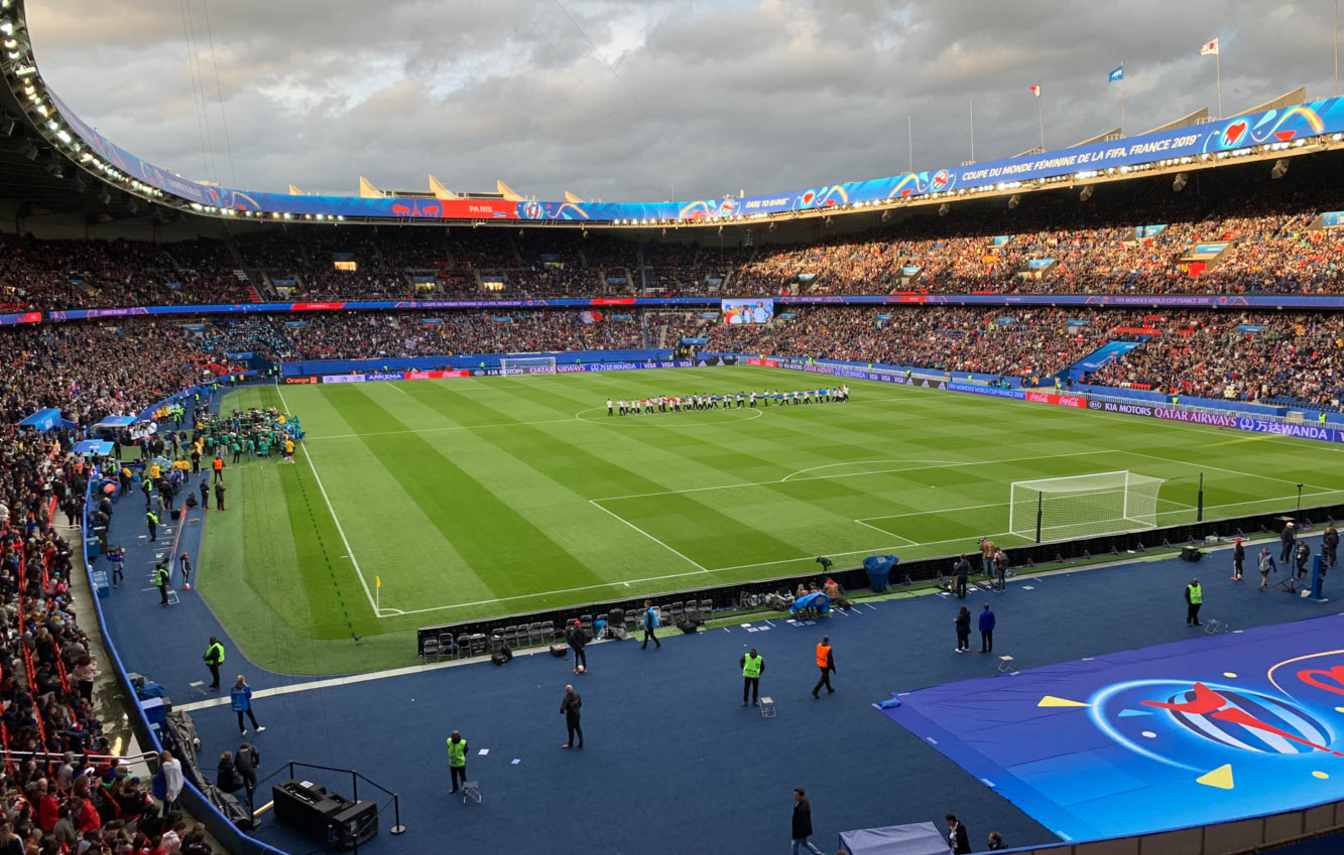 © Chabe01 (CC BY-SA 4.0) | Paris and PSG have reopened talks over the future of Parc des Princes, with a potential sale and redevelopment on the table.
Modernisation of Parc des Princes and boosting the stadium’s potential
The current usage model limits the club’s investment capacity. Ownership would open the door to a comprehensive redevelopment, improving fan comfort while expanding commercial areas. In the long term, PSG aims to turn the stadium into a modern venue that meets top European standards and increases matchday and non-matchday revenues.
A key part of the city’s proposal is to integrate the stadium into a broader redevelopment plan for the Porte de Saint-Cloud district. The project includes transport improvements, reorganisation of public spaces and better accessibility for residents. Notably, the mayor has ruled out building a large shopping centre—one of the main concerns raised by locals—seeking a balance between commercial growth and preserving the area’s identity.
City councillors also stress the need to strengthen public transport and overall accessibility. If stadium usage intensifies, this will be critical to maintaining smooth operations in the area. The project is also expected to reflect residents’ needs to avoid over-commercialisation and excessive strain on urban infrastructure.
Despite reopening talks over Parc des Princes, the club continues to explore alternative sites. Projects in Poissy and Massy remain on the table. Both options offer greater development flexibility and the chance to build from scratch, which could translate into higher capacity and more advanced infrastructure.
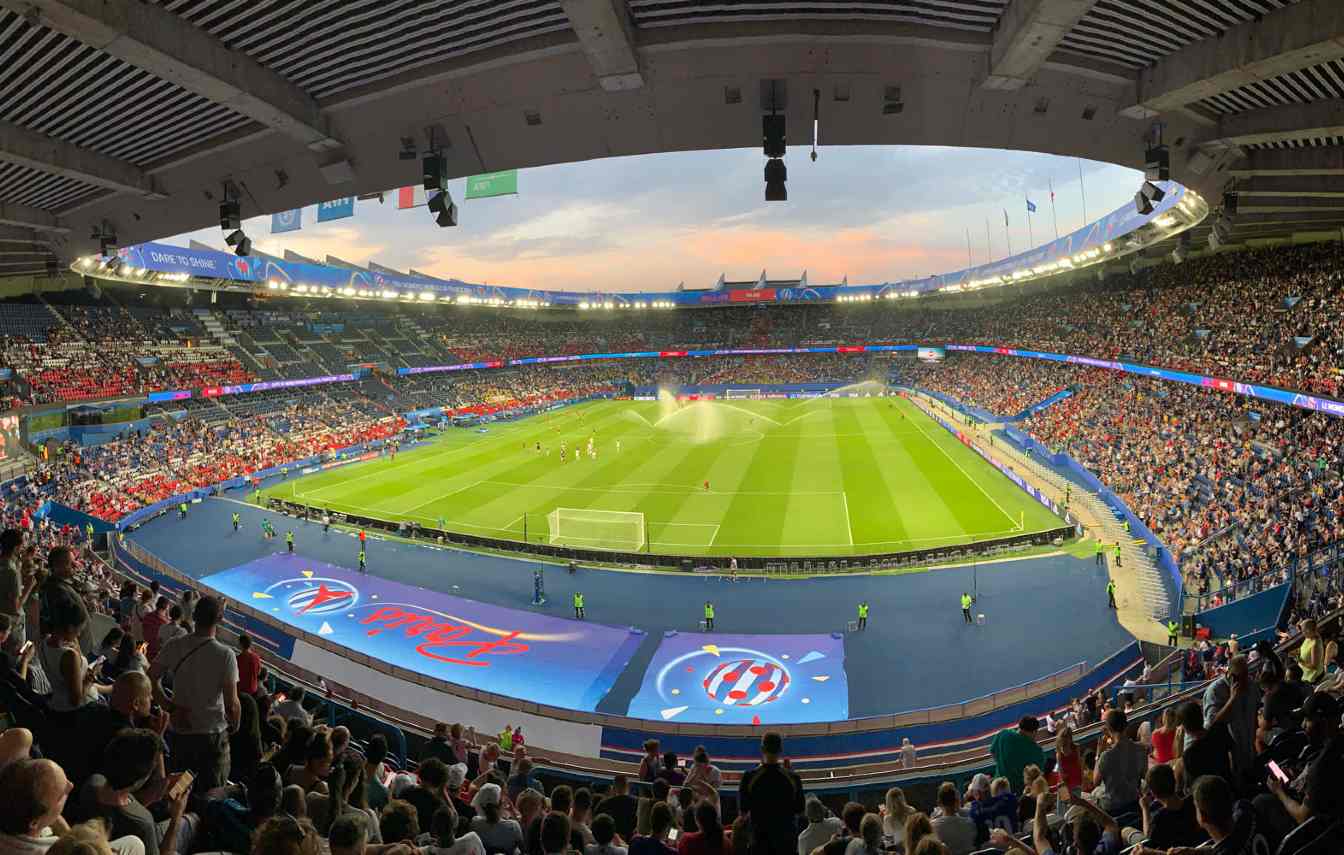 © Chabe01 (CC BY-SA 4.0) | The club is also considering building a new stadium outside the city, with a final decision expected later this year.
Decision on Parc des Princes expected in the autumn?
The coming months will be decisive. Negotiations between the city and the club are set to cover both the terms of a potential sale and the scope of future investments. The process will rely on detailed studies and consultations with stakeholders, including residents and public institutions.
According to unofficial reports, a final decision could come in the autumn. PSG is weighing all scenarios—from buying and upgrading the current stadium to moving forward with a new project outside the city. Whatever the outcome, the aim remains the same: to develop infrastructure that matches the club’s ambitions and the demands of modern football.
Advertisement