 StadiumDB
Euro 2032: Italy could lose the Euros! UEFA sets clear conditions
source: StadiumDB.com ; author: Paulina Skóra
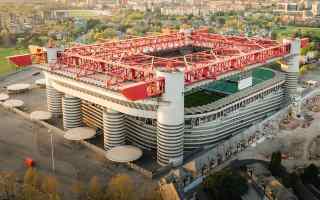 Euro 2032 was meant to mark Italy’s return to the biggest stage, but infrastructure issues are putting those plans into doubt. UEFA is sending clear signals, and the pressure is rising. Will the hosts meet the requirements in time?
Advertisement
Stadium modernization in Italy key to hosting Euro 2032
Hosting Euro 2032 requires meeting strict infrastructure standards, including modern stadiums with adequate capacity, technical facilities and high safety levels. At the moment, however, only Allianz Stadium meets all the criteria and remains a secure candidate to host matches.
The rest of the venues are at very different stages — from early plans, through partial upgrades, to complete administrative standstill. In many cases, projects are stuck in formal procedures, which is seriously slowing down preparations for a tournament of this scale. Stadium modernization in Italy has therefore become an absolute priority, without which hosting the competition could be put into serious doubt.
On top of that, plans in cities such as Rome, Milan, Naples or Florence have been hitting administrative and political roadblocks for years. Complex procedures, unclear regulations and limited state support continue to delay or even freeze investments.
In contrast, Turkey — co-host of the tournament — has been pushing forward with its stadium infrastructure, delivering modern venues in recent years. This growing gap could impact not only the distribution of matches, but even reduce Italy’s role as a host nation.
Tweet StadiumDB https://x.com/stadiumdb/status/2042192223970676932
— StadiumDB (@StadiumDB) July 3, 2026
Aleksander Čeferin on stadiums in Italy and the threat to Euro 2032
During a visit to Bilino Polje Stadium in Zenica, UEFA president Aleksander Čeferin didn’t just speak about Italy’s sporting results, but addressed a much broader infrastructure issue. His comments in an interview with La Gazzetta dello Sport were clear-cut and sparked a wider debate about Italy’s readiness to host UEFA Euro 2032.
The UEFA president pointed out that other European countries have heavily invested in stadiums in recent years, turning them into modern, multi-purpose venues that generate revenue year-round. Italy, despite its football heritage, is lagging behind. The lack of modern infrastructure is affecting not only organization, but also the competitiveness of Italian football on the international stage.
Čeferin made it clear that without decisive action, Italy risks running out of time. His warning was direct: Euro 2032 is planned and it will take place: I hope the infrastructure will be ready. Otherwise, the tournament will not be held in Italy.
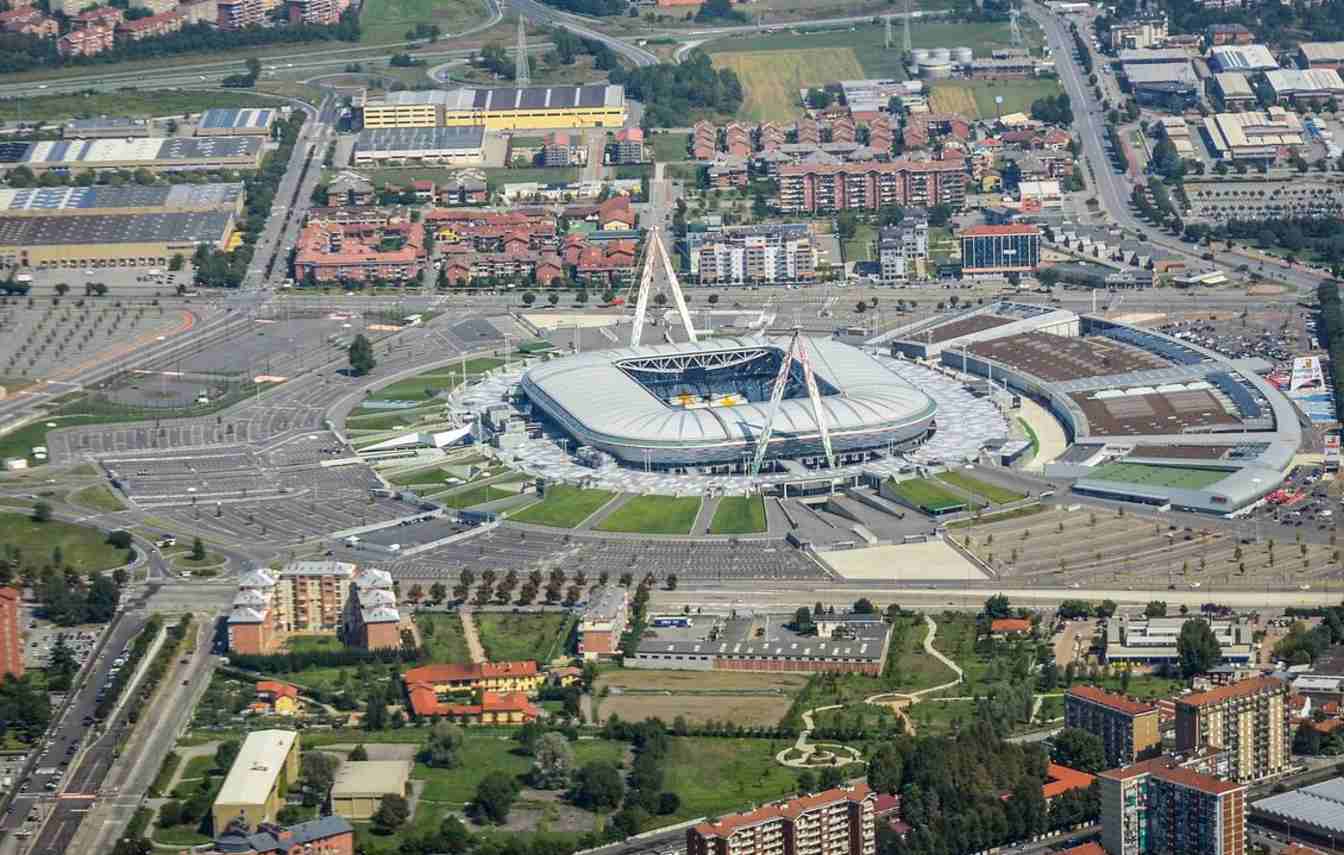 © Claudio | Only Allianz Stadium currently meets all UEFA requirements, while the lack of upgrades at other venues may threaten Italy’s role in hosting Euro 2032.
Stadium capacity in Italy and UEFA requirements
One of UEFA’s key requirements is stadium capacity and compliance with modern operational standards. Many Italian venues, despite their history and importance, no longer meet expectations in terms of fan comfort, media infrastructure or VIP facilities.
The lack of investment means Italy is falling behind other European countries. In practice, even stadiums with sufficient capacity could be excluded from hosting matches due to outdated infrastructure.
Financing stadium upgrades in Italy and the decision-making deadlock
The Italian Football Federation (FIGC) has long been calling for government support, proposing, among other things, allocating part of betting revenues to football infrastructure. Estimates suggest this could generate between €150 million and €200 million annually for stadium and training facility development.
The federation has also pushed for tax incentives and the creation of dedicated investment funds. So far, however, many of these ideas remain on paper. The lack of concrete decisions and slow legislative processes are deepening the investment crisis in Italian football.
As a result, Italy now faces a serious challenge — without fast and decisive action, stadium upgrades may not be completed in time, putting the organization of Euro 2032 at real risk.
Advertisement