 StadiumDB
England: When will Manchester United’s new stadium be built? Timeline ‘somewhat uncertain’
source: StadiumDB.com ; author: Paulina Skóra
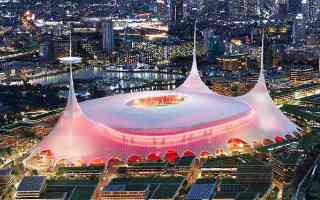 A new stadium for Manchester United remains a vision for now. While the idea of a world-class arena is gaining momentum, land issues and project complexity mean one thing is clear—the timeline is still highly uncertain.
Advertisement
Construction of Manchester United’s stadium and land acquisition challenges
A key figure in the project is Sebastian Coe, who chairs the Mayoral Development Corporation responsible for the area surrounding the stadium. One of the main challenges he has highlighted is land acquisition.
As he admitted, the process is complex and time-consuming, with the project’s progress depending on a range of factors such as legal conditions, environmental considerations, and land availability. As he put it, you can’t simply pick a site and start building,
as each stage requires detailed analysis and coordination.
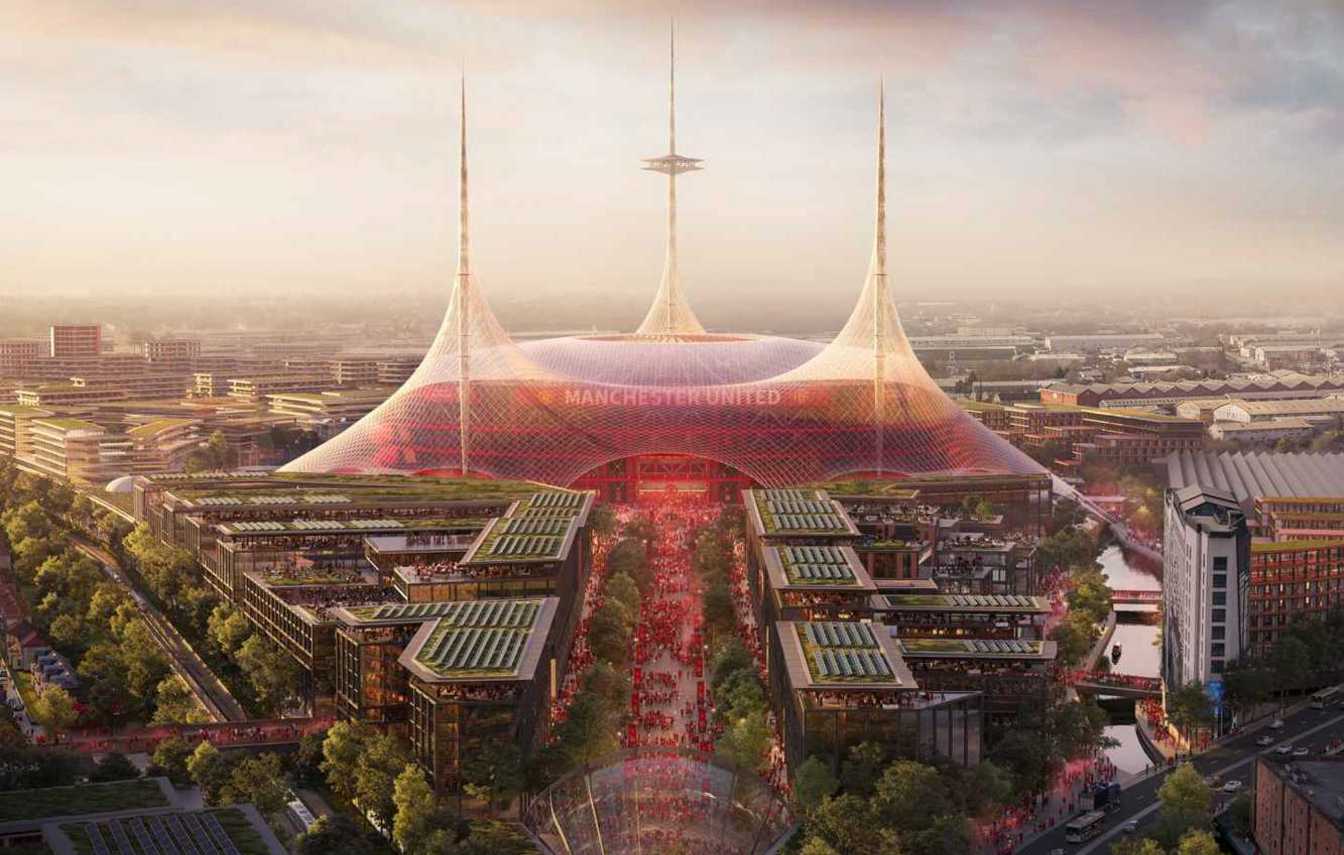 © Foster + Partners | Manchester United’s new stadium project remains in the planning phase, with land acquisition and overall complexity making the timeline uncertain.
Uncertain timeline for Manchester United’s stadium
Although initial plans suggested that the New Trafford Stadium could be completed for the 2030/2031 season, that timeline is no longer as clear-cut. Coe acknowledged directly that the schedule is somewhat uncertain.
He stressed, however, that the work is moving in the right direction. The planning process is unfolding in stages—from initial concept studies, through land ownership issues, to detailed architectural design. The absence of a firm date does not necessarily indicate delays, but rather reflects the complexity of a project of this scale, which requires careful preparation.
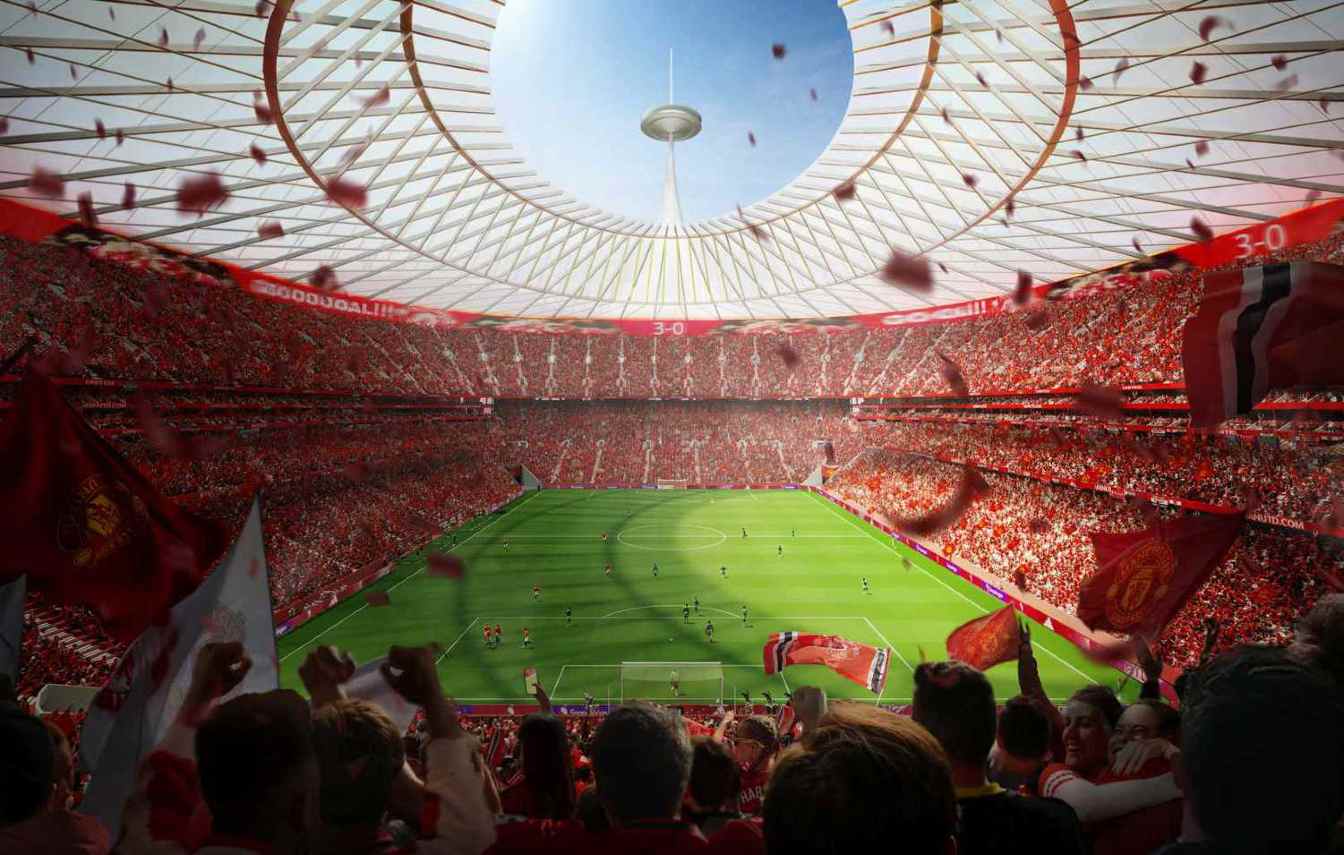 © Foster + Partners | The club is still considering two options – redeveloping Old Trafford or building a completely new stadium that could drive large-scale regeneration of the surrounding area.
Old Trafford upgrade or a new stadium in Manchester
A final decision has also yet to be made on whether Manchester United will opt to redevelop the historic Old Trafford or build a new venue from scratch. A renovation would preserve the stadium’s tradition and heritage, but would come with limitations in terms of expanding capacity and infrastructure. A new stadium, on the other hand, would offer greater design flexibility, but would require significant financial investment and the resolution of location-related challenges.
Coe underlined that a stadium of this scale could act as a catalyst for wider regeneration. In his view, the project should not be seen solely through a sporting lens. A new venue could attract investment, boost tourism appeal, and improve residents’ quality of life. He believes that a well-planned stadium project has the potential to reshape entire districts—much like what happened in London after the Olympics.
The club’s owners aim to create a stadium that becomes a symbol of northern England. This vision goes beyond sheer capacity, encompassing top-tier infrastructure, modern technological solutions, and a broad commercial offering. The stadium is intended to be a year-round destination, hosting not only matches but also concerts and business events.
Advertisement