 StadiumDB
England: That will change at Old Trafford in the 2026/27 season. What about the new stadium?
source: StadiumDB.com ; author: Małgosia Kowalska
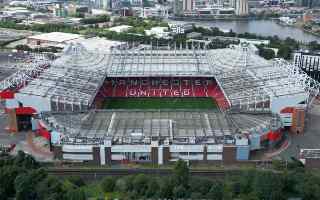 Old Trafford is entering a transitional phase, in which the club is simultaneously upgrading the current stadium while developing a vision for a completely new venue. Manchester United is balancing between history and the future. Is this the beginning of the biggest transformation in the club’s history?
Advertisement
Old Trafford upgrades as a transitional stage
Manchester United is entering another phase in the life of its stadium, which – despite its rich history – has long required changes. The club has announced a package of measures for the 2026/27 season, focusing primarily on improving fan comfort. A key element is the partnership with Levy, a company specializing in stadium operations and catering.
The most visible changes concern matchday infrastructure. Across the stadium, there will be new sales points, additional self-service bars, and so-called frictionless
kiosks, enabling faster purchases without queues. A new digital communication system will also be introduced, with screens allowing the food and beverage offer to be adjusted dynamically depending on the event or match time.
An important part of the plan is also the expansion of the offer to include local brands and Manchester street food. The club emphasizes that these are short-term measures, aimed at improving the matchday experience in the coming seasons, regardless of the stadium’s long-term future.
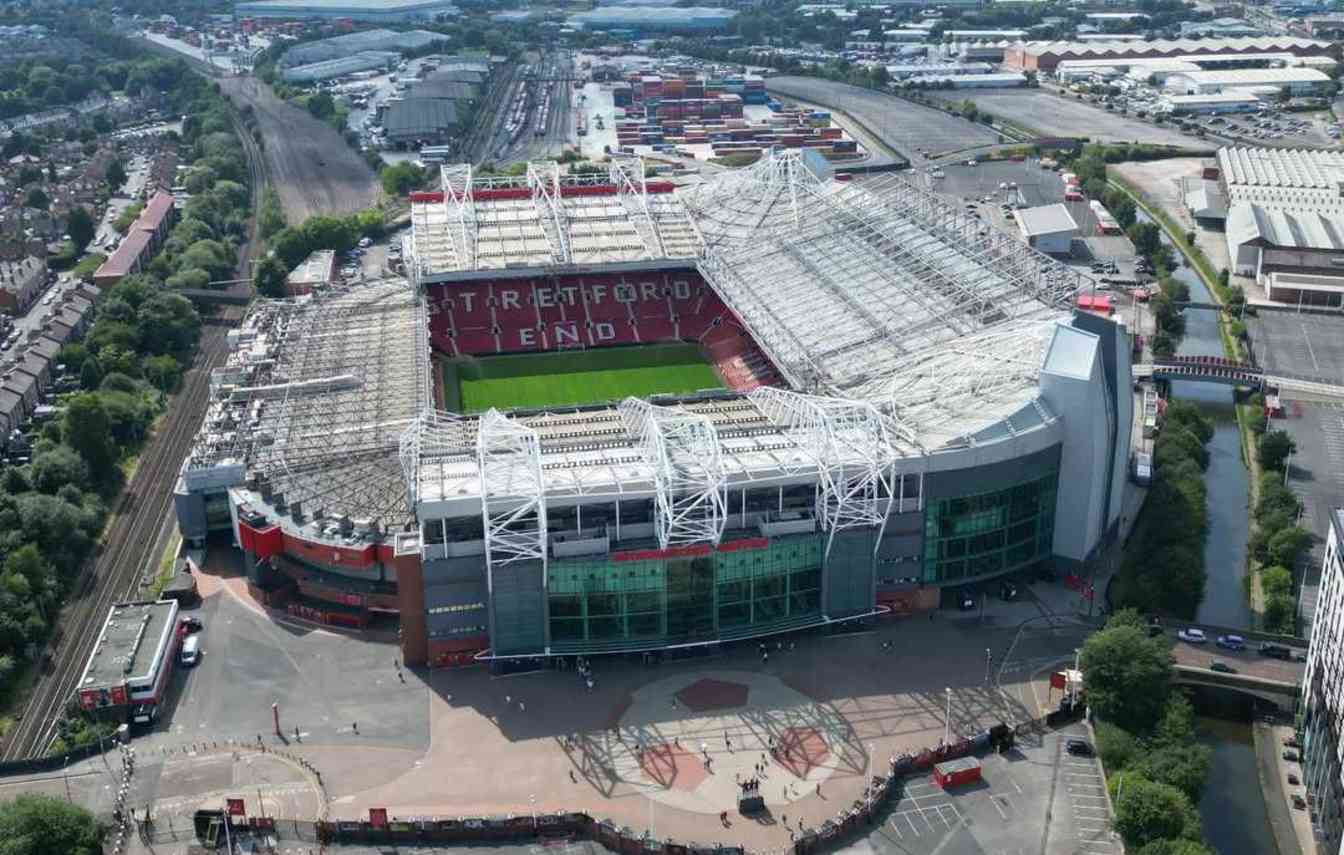 © Paweł Mogielnicki | Manchester United is implementing short-term upgrades at Old Trafford, including new food outlets, self-service kiosks, and digital fan communication systems.
A new stadium instead of redevelopment – the strategic direction
Alongside the upgrades to the current venue, Manchester United is developing the concept of building a completely new stadium, provisionally referred to as New Trafford. The plan assumes a venue with a capacity of around 100,000, which would make it the largest club stadium in the United Kingdom.
The new stadium would be built in the immediate vicinity of Old Trafford and serve as the centerpiece of a broader regeneration programme for the entire district. The project, estimated at around £2 billion, is expected to be delivered in cooperation with local authorities and private partners.
The concept is being developed by Foster + Partners. It includes, among other elements, an extensive roof structure and a modern commercial and entertainment area surrounding the stadium. The club suggests the venue could open around the 2030/31 season, although this timeline depends on the progress of the wider urban development programme.
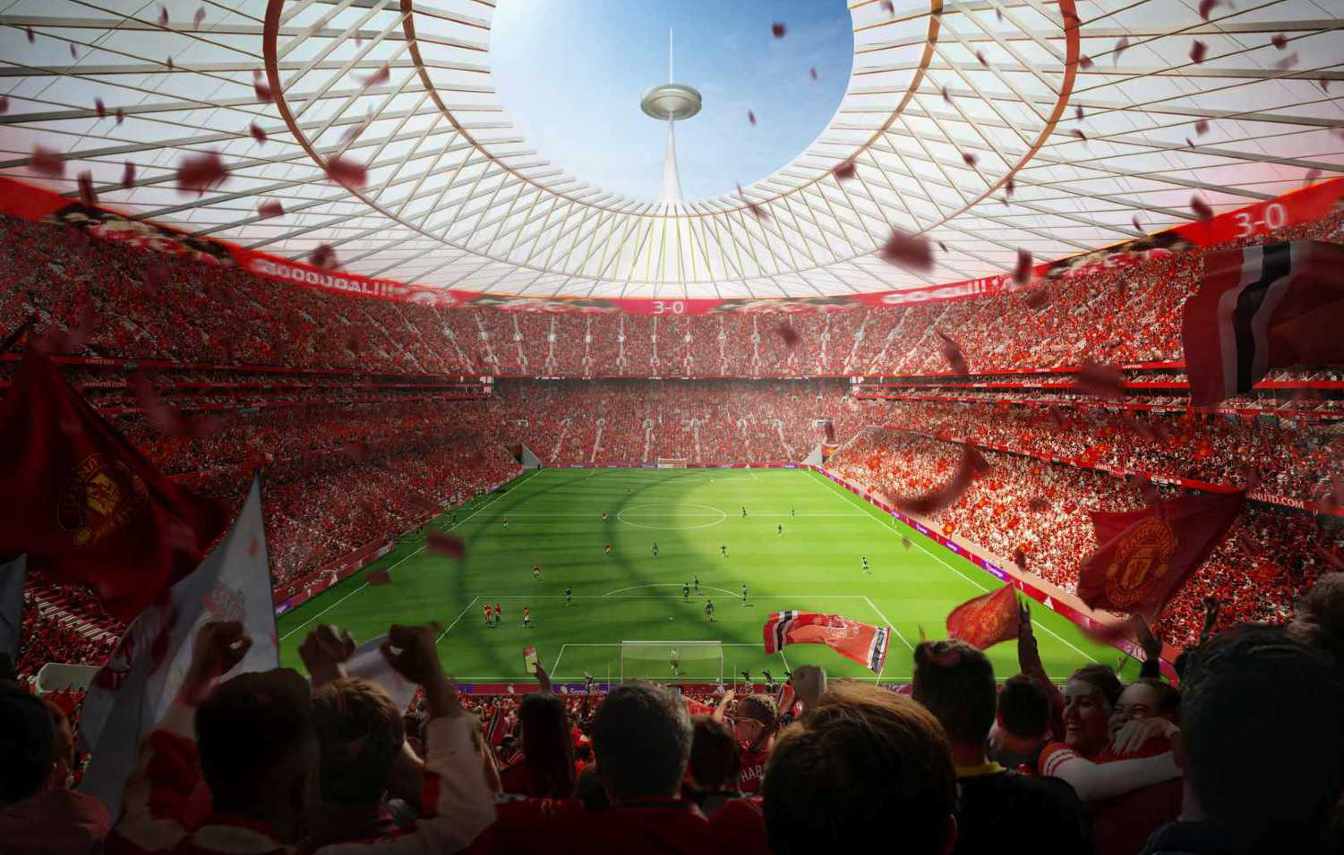 © Foster + Partners | At the same time, the club is developing plans for a new 100,000-seat stadium, currently in the preparatory phase and dependent on financing.
What stage are the New Trafford plans at today?
At present, the new stadium project is in the preparatory and organisational phase, not the construction phase. A key step has been the creation of a dedicated body responsible for the development of the entire Old Trafford area, confirming that the investment also has a broader urban and economic dimension.
At the same time, the club is holding discussions with investors and stakeholders regarding financing, emphasizing that the stadium is intended to be funded primarily through private means, without direct public support. This is one of the factors affecting the pace of progress and making the timeline flexible.
In practice, this means Manchester United is operating in a transitional model: on one hand improving Old Trafford in the short term, and on the other developing an ambitious vision for a new stadium. At this stage, construction has not yet begun, and further progress will depend mainly on financing and the development of the surrounding area.
Advertisement