 StadiumDB
England: Halton Council considers the future of DCBL Stadium in Widnes
source: StadiumDB.com ; author: Paulina Skóra
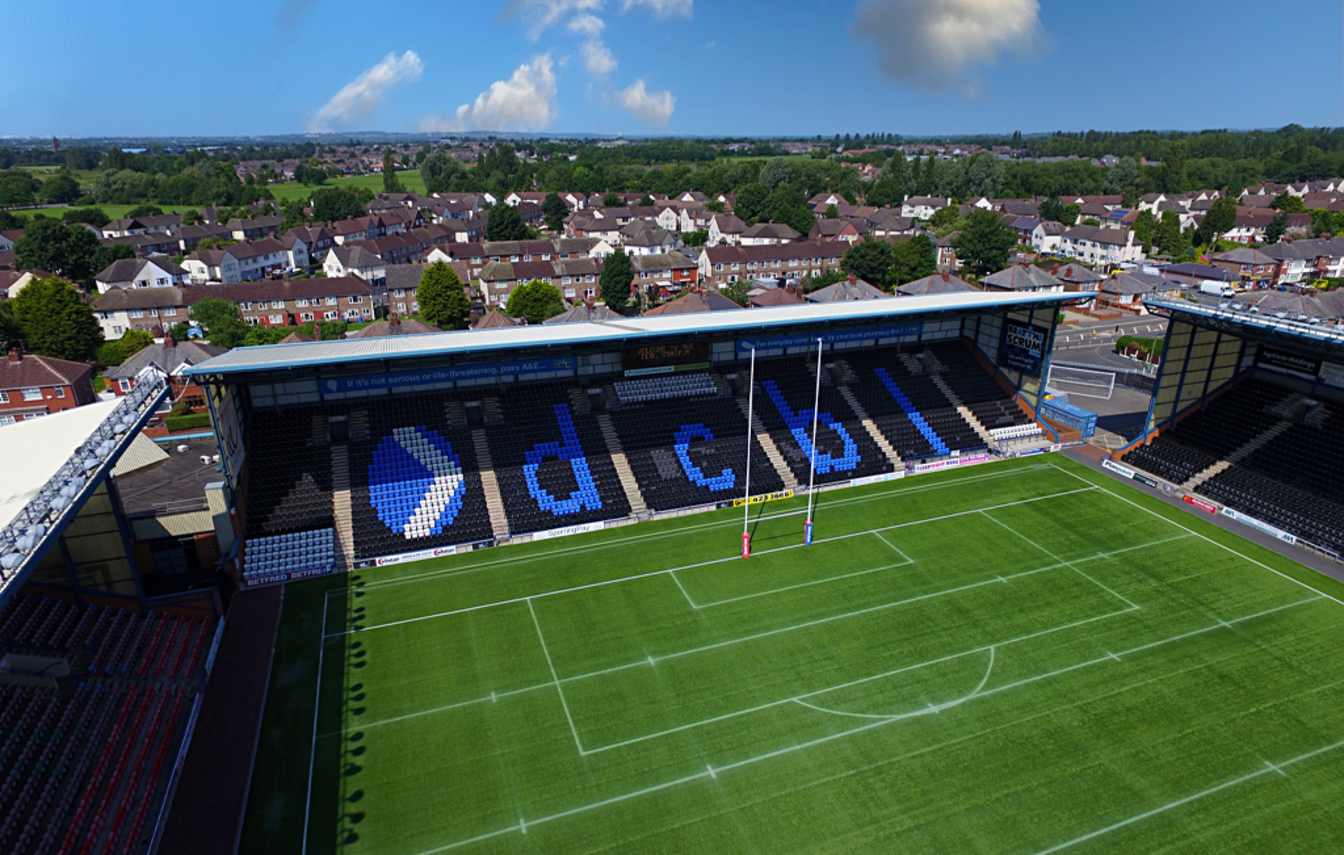
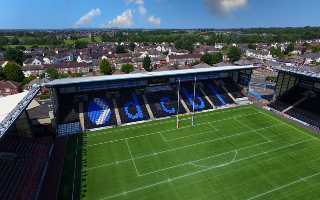 Amid financial constraints, the local authority Halton Council is evaluating various scenarios for the future of DCBL Stadium. Increasing budgetary pressure and the need to optimize expenditure are prompting officials to assess whether the current management and usage model of the stadium remains effective and aligned with contemporary realities.
Advertisement
Feasibility study for DCBL Stadium
Halton Council plans to commission a comprehensive feasibility study aimed at defining the stadium’s future development direction and determining how best to utilize its potential over the next decade. Tender documents indicate that the analysis will cover both financial and operational aspects, including an evaluation of the current management model, which is handled internally by the local authority. While waiting for important decisions regarding sports infrastructure, fans often look for other forms of entertainment, and one of the most popular options is undoubtedly casino games, such as glitzbets, where you can find an offer perfectly tailored to your needs.
The goal is also to assess whether the current operational framework meets the needs of the community and whether there is potential to improve both economic performance and overall usability. A key element of the study will be determining whether the stadium meets modern functional and organizational standards—whether it is still fit for purpose
in relation to current user expectations and the events market.
Options for managing DCBL Stadium in Widnes
Several possible operating models are being considered as part of the analysis, including the potential sale of the stadium, which could generate a one-off capital receipt for the council. This is particularly relevant in the context of a recently granted £35 million government loan intended to stabilize the local authority’s finances. However, selling the stadium would mean losing direct control over a strategic public asset, requiring the establishment of new relationships with the future owner and stadium users.
An alternative is to appoint a specialist external operator to manage the stadium, which could improve operational efficiency and enhance commercialization. Another option is a partnership-based model involving multiple stakeholders. This could take the form of a tri-partite company including council representatives, stadium tenants such as Widnes Vikings and Widnes Town FC, and external partners, enabling more integrated management and shared responsibility for the venue’s development.
 ©
© DCBL Stadium as an administrative hub and multi-purpose venue
Another option under consideration is expanding the stadium’s role as an administrative center for the council, as Halton Council already occupies office space within the facility. In the future, the stadium could potentially become the main administrative headquarters, particularly in light of plans to relocate some services from the Municipal Building in Widnes, which may be demolished and sold to reduce costs and generate additional revenue. In such a scenario, the stadium would function not only as a sports venue but also as an administrative and organizational hub, consolidating various aspects of local government operations in one location.
At the same time, an important direction of development is further strengthening the stadium’s role as a multi-purpose space used not only for sporting events but also for conferences, business meetings, weddings, and other private functions, which is key to increasing revenue and maximizing the use of the infrastructure.
Key strategic questions regarding the stadium’s future
As part of the feasibility study, fundamental questions will be examined concerning the stadium’s future role within the city and the wider region. These include whether the venue should become part of a broader tourism and events offering linked to the Liverpool City Region’s events strategy, or whether its primary function should remain focused on serving the local community and sports clubs. It will also be assessed whether the stadium should serve as the council’s central administrative headquarters and whether it could form part of a wider urban regeneration project involving the city centre and associated public and educational institutions. Another key consideration is whether its core role will continue to be primarily supporting Widnes Vikings, or whether its function will be expanded to include additional economic and social activities.
DCBL Stadium as a key public asset and financial challenge
Representatives of Halton Council emphasize that the stadium remains an important and valued public asset, which has been under local authority ownership for over 25 years following the buyout of the rugby club at the turn of the century. At the same time, they note that the current usage model may not fully address modern economic and social challenges, reinforcing the need to develop a long-term strategic plan.
In the context of growing financial pressure and the need for effective management of public assets, decisions regarding the stadium’s future will have implications not only for local sport but also for the economic, urban, and social development of the entire region, influencing investment priorities, the structure of public services, and the way urban space is utilized in the years ahead.
Advertisement