 StadiumDB
Qatar: If not in Qatar, then nowhere! UEFA and CONMEBOL cancel the Finalissima
source: StadiumDB.com; author: Paulina Skóra
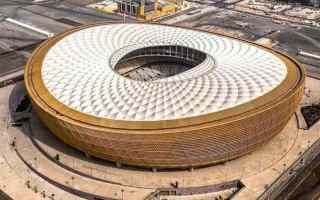 Finalissima was meant to be a clash of giants at a world-renowned stadium, but behind the scenes the organization quickly turned into a series of unexpected decisions and tensions between the parties. UEFA searched for a solution until the very end. Why did the project ultimately collapse?
Advertisement
UEFA confirms cancellation of the 2026 Finalissima
The match was initially scheduled to take place at the Lusail Stadium, the main venue of the FIFA World Cup 2022. However, due to the current political situation in the region, organizers were forced to abandon this location. Despite attempts to reschedule the event and find a new date or venue, no agreement could be reached between all parties involved.
In an official statement, UEFA confirmed that, despite extensive talks with organizers in Qatar, it was not possible to create the conditions necessary to stage the match. The organization described the decision as a major disappointment for both the governing bodies and fans, who had been expecting a clash between two global football powers. UEFA also stressed that Qatar has repeatedly proven its ability to host top-level events, and that the cancellation was due solely to circumstances beyond the hosts’ control.
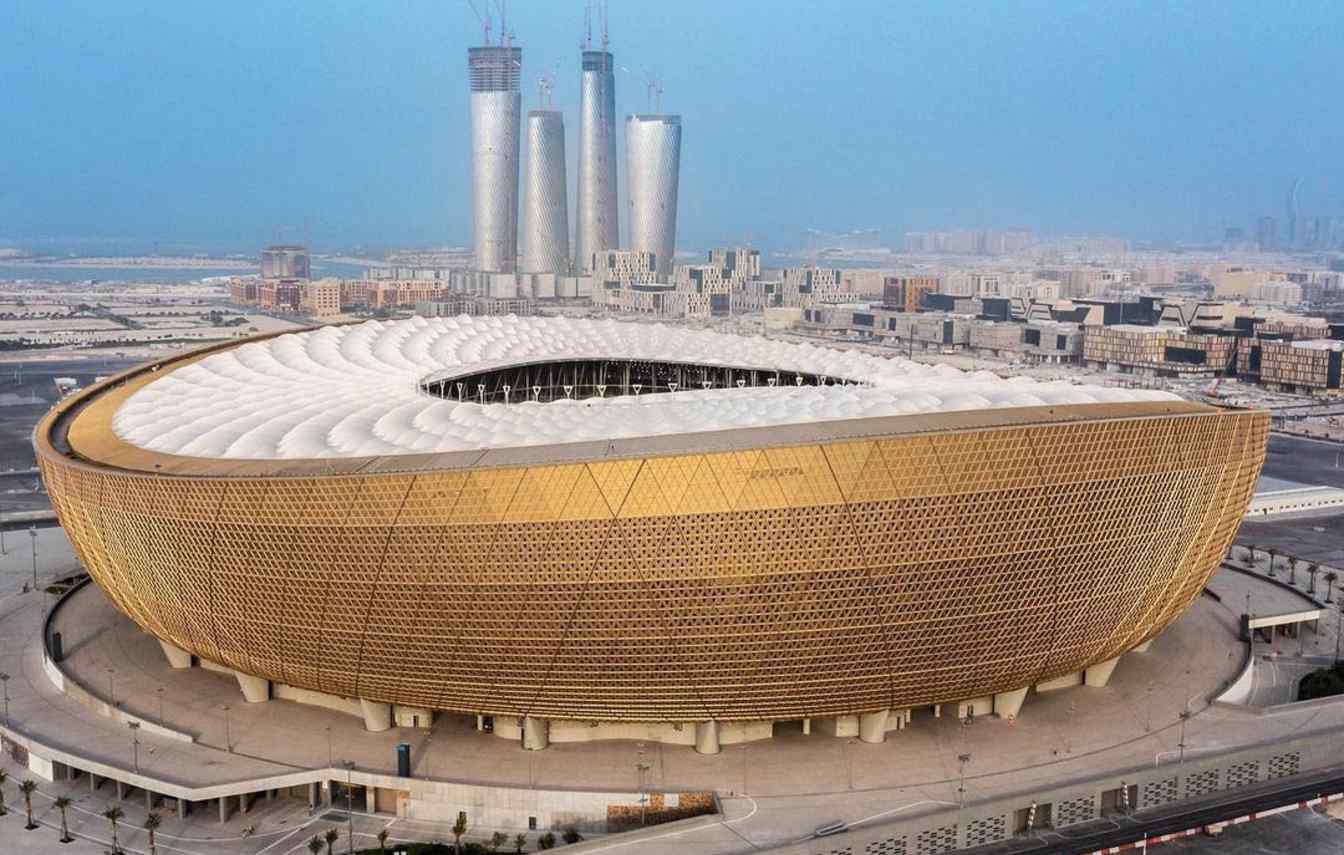 © عبدالعزيز العجمي | A stadium designed as the centerpiece of the 2022 World Cup, which despite its scale and standards will not host the Finalissima.
Alternatives explored – Madrid and other options rejected
Several alternatives were considered during the process. One option was to stage the match at the Santiago Bernabéu in Madrid, which would have guaranteed the required infrastructure and prestige. However, this proposal was rejected by the Argentine side.
Another idea involved a two-legged format – one match in Europe and another in Argentina – but this solution also failed to gain approval. Organizers also explored neutral venues in Europe and alternative dates, yet none of these options proved workable.
Ultimately, the key issue was the lack of agreement between the federations on both timing and location. The Argentine side suggested playing the match after the World Cup, but this was not acceptable for Spain due to a congested schedule. Even a compromise date at the end of March failed to meet all organizational requirements, leading to the complete cancellation of the event.
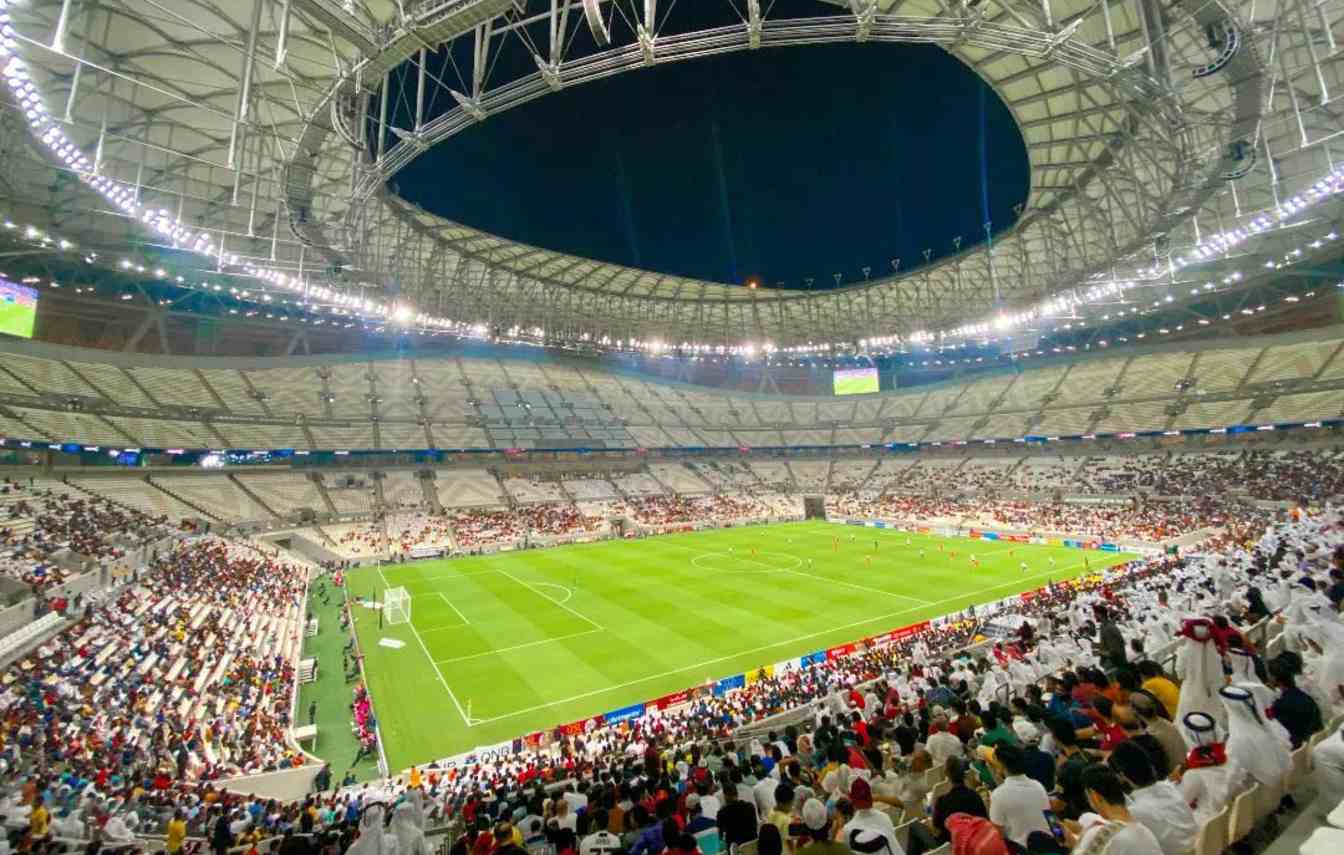 © Muhammad Midlaj | Lusail Stadium in Qatar, with a capacity of over 88,000 spectators, was planned as the main venue for the 2026 Finalissima.
Advertisement