 StadiumDB
Mexico: The great return of Estadio Azteca. First test and tensions around the investment
source: StadiumDB.com ; author: Paulina Skóra
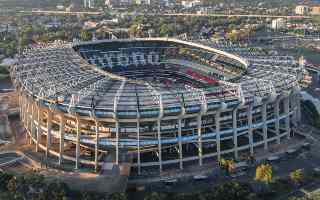 Estadio Azteca is returning to the spotlight in grand fashion, but behind the scenes tensions are growing around the project. A new chapter for the iconic stadium brings both excitement and controversy. What is really happening behind its comeback?
Advertisement
First test of Estadio Azteca
The official reopening of Estadio Azteca will take place on March 28 local time, when a friendly match between the Mexico and Portugal national teams will be played. The match is scheduled for 19:00, while the stadium gates will open already at 15:00, which is intended to allow a gradual dispersal of arriving fans.
A few days before the inauguration, Grupo Ollamani presented official photos and videos showing the stadium’s new appearance. The most visible change is the new name of the venue – Estadio Banorte – which appears on the façade in monumental letters dominating the Coloso de Santa Úrsula structure. The name change will be in effect until 2037; however, according to FIFA regulations, during the FIFA World Cup 2026 the stadium will operate as Estadio Ciudad de México.
This is a standard practice aimed at removing sponsors from the official names of World Cup venues.
Capacity of Estadio Azteca and preparation of the stadium for over 80,000 fans
The modernized stadium is expected to accommodate up to 90,000 spectators, although for the opening match attendance is expected to exceed 80,000. The published materials also show a perfectly prepared pitch, compared to a billiard table,
as well as fully equipped goals, which are being officially presented in their final configuration for the first time since the start of construction.
A key stage of preparation was testing the audio and video systems, which concluded just before the stadium’s reopening. In the presence of national and international football representatives, the sound, lighting, and multimedia screens were tested. Although the tests were successful, certain elements – such as the music played during trials – provoked mixed reactions among fans on social media. Nevertheless, the technical infrastructure of the stadium has been officially approved for use.
At the same time, a race against time continues around the stadium. Hundreds of workers in yellow helmets and reflective vests are organizing the area, removing rubble, cement bags, and construction tools. Long sections of the netting separating spectators from premium seating have been dismantled, changing the viewing experience and bringing fans closer to the pitch. The interiors of the stadium – locker rooms and VIP areas – are already ready to receive the first guests, but outside the situation is less organized. One of the main arteries, Calzada de Tlalpan, still faces heavy traffic and additional obstacles.
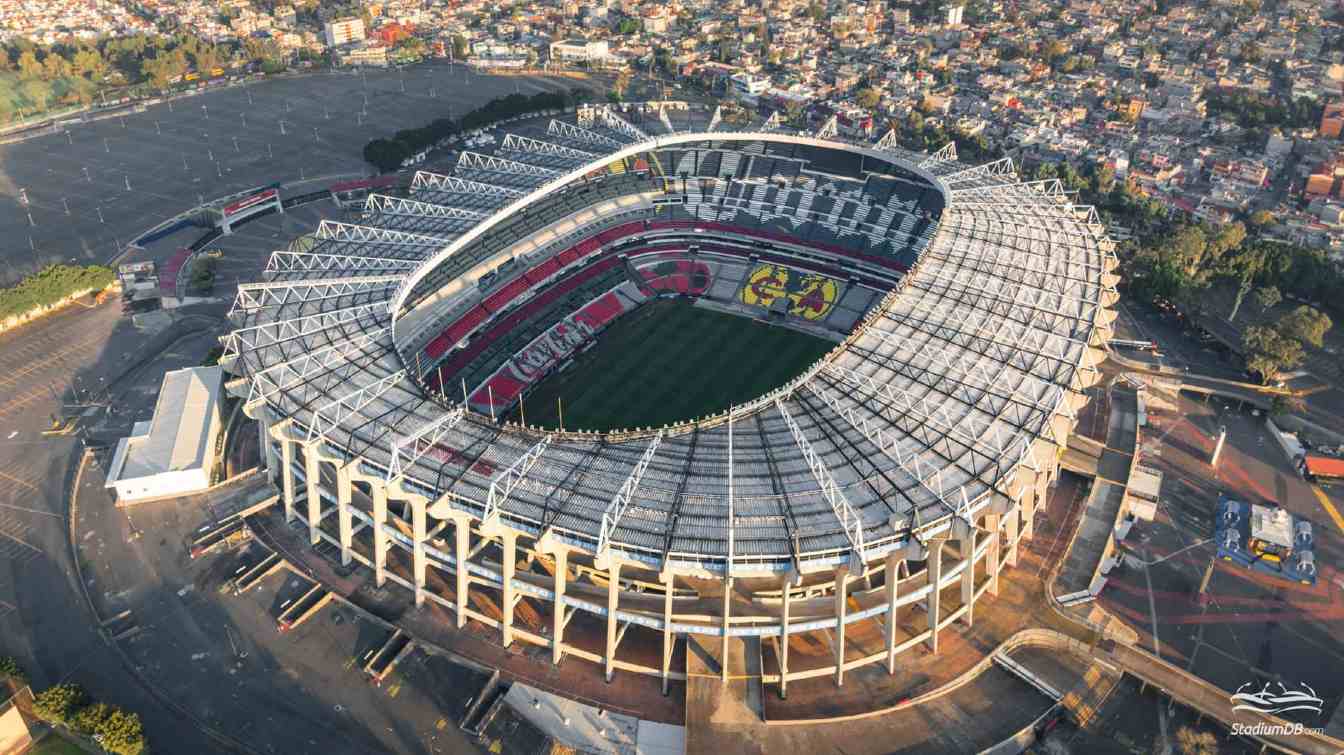 © Grzegorz Kaliciak | The reopening of Estadio Azteca is scheduled for March 28 with a Mexico vs Portugal match.
Public transport and CETRAM Huipulco as the main transport hub
On match day, a special traffic plan will be implemented, which will significantly limit the ability to drive directly to the stadium. City authorities have decided that access to the so-called last mile
zone will be controlled, and most fans will have to reach the stadium on foot.
From early morning, partial road closures will begin, while around 13:00 a full ban on unauthorized vehicles will be enforced in the immediate vicinity of the stadium. Only service vehicles, residents, and people with special passes will be allowed entry. Additionally, no parking spaces have been provided for fans, clearly indicating that private transport is not a recommended way to reach the stadium.
Public transport will form the basis for fan movement, with CETRAM Huipulco playing a key role. Most passenger flow will be directed there, and fans will continue the journey on foot. On match day, the frequency of public transport services will be significantly increased, including metro lines, Metrobús, and light rail. Of particular importance is the Tren Ligero line, which will operate every few minutes and run extended hours – up to 1:00 a.m.
For fans coming from more distant parts of the city, a Park and Ride system has been prepared. It involves leaving a car at designated points and continuing the journey using special public transport lines. Dedicated bus and trolleybus connections will be launched from locations such as Auditorio, Santa Fe, Six Flags, or Plaza Carso. Additionally, special zones for taxis and ride-hailing apps will be designated, but they will be located outside the immediate vicinity of the stadium.
Pedestrian mobility strategy around Estadio Azteca during events
One of the key elements of traffic organization is prioritizing pedestrian mobility. The last stretch of the journey to the stadium must be covered on foot, which is intended to increase safety and facilitate crowd management. This solution is based on experiences from previous mass events and is standard practice during the largest sporting events worldwide. In practice, it involves creating dedicated pedestrian corridors and strict control over access to the immediate surroundings of the stadium.
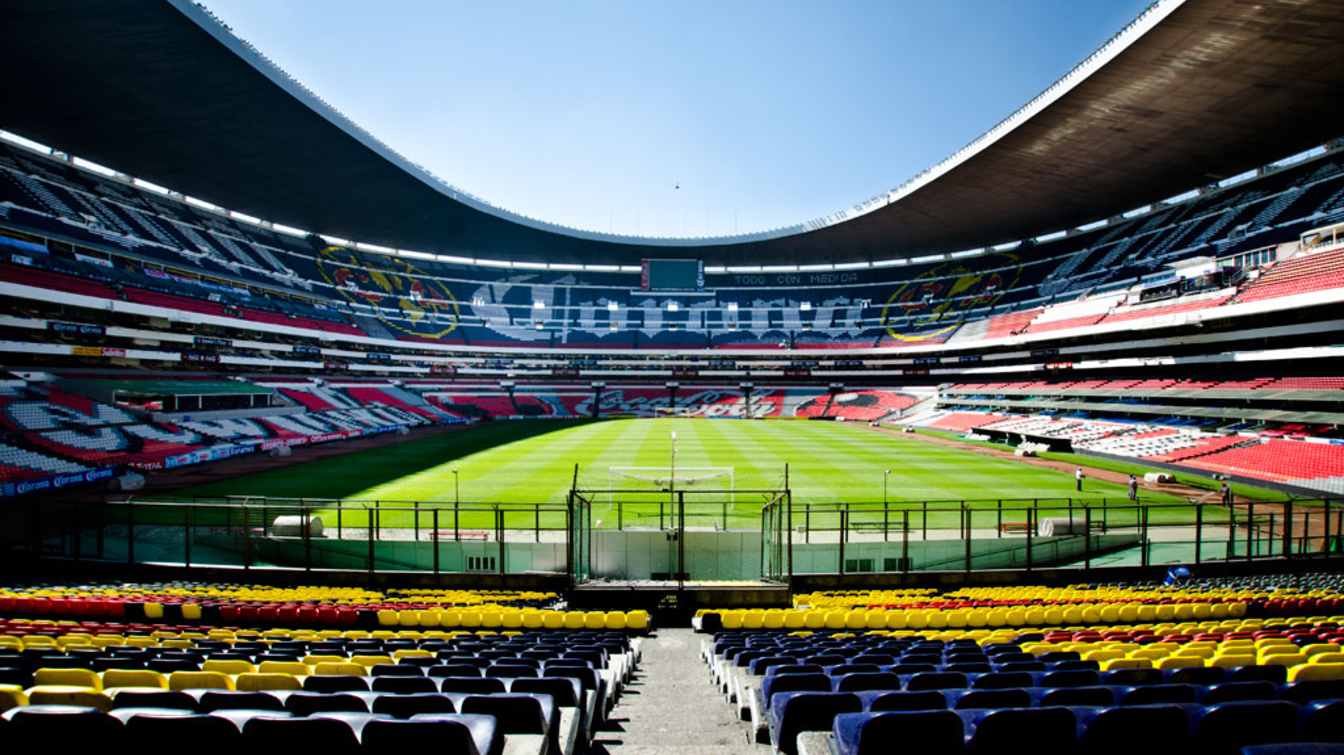 © Stadiony.net | The renovated stadium is expected to hold around 90,000 spectators and is being prepared for the 2026 World Cup.
Modernization of the surroundings of Estadio Azteca and road investments
Only afterward should we look at the scale of investments that enabled the implementation of the solutions described. The scope of work around Estadio Azteca included, among other things, the repaving of approximately 10 kilometers of roads within Circuito Azteca and the modernization of sidewalks and lighting along over 30 kilometers of Calzada de Tlalpan. Thanks to these measures, the accessibility of the stadium has been significantly improved, both for public transport and pedestrian traffic.
One of the most important elements of the investment was the modernization of the light rail, known as Tren Ligero El Ajolote.
The project, valued at over 1.4 billion pesos, included both track infrastructure and passenger service systems. Additionally, a pedestrian bridge connecting the station with the stadium esplanade was modernized, significantly improving comfort and safety for fans.
Urban space modernization around Estadio Azteca and new social investments
The modernization project went beyond transport issues and also covered urban space. New recreational facilities were created, such as Parque Alegría Tecuiche, which will serve residents of nearby neighborhoods. Eco-friendly solutions were also introduced, including rainwater collection systems and solar installations in thousands of households. This is part of a strategy to improve residents’ quality of life and reduce the environmental impact of the investment.
An important element of the changes was the regulation of street trade by formalizing it and relocating it to newly created market spaces. As a result, the surroundings of the stadium have become more organized and functional. These changes are significant not only during sporting events but also in the daily functioning of this part of the city.
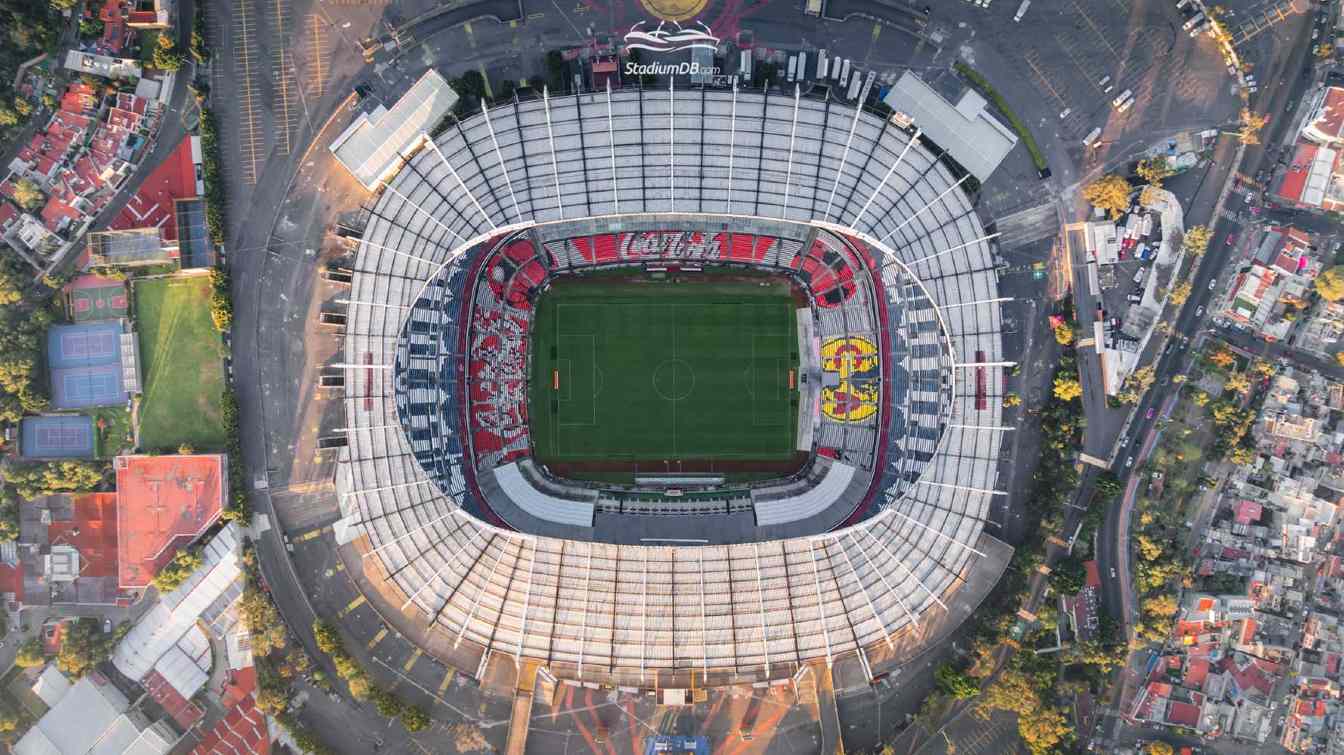 © Grzegorz Kaliciak | On match day, access to the stadium will be restricted, with public transport and pedestrian movement playing a key role.
Estadio Azteca and protests of local residents
All these actions are part of the broader context of preparations for the FIFA World Cup 2026. The modernization of Estadio Azteca and its surroundings is crucial for the organization of the tournament. Mexican authorities emphasize that these investments are long-term and will serve residents long after the World Cup ends, representing an example of lasting urban transformation driven by major sporting events.
However, the greatest controversies concern the social consequences of the investment. Local organizations, including anti-gentrification movements, warn that some residents are being displaced from the area. They point out that some families have lived in Santa Úrsula for decades, and the current changes may force them to leave their homes. In their view, preparations for major sporting events, such as the FIFA World Cup 2026, primarily benefit investors, leaving local communities with growing problems.
They also emphasize that large-scale investments around the stadium lead not only to the gradual privatization of space and evictions but also to worsening problems with access to water. Critics argue that the development of sports infrastructure is taking place at the expense of local communities, who experience the effects of rising living costs.
Advertisement